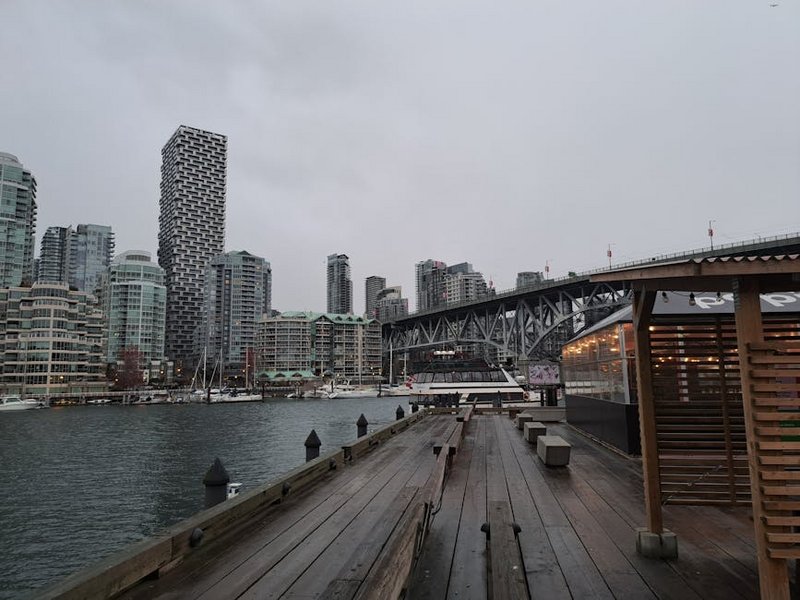
Nature and City Experience in Vancouver
Vancouver presents a rare metropolitan adventure where ancient coastal rainforests meet a vibrant, modern downtown skyline. Your nature and city experience in Vancouver lets you kayak past downtown skyscrapers in the morning and hike old-growth forest trails overlooking the Pacific by afternoon. This guide provides specific logistics for blending urban discovery with mountain and ocean access, complete with seasonal advice and neighborhood insights.
Vancouver’s Unique Geography
Vancouver is nestled between the Pacific Ocean and the Coast Mountains on Canada’s southwestern coast. This dramatic setting creates its unique urban-nature blend, with ocean, mountains, and forest all accessible from the city core. The city’s layout centers on the downtown peninsula, with key green spaces like Stanley Park serving as a direct gateway to wilderness.
The region’s climate is mild year-round due to Pacific currents, but precipitation varies significantly between seasons. Summers are dry and sunny, while winters bring frequent rain that sustains the lush temperate rainforests. This climate supports diverse ecosystems, from sandy beaches to dense coniferous forests, all within the city’s boundaries.
Understanding the Key Regions
Navigating Vancouver is easier when you understand its distinct areas. Each offers a different facet of the city’s dual character.
- Downtown Peninsula: Contains the central business district, Stanley Park, and the waterfront. This is your hub for museums, shopping, and easy access to both harbor activities and forested park trails.
- North Shore (North Vancouver & West Vancouver): Home to the mountains. This area provides direct access to Grouse Mountain, Capilano Suspension Bridge, and the trailheads for deep wilderness hikes in Lynn Canyon.
- East Vancouver & The Drive: Offers vibrant, eclectic neighborhoods with indie shops and diverse dining. It’s a more residential feel but still close to parks like Trout Lake.
- Budget Traveler ($75-$125/day): Stay in hostel dorms, use public transit exclusively, enjoy free hikes and beaches, and eat from grocery stores or food trucks. Focus on low-cost activities like exploring Stanley Park and Granville Island Public Market.
- Mid-Range Traveler ($200-$350/day): Stay in a hotel in the West End or near a SkyTrain station, mix transit with occasional ride-shares, dine at casual restaurants, and include one major paid attraction like Grouse Mountain or a museum.
- Luxury Traveler ($500+/day): Stay at waterfront hotels in Coal Harbour or Yaletown, book guided nature tours (whale watching, seaplane tours), dine at acclaimed farm-to-table restaurants, and enjoy spa treatments after a day of hiking.
- Destination Vancouver Official Tourism Site
- TransLink (Metro Vancouver Transit Authority)
- City of Vancouver Parks Board
Climate and Weather Patterns
Vancouver’s weather is famously temperate but wet. Summer highs average a pleasant 72°F (22°C) with minimal rain from June through September. This is the peak season for both city festivals and reliable mountain hiking conditions. You will encounter the largest tourist crowds during these sunny months.
Winter temperatures rarely drop below freezing, averaging 45°F (7°C), but rain is frequent from November to March. This is the quietest tourist season, perfect for museum visits and storm watching. The rainforests are at their most lush and dramatic during these wetter months.
Cultural and Historical Context
Vancouver’s identity is deeply connected to its natural resources and Indigenous heritage. The city is located on the unceded territories of the Musqueam, Squamish, and Tsleil-Waututh Nations. Their history and ongoing cultural presence are integral to understanding the region’s respect for the land and sea.
The city’s modern growth was fueled by forestry, mining, and the port, shaping its working waterfront and connection to the outdoors. Today, this translates to a population that highly values environmental stewardship and active, outdoor lifestyles, influencing everything from city planning to daily life.
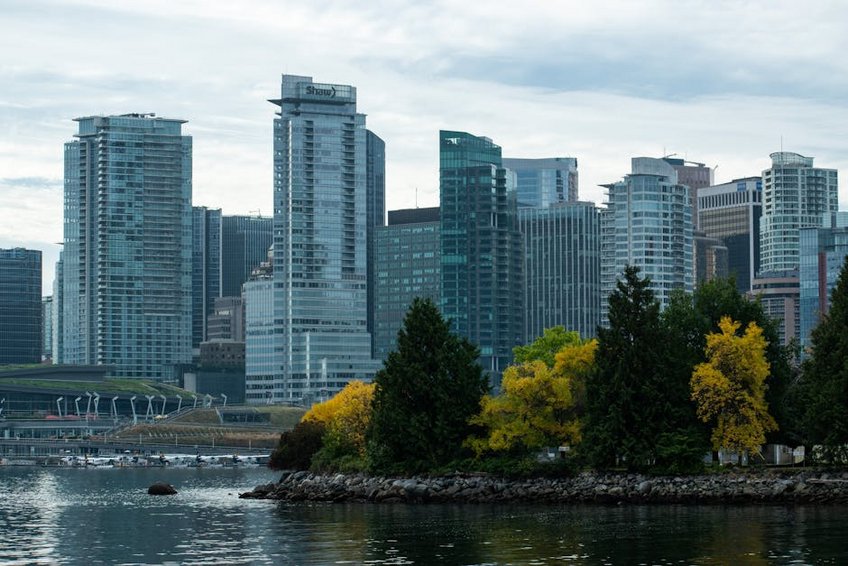
Alt: “stanley-park-seawall-view-downtown-vancouver-mountains”
Nature and City Experience in Vancouver – Planning Your Trip
Crafting the perfect Vancouver itinerary requires balancing urban exploration with wilderness access. Allocate time for both downtown cultural attractions and at least one major outdoor excursion to the North Shore mountains or Pacific shoreline. Successful planning hinges on choosing a central base neighborhood and understanding the efficient public transit links to trailheads and beaches.
Your budget should account for varied activities, from free public parks to paid attractions like the Capilano Suspension Bridge. Consider purchasing a TransLink Compass Card for unlimited bus, SeaBus, and SkyTrain travel. Booking accommodations three months in advance is crucial for summer visits, while winter offers more flexibility and lower rates.
Best Time to Visit Vancouver
Visit Vancouver between late June and early September for the most reliably dry, sunny weather. Daytime temperatures range from 65°F to 75°F (18°C to 24°C), ideal for hiking, biking, and water activities. This peak season sees high demand for hotels and flights, so book everything well in advance to secure the best options and prices.
Shoulder seasons in May and October offer cooler temperatures, fewer crowds, and lower prices. While rain is more likely, you will experience vibrant spring blooms or stunning fall foliage. Winter is the wettest season but provides a cozy, local vibe and opportunities for skiing on the nearby North Shore mountains.
Budget Planning and Costs
A Vancouver visit costs vary dramatically based on season and style. Here is a breakdown for a three-day trip per person.
Essential Preparation Checklist
Pack layers regardless of season, including a waterproof jacket and comfortable walking shoes. For hiking, bring proper footwear with grip, moisture-wicking clothing, and a daypack. If visiting between October and April, a compact umbrella and water-resistant shoes are non-negotiable for urban exploring.
U.S. and E.U. passport holders do not need a visa for tourist stays under 180 days. Ensure you have travel health insurance. Book popular restaurants one to two weeks ahead for dinner reservations, especially on weekends. Download the TransLink app for real-time bus and train schedules.
Top Attractions and Blend Experiences
Vancouver’s premier sights seamlessly integrate urban and natural elements. Stanley Park’s seawall offers skyline views alongside old-growth cedars, while Granville Island blends a bustling public market with waterfront artisan studios. The city’s design consistently frames its man-made achievements against a dramatic backdrop of mountains and ocean.
For a deeper connection, venture across the Burrard Inlet to the North Shore. Here, attractions like the Capilano Suspension Bridge Park place you directly in the canopy of a temperate rainforest. This proximity allows for full-day itineraries that feel worlds apart from the city, yet are only a short bridge or ferry ride away.
Must-See Highlights
Stanley Park & Seawall: This 1,000-acre peninsula park is Vancouver’s green heart. Walk or bike the 5.5-mile (9 km) seawall for unmatched views of the city, mountains, and Lions Gate Bridge. Inside, explore networks of forest trails, visit the totem poles at Brockton Point, and see the collection at the Vancouver Aquarium.
Capilano Suspension Bridge Park: Located in North Vancouver, this park features a 450-foot-long suspension bridge 230 feet above the Capilano River. It also includes the Treetops Adventure walkway and the thrilling Cliffwalk. Admission is approximately $55 USD for adults, and it’s accessible via a free shuttle from downtown.
Granville Island: A former industrial site transformed into a cultural district. The Public Market is the main draw, filled with local food vendors, artisans, and fresh produce. You can also browse boutique studios, watch boatbuilders at work, and enjoy street performances. Access it via a short Aquabus ferry from downtown.
Hidden Gems and Local Favorites
Skip the crowded Capilano and visit the free Lynn Canyon Park in North Vancouver. It features its own suspension bridge, equally stunning waterfalls, and extensive hiking trails through dense rainforest. It’s accessible by public bus and provides a more authentic, less commercialized experience.
For a unique urban-nature mix, explore Pacific Spirit Regional Park near the University of British Columbia. This 2,000-acre forest has over 30 miles of trails just minutes from the city. Follow it with a visit to the stunning UBC Museum of Anthropology or the serene Nitobe Memorial Garden.
Water-Based Adventures
Vancouver’s relationship with water defines many top experiences. Rent a kayak or stand-up paddleboard from operations in False Creek or Deep Cove to paddle with downtown views or in a serene mountain fjord. From May to October, join a whale-watching tour from Granville Island or Steveston Village to see orcas, humpbacks, and sea lions.
For a truly iconic perspective, book a 20-minute harbor seaplane tour. These flights offer breathtaking aerial views of the city skyline, Stanley Park, and the surrounding islands and mountains. It is a splurge activity, costing around $150 USD per person, but provides unforgettable memories and photos.
Practical Travel Information
Navigating Vancouver is straightforward thanks to its integrated public transit system. The SkyTrain connects the airport (YVR) to downtown in under 30 minutes. Within the city, buses, the SeaBus ferry, and the SkyTrain network can get you to most major attractions and trailheads efficiently. Consider renting a car only if you plan extensive day trips outside the city.
Accommodation choices directly impact your daily experience. Staying downtown offers walkability to major sights, while a hotel on the North Shore places you closer to mountain adventures. Neighborhoods like the West End provide a quieter, residential feel with easy access to both Stanley Park and the downtown core.
| Neighborhood | Best For & Vibe | Avg. Hotel Price (USD) |
|---|---|---|
| Downtown (Coal Harbour/Yaletown) | Luxury stays, waterfront walks, business travel. Modern, upscale atmosphere. | $250-$400+ / night |
| West End | Value, local vibe, proximity to Stanley Park & Denman St. restaurants. Quiet, residential. | $150-$250 / night |
| North Shore (North Vancouver) | Mountain access, outdoor enthusiasts, families. Nature-focused, suburban feel. | $130-$220 / night |
| Kitsilano | Beach life, laid-back cafes, younger crowd. Bohemian, athletic community vibe. | $170-$280 / night |