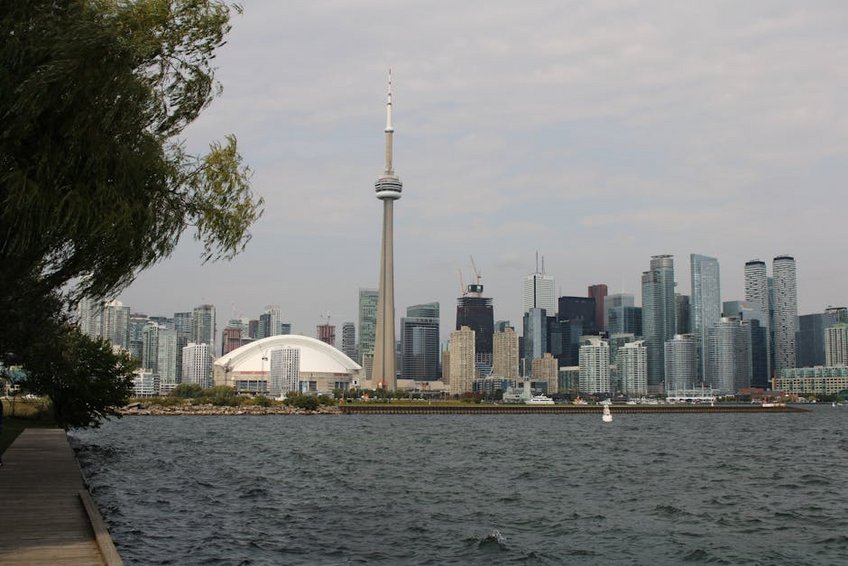
City Exploration in Toronto: A Dynamic Urban Adventure
City exploration in Toronto reveals a multifaceted metropolis where glass skyscrapers cast shadows on historic Victorian neighborhoods and a stunning waterfront frames diverse cultural enclaves. Your urban adventure will weave through world-class museums, expansive parklands, and a globally celebrated food scene, all fueled by the city’s famously welcoming and multicultural spirit. This guide provides the essential local insights and logistical details you need to navigate the city efficiently, from the Distillery District’s cobblestones to the panoramic views from the CN Tower.
Essential Toronto Information
Toronto is Canada’s largest city and the provincial capital of Ontario, situated on the northwestern shore of Lake Ontario. The city’s population exceeds 2.9 million, with over 200 distinct ethnic origins represented, making it one of the world’s most culturally diverse urban centers. This diversity directly shapes the neighborhoods, festivals, and culinary landscape you’ll experience during your visit.
The city operates on Eastern Time (UTC-5) and uses the Canadian Dollar (CAD). For US travelers, credit cards are widely accepted, but carrying some cash is wise for smaller markets and food trucks. English is the primary language, but you’ll hear a multitude of tongues across the city’s various districts.
City Layout and Key Neighborhoods
Understanding Toronto’s core neighborhoods helps immensely with navigation and itinerary planning. The downtown core is compact and very walkable, centered around the Financial District and the Entertainment District. Distinct cultural areas branch out from this center, each with a unique character and attractions.
- Downtown Core & Harbourfront: Home to the CN Tower, Ripley’s Aquarium, Rogers Centre, and the ferry terminals to the Toronto Islands. This is the main tourist and business hub with continuous activity.
- Entertainment District & King West: The epicenter for theaters, including the famous Royal Alexandra, and a dense concentration of trendy restaurants, bars, and nightclubs.
- Old Toronto (including Kensington Market & Chinatown): A bohemian, eclectic area with vintage shops, global food stalls, colorful street art, and a vibrant, youthful energy, adjacent to the massive Chinatown.
- Yorkville & The Annex: An upscale neighborhood known for designer boutiques, art galleries, and fine dining, blending into a more residential area with charming homes near the University of Toronto.
- Distillery District: A pedestrian-only village of preserved Victorian industrial buildings, now housing art galleries, design shops, restaurants, and a major seasonal Christmas market.
- Budget Day ($75-120 USD): Stay in a hostel dorm, use TTC day passes ($8.50 USD), enjoy free attractions like Kensington Market and Allan Gardens, and eat from food trucks or in Chinatown. Evening entertainment could be a walk along the Harbourfront.
- Mid-Range Day ($200-350 USD): A hotel in the Entertainment District, admission to one major attraction like the CN Tower ($35 USD), a meal at a sit-down restaurant in the Distillery District, and tickets to a show or a Blue Jays game.
- Luxury Day ($500+ USD): A luxury hotel in Yorkville, a multi-course tasting menu at a renowned restaurant like Canoe, a private guided tour of the Art Gallery of Ontario, and VIP theater tickets with a backstage tour option.
- Destination Toronto Official Tourism Site
- Toronto Transit Commission (TTC)
- BlogTO – Local Culture & Food News
Climate and Seasonal Considerations
Toronto experiences four distinct seasons, each dramatically altering the urban exploration experience. Summers are warm and humid, with average highs around 79°F (26°C) in July, perfect for patio dining and lake activities. This is peak festival season, with major events like Caribana and the Toronto International Film Festival drawing large crowds.
Spring and fall offer milder temperatures, between 50-68°F (10-20°C), and are ideal for comfortable walking tours with fewer tourists. Winters are cold and snowy, with January averages near 23°F (-5°C), but the city remains active with indoor attractions, skating rinks, and festive holiday markets.
Getting Oriented: The TTC and Beyond
Toronto’s public transit system, the TTC (Toronto Transit Commission), is your most efficient tool for urban navigation. It includes subways, streetcars, and buses. Purchase a Presto Card for tap-on, tap-off convenience across all services. The subway lines are limited but serve key corridors; streetcars are iconic and essential for east-west travel downtown.
For getting between major attractions, walking is often the best option in the dense core. Ride-sharing services and taxis are readily available. Cycling is also popular, with a network of bike lanes and a public bike-share system called Bike Share Toronto, featuring hundreds of stations.
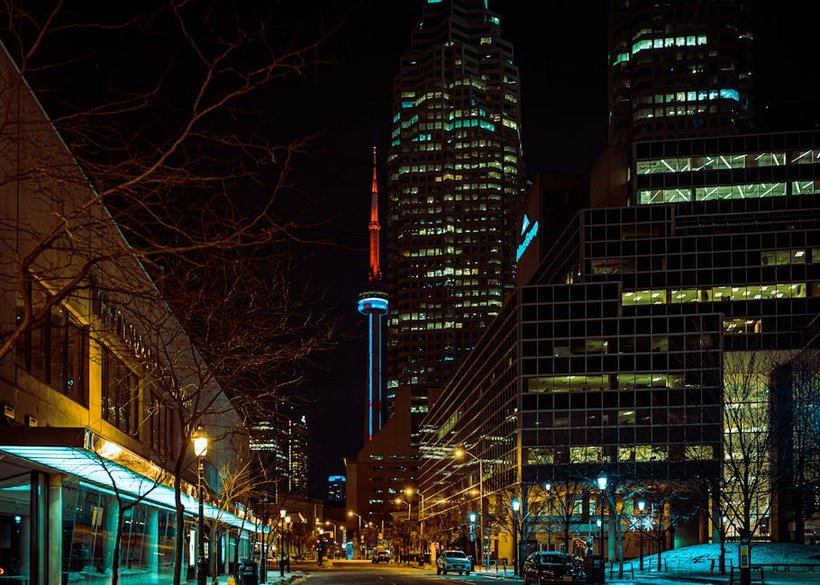
Alt: “downtown-toronto-skyline-cn-tower-waterfront-summer”
City Exploration in Toronto – Planning Your Trip
Successful city exploration in Toronto hinges on strategic planning around neighborhood grouping, advance bookings, and seasonal timing. Unlike sprawling cities, Toronto’s key districts are relatively concentrated, allowing you to cover multiple areas in a single day if you plan efficiently. Aim to cluster activities geographically to minimize transit time and maximize your immersion in each locale’s unique vibe.
Your budget will stretch further with some foresight. Major attractions like the CN Tower, the Royal Ontario Museum, and the Art Gallery of Ontario offer discounted tickets online if purchased in advance. Consider city passes that bundle entry to several sites, but calculate if their included venues match your interests first. Accommodation costs represent your largest variable expense, spiking during summer and major event weeks.
Best Time to Visit Toronto
Visit Toronto between late May and early October for reliably warm, sunny weather ideal for walking, patio culture, and lake activities. Temperatures range comfortably from 65°F to 82°F (18°C to 28°C). This is also the peak of the festival season, ensuring a vibrant, energetic atmosphere throughout the city.
The shoulder seasons of April-May and September-October offer cooler temps of 50-68°F (10-20°C) and thinner crowds, with the bonus of fall foliage. Winter visits from December to February appeal to those seeking holiday markets, ice skating at Nathan Phillips Square, and lower hotel rates, but prepare for temperatures between 15-30°F (-9 to -1°C).
Budget Planning and Costs
Daily costs vary significantly based on your travel style. Here is a realistic breakdown for a single day.
Essential Preparation Checklist
Pack comfortable walking shoes as your top priority, as you will likely walk 5-10 miles daily exploring different districts. Layered clothing is essential due to variable weather, even in summer when buildings are heavily air-conditioned. Include a reusable water bottle and a compact umbrella or light rain jacket.
Ensure your passport is valid for the duration of your stay. U.S. citizens do not need a visa for tourist visits under 180 days. Consider travel insurance that covers health and trip interruption. Book popular hotels 2-3 months in advance for summer trips, and reserve tables at top restaurants at least two weeks ahead.
Top Attractions and Urban Experiences
Toronto’s attractions showcase its architectural ambition, cultural depth, and connection to nature. The iconic CN Tower dominates the skyline, while world-class institutions like the Royal Ontario Museum house global treasures. Beyond the major sites, the city’s charm often lies in its neighborhood strolls, waterfront parks, and the surprising tranquility of the Toronto Islands just offshore.
Balancing iconic must-sees with local haunts creates the richest experience. Dedicate time to both the polished tourist landmarks and the gritty, creative energy of areas like West Queen West, dubbed one of the world’s coolest streets. The contrast defines the city’s true character.
Must-See Highlights
The CN Tower remains the quintessential Toronto experience. Ride the glass elevator to the LookOut Level at 1,136 feet (346m) or, for the brave, walk on the EdgeWalk hands-free around the pod’s exterior. Pre-book tickets online to skip long queues, especially on weekends. For a classic photo, capture its reflection in the “Toronto” sign at Nathan Phillips Square.
The Royal Ontario Museum (ROM) impresses with its crystalline Michael Lee-Chin addition and collections spanning dinosaurs to ancient Chinese temples. The Art Gallery of Ontario (AGO), transformed by Frank Gehry, holds an incredible Group of Seven collection and Henry Moore sculptures. Both museums have free evening hours on specific weeknights.
St. Lawrence Market, a historic food hall since 1803, is a sensory delight. On Saturdays, the farmers’ market expands outside. Come hungry to sample peameal bacon sandwiches, Canadian cheeses, and fresh produce. The Distillery District, a short walk east, offers a completely different, pedestrian-only Victorian industrial atmosphere perfect for galleries and dining.
Hidden Gems and Local Favorites
Venture beyond the core to the Evergreen Brick Works, a former quarry and industrial site transformed into an award-winning environmental community center. Accessible by a free shuttle from Broadview Station, it offers hiking trails, a weekend farmers’ market, and stunning views of the downtown skyline from a natural setting.
For a unique cultural walk, explore the Graffiti Alley in the Fashion District, a legal street art zone stretching for blocks where the murals change constantly. In the east end, the Leslieville neighborhood offers a more residential, village-like feel with independent boutiques, cafes, and some of the city’s best brunch spots, far from the tourist track.
Waterfront and Island Escape
Don’t neglect Lake Ontario. A short 15-minute ferry ride from the Jack Layton Ferry Terminal takes you to the car-free Toronto Islands. Rent a bike or quadricycle to explore the pathways, enjoy the small amusement park on Centre Island, or relax on the beach at Ward’s Island. The view of the skyline from the islands is unparalleled, especially at sunset.
Practical Travel Information
Navigating Toronto is straightforward with a mix of walking and its comprehensive public transit. The Pearson International Airport (YYZ) is the main gateway, located about 45-60 minutes from downtown by car or UP Express train. Billy Bishop Toronto City Airport (YTZ), on the islands near downtown, services regional flights and is a incredibly convenient 5-minute ferry ride from the mainland.
Accommodation options cater to all budgets, but location significantly impacts your experience. Staying downtown or along a major subway line saves considerable time and transit costs. Neighborhoods like The Annex or along the Bloor-Danforth subway line offer good value and local character with easy downtown access.
| Accommodation Type | Best For / Key Features | Avg. Nightly Rate (USD) |
|---|---|---|
| Luxury Hotel | Yorkville or Financial District; concierge, fine dining, spas | $350 – $700+ |
| Boutique Hotel | Entertainment or King West; design-focused, trendy bars/restaurants | $220 – $450 |
| Mid-Range Hotel | Downtown Core; reliable chains, good transit access | $150 – $300 |
| Vacation Rental/Airbnb | Neighborhoods like Leslieville or The Annex; more space, local living | $100 – $250 |
| Hostel | Budget travelers; social atmosphere, central locations | $35 – $80 (dorm) |