Mythology Tour in Athens
Walking through Athens connects you directly to the stories that shaped Western civilization. A mythology tour in Athens transforms ancient stone and marble into the vibrant world of gods and heroes, from the Parthenon’s heights to the Agora’s philosophical grounds. This guide details how to plan your visit, decode the city’s legendary sites, and experience the myths through expert-led explorations and independent discovery across distinct historical districts.
Essential Information for Your Athenian Adventure
Athens, the birthplace of democracy and a central stage for Greek myths, offers unparalleled access to antiquity. The city’s topography, dominated by the Acropolis, served as a natural fortress and sacred space dedicated to Athena. Its myths are not mere stories but explanations for natural phenomena, human behavior, and the city’s own founding, deeply embedded in every temple and theater.
Understanding the core pantheon enriches your visit. The Olympian gods, led by Zeus, had distinct personalities and domains influencing daily life. Heroes like Theseus, who defeated the Minotaur, represented ideal Athenian virtues. Local legends explained specific landmarks, such as the contest between Athena and Poseidon for patronage of the city, a tale physically represented on the Acropolis.
Key Deities and Their Athenian Connections
Several Olympians feature prominently in the city’s art and architecture.
- Athena, goddess of wisdom and warfare, was the city’s patron. Her major temple, the Parthenon, housed a colossal gold and ivory statue, and her sacred olive tree was replanted on the Acropolis.
- Poseidon, god of the sea, competed with Athena. His gift, a saltwater spring, is symbolically linked to the Erechtheion’s design, highlighting the mythic rivalry.
- Dionysus, god of wine and theater, had his sanctuary on the southern Acropolis slope. The adjacent Theatre of Dionysus is where classic tragedies, steeped in myth, were first performed for the city.
- Budget travelers can expect to spend $70-100 per day. This covers a dorm bed ($25), self-guided visits using audio apps ($5-15 for site combos), supermarket meals, and public transport. Focus on free sites like the Temple of Olympian Zeus perimeter and exploring the Hills of the Muses.
- Mid-range explorers should budget $150-250 daily. This allows for a private room ($80-120), a half-day guided Acropolis tour ($50-70 per person), combo tickets for major sites ($36), and daily meals at traditional tavernas.
- A luxury mythology experience costs $400+ per day. This includes boutique heritage hotels ($200+), multi-day private guided itineraries with an archaeologist ($300-500 per day), fine dining, and private transfers to distant sites like Sounion or Delphi.
- This is Athens (Official City Guide)
- History.com – Acropolis Overview
Understanding the Historical Layers
Athenian mythology evolved over centuries, reflected in architectural styles. Mycenaean fortifications from 1300 BCE underpin later Classical structures. The Persian Wars (490-479 BCE) led to the Acropolis’s rebuilding, creating the iconic Periclean monuments you see today.
Later Roman emperors added their own monuments, like the Temple of Olympian Zeus. Byzantine, Ottoman, and modern layers followed. A focused tour peels back these periods to highlight the specific Bronze Age and Classical narratives tied to each location, providing chronological clarity.
Modern Athens and the Mythological Landscape
Today’s sprawling metropolis surrounds the ancient core. The historic districts of Plaka, Monastiraki, and Thiseio sit directly in the shadow of the Acropolis, offering charming bases for exploration. Key sites are walkable, but summer heat demands strategic planning.
The city expertly blends the ancient with the contemporary. You can view the Acropolis from a rooftop bar or encounter artifacts in metro stations. This living connection makes the mythological journey feel immediate, not locked away in a distant past.
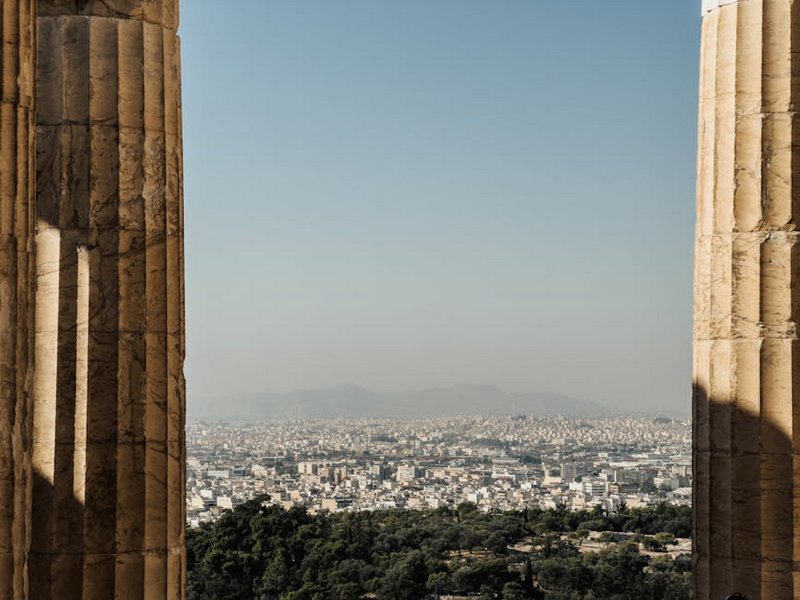
Alt: “acropolis-athens-parthenon-temple-ancient-greek-architecture”
Mythology Tour in Athens – Planning Your Trip
Successful exploration hinges on balancing guided insight with personal time. A structured mythology tour in Athens with a knowledgeable guide is invaluable for deciphering iconography and context at major sites. However, reserving hours for solo contemplation at places like the National Archaeological Museum allows you to connect with artifacts at your own pace. This blend maximizes both learning and personal experience.
Budget allocation should prioritize a licensed guide for the Acropolis and Agora. Expect to spend roughly 40-50% of your activity budget here. The remaining funds cover museum entry, a day trip to nearby temples, and perhaps a themed theatrical performance. Booking key components online weeks in advance secures better guides and avoids long ticket queues.
Physical preparation is crucial. The Acropolis involves climbing uneven marble steps and walking on slippery surfaces. Supportive footwear, sun protection, and carrying ample water are non-negotiable. Visiting major outdoor sites at opening time or late afternoon helps you avoid peak crowds and the strongest summer sun.
Best Time to Visit for Mythology Enthusiasts
The ideal months for a mythology-focused visit are April-May and September-October. During these shoulder seasons, daytime temperatures range from a pleasant 65-75°F (18-24°C), making extensive walking comfortable. Crowds are manageable, and guides are more readily available for in-depth discussions at the sites themselves.
Summer (June-August) sees intense heat, often exceeding 90°F (32°C), and dense crowds that can obscure the atmosphere of sacred spaces. Winter (November-March) offers solitude and lower prices, with temperatures 50-60°F (10-15°C), but be prepared for occasional rain. Some sites have shorter hours, though you’ll often have major ruins nearly to yourself.
Budget Planning and Costs
Costs vary based on tour depth and accommodation style.
Essential Preparation Checklist
Secure your key bookings well ahead of arrival. Purchase the Acropolis combo ticket online to skip the ticket office line. Book a licensed guide or specialized tour operator at least one month in advance, especially for peak season. Research and reserve accommodations in Plaka, Monastiraki, or Koukaki for optimal walkability to ancient sites.
Pack strategically: broken-in walking shoes, a sun hat, a refillable water bottle, and a small flashlight for examining darker temple interiors. Bring a notebook for sketching floor plans or noting iconography. EU citizens need only an ID card; US passport holders require a passport valid for three months beyond departure, with no visa needed for stays under 90 days.
Top Mythological Sites and Experiences
The Acropolis is the undisputed centerpiece, but the mythological landscape extends throughout the city. Each location served a specific religious or civic function, from the Propylaea gateway to the Theater of Dionysus. Exploring beyond the famous hill reveals sanctuaries, courthouses, and markets where myths played out in daily rituals and legal proceedings.
Connecting the sites by theme, such as “Trials of Heroes” or “The Olympian Family,” creates a coherent narrative. For instance, follow the path of the Panathenaic Festival from the Kerameikos cemetery to the Acropolis. This approach turns a series of ruins into a living story, helping you visualize the processions and sacrifices that once animated these stones.
Must-See Acropolis Monuments
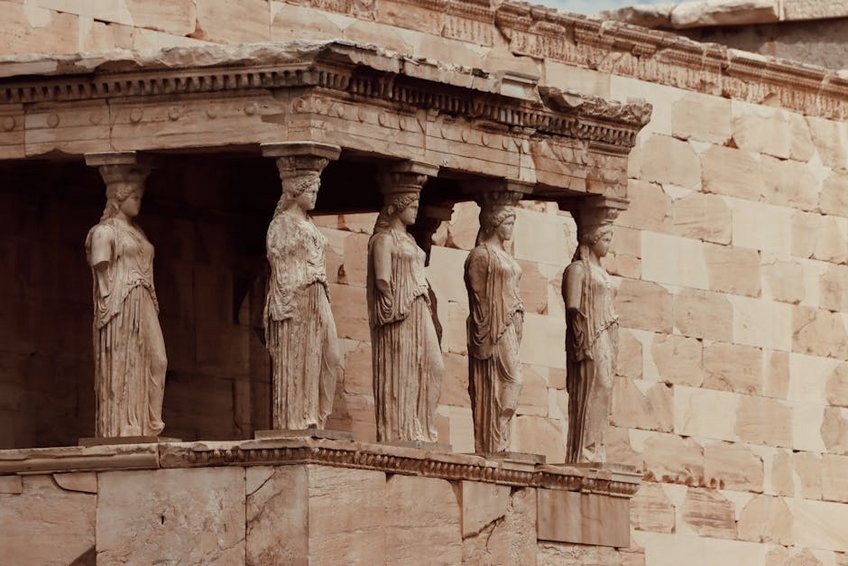
The Parthenon, dedicated to Athena Parthenos, is the ultimate symbol. Observe the architectural refinements and the sculptural themes on the metopes depicting mythical battles. The Erechtheion, with its iconic Caryatids, housed the most ancient relics, including the marks from Poseidon’s trident.
The Temple of Athena Nike celebrates victory, while the monumental Propylaea formed the ceremonial entrance. Just below, the Sanctuary of Asclepius and the Theatre of Dionysus round out the sacred complex. Allocate at least three hours here with a guide to fully appreciate the layered symbolism and engineering.
Ancient Agora and Temple of Hephaestus
This was the commercial and political heart, where philosophy and myth intersected. The remarkably preserved Temple of Hephaestus, god of metalworking, is one of Greece’s best surviving Doric temples. The Stoa of Attalos, now a museum, displays artifacts from daily life where myths influenced law and commerce.
This is where Socrates discussed virtue and where citizens would have seen paintings of mythical scenes now lost. Walking through the Agora grounds gives a profound sense of the civic context for these stories, making them tools for education and social cohesion, not just religion.
National Archaeological Museum
This world-class museum houses artifacts that give faces to the gods and heroes. Key pieces include the Mask of Agamemnon, the Artemision Bronze (possibly Zeus or Poseidon), and the intricate Vaphio gold cups depicting mythological scenes. It provides essential context before visiting the ruins.
Spend at least two hours focusing on the Mycenaean and Classical sculpture collections. The museum’s displays help you recognize common iconographic symbols, like Zeus’s thunderbolt or Athena’s aegis, which you’ll then spot in fragmentary form on-site. It’s a crucial indoor component of any mythology itinerary.
Practical Travel Information
Athens is a major international hub with efficient public transport linking historical areas. Athens International Airport (ATH) is 20 km east of the city. The metro’s Blue Line connects directly to Syntagma and Monastiraki squares in about 40 minutes for €10. Taxis to the center cost a flat fee of €38-€55 from 5 AM to midnight.
Accommodation ranges from hostels in Psiri to luxury hotels with Acropolis views. For mythology buffs, staying in Plaka or Makrigianni places you within a 10-15 minute walk of the Acropolis entrance, enabling early morning or evening visits when the site is most atmospheric. Book these central districts several months in advance for peak season.
| Category | Options/Features | Price Range (USD) |
|---|---|---|
| Budget Hostel | Dorm bed in Psiri, shared kitchen, social atmosphere, short walk to Monastiraki | $25-40 per night |
| Mid-Range Hotel | Private room in Plaka or Koukaki, breakfast included, Acropolis views possible | $80-150 per night |
| Boutique Heritage | Restored neoclassical building in Plaka, luxury amenities, personalized service | $200-400 per night |
| Luxury Hotel | Five-star property with rooftop bar and pool, direct Acropolis views, concierge | $350-600+ per night |