Exploration Routes in Lisbon: Uncover the City’s Hidden Layers
Navigating Lisbon’s iconic seven hills reveals a city of contrasting charms, where historic trams rattle past contemporary street art and pastel-colored neighborhoods overlook the vast Tagus River. Your exploration routes in Lisbon serve as the perfect framework to experience this diversity, connecting major monuments with secret viewpoints and local taverns in a logical, walkable sequence. This guide details thematic paths, practical logistics, and insider advice to help you craft your perfect Lisbon itinerary, maximizing your time from the Alfama’s fado-filled lanes to Belém’s majestic discoveries.
Essential Lisbon Exploration Context
Lisbon’s topography is defined by its hills, which historically provided defense and now offer breathtaking panoramas. The city’s core neighborhoods each possess a distinct character shaped by centuries of history, from the Moorish Alfama to the earthquake-rebuilt Baixa. Understanding this layout before you walk helps you choose routes that match your interests and stamina, ensuring you see the best of Lisbon without unnecessary backtracking.
Most central districts are connected by an efficient public transport network of trams, funiculars, and metro lines. This system allows you to tackle Lisbon’s steepest inclines with ease, using transport to reach a high point and then walking downhill through a neighborhood. Investing in a reloadable Viva Viagem card for multiple rides is highly recommended for any exploration.
Defining Your Exploration Style
Consider your pace and priorities before selecting your paths.
- **History Buffs**: Focus on routes connecting São Jorge Castle, the Sé Cathedral, and the ruins of the Carmo Convent, weaving through the Alfama and Mouraria districts where Lisbon’s medieval past is most palpable.
- **Culture & Design Seekers**: Prioritize Chiado and Príncipe Real, exploring boutique shops, historic cafés like A Brasileira, and the innovative LX Factory complex located under the 25 de Abril Bridge.
- **Viewpoint Chasers**: Plot a course linking Miradouros like Santa Luzia, Graça, and São Pedro de Alcântara, each offering unique vistas over the city’s terracotta rooftops and river estuary.
- **Budget Explorer ($60-90 USD/day)**: Stay in hostels or guesthouses, use public transport walks, enjoy lunches from bakeries or markets (like Mercado da Ribeira’s Time Out Market), and focus on free viewpoints and street life. Many churches offer free or donation-based entry.
- **Mid-Range Traveler ($120-200 USD/day)**: This budget allows for comfortable boutique hotels or apartments, sit-down meals at traditional tascas, entry to key museums like the National Azulejo Museum, and a ride on the historic Tram 28.
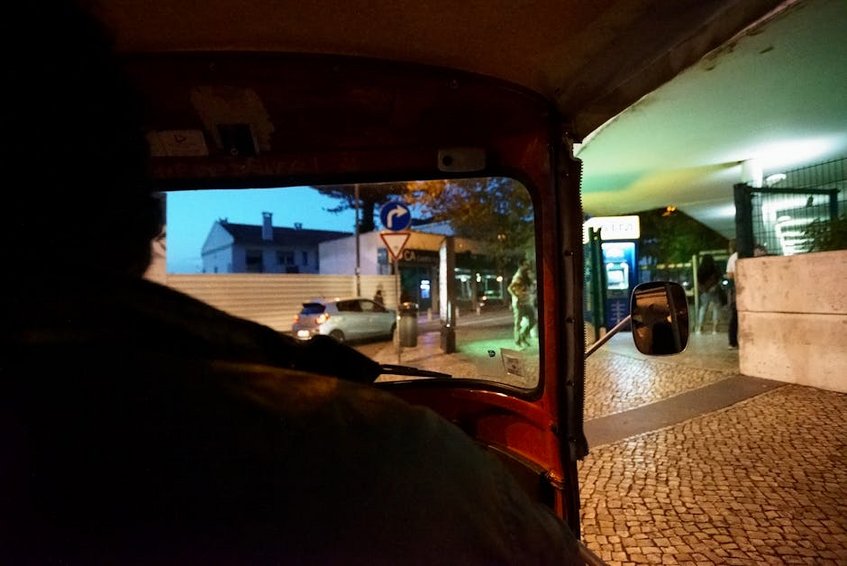
- **Luxury Experience ($300+ USD/day)**: Indulge in 5-star hotels with river views, private guided walking tours, fine dining at Michelin-starred restaurants, and exclusive experiences like private fado performances or Tuk-Tuk tours of the hills.
- Visit Lisboa Official Tourism Website
- Lonely Planet Lisbon Guide
Key Neighborhoods at a Glance
The Alfama district is Lisbon’s oldest quarter, a labyrinth of narrow streets surviving the 1755 earthquake, famous for its June Santo António festivals and melancholic fado music. Getting lost here is part of the charm, with surprises like hidden courtyards and tiny family-run restaurants around every corner. Wear comfortable shoes with good grip for its cobblestone slopes.
In contrast, the Baixa is the elegant, grid-planned downtown rebuilt after the earthquake, featuring grand plazas like Praça do Comércio and pedestrianized shopping streets. The Santa Justa Lift connects Baixa to the higher Bairro Alto, a district that transforms from quiet by day to a vibrant hub of bars and restaurants by night. These adjacent areas allow for easy, flat exploration after tackling the hills.
Navigational Tools and Tips
While Lisbon is generally safe for walking, its mosaic cobblestone sidewalks can be slippery and uneven. A reliable offline map app like Maps.me or Google Maps with downloaded areas is essential, as GPS can falter in the dense, narrow lanes of older quarters. Free walking tours offer excellent orientation, but for deeper, self-guided discovery, audio guide apps provide context at your own pace.
Always carry a reusable water bottle, as Lisbon’s hills can be dehydrating, especially in summer. Public water fountains are scattered throughout the city. Sun protection is crucial from late spring through early autumn, as many routes offer little shade. Start your walks early in the day to avoid the strongest sun and largest crowds at major sites.
Alt: “lisbon-alfama-district-cobblestone-streets-tram-28-viewpoint”
Exploration Routes in Lisbon – Planning Your Journey
Crafting effective exploration routes in Lisbon requires balancing ambition with realism. The city’s hills and captivating details encourage a slower pace, so it’s better to deeply experience one or two neighborhoods per day than to rush through several. Your chosen paths should incorporate strategic use of public transport, scheduled breaks at miradouros (viewpoints), and meal stops at authentic tascas (taverns). A well-planned route enhances both enjoyment and efficiency.
Consider purchasing the Lisboa Card if your itinerary includes multiple paid museums and unlimited public transport. For 24, 48, or 72 hours, it offers free entry to many attractions and can simplify your travel logistics. If you prefer more focused walking, pay-as-you-go transport combined with selective attraction entry may be more cost-effective. Always check opening days and times, as some smaller museums close on Mondays or Tuesdays.
Best Time to Visit for Exploration
Visit Lisbon between March and May or September and October for ideal exploration conditions. During these shoulder seasons, daytime temperatures range from a pleasant 65-75°F (18-24°C), crowds are manageable, and the light is perfect for photography. Hotel rates are more reasonable compared to the peak summer months. The famous June festivals bring exciting energy but also significant crowds and higher prices.
July and August see intense heat, with temperatures often exceeding 86°F (30°C), making strenuous hill climbs uncomfortable. Winter, from November to February, is cooler (50-60°F or 10-15°C) and rainier, but it offers the lowest crowds and a cozy atmosphere in traditional cafés. Some outdoor attractions may have shorter hours, but exploring indoors and enjoying the city’s café culture remains highly rewarding.
Budget Planning and Costs
Daily costs vary widely based on your travel style.
Essential Preparation Checklist
Packing for Lisbon requires practical footwear above all else. Bring broken-in walking shoes with substantial tread for navigating polished limestone cobbles. Layered clothing is key due to variable microclimates and breezes off the river. Include a light rain jacket or travel umbrella regardless of season, as weather can shift quickly.
For documentation, U.S. and EU passport holders need only a valid passport for stays under 90 days. While not mandatory, comprehensive travel insurance covering medical emergencies and trip interruptions is strongly advised. Book popular accommodations three to four months in advance for peak seasons. Learn a few basic Portuguese phrases like “Bom dia” (Good day) and “Obrigado/a” (Thank you); this effort is greatly appreciated by locals.
Top Thematic Routes and Must-See Highlights
Rather than a single monolithic path, Lisbon exploration works best through interconnected thematic loops. A classic full-day route might start at the majestic Praça do Comércio, ride Tram 28 up to Graça, then wander downhill through the Alfama to the cathedral, finishing with a climb up to the Castelo de São Jorge for sunset. Another day could be dedicated to Belém, combining the Jerónimos Monastery, Belém Tower, and the legendary Pastéis de Belém bakery.
For a different perspective, the “Lisbon of the Discoveries” route links the riverside to Belém, while the “Alternative Lisbon” path explores the street art of Calçada da Glória and the creative hub of LX Factory. Each route tells a different story of the city. Always factor in time for unplanned discoveries—a captivating tile facade, a spontaneous live music performance, or a conversation with a shopkeeper.
Must-See Historical Highlights
The Castelo de São Jorge is Lisbon’s most iconic landmark, offering 360-degree views and a walk along its Moorish walls. Entry is around $12 USD. Downhill, the Romanesque Sé Cathedral, Lisbon’s oldest church, provides a stark, solemn contrast. A short walk away, the ruins of the Convento do Carmo, with its roofless Gothic arches, stand as a powerful monument to the 1755 earthquake.
In Belém, the Manueline-style Jerónimos Monastery is a UNESCO World Heritage site showcasing Portugal’s Age of Discoveries wealth; admission is about $11 USD. Nearby, the Belém Tower and the Monument to the Discoveries complete this historic narrative. Purchasing a combined ticket for Belém attractions can save time and money. Visiting these sites early or late helps avoid the longest lines.
Hidden Gems and Local Favorites
Escape the crowds in the Mouraria district, the birthplace of Fado, where community gardens and small squares offer authentic local life. Seek out the Miradouro da Senhora do Monte, the city’s highest viewpoint, for a quieter panorama than the more famous ones. The village-like atmosphere of the Alcântara district, near LX Factory, provides a glimpse into Lisbon’s post-industrial creative revival.
For a unique experience, visit the Olissipónia museum shop for historically-inspired gifts or explore the book-filled stalls of the Feira da Ladra flea market on Tuesdays and Saturdays. The Jardim do Torel, a secluded garden near the Glória Funicular, is a perfect spot for a peaceful rest. These lesser-known spots enrich your understanding of Lisbon beyond its postcard images.
Neighborhood-Specific Walking Loops
A perfect Alfama loop starts at the Miradouro de Santa Luzia, descends past the Feira da Ladra market to the Sé Cathedral, winds through the labyrinth to the Portas do Sol viewpoint, and ends at a fado house for dinner. In Bairro Alto and Chiado, begin at the Praça Luís de Camões, explore the boutique shops, ride the Santa Justa Lift, visit the ruins of Carmo, and finish with a pre-dinner drink at a rooftop bar overlooking the city.
These loops are designed to be walkable in two to three hours at a leisurely pace, allowing ample time for photos, café stops, and spontaneous exploration. They leverage natural topography, often starting at a high point accessible by tram or funicular and following a generally downhill trajectory. This strategic planning conserves energy for truly enjoying the surroundings.
Practical Travel Information for Lisbon
Navigating Lisbon efficiently is straightforward with a little planning. Humberto Delgado Airport (LIS) is the main international gateway, located about 7 km from the city center. The most economical transfer is via the metro’s Red Line, which takes roughly 20 minutes to reach downtown stations like Saldanha or Alameda. Taxis and ride-sharing services like Uber or Bolt are also readily available and affordable.
For accommodations, central neighborhoods like Baixa, Chiado, and Alfama offer the best walkability to major sites but can be noisier and more expensive. The adjacent Príncipe Real and Estrela districts provide a more residential, tranquil feel while still being within walking distance of the core. For budget stays with excellent metro connections, consider areas like Alvalade or Anjos.
| Category | Options/Features | Price Range (USD) |
|---|---|---|
| Budget Hostel | Dorm beds, shared kitchen, social atmosphere, central location | $25-45 per night |
| Mid-Range Hotel | Private room with en-suite, breakfast included, located in Baixa or Chiado | $100-180 per night |
| Boutique Apartment | Full kitchen, living space, historic building in Alfama or Príncipe Real | $150-250 per night |
| Luxury Hotel | 5-star amenities, spa, rooftop pool, stunning river or city views | $300-600+ per night |