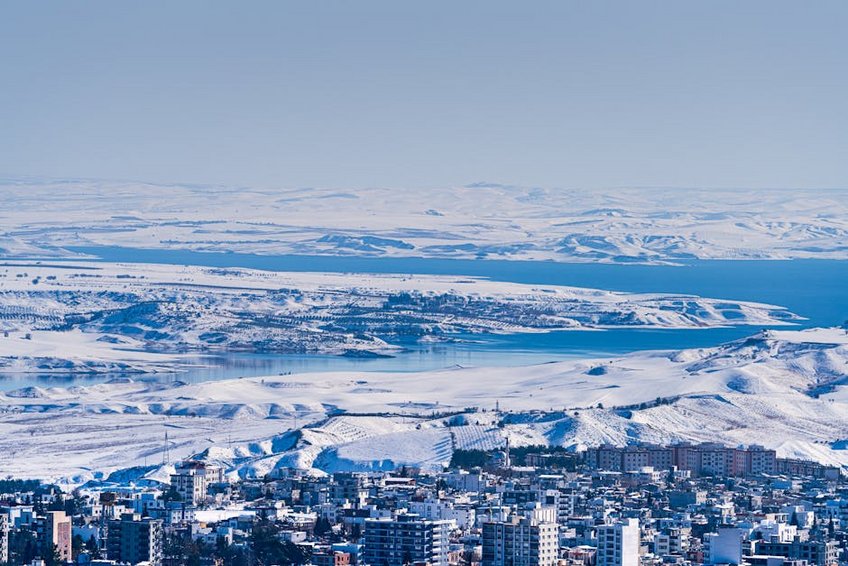
Winter Landscapes in Eastern Anatolia
Eastern Anatolia offers some of Turkey’s most dramatic and culturally rich winter scenery, where vast, snow-draped mountains meet ancient history. This high-altitude region transforms into a silent, pristine world from December through March, with opportunities for skiing, photography amidst frozen lakes, and exploring remote Kurdish and Armenian villages. This guide covers essential travel planning, top snowy destinations, and practical tips for experiencing Eastern Anatolia’s powerful winter beauty safely and authentically.
Essential Regional Information
Eastern Anatolia is Turkey’s highest and coldest region, comprising provinces like Erzurum, Kars, Ağrı, and Van. Its continental climate brings long, harsh winters with heavy snowfall, often beginning in November and lasting until April. The landscape is dominated by the peaks of Mount Ararat, vast steppes, and high plateaus, creating a starkly beautiful environment.
Historically, this area has been a crossroads for empires and cultures, leaving behind a tapestry of Armenian churches, medieval Islamic architecture, and ancient fortresses. Winter travel here is an adventure into a less-visited part of Turkey, where traditions run deep and the pace of life follows the seasons. You will need to prepare for significant temperature drops and potential travel disruptions due to weather.
Climate and What to Expect
The winter season is intense. Daytime highs often struggle to reach 23°F (-5°C), while nighttime lows can plunge to -4°F (-20°C) or lower, especially in higher areas like the Ararat plateau. Snow cover is typically deep and consistent, blanketing everything in a thick, quiet layer. The air is dry and crisp, offering exceptional visibility for landscape photography on clear days.
Key Cultural Contexts
Eastern Anatolia is culturally distinct from Turkey’s Mediterranean and Aegean coasts. The population includes significant Kurdish, Armenian, and Azerbaijani communities. Winter is a time of indoor hospitality; don’t be surprised by invites for tea (çay) in local homes. Respectful attire is appreciated, especially when visiting rural villages or religious sites.
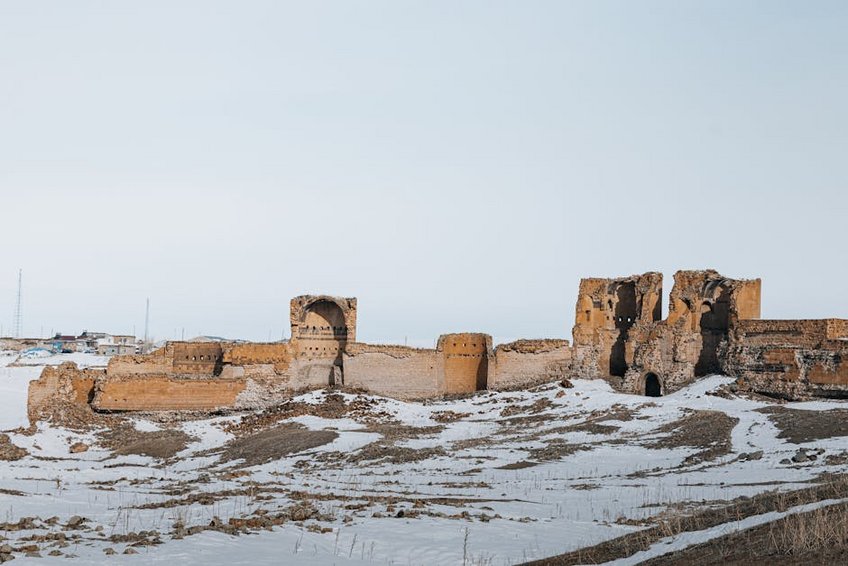
The region’s history is complex and palpable, visible in the haunting ruins of Ani, the medieval city on the Armenian border, and the iconic Ishak Pasha Palace. Understanding this layered past adds profound depth to the visual experience of the snow-covered steppe. Local guides can provide invaluable context you won’t find in guidebooks.
Travel Considerations
This is not a typical sun-and-sea Turkish holiday. Infrastructure can be basic in remote areas, and English is less widely spoken. Travel requires flexibility, as mountain passes can close temporarily during blizzards. Renting a 4×4 vehicle with winter tires is highly recommended, if not essential, for independent exploration beyond major cities.
Alt: “eastern-anatolia-winter-mountain-landscape-snow-arak”
Winter Landscapes in Eastern Anatolia – Planning Your Trip
Successfully experiencing Eastern Anatolia’s winter beauty hinges on meticulous preparation. Your itinerary must account for shorter daylight hours, averaging only 4-5 hours of strong light in mid-winter, and the logistical reality of moving between snowbound sites. Prioritize quality over quantity, focusing on two or three base areas to explore deeply rather than rushing across vast distances.
Budgeting requires consideration for specialized gear and potentially higher transport costs. While accommodation and food are generally inexpensive compared to Western Europe, investing in proper clothing, a reliable vehicle, and knowledgeable local guides is non-negotiable for safety and enjoyment. Always build in buffer days for weather delays.
Connectivity can be limited. Download offline maps for Google Maps or Maps.me, and have a paper backup. Inform your accommodation of your daily travel plans when heading into remote valleys. This level of planning ensures your adventure into Turkey’s eastern winter is memorable for all the right reasons.
Best Time to Visit for Winter Scenery
The peak season for reliable snow cover and winter activities runs from late December to early March. January and February are the coldest months, with the deepest snow, ideal for photography and winter sports. Expect temperatures between 14°F and 23°F (-10°C to -5°C) in cities, and much colder in the highlands.
For slightly milder conditions with still-guaranteed snow, target late December or early March. These shoulder periods offer longer daylight hours, slightly easier travel, and fewer tourists. Avoid November and April unless you are prepared for unpredictable conditions, as snow may be patchy or roads muddy.
Budget Planning and Costs
Daily costs vary dramatically based on your travel style and need for guided tours or private transport.
- Budget Traveler ($40-60/day): Staying in basic guesthouses (pansiyons), eating at local lokantas, and using inter-city buses. This covers basics but limits remote access and requires tolerance for cold waits at bus stations. Self-guided exploration is confined to city centers.
- Mid-Range Traveler ($80-120/day): This allows for comfortable hotels with heating, rental of a 4×4 vehicle (split between travelers), and occasional guided day tours from Erzurum or Kars. You can enjoy hearty restaurant meals and visit key sites like Ani or Lake Van with greater independence and comfort.
- Luxury/Experience-Focused ($150+/day): Enables private guided multi-day tours with expert drivers, stays in the best available hotels (like the Kar’s Oteli in Kars), and specialized activities like guided ski touring on Mount Ararat or private photography workshops. This maximizes access, safety, and cultural insight.
- Turkish Ministry of Culture and Tourism Portal
- Lonely Planet Eastern Anatolia Guide
Essential Preparation Checklist
Packing correctly is your first line of defense. You need a serious winter wardrobe: insulated waterproof boots (rated to at least -22°F/-30°C), thermal base layers, a down or primaloft jacket, fleece mid-layers, and waterproof outer shells. Don’t forget warm gloves, a neck gaiter, and a thermal hat. Hand and foot warmers are invaluable for long days outdoors.
Documentation should include travel insurance that explicitly covers winter sports and emergency evacuation. Check visa requirements; most Western passport holders need an e-Visa for Turkey. Book domestic flights to Erzurum or Kars well in advance. Consider getting a local SIM card (Turkcell or Vodafone) upon arrival for navigation and communication in remote areas.
Top Winter Destinations and Activities
The region’s winter magic is best discovered through a combination of iconic sights and serene natural moments. The ancient city of Ani, shrouded in snow, presents an unforgettable spectacle, while the frozen shores of Lake Çıldır host vibrant ice fishing festivals. Each location offers a unique perspective on life in this rugged, beautiful corner of Turkey.
Beyond sightseeing, engage with the season. Try cross-country skiing on the plains near Sarıkamış, where Turkey’s best-developed ski resort also offers alpine runs. Simply driving the scenic highway between Kars and Erzurum reveals endless panoramas of white-capped peaks and valleys dotted with smoke from village chimneys. Pace your days slowly to absorb the profound quiet.
Must-See Highlights
Ani, the medieval Armenian capital, is utterly transformative in winter. The red-brick ruins of churches like the Cathedral of Ani stand in majestic isolation against the white plains and stark skies. Access requires a taxi from Kars; visit on a clear morning for the best light. Entry costs about $5 USD.
Lake Çıldır, Turkey’s second-largest lake, freezes completely into a vast, misty plateau. Local horse-drawn sleds (kızak) take visitors onto the ice, and you can watch fishermen cut holes to catch fish. The nearby Çıldır Ice Festival in February features traditional music and equestrian games. It’s about an hour’s drive from Kars.
Mount Ararat (Ağrı Dağı), the legendary peak where Noah’s Ark is said to have landed, dominates the southern horizon. While winter ascents are for experts, the view of its snow-covered cone from the Doğubayazıt plain, especially with the Ishak Pasha Palace in the foreground, is a premier photography spot. Stay in Doğubayazıt for sunrise views.
Hidden Gems and Local Favorites
Explore the Kars Citadel and the surrounding Ottoman-era stone buildings (known as “Balık Evleri” or fish houses) after a fresh snowfall. The quiet, cobbled streets feel like stepping into a 19th-century winter scene. For a truly local experience, visit a hamam (Turkish bath) in Erzurum, like the historic Double Minaret Medrese, to warm up authentically.
Venture to the remote Yağlıca and Turna lakes near Ardahan. These high-altitude lakes, often completely frozen and surrounded by forests, see almost no tourists in winter. The drive itself through snow-blanketed pine woods is spectacular. Access requires a 4×4 vehicle and confidence in winter driving, as roads are not always cleared promptly.
Skiing and Snow Sports
Sarıkamış Ski Resort, near Kars, is Eastern Anatolia’s premier winter sports destination. It boasts the region’s longest runs and reliable powder snow from December to April. Lift passes are significantly cheaper than in European or North American resorts, around $20-30 USD per day. The town of Sarıkamış itself has a unique history and offers basic lodging.
For a more adventurous experience, the slopes of Mount Palandöken in Erzurum host international competitions and offer challenging terrain. The city of Erzurum is a vibrant university town, providing better après-ski amenities and dining options compared to more remote areas. Both locations offer equipment rental and ski instruction for all levels.
Practical Travel Information
Navigating Eastern Anatolia in winter requires understanding the transport network’s limitations and opportunities. Major cities are connected by flights and buses, but the real freedom comes with a rented vehicle. Accommodation ranges from simple family-run guesthouses to modern, well-heated hotels in provincial capitals. Booking in advance is wise, especially around local festivals.
When evaluating places to stay, prioritize consistent heating systems (ask about “kalorifer” or central heating) and reliable hot water. Many smaller establishments may use wood stoves or individual room heaters, which can be less consistent. Proximity to the city center or your main activity hub will save you time and exposure to the cold.
| Category | Options/Features | Price Range (USD) |
|---|---|---|
| Budget Guesthouse | Basic room with shared bathroom, heating often via stove, includes breakfast. | $15-30 per night |
| Mid-Range Hotel | Private bathroom, reliable central heating, on-site restaurant, often in city center. | $40-70 per night |
| Car Rental (4×4) | Essential for winter, includes snow tires, mandatory full insurance. | $50-80 per day |
| Domestic Flight | Istanbul (IST/SAW) to Erzurum (ERZ) or Kars (KSY), 2-hour flight. | $60-120 one-way |