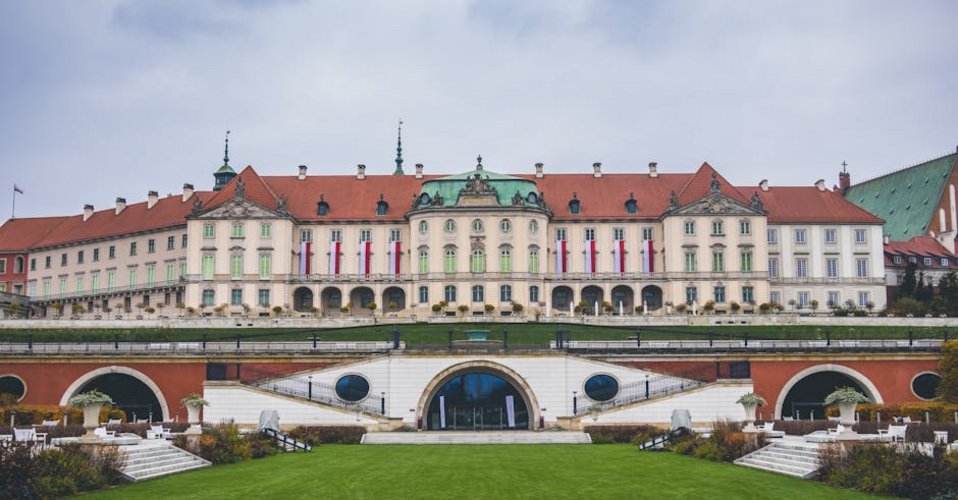
Warsaw Travel Guide: Discover Poland’s Resilient Capital
This Warsaw travel guide introduces you to a city that masterfully blends reconstructed history with vibrant modern energy. The Polish capital offers world-class museums, a dynamic culinary scene, and green spaces along the Vistula River. You will find practical advice on navigating its distinct neighborhoods, understanding its poignant past, and enjoying its contemporary culture.
Essential Warsaw Information
Warsaw serves as Poland’s political, economic, and cultural heart. Its location in central-eastern Europe makes it a key hub for exploring the wider region. The city’s current population exceeds 1.7 million people, creating a bustling metropolitan atmosphere.
The city’s 20th-century history is profoundly marked by World War II and the Warsaw Uprising. Approximately 85% of the city center was destroyed during the conflict. The meticulous postwar reconstruction of the Old Town, now a UNESCO site, stands as a symbol of national resilience.
Warsaw experiences a humid continental climate with distinct seasons. Summers are warm, with July highs averaging 75°F (24°C). Winters are cold and gray, with January temperatures often dropping to 30°F (-1°C). Spring and autumn provide pleasant, mild weather for exploration.
Key Details to Know Before You Go
Understanding a few basics will enhance your visit to this Central European destination.
- The official currency is the Polish złoty (PLN), not the Euro. While credit cards are widely accepted, keep some local cash for small shops and markets. Exchange offices (kantors) in the city center typically offer fair rates.
- Poland is part of the Schengen Area. U.S., Canadian, and UK citizens can visit visa-free for up to 90 days within a 180-day period. Always ensure your passport is valid for at least three months beyond your planned departure date.
- The primary language is Polish, but English is commonly spoken by younger generations and within the tourism and service industries, especially in the city center. Learning basic Polish phrases like “dzień dobry” (good day) is appreciated.
- Budget: Expect $50-70 per day. Stay in hostels or budget apartments in Praga, use public transport (a 3-day pass costs ~$10), eat at milk bars (bar mleczny) for traditional meals under $5, and focus on free attractions like parks and city walks.
- Mid-Range: Plan for $100-150 per day. This allows for 3-4 star hotels in Śródmieście, meals at good casual restaurants, taxi/Uber rides, and entry to major paid museums like POLIN and the Warsaw Uprising Museum (~$10 each).
- Luxury: Budget $250+ per day. This covers 5-star hotels like the Raffles Europejski or Hotel Bristol, fine dining at venues like Nolita or Atelier Amaro, private guided tours, and chauffeur services. Premium experiences include opera tickets or spa treatments.
- Polish Tourism Organization
- Official Warsaw Tourist Office
- In Your Pocket Warsaw City Guide
Navigating the City Layout
Warsaw is divided by the Vistula River. The left bank contains the main commercial and historical districts. The right bank, known as Praga, is a rapidly developing area with a more alternative, gritty vibe. Each district possesses a unique character and history.
Śródmieście is the central downtown district, home to major business centers, the Palace of Culture, and main shopping streets. The Old Town (Stare Miasto) and New Town (Nowe Miasto) are the meticulously reconstructed historic cores. These areas are best explored on foot to appreciate their charm.
Local Customs and Etiquette
Poles generally value formality in initial greetings. A firm handshake with direct eye contact is standard. Use titles like “Pan” (Mr.) and “Pani” (Mrs./Ms.) with surnames until invited to use first names. This shows respect in business and formal social settings.
Tipping is customary in restaurants, cafes, and for taxi drivers. A tip of 10-15% is standard for good service. Simply tell the server the total amount you wish to pay when settling the bill. Rounding up the fare is common for taxi drivers.
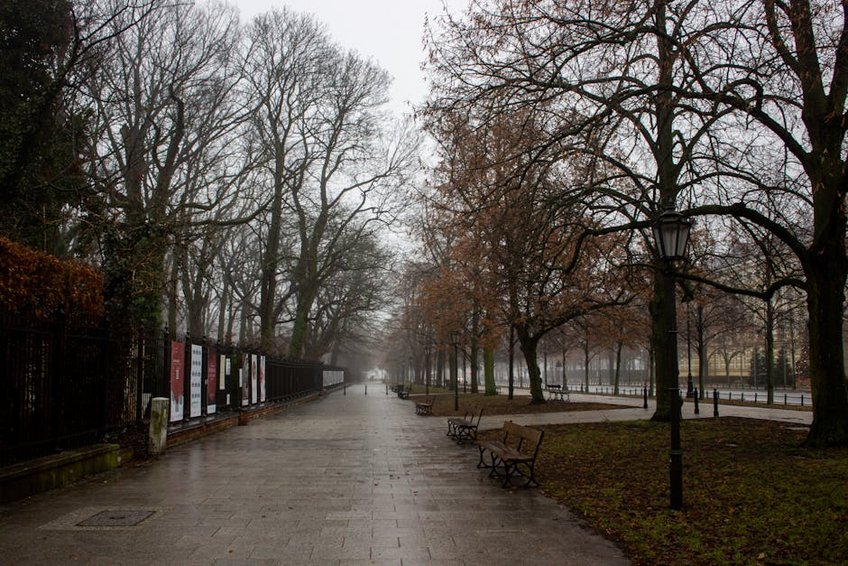
Alt: “warsaw-old-town-square-reconstructed-buildings-unesco”
Warsaw Travel Guide – Planning Your Trip
Creating a successful itinerary for the Polish capital requires understanding seasonal highlights and logistical details. Your Warsaw travel guide plan should balance historical sightseeing with contemporary experiences. Allocate time for both the museum trail and casual neighborhood exploration.
The ideal duration for a first visit is three to four full days. This allows for a thorough exploration of the Old and New Towns, several key museums, a day trip possibility, and time to enjoy the food scene. For a weekend visit, focus on the historic center and one major museum.
Booking accommodations three to four months in advance is wise for summer visits or during major events. The city offers excellent public transport, so choose a hotel near a metro station for maximum flexibility. Consider purchasing a Warsaw Tourist Card for bundled entry and transport.
Best Time to Visit Warsaw
Visit Warsaw between May and September for the most reliably pleasant weather. Daytime temperatures range from 65°F to 75°F (18°C to 24°C) with long hours of daylight. This is peak festival season, with outdoor events, cafe terraces, and riverbank activities in full swing.
Late September through October offers beautiful autumn colors in Łazienki Park and fewer crowds, with cool temperatures between 50°F and 60°F (10°C to 15°C). December is magical for its Christmas markets, despite the cold averaging 34°F (1°C). Spring (April-May) brings blooming parks and mild weather.
Budget Planning and Costs
Daily costs vary significantly based on your travel style. Warsaw remains more affordable than many Western European capitals.
Essential Preparation Checklist
Pack for variable weather, even in summer. Include layers, a waterproof jacket, and comfortable walking shoes. Winters require a heavy coat, insulated boots, hat, gloves, and scarf. A universal power adapter (Type E plugs, 230V) is necessary for European electronics.
Ensure you have valid travel insurance covering medical emergencies. Download useful apps: Jakdojade for public transport routes and tickets, Google Translate for Polish menus, and the official Warsaw Tourism app for maps and event listings. Book popular museum tickets online in advance to skip queues.
Top Attractions and Cultural Sites
The Polish capital’s attractions powerfully narrate its history of destruction and rebirth. You must visit the Royal Castle and the Warsaw Uprising Museum to grasp the city’s spirit. These sites provide essential context for understanding the modern metropolis you see today.
Beyond the must-see historical landmarks, Warsaw offers beautiful parks, cutting-edge architecture, and vibrant nightlife. Allocate time to simply wander the different districts. The contrast between the reconstructed Old Town and the communist-era architecture of the Palace of Culture is striking.
Must-See Historical Landmarks
The Royal Castle, reconstructed in the 1980s, symbolizes national identity. Its interiors are lavish, and the castle square is a central gathering point. Nearby, the Old Town Market Place, with its colorful tenement houses and the Warsaw Mermaid statue, feels timeless despite being rebuilt after 1945.
The POLIN Museum of the History of Polish Jews is a world-class institution. Its stunning architecture houses an immersive, interactive core exhibition. The Warsaw Uprising Museum uses multimedia displays to tell the harrowing 63-day story of the 1944 insurrection. Both require at least 2-3 hours each.
Łazienki Park is a stunning 18th-century royal park. Visit on a Sunday in summer for the free Chopin piano concerts at the monument. The Palace on the Isle, amphitheater, and peacocks roaming freely make it a perfect escape. The Wilanów Palace, known as the “Polish Versailles,” is a magnificent Baroque residence with beautiful gardens.
Hidden Gems and Local Favorites
Explore the Praga district across the Vistula River. This area, largely untouched during the war, has authentic pre-war architecture and a burgeoning arts scene. Visit the Neon Museum, housed in a former electronics factory, to see a unique collection of Cold War-era signage.
For a unique skyline view, head to the library rooftop garden at the University of Warsaw Library. It’s a lush, quiet oasis high above the city. The Copernicus Science Center, while popular with families, has fascinating interactive exhibits for all ages and offers a great view from its riverside terrace.
Arts and Contemporary Culture
Warsaw’s contemporary art scene thrives. The Zachęta National Gallery of Art showcases modern Polish art. The Ujazdowski Castle Centre for Contemporary Art hosts avant-garde exhibitions. For performing arts, the Grand Theatre–National Opera and the National Philharmonic offer world-class ballet, opera, and classical music.
The city’s nightlife is centered around Nowy Świat, Mazowiecka Street, and the waterfront clubs (baranki) in summer. For a more local experience, seek out underground bars and music venues in the Powiśle or Praga districts. The city has a vibrant jazz and electronic music scene.
Practical Travel and Logistics
Getting around this Vistula River city is straightforward thanks to an efficient integrated public transport system. It includes metro, trams, and buses. Purchase a timed ticket (20-minute, 75-minute, 24-hour, or 72-hour) from vending machines, kiosks, or via the Jakdojade app. Tickets are valid on all modes of transport.
Taxis are plentiful but ensure you use reputable companies like Ele Taxi or order via the Bolt or Uber apps for transparent pricing. For sightseeing, walking is best in the compact Old Town and along the Royal Route. Consider renting a city bike (Veturilo) for exploring the extensive paths along the river.
| Accommodation Area | Best For & Highlights | Average Nightly Price (USD) |
|---|---|---|
| Old Town / Nowe Miasto | First-time visitors, historic ambiance, walkable to major sights, charming squares. | $90 – $180+ |
| Śródmieście (City Center) | Business travelers, shopping, main transport hub, modern hotels, nightlife. | $70 – $160 |
| Powiśle | Trendy travelers, riverside cafes, close to University and Copernicus Center, creative vibe. | $80 – $150 |
| Praga | Budget travelers, alternative culture, authentic pre-war architecture, emerging art scene. | $50 – $100 |