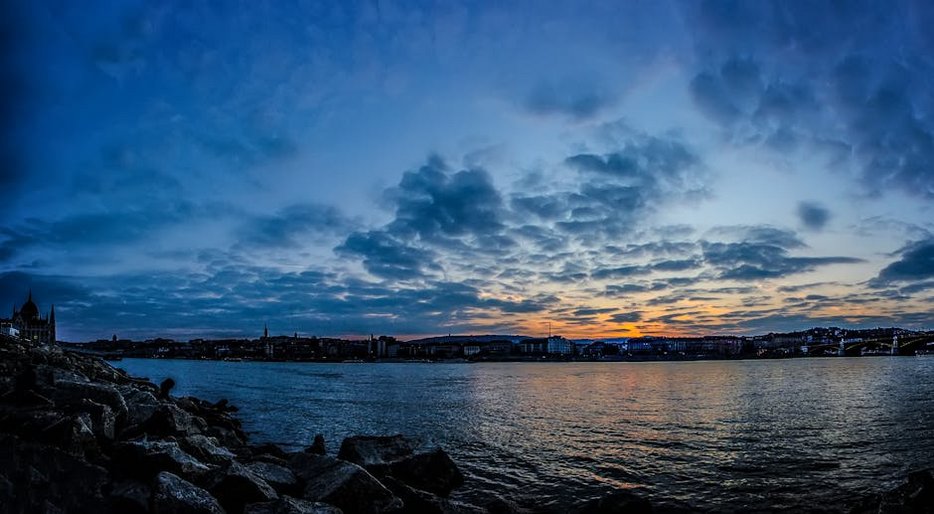
Budapest Walking Route: Best Places to See on Foot
Exploring Budapest on foot reveals its architectural grandeur and vibrant culture along cohesive pedestrian pathways. Your walking route for the best places to see connects historic castles with thermal baths and bustling markets across the Danube. This guide details a comprehensive itinerary, seasonal timing, budgeting, and cultural tips for a self-guided adventure.
Essential Budapest Walking Information
Budapest formed through the 1873 merger of Buda, Óbuda, and Pest across the Danube River. The city’s layout favors walkers with distinct districts connected by bridges and riverfront promenades. You will navigate flat Pest and hilly Buda, each offering unique sights and experiences.
Distances between major attractions remain manageable, often under 30 minutes on foot. The city prioritizes pedestrians in central zones, with limited vehicle access in historic areas. Spring and autumn provide ideal walking conditions with mild temperatures and fewer crowds.
What You Need to Know Before Walking
Prepare for varied terrain and cultural sites with these key points.
- Currency is the Hungarian Forint (HUF), but euros are sometimes accepted; always carry some cash for small vendors and market stalls.
- Comfortable walking shoes are non-negotiable due to cobblestone streets and hills in the Castle District, which can be slippery when wet.
- Purchase a Budapest Card for 24, 48, or 72 hours if using public transport extensively; it includes free entry to some museums and baths.
- Budget travel costs $50-$70 daily, covering hostel dorms, market meals, free walking tours, and public transport passes; focus on exterior sightseeing and picnic lunches.
- Mid-range travel runs $100-$150 daily, including boutique hotel stays, restaurant dinners, paid museum entries, and a thermal bath visit; this offers the best value for comfort and access.
- Luxury travel exceeds $250 daily, featuring five-star hotels, fine dining, private guided tours, and spa treatments; enjoy prime locations and skip-the-line privileges at attractions.
- Official Budapest Tourist Information
- Wikitravel Budapest Guide
- Budapest Public Transport (BKK)
Key Historical and Cultural Context
Budapest’s architecture showcases Ottoman, Austro-Hungarian, and modern influences across its neighborhoods. The Chain Bridge, completed in 1849, symbolizes the city’s unification and resilience. You will see evidence of World War II and the 1956 Revolution throughout the urban landscape.
Thermal bath culture dates back to Roman times, with Turkish-built baths still operating today. The Jewish Quarter holds poignant Holocaust memorials alongside ruin bars in pre-war buildings. Understanding this layers your walking experience with deeper appreciation.
Budapest’s Pedestrian-Friendly Infrastructure
The city maintains extensive pedestrian zones, particularly in District V and along the Danube embankments. Crosswalks and traffic signals are generally respected by drivers, but always stay alert. Free public restrooms are rare; use facilities in cafes or museums.
Drinking fountains are available in major parks like Margaret Island and City Park. Most sidewalks are well-paved, but watch for uneven surfaces in older quarters. Street signage includes English translations for major landmarks.
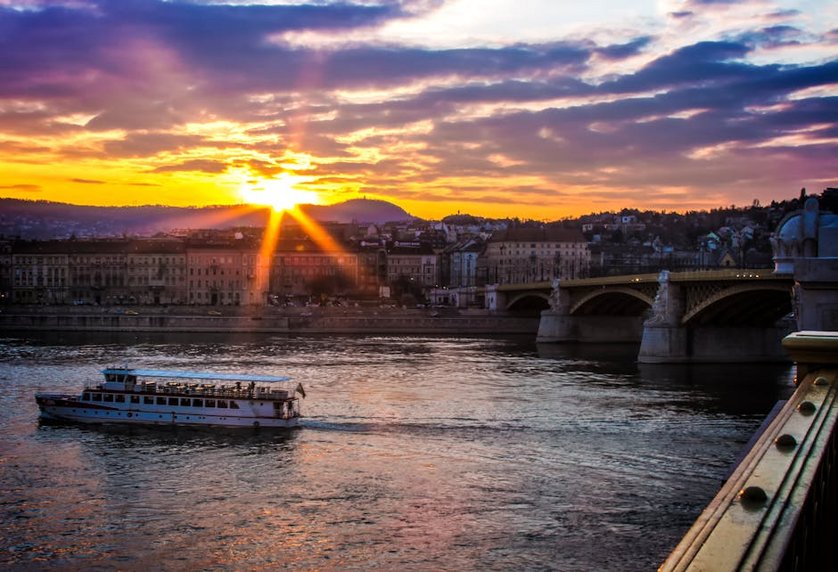
Alt: “budapest-danube-river-walking-path-chain-bridge-view”
Walking Route: Best Places to See in Budapest – Planning Your Trip
Your walking route for the best places to see spans two full days minimum to cover both Buda and Pest thoroughly. Day one focuses on Pest’s political and commercial heart, while day two explores Buda’s royal history and panoramic views. Allocate a third day for deeper neighborhood exploration or thermal bath relaxation.
This pedestrian itinerary minimizes backtracking by following geographic logic and opening hours. Start early at 9 AM to enter popular sites before tour groups arrive. Wear layers, as temperatures can shift between sunny riverbanks and shaded castle corridors.
Carry a refillable water bottle and download an offline map like Maps.me. The route assumes good mobility, but public transport options exist for hillier sections. Your walking success depends on comfortable footwear and realistic daily distance goals.
Best Time to Visit Budapest for Walking
Visit Budapest between April and June or September and October for optimal walking weather. Daytime temperatures range from 60°F to 75°F (15°C to 24°C) with lower humidity and minimal rainfall. Crowds are moderate, and accommodation prices sit below peak summer rates.
July and August see highs up to 86°F (30°C), making afternoon walks strenuous; schedule indoor visits then. November through March offers fewer tourists but cold temps from 30°F to 40°F (-1°C to 4°C). Winter walks require thermal gear, though Christmas markets add festive charm.
Budget Planning and Costs
Budget categories vary based on comfort and dining preferences.
Essential Preparation Checklist
Pack broken-in walking shoes, moisture-wicking socks, a lightweight rain jacket, and a daypack. Include a power bank, European plug adapter (Type C/F), and a reusable water bottle. Dress in layers for variable indoor and outdoor temperatures across different sites.
Ensure your passport is valid for three months beyond your stay; U.S. and EU citizens need no visa for up to 90 days. Purchase travel insurance covering medical emergencies and trip interruptions. Book accommodations and popular baths like Széchenyi at least two months ahead for peak seasons.
Top Attractions and Walking Highlights
This pedestrian route connects iconic landmarks with local favorites across Budapest’s most scenic districts. You will witness Parliament’s Gothic revival architecture, Castle Hill’s medieval streets, and the Danube’s sweeping views. Each stop offers photo opportunities and cultural insights within short walking intervals.
Pace yourself with café breaks and bench rests along the river. Many attractions have free entry on national holidays or specific weekdays; check websites. The following sections detail must-see sites and hidden gems along the logical path.
Must-See Highlights on Your Walk
Start at Hungarian Parliament Building, touring the interior early with pre-booked tickets costing $20-$25. Walk along the Danube to Shoes on the Danube Bank memorial, a poignant Holocaust tribute. Cross Chain Bridge to reach Buda Castle Funicular, ascending for $5 to Castle Hill.
Explore Matthias Church and Fisherman’s Bastion, where terrace fees run $8-$12 for panoramic photos. Descend through historic streets to Gellért Hill for city views. Conclude at Central Market Hall for souvenirs and snacks before sunset. This core route covers 5-6 miles over 8 hours.
Hidden Gems and Local Favorites
Discover the Hospital in the Rock nuclear bunker museum near Castle Hill, often overlooked by tourists. Stroll through the University of Technology’s architectural courtyard in Pest. Find quiet courtyards in the Jewish Quarter beyond the bustling ruin bars.
Visit the Flipper Museum, a nostalgic pinball gallery, for interactive fun. Walk the Kopaszi Dam park for locals-only greenery and Danube vistas. These spots add unique layers without extending your daily mileage significantly.
Danube Riverside Walk Details
The Danube Promenade extends from Parliament to Elizabeth Bridge, offering flat, scenic walking. You will pass permanent art installations and historical markers explaining riverfront development. Evening walks provide illuminated views of Buda Castle and Parliament.
Consider a short river cruise for perspective; basic day tours cost $15-$20. The path is well-lit and safe at night, with frequent benches. Combine this with Margaret Island access via bridge for a longer nature-focused stroll.
Practical Travel Information for Budapest Walkers
Budapest’s efficient public transport supplements walking for longer distances or tired feet. The BKK system includes metros, trams, and buses with single tickets at $1.20 or day passes for $5.50. Taxis and ride-shares like Bolt are affordable for quick hill ascents.
Accommodations cluster in District V for Pest access or District I for Buda proximity. Book hotels with breakfast to fuel morning walks. Most central areas have excellent English signage and tourist information points.
| Category | Options/Features | Price Range (USD) |
|---|---|---|
| Budget Accommodation | Hostels in Jewish Quarter, shared dorms, free walking tours, social atmosphere | $20-$40 per night |
| Mid-Range Hotels | Boutique hotels in District V, private baths, breakfast included, central location | $80-$130 per night |
| Luxury Stays | Five-star hotels along Danube, spa facilities, river views, concierge services | $200-$350 per night |
| Dining (Per Person) | Market stalls, casual bistros, traditional restaurants, fine dining with wine | $8-$50 per meal |