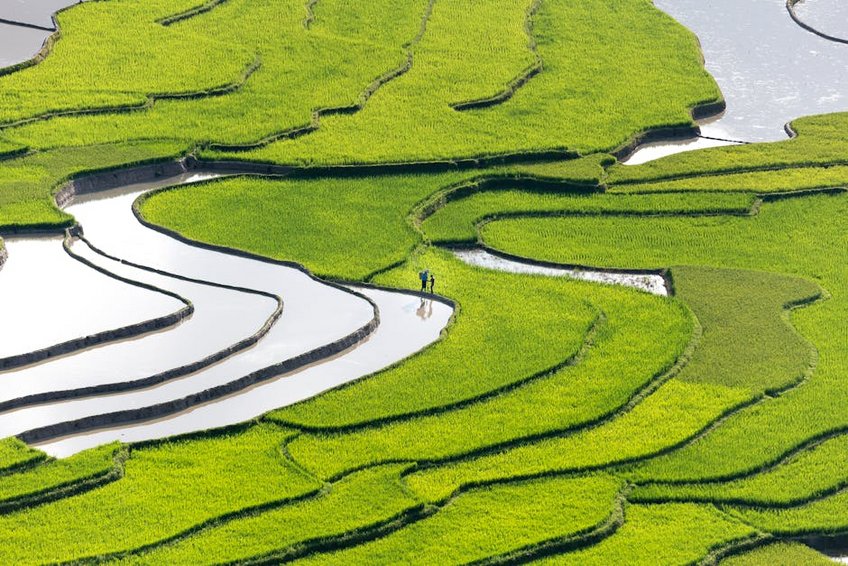
Vietnam Sapa Rice Terraces Best Season
Deciding the optimal time to see the Vietnam Sapa rice terraces shapes your entire trip experience. The best season for viewing the cascading green fields typically falls between late August and early October, when the paddies transition to a vibrant golden yellow before the harvest. Understanding the distinct weather patterns and agricultural cycles in this mountainous region ensures you witness the most photogenic and culturally rich moments.
Essential Information on Sapa’s Terraces
Sapa’s terraced landscapes are a masterpiece of human ingenuity and natural beauty carved into the Hoàng Liên Son mountain range. The H’mong and Dao ethnic minority communities have maintained this intricate farming system for generations. Their sustainable techniques prevent erosion while creating the region’s iconic visual tapestry.
Located in northern Vietnam’s Lào Cai Province, the terraces climb slopes as high as 1,600 meters (5,250 feet). This elevation creates a unique microclimate distinct from the rest of the country. Consequently, temperatures can be surprisingly cool, averaging 15-20°C (59-68°F) even during summer months.
Understanding the Agricultural Cycle
The scenery changes dramatically based on the rice growing phases. These phases directly dictate the visual appeal for visitors each month.
- Water Pouring Season (May-June): Farmers flood the terraces, creating stunning mirror-like reflections of the sky and clouds.
- Green Season (July-August): Young rice shoots blanket the mountains in a lush, vibrant green, offering a classic landscape view.
- Yellow Season (September-October): The rice matures to a golden yellow, providing the most iconic and photogenic vista before the harvest.
- Harvest & Fallow Season (November-April): After harvest, the fields are brown and resting, with some being prepared for the next cycle.
- Budget Traveler ($30-50/day): Includes overnight bus from Hanoi ($15-25), dormitory hostel or basic homestay ($5-10/night), self-guided village walks, and local market meals. Perfect for backpackers and solo travelers.
- Mid-Range Traveler ($80-120/day): Covers a comfortable sleeper train cabin from Hanoi ($35-50), a private room in a 3-star Sapa hotel or upgraded homestay ($25-40/night), a guided 1-day trek with lunch ($25-30), and meals at good local restaurants.
- Luxury Traveler ($200+/day): Encompasses private car transfer from Hanoi ($150+), a suite at a top resort like Topas Ecolodge ($150-300/night), private guided multi-day treks with porter service ($70-100/day), and all-inclusive culinary experiences.
- Vietnam Tourism Official Website
- Lonely Planet Sapa Travel Guide
Key Geographic and Cultural Details
The town of Sapa acts as the primary gateway, but the most impressive terraces are in surrounding villages. Top areas include Mường Hoa Valley, Cat Cat Village, and the more remote Tả Văn and Tả Phìn communes. Each offers a slightly different perspective and cultural interaction.
Visiting these areas supports the local ethnic communities directly. Many families offer homestays, providing authentic cultural immersion. This interaction offers deeper insight into the labor-intensive process behind the beautiful landscapes you’ve come to see.
Climate and Weather Patterns
Sapa experiences a subtropical highland climate with distinct wet and dry seasons. The rainy season runs from May to September, bringing frequent afternoon showers that keep the landscape lush. Meanwhile, the dry season from October to late April sees clearer skies but cooler temperatures, sometimes dropping near freezing in December and January.
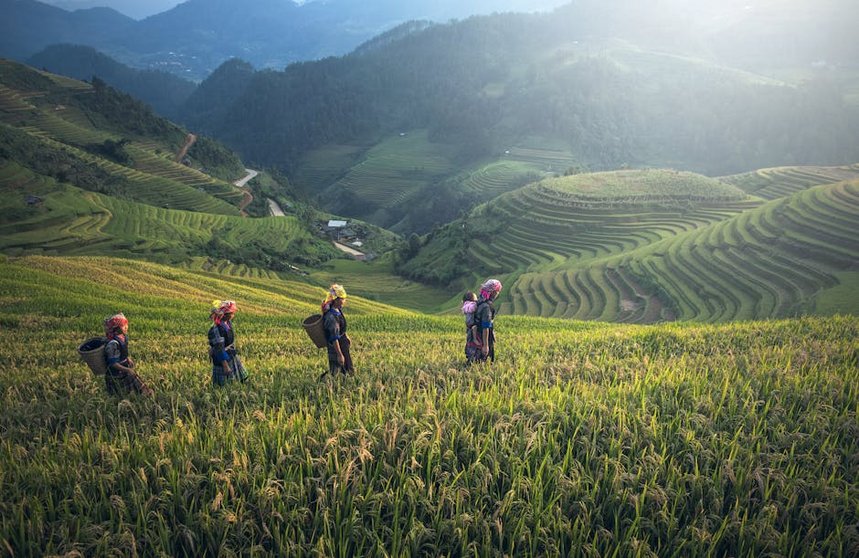
Alt: “sapa-rice-terraces-golden-yellow-harvest-season-mountains”
Vietnam Sapa Rice Terraces Best Season – Planning Your Trip
Your choice of season for a Sapa terraces visit hinges on what you want to experience visually and culturally. For the quintessential golden views, target late September. If you prefer lush greenery and water-filled paddies, June is ideal. Each period offers a unique balance of scenery, weather, and crowd levels that affects logistics and costs.
You should book accommodations and transport at least one month in advance for peak viewing periods. Hotels in Sapa town fill quickly, especially on weekends. For a more authentic stay, consider a homestay in a village like Lao Chai, which requires booking 2-3 weeks ahead through local tour operators.
Best Time to Visit Sapa Rice Terraces
The absolute peak season for photography and optimal viewing is late September through early October. During this window, the rice reaches full maturity, turning the mountainsides a brilliant gold under clear autumn skies. Daytime temperatures are pleasant, ranging from 18-24°C (64-75°F). However, this is also the busiest time, so expect more tourists on popular trails.
Shoulder seasons provide excellent alternatives with fewer visitors. Late May to June showcases the “water mirror” effect with fewer crowds. Early March features plum and peach blossoms around the terraces. Avoid late October through November, as the fields are often harvested and left bare, diminishing the scenic impact.
Budget Planning and Costs
A trip to see the terraces can suit various budgets, with costs centered on transport from Hanoi, accommodation, and guided treks.
Essential Preparation Checklist
Packing correctly is crucial for the variable mountain weather. Essential items include broken-in waterproof hiking boots, layered clothing (thermal base, fleece, waterproof jacket), a daypack, sunscreen, and insect repellent. For photography, bring a wide-angle lens, a polarizing filter to cut glare, and extra batteries.
Ensure your travel insurance covers hiking and potential motorbike taxi rides. Most Western passport holders do not need a visa for stays under 15 days; for longer visits, arrange an e-visa online. Book your Hanoi-Sapa transport early, as sleeper trains sell out. Bring small Vietnamese Dong (VND) notes for village purchases.
Top Attractions and Terraces Viewpoints
While the entire region is stunning, specific locations offer the most breathtaking panoramas of the layered paddies. Trekking between these villages provides the full immersive experience. You’ll witness daily farming life and interact with local H’mong and Red Dao people along the trails.
Guided treks range from easy 2-hour walks to strenuous multi-day adventures. Independent exploration is possible with a good map, but a local guide offers invaluable cultural context. They can explain the farming techniques and translate interactions with villagers.
Must-See Highlights and Villages
The Muong Hoa Valley hosts the most famous and accessible terraces. A paved path connects Lao Chai and Ta Van villages, offering 4-5 hours of stunning walking. Entrance to the valley costs about 75,000 VND ($3 USD). Go early in the morning to avoid the midday tour groups and capture the best light.
Cat Cat Village, just 3 km from Sapa town, is the easiest to visit but can be crowded. For more secluded beauty, head to Ta Phin village, home to Red Dao communities. The terraces here are equally impressive, and the village is known for its traditional herbal baths, a perfect post-trek relaxation for about 100,000 VND ($4 USD).
Hidden Gems and Local Favorites
For a truly off-the-beaten-path experience, venture to Sin Chai village or the remote Y Linh Ho area. These locations see far fewer tourists, allowing for more intimate encounters and photography. The terraces are just as magnificent, and the homestays here are often more authentic.
Locals often recommend the tram ride to the top of Fansipan, “the Roof of Indochina.” On a clear day, the cable car offers a breathtaking aerial view of the entire terraced valley below. A round-trip ticket costs approximately 750,000 VND ($30 USD). Combine this with a visit to the Love Waterfall for a diverse day of scenery.
Trekking Routes for All Levels
Easy routes follow the main valley paths between Lao Chai and Ta Van. Moderate trails might include steeper climbs to Giang Ta Chai or through bamboo forests. Advanced multi-day treks can take you to remote villages like Ban Ho and Thanh Phu, often including overnight homestays. Always check trail conditions during the rainy season, as paths can become slippery.
Practical Travel Information
Getting to Sapa requires a journey from Hanoi, with sleeper buses and trains being the most common options. The new Hanoi-Lao Cai highway has made bus travel faster (5-6 hours), while the overnight train (8 hours) remains a classic, scenic choice. Once in Lao Cai, a 45-minute shuttle van climbs the mountains to Sapa town.
Accommodation ranges from basic hostels in town to luxurious eco-resorts perched on hillsides. For the best terrace views from your room, look for properties outside the main town center in areas like Cat Cat Hills. Booking.com and Agoda are the most reliable platforms for reserving hotels and homestays in this region.
| Accommodation Type | Best For / Features | Price Range (USD/Night) |
|---|---|---|
| Hostel / Dorm | Budget backpackers, social atmosphere, central location | $5 – $12 |
| Local Homestay | Cultural immersion, home-cooked meals, direct community support | $10 – $25 |
| Mid-Range Hotel | Comfort, balconies with views, in-town convenience | $25 – $60 |
| Eco-Lodge / Resort | Luxury, stunning isolated locations, infinity pools, spa services | $80 – $300+ |