Vietnam Hanoi Winter Season Travel Guide for Western Visitors
Vietnam Hanoi winter season travel offers a uniquely pleasant experience, distinct from the intense heat and humidity found during the rest of the year. From December through February, the city’s ancient streets are wrapped in a cool, often misty atmosphere, with average temperatures ranging from a comfortable 60°F to 70°F (16°C to 21°C). This guide provides the essential seasonal insights, from navigating the cool weather to experiencing Tet holiday festivities, ensuring your trip is both comfortable and culturally rich.
Essential Hanoi Winter Information
Hanoi’s winter, locally called the “dry season,” brings a dramatic shift from the city’s typical tropical climate. The season officially spans from December to February, though cooler days can linger into early March. This period sees significantly less rainfall compared to the sweltering summer months, making it ideal for extensive outdoor exploration and walking tours through the Old Quarter.
Historical context adds depth to a winter visit. The cooler weather was traditionally a time for preparation before the Lunar New Year, or Tet. You will notice a tangible build-up of energy and decoration as the holiday approaches in late January or February. Understanding this cultural rhythm enriches the travel experience beyond mere sightseeing.
Defining the Winter Weather
Understanding the climate is key to packing correctly. The winter months are characterized by cool, dry air and frequent overcast skies.
- December starts mild, with averages of 68°F (20°C), but nights can dip to 57°F (14°C), requiring a light jacket.
- January is the coldest month, with daytime highs around 64°F (18°C) and lows near 55°F (13°C); mist and “drizzle” (locally called “mua phun”) are common.
- February begins to warm slightly, but Tet celebrations can mean sporadic business closures; always carry a compact umbrella.
- Budget travelers can manage on $35-$50 per day by staying in hostels ($8-$15/night), eating primarily street food ($1-$3 per meal), and using public buses or walking. Entrance fees to major sites like the Ho Chi Minh Mausoleum complex or Temple of Literature cost under $5 each.
- Mid-range travelers should budget $80-$120 per day for a 3-star hotel in the Old Quarter ($40-$60/night), mixed dining, Grab bike taxis, and guided day trips to Halong Bay or Ninh Binh. A reputable Halong Bay day cruise costs between $80-$120 per person.
- Luxury visitors will spend $200+ per day for 5-star hotels like the Sofitel Legend Metropole ($200-$350/night), fine dining at restaurants like La Badiane, private car tours, and premium overnight cruises in Halong Bay, which start around $300 per person for a 2-day itinerary.
- Vietnam National Administration of Tourism
- Lonely Planet Hanoi Travel Guide
Key Cultural and Seasonal Events
The winter calendar in Hanoi is punctuated by significant cultural events. Christmas, though not a national holiday, sees the city decorated with lights, especially around St. Joseph’s Cathedral and the Hoan Kiem Lake area. Western-style celebrations are popular in cafes and restaurants, offering a festive blend of cultures during your visit.
Without a doubt, Tet Nguyen Dan (Lunar New Year) is the season’s pinnacle event. The exact date shifts between late January and mid-February. The week of Tet itself sees a massive migration as locals travel home, with many stores and museums closing for 3-5 days. Witnessing the pre-Tet flower markets on Quang An Street or Hung Vuong Plaza is an unforgettable highlight of cold season travel.
Pros and Cons of a Winter Visit
Choosing this season comes with clear advantages and a few considerations. The pleasant weather is the top benefit, allowing for full days of exploration without the exhausting heat. Airfare and accommodation prices are generally at their peak, however, so booking 3-4 months in advance is crucial for securing good value.
On the other hand, the persistent gray skies and lack of blue sunshine can disappoint travelers expecting stereotypical Southeast Asian weather. Air pollution levels can also be higher in the winter months. Packing a pollution mask alongside your warm layers is a practical precaution for sensitive individuals.
Alt: “hanoi-old-quarter-winter-mist-cyclo-ride”
Vietnam Hanoi Winter Season Travel – Planning Your Trip
Successfully planning your Hanoi winter trip hinges on timing and preparedness. You must book flights and central hotels at least three months in advance, particularly if your dates overlap with Christmas, New Year’s Eve, or Tet. This period is the most popular for international tourists and domestic travelers alike, leading to limited availability and higher prices for the best-located accommodations.
Your packing list should focus on versatile layering. Think thermal base layers, a quality fleece or down jacket, a waterproof windbreaker, and a warm hat. While daytime feels mild, the lack of central heating in most buildings means restaurants and cafes can feel chilly. Comfortable, waterproof walking shoes are non-negotiable for navigating the city’s sidewalks and historic sites in potentially damp conditions.
Budgeting requires a tiered approach. While street food remains incredibly affordable, expect to pay premium rates for hotels in the French Quarter or near Hoan Kiem Lake. Allocating funds for indoor cultural experiences, like water puppet shows or museum visits, provides excellent rainy-day alternatives during your Vietnam Hanoi winter season travel.
Best Time to Visit Hanoi in Winter
For the ideal balance of weather and crowd management, target the first two weeks of December. Temperatures are comfortably cool, averaging 65°F (18°C), and the major holiday crowds have not yet arrived. This window offers clear sightseeing opportunities and easier restaurant reservations. The festive Christmas decorations also begin to appear, adding a charming vibe to the cityscape.
If experiencing Tet is your goal, plan to arrive 5-7 days before the New Year’s Eve. This lets you soak up the vibrant pre-festival markets and decorations. Be prepared for rising prices and book every element of your trip—including internal transport—well ahead of time. Note that the actual Tet holiday period is quiet, with many venues closed, so it’s better for atmospheric observation than active tourism.
Budget Planning and Costs
Daily costs vary widely based on your travel style during the cool season.
Essential Preparation Checklist
Before you depart, secure your eVisa online through the official Vietnam Immigration Portal, as visa-on-arrival letters require flying into specific airports. Purchase comprehensive travel insurance that covers trip delays, which are more common in winter due to regional fog. Ensure your routine vaccinations are up-to-date and consider getting a flu shot, as colds circulate in the cooler, crowded air.
Pack smart with moisture-wicking base layers, a packable down jacket, and a scarf. Download essential apps: Grab for transport, Google Translate (download Vietnamese offline), and AirVisual to monitor air quality. Notify your bank of your travel plans and carry a mix of USD for exchange and a Visa/Mastercard with no foreign transaction fees for larger purchases.
Top Attractions and Winter Activities
Hanoi’s cultural heartbeat is best felt in the cooler months. The weather is perfect for spending hours wandering the 36 streets of the Old Quarter, where each alleyway is named for its historical trade. The absence of intense heat makes exploring the vast grounds of the Temple of Literature, Vietnam’s first national university, a genuinely pleasant historical journey. You can appreciate its pavilions and stone steles without seeking constant shade.
Winter also brings unique seasonal flavors. This is the best time to try hearty Hanoi specialties like “pho ga” (chicken pho) or “bun ca” (fish noodle soup), which are particularly comforting in the crisp air. Street food stalls serving grilled sweet potatoes and chestnuts appear on corners, offering warm, aromatic snacks as you explore. These simple pleasures define the cold season experience.
Must-See Highlights in the Cool Weather
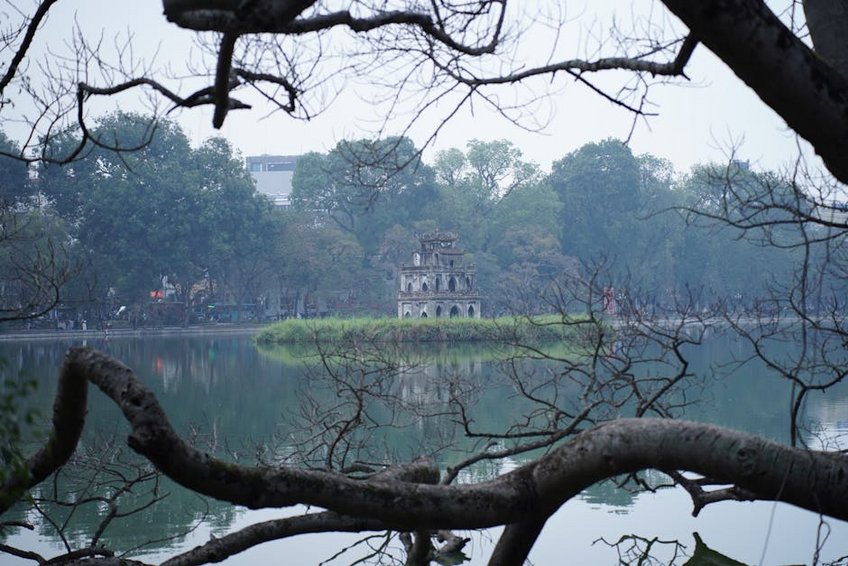
Start at Hoan Kiem Lake and Ngoc Son Temple in the early morning to see locals practicing tai chi against the misty backdrop—it’s a serene, photogenic scene. Visit the Ho Chi Minh Mausoleum complex; the cooler temperatures make waiting in the orderly line to see the preserved leader more tolerable. Note that the mausoleum is closed on Mondays and Fridays and often closes for maintenance in October and November.
The Vietnam Museum of Ethnology, located slightly outside the center, is a superb indoor activity for a chilly or drizzly day. Its extensive indoor and outdoor exhibits detailing the country’s 54 ethnic groups are engaging and educational. For a memorable evening, book tickets for the Thang Long Water Puppet Theatre; this traditional art form originating from the Red River Delta rice fields is a captivating spectacle.
Hidden Gems and Local Favorites
Escape the central tourist track by visiting Long Bien Bridge, a historical cantilever bridge designed by Gustave Eiffel’s firm. Walking across the rusted span offers dramatic views of the Red River and local life, especially at sunrise. For a truly local experience, join the evening exercise crowds at Lenin Park or around West Lake, where the cool air fills with community energy.
Seek out the quiet Bach Ma Temple in the heart of the Old Quarter, considered the oldest temple in Hanoi. For coffee lovers, the hidden “cafe apartments” at 49 Hai Ba Trung Street house multiple tiny, themed coffee shops in a Soviet-era apartment block—a perfect spot to warm up. These spots offer authentic glimpses of city life away from the main tourist circuits.
Day Trips from Hanoi in Winter
Winter is an excellent time for day trips, as the cooler northern climate extends to the surrounding countryside. The UNESCO World Heritage site of Halong Bay is less humid, though sea mist can create an ethereal, mysterious atmosphere over the limestone karsts. Choose a reputable day cruise operator that includes kayaking or a cave visit to make the most of the journey.
Alternatively, head to Ninh Binh province, often called “Halong Bay on Land.” The rowboat tours through the Trang An or Tam Coc river systems, paddled by local women with their feet, are far more comfortable in 70°F (21°C) weather than in summer’s extreme heat. The panoramic view from the peak of Mua Cave is stunning and more achievable in the cool air. Both destinations are roughly a two-hour drive from central Hanoi.
Practical Winter Travel Information
Navigating Hanoi in winter requires specific logistical knowledge. Transportation apps like Grab are indispensable for booking taxis or motorbike rides without haggling in the cold. While cyclos (pedicabs) offer a romantic tour of the Old Quarter, negotiate the price firmly before getting in and have a route in mind. For longer distances, the modern Hanoi Metro Line 2A connects Cat Linh (near the city center) to Ha Dong, offering a warm, reliable alternative to street traffic.
Accommodation strategy is key. Opt for hotels in the Old Quarter, French Quarter, or around West Lake for the best access to dining and sights. Crucially, check if your hotel room has a heating unit or only air conditioning, as the latter only provides cool air. Many boutique hotels offer rooms with portable heaters upon request, which can make a significant comfort difference during the coldest nights.
| Accommodation Type | Best Areas & Features | Winter Price Range (USD/night) |
|---|---|---|
| Hostels & Guesthouses | Old Quarter, social vibe, basic heating | $8 – $20 |
| Mid-Range Hotels | French Quarter, near Hoan Kiem Lake, often include breakfast | $40 – $80 |
| Boutique Hotels | West Lake or quieter Old Quarter alleys, stylish design, better heating | $80 – $150 |
| Luxury Hotels | French Quarter (Sofitel Metropole), top-tier service, central heating, pools | $200 – $400+ |