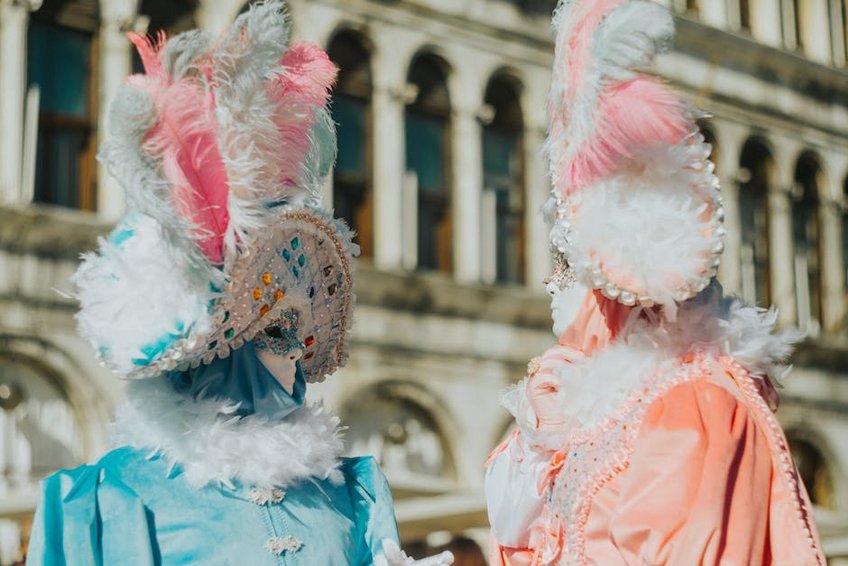
Venice Carnival Mask Festival: A Guide to the Historic Celebration
Attending the Venice Carnival Mask Festival offers a unique immersion into a centuries-old tradition of artistic expression and masked revelry. This world-famous event transforms the city’s canals and piazzas into a living theater of elaborate costumes, historical reenactments, and vibrant public parties. Your guide covers essential planning, must-see events, mask etiquette, and practical tips for navigating this spectacular winter celebration in Italy’s floating city.
Essential Venice Carnival Information
The Carnevale di Venezia has origins dating to the 12th century, evolving from a period of sanctioned social leveling before Lent into a global cultural phenomenon. The festival typically occurs in the weeks leading up to Ash Wednesday, with dates shifting annually based on the liturgical calendar. Official events are coordinated by the city’s tourism board, but spontaneous celebrations fill every corner.
Modern attendees experience a blend of ticketed gala balls, free public performances, and incredible people-watching. The core spirit revolves around the art of the mask, a symbol of anonymity and temporary freedom from social constraints. Understanding this history enriches the visual spectacle unfolding throughout Venice’s iconic districts.
Historical Significance and Origins
The tradition’s roots are deep within Venetian society’s structure.
- The festival provided a sanctioned outlet for all classes to mingle anonymously, with mask-wearing allowing temporary freedom from strict social hierarchies during the Republic’s peak.
- After a long ban following the fall of the Venetian Republic, the Carnival was officially revived in 1979 to revitalize Venetian culture and tourism during the quiet winter season.
- Today, it serves as both a major tourist attraction and a passionate point of local cultural pride, with Venetian families often possessing heirloom costumes.
- Budget: $1,200-$2,000 per person for 4 days. Stay in Mestre on the mainland, use public transport, enjoy free public events, eat at bacari (wine bars), and forego gala balls.
- Mid-Range: $2,500-$4,000 per person. Stay in a 3-star hotel in Cannaregio or Dorsoduro, attend one official event like a concert, dine at mid-range trattorias, and buy a mid-priced artisan mask.
- Luxury: $5,000+ per person. Book a 4-star canal-view hotel in San Marco, secure tickets for the exclusive Il Ballo del Doge ball, enjoy fine dining, and commission a custom costume from an atelier.
- Carnevale di Venezia Official Website
- Venezia Unica City Tourism Portal
Key Dates and Event Structure
The festival schedule is packed with both official and unofficial happenings. The opening weekend usually features the “Festa delle Marie” parade, a historical procession commemorating a ancient tradition. Core event dates are announced about a year in advance on the official Venezia Unica website.
The final weekend crescendos with the Flight of the Angel from St. Mark’s Bell Tower and the grand masked ball. Most events cluster in the afternoons and evenings, allowing mornings for exploration and mask shopping. Always check the official program, as specific event times and locations can change.
Understanding Mask Types and Symbolism
Not all Venetian masks are created equal. Traditional “maschere nobili” like the Bauta or the Moretta were designed for full anonymity and worn during the historic Carnival period. The Medico della Pesta, with its long beak, originates from plague doctors and is now a popular festival icon.
Authentic, hand-crafted papier-mâché masks from local artisans (“mascareri”) are more expensive but represent true craftsmanship. Mass-produced versions are widely available but lack the artistic detail and cultural authenticity. Knowing the difference enhances your appreciation and supports local artists.
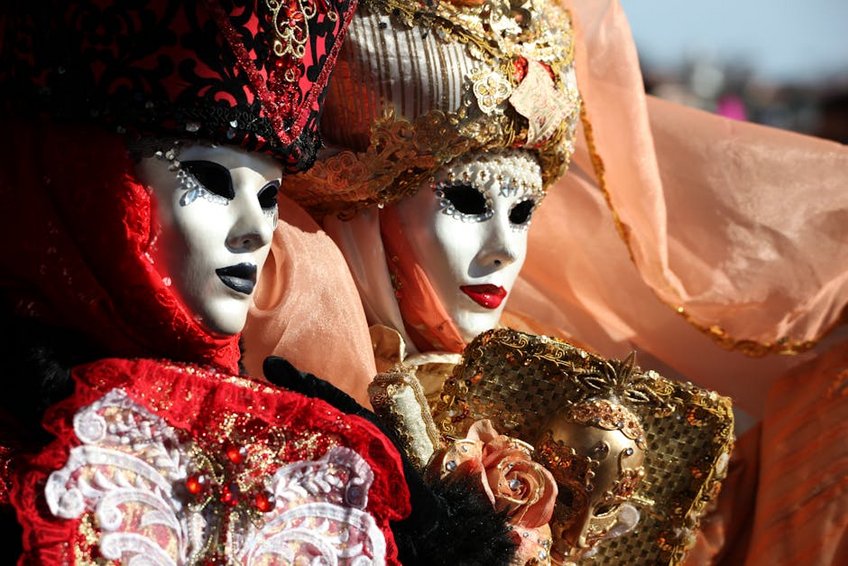
Alt: “venetian-carnival-mask-elaborate-costume-st-mark-square”
Planning Your Venice Carnival Mask Festival
Organizing a trip for the Venice Carnival Mask Festival requires early action and strategic choices. This period is the city’s absolute peak tourist season, rivaling summer crowds. Accommodation within the historic center books completely six to nine months in advance, with prices doubling or tripling. A successful visit balances scheduled events with ample time for wandering and soaking in the magical atmosphere.
Your budget must account for premium prices for lodging, food, and any ticketed events. Prioritize what matters most: a lavish ball ticket, a central hotel location, or a custom-made mask. Booking flights, hotels, and key event tickets as early as possible is the single most important factor for a smooth experience. Flexibility is lower during this crowded period.
Best Time to Visit for the Carnival
The absolute peak occurs during the final week, especially the weekend before Ash Wednesday. This period offers the most events and the highest energy, but also maximum crowds and prices. For a slightly less intense atmosphere, consider the opening weekend or the middle week of the festival.
Weather in February is cold and damp, with average temperatures between 35-48°F (2-9°C). Fog is common and can enhance the mysterious ambiance. Packing waterproof boots, warm layers, and a good coat is non-negotiable. The chance of “acqua alta” (high water) is also present, so check tide forecasts.
Budget Planning and Costs
Costs vary dramatically based on your choices for lodging and events.
Essential Preparation Checklist
Secure your accommodation immediately after dates are announced. Book flights to Marco Polo Airport (VCE) or Treviso Airport (TSF) concurrently. Research and purchase tickets for any must-attend official events as soon as sales open, usually 4-6 months prior.
Plan your attire; even without a full costume, a simple mask and elegant evening wear are appropriate for many events. Pack practical shoes for cobblestones and possible flooding. Learn a few Italian phrases and familiarize yourself with Venice’s vaporetto (water bus) routes and timetables.
Top Attractions and Festival Events
The festival’s magic lies in its mix of grandeur and intimate moments. The epicenter is St. Mark’s Square, where major ceremonies and the best people-watching occur. However, exploring lesser-known “sestieri” (districts) like Castello or Santa Croce reveals smaller gatherings and a more local feel. The blend of planned spectacle and spontaneous joy defines the experience.
From the regal parades on the water to masked musicians performing on small bridges, entertainment is ubiquitous. Allow yourself to get lost in the labyrinth of streets away from the main crowds. Some of the most memorable encounters happen in quiet campi (squares) where small groups of costumed revelers gather.
Must-See Official Events
The “Volo dell’Angelo” (Flight of the Angel) on the first Sunday is a breathtaking opener, where a costumed performer ziplines from the bell tower over the square. The “Festa delle Marie” parade celebrates Venetian history with a procession of elegantly dressed women. The contest for the “Most Beautiful Mask” showcases breathtaking costumes and creativity on a competitive stage.
These major events draw enormous crowds. Arrive at least 90 minutes early to secure any semblance of a good view. For the Flight of the Angel, positioning near the base of the bell tower or along the rope’s path offers the best angles. Check if any tickets or reservations are required, as policies change yearly.
Hidden Gems and Local Experiences
Explore the “squeri,” the traditional gondola boatyards in the Dorsoduro district, which are often quieter and offer a glimpse of real Venetian life. Visit mask-making workshops (“maschereri”) in the Santa Croce area for demonstrations away from the main shop crowds. Attend a late-afternoon “ombra” (small glass of wine) in a bacaro near the Rialto Market.
Many small churches host classical music concerts during the festival, providing a serene cultural respite. Locals often celebrate in neighborhood squares like Campo Santo Stefano or Campo Santa Margherita in the evenings. These spots offer a more authentic and less expensive atmosphere than the San Marco frenzy.
Mask and Costume Workshops
Participating in a mask-decorating workshop is a fantastic hands-on activity. Several studios offer sessions where you can paint and decorate a plain papier-mâché base. This creates a personal souvenir and provides insight into the craft. More intensive multi-day courses teach traditional sculpting and gilding techniques from master artisans.
Booking these workshops in advance is crucial. They are popular family activities and sell out quickly. This is an excellent alternative if purchasing a high-end artisan mask exceeds your budget. You leave with a unique, self-made memento of your Venice Carnival Mask Festival experience.
Practical Travel Information
Navigating Venice during the Carnival requires patience and planning. The city is extremely crowded, making movement through narrow calli (streets) slow. Vaporetto lines experience long queues, especially on event days. Walking is often the most reliable transport, but having a good map app or paper map is essential as GPS can be unreliable.
Accommodation is the critical factor. Staying on the Venetian mainland in Mestre is far more affordable and connected by a frequent 10-minute train to Venice Santa Lucia station. However, it removes the magic of being in the historic center at night. If staying centrally, book as early as humanly possible.
| Accommodation Type | Location & Features | Price Range Per Night (USD) |
|---|---|---|
| Hostel / Budget Guesthouse | Mestre or outskirts of Venice; shared facilities; basic breakfast | $80 – $150 |
| Mid-Range Hotel | Cannaregio or Dorsoduro; private bath; elevator access | $250 – $450 |
| Boutique Hotel | Central San Polo or Castello; historic building; canal view | $500 – $800 |
| Luxury Palace Hotel | Grand Canal frontage in San Marco; 5-star service; ball access | $900 – $2,500+ |