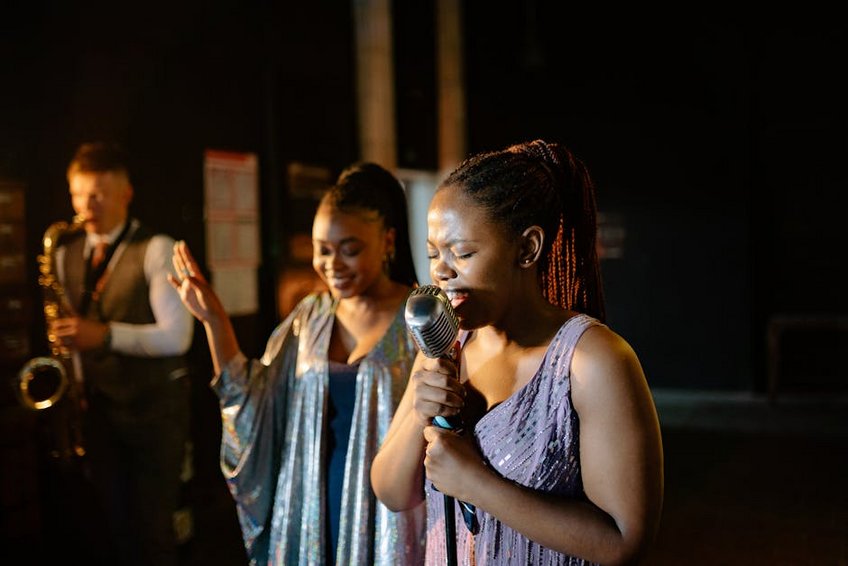
USA New Orleans Jazz Fest: Your Essential Music and Culture Guide
The USA New Orleans Jazz Fest celebrates Louisiana’s rich musical heritage with performances across multiple stages. This iconic event draws thousands annually to experience jazz, blues, and local cuisine traditions. Our guide provides practical planning advice and cultural insights for your festival adventure.
Essential Festival Information
The New Orleans Jazz & Heritage Festival launched in 1970 to showcase regional music and culture. It occurs annually at the Fair Grounds Race Course spanning two spring weekends. This cultural institution features both legendary and emerging artists.
What Is the Jazz Festival Experience?
The festival combines music, food, and crafts across twelve dedicated stages and tents. You’ll find simultaneous performances from morning until evening daily. Cultural demonstrations and artisan markets fill the extensive grounds.
- Multiple music stages feature jazz, gospel, blues, and contemporary acts performing simultaneously throughout each day
- Food vendors serve authentic Creole and Cajun specialties like crawfish Monica and po’boys at reasonable prices
- Craft markets showcase Louisiana artisans selling handmade jewelry, artwork, and cultural items unique to the region
- Budget option: $75-150 daily covers single-day tickets, public transportation, and casual dining with advance ticket purchases saving 20% off gate prices
- Mid-range option: $200-350 daily includes multi-day passes, ride-sharing services, and moderate restaurant meals with better viewing areas
- Luxury option: $400-600 daily provides VIP passes, private transportation, and fine dining with premium stage access and shorter lines
- New Orleans Jazz & Heritage Festival Foundation
- New Orleans Tourism Marketing Corporation
Historical Significance and Evolution
The festival began modestly with only a few hundred attendees in Congo Square. It has grown into one of America’s premier music events while maintaining cultural authenticity. Historical performances include legends like Mahalia Jackson and Professor Longhair.
Modern iterations balance traditional jazz with contemporary rock and pop acts. This evolution ensures broad appeal while honoring musical roots. The economic impact exceeds $300 million annually for New Orleans.
Key Festival Components
Music remains the central focus with scheduled performances from 11am to 7pm daily. The Gospel Tent offers particularly moving spiritual music experiences. Food areas provide authentic local dishes that complement the musical journey.
Cultural demonstrations include Mardi Gras Indian suit making and traditional crafts. These interactive elements deepen visitor understanding of local traditions. Children’s activities make the event family-friendly throughout.
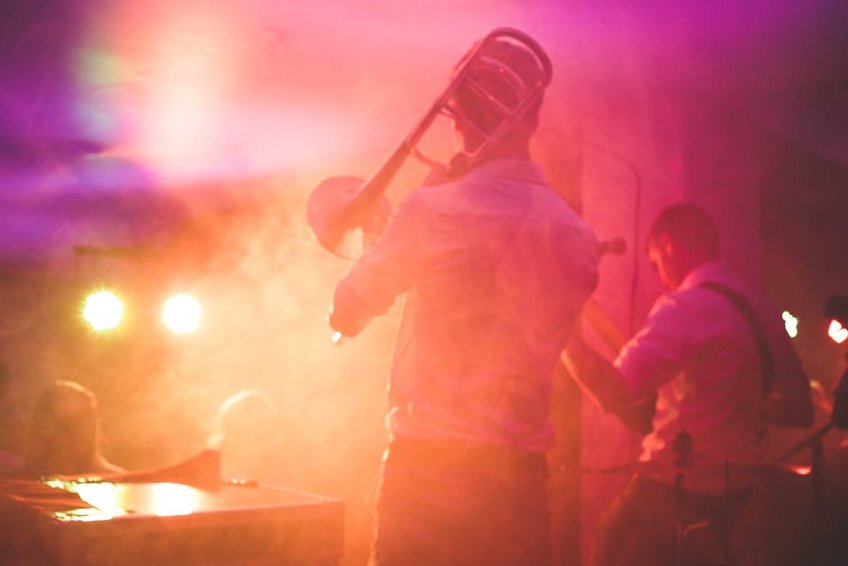
Alt: “new-orleans-jazz-fest-fair-grounds-music-stage-crowd”
Planning Your USA New Orleans Jazz Fest Trip
Your USA New Orleans Jazz Fest experience requires careful timing and reservation strategies. Festival weekends typically occur in late April and early May each year. Advance planning ensures better accommodation options and ticket availability.
Spring weather brings temperatures between 70-85°F (21-29°C) with occasional rainfall. Pack lightweight clothing with rain gear for unpredictable afternoon showers. Comfortable walking shoes prove essential for navigating the extensive grounds.
Best Time to Visit New Orleans
Peak festival season runs from late April through early May during optimal weather conditions. Daytime temperatures average 78°F (26°C) with higher humidity levels in the afternoons. Crowds reach maximum capacity during headline performance days.
Shoulder seasons in March or November offer milder weather with fewer tourists overall. These periods provide better hotel rates and restaurant availability throughout the city. Festival attendance remains high regardless of specific weekend choice.
Budget Planning and Costs
Consider these three budget tiers when planning your music festival experience.
Essential Preparation Checklist
Pack sunscreen, hats, reusable water bottles, and portable phone chargers for full festival days. Lightweight rain ponchos and waterproof bags protect against sudden weather changes. Comfortable closed-toe shoes handle varied terrain throughout the venue.
Book accommodations three to six months early, especially for downtown hotels near streetcar lines. Secure festival tickets immediately upon release for best pricing and availability. Research public transportation routes to avoid parking challenges.
Top Attractions and Activities
New Orleans offers countless cultural experiences beyond the festival grounds themselves. The French Quarter presents historic architecture and vibrant street performances daily. Garden District homes showcase stunning 19th-century design and peaceful walking routes.
Mississippi River activities include steamboat cruises and Moon Walk pathways along the waterway. City Park features botanical gardens and the New Orleans Museum of Art nearby. These attractions complement your musical journey beautifully.
Must-See Highlights
French Quarter architecture demonstrates Spanish and French influences through ironwork balconies and courtyards. Preservation Hall offers intimate traditional jazz performances in an authentic setting. St. Louis Cathedral provides iconic photo opportunities at Jackson Square.
Café du Monde serves legendary beignets and café au lait 24 hours daily near the French Market. Streetcar rides along St. Charles Avenue reveal stunning Garden District mansions. These experiences define the New Orleans cultural landscape.
Hidden Gems and Local Favorites
Backstreet Cultural Museum preserves Mardi Gras Indian and jazz funeral traditions in Tremé neighborhood. This modest facility contains incredible ceremonial costumes and historical photographs. It represents authentic local culture beyond tourist areas.
Music Box Village presents interactive musical architecture in the Bywater district for unique sonic experiences. Local bars like Maple Leaf and Tipitina’s feature outstanding nightly performances. These venues offer genuine New Orleans music scenes.
Music Heritage Sites
New Orleans Jazz Museum at the Old U.S. Mint showcases historic instruments and listening stations. This facility occupies a beautifully restored 1835 government building near French Quarter. Interactive exhibits explore jazz evolution through the decades.
Louis Armstrong Park honors the legendary trumpeter with statues and landscaped grounds in Tremé. Congo Square marks where enslaved Africans gathered for music and dance centuries ago. These sites connect visitors to musical roots.
Practical Travel Information
Louis Armstrong New Orleans International Airport (MSY) serves most visitors with direct flights from major cities. The facility recently expanded with improved amenities and ground transportation options. Rental cars, taxis, and ride-sharing services operate efficiently.
Public transportation includes streetcars and buses covering most tourist areas with affordable fares. The RTA system offers convenient passes for unlimited rides during your stay. Walking proves practical in compact neighborhoods like French Quarter.
| Accommodation Type | Location and Features | Price Range (USD) |
|---|---|---|
| Budget Hotel | Central Business District, basic amenities, pool access | $120-180 nightly |
| Mid-Range Hotel | French Quarter, historic charm, breakfast included | $220-350 nightly |
| Boutique Hotel | Garden District, unique design, personalized service | $380-550 nightly |
| Vacation Rental | Marigny/Bywater, full kitchen, local neighborhood vibe | $200-400 nightly |