USA National Parks Annual Pass: Your Ticket to 2,000+ Federal Recreation Sites
An America the Beautiful Pass, commonly called the USA National Parks Annual Pass, grants one year of vehicle entry to every national park and over 2,000 federal recreation lands. For $80, this single plastic card unlocks iconic landscapes like Yellowstone, Yosemite, and the Grand Canyon, alongside national forests, wildlife refuges, and Bureau of Land Management sites. This guide details eligibility, purchase strategies, and itinerary planning to maximize your annual pass value across diverse American terrains.
Essential America the Beautiful Pass Information
The Interagency Annual Pass is a physical card issued by the U.S. government, valid for twelve months from the month of purchase. It covers the pass holder and all passengers in a non-commercial vehicle at per-vehicle fee areas. At per-person fee sites, it admits the pass holder plus three adults aged 16 and over, providing substantial savings for families and groups.
It is important to sign the pass immediately upon receipt. Rangers will check for this signature and may request photo ID to verify ownership during entry. The pass is non-transferable and non-refundable, but it remains valid even if the pass holder’s information changes, such as an address update.
What Sites Does the Pass Cover?
The pass provides access to lands managed by six federal agencies. This includes all 63 national parks and most monuments administered by the National Park Service.
- National Park Service: All parks, monuments, seashores, and historic sites charging an entrance fee, including popular destinations like Acadia, Zion, and Great Smoky Mountains.
- U.S. Forest Service: Day-use fees at national forests and grasslands, such as Mt. Hood National Forest or White Mountain National Forest.
- U.S. Fish & Wildlife Service: Entrance fees at national wildlife refuges, including key birding locations like J.N. “Ding” Darling Refuge in Florida.
- Bureau of Land Management: Developed recreation sites with standard amenity fees, often found in western states like Utah and Colorado.
- U.S. Army Corps of Engineers: Most day-use recreation areas at lakes and waterways managed by this agency.
- Bureau of Reclamation: Recreation sites at water projects, though these are less common for typical travelers.
- Budget Traveler: If you plan two trips to major parks like Zion ($35) and Yellowstone ($35), the $80 pass saves money immediately. Combine with camping ($20-$30/night) at national forest sites adjacent to parks for maximum affordability.
- Mid-Range Explorer: For a summer road trip hitting three parks, the pass is essential. Pair it with lodges or cabins inside parks ($150-$250/night) booked 6-12 months in advance for convenience and immersion.
- Luxury Adventurer: The pass complements a curated itinerary with guided tours and premium lodging. Savings on entrance fees offset costs for helicopter tours, private guides, or stays at historic park lodges like The Ahwahnee in Yosemite.
- Official National Park Service Passes Page
- Recreation.gov for Camping and Tour Reservations
What the Pass Does NOT Include
The Interagency Pass does not cover several specific fees, which travelers must budget for separately. It is strictly an entrance pass, not an all-access ticket to every service within the federal lands.
Excluded costs include camping reservations, concessionaire-run tours, parking at specific trailheads, and special permit fees for activities like backcountry hiking or river rafting. It also does not provide discounts at lodges, restaurants, or gift shops operated by private companies within the parks.
Special Pass Types and Discounts
Beyond the standard annual pass, several discounted or free versions exist for eligible groups. These specialized passes offer the same access benefits at a reduced cost or no cost at all.
The Senior Pass costs $20 annually or $80 for a lifetime version for U.S. citizens aged 62+. The Access Pass is free for U.S. citizens with permanent disabilities. The Military Pass is free for current U.S. military members and dependents. The 4th Grade Pass offers free entry for U.S. fourth-grade students and their families.
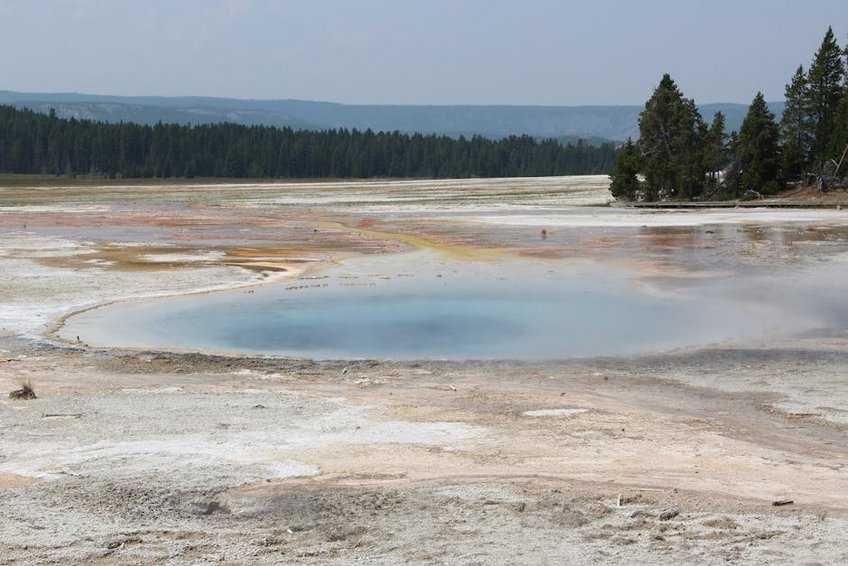
Alt: “america-the-beautiful-annual-pass-national-park-entrance-sign”
USA National Parks Annual Pass – Planning Your Purchase
Strategically timing your America the Beautiful Pass purchase can extend its value. Since the pass expires at the end of the month one year after purchase, buying it just before a new month begins is advantageous. For example, purchasing on June 30 gives you access from June 30 through June 30 of the following year, effectively getting 13 months of use.
You can buy the pass online from the USGS store, at any federal recreation site that charges an entrance fee, or through many partner retailers like REI. Buying in person at your first park allows for immediate use and support for that specific site, as the park retains the full processing fee.
Best Time to Buy and Use Your Annual Pass
Purchase your pass in late spring or early fall to maximize value across two peak travel seasons. A pass bought in May covers summer trips to northern parks like Glacier and fall visits to southern parks like Great Smoky Mountains. Shoulder seasons, April-May and September-October, offer milder weather, between 50-70°F (10-21°C), and smaller crowds compared to July and August.
The winter months, November through March, see reduced services and potential road closures in mountain parks, but offer solitude and unique snowy landscapes. Parks like Death Valley, Joshua Tree, and Everglades provide excellent winter hiking conditions with temperatures ranging from 60-80°F (16-27°C).
Budget Planning and Cost Analysis
The standard $80 pass pays for itself in just a few park visits, given that individual park entrance fees now often exceed $35 per vehicle.
Essential Preparation Checklist
Before your first trip, ensure you have the physical pass, a valid photo ID with a matching signature, and a plan for park entry. Download the official National Park Service app for offline maps, trail conditions, and alerts. Research vehicle size restrictions for scenic drives like Going-to-the-Sun Road in Glacier.
Secure necessary permits well in advance for popular activities like hiking Angels Landing in Zion or camping in Yosemite’s wilderness. Check for timed entry reservations, which are now required at parks like Rocky Mountain and Arches during peak season and are separate from the annual pass.
Top Parks and Destinations for Pass Holders
The real value of the Interagency Pass emerges on multi-park itineraries across diverse ecosystems. A classic Southwest circuit connects Grand Canyon, Zion, Bryce Canyon, and Arches, where combined entrance fees would surpass $140. The Pacific Northwest route links Olympic, Mount Rainier, and North Cascades, offering coastal, volcanic, and alpine scenery.
For history enthusiasts, the pass covers iconic monuments like Statue of Liberty, Independence Hall, and Mount Rushmore. Combine these with natural parks for a comprehensive American journey. The flexibility to spontaneously visit a national wildlife refuge or forest recreation area adds immense value to any road trip.
Must-See National Park Highlights
Yellowstone National Park showcases geothermal wonders like Old Faithful and Grand Prismatic Spring. Visit between late May and September for full road access, though April and October offer fewer crowds. The park’s $35 entrance fee is covered by your annual pass.
Yosemite National Park is famous for granite cliffs and giant sequoias. Target weekdays in May or September to avoid congestion in Yosemite Valley. Your pass grants access to both the Yosemite and Hetch Hetchy entrances. Acadia National Park provides coastal mountains in Maine. The pass covers the $30 vehicle fee, and the park loop road is best experienced at sunrise.
Hidden Gems and Lesser-Known Sites
Beyond major parks, the pass unlocks spectacular, crowd-free sites. Great Basin National Park in Nevada features ancient bristlecone pines and the Lehman Caves. It’s a dark sky sanctuary perfect for stargazing. Congaree National Park in South Carolina protects a vast old-growth floodplain forest with boardwalk hiking, accessible year-round.
The pass also covers stunning national monuments. Cedar Breaks in Utah offers a miniature Bryce Canyon at 10,000 feet, while Colorado’s Black Canyon of the Gunnison provides dramatic vertical cliffs. These sites rarely have lines and offer profound solitude.
Maximizing Your Pass on a Road Trip
Plan a route that clusters several fee areas within a short distance. Utah’s “Mighty 5” parks are a prime example. Use federal campgrounds in adjacent national forests for lower-cost overnight stays. Always display your pass on your vehicle dashboard when parking at trailheads within fee areas to avoid citations.
Keep a travel log of every site you enter. This helps you track value and discover patterns in your travel preferences. Many pass holders find they visit 10-15 sites in a year, generating savings of $300 or more on entrance fees alone.
Practical Travel and Logistics Information
Accommodation near popular parks books up exceptionally early. For summer visits, reserve campgrounds or lodges 6-12 months in advance through Recreation.gov or park concessionaire websites. Consider staying in gateway towns or national forest lands just outside park boundaries for more options and better value.
Rental cars, especially SUVs and camper vans, are in high demand. Book vehicles at least three months before a summer trip. Be aware that some park roads, like the Trail Ridge Road in Rocky Mountain National Park, have vehicle length restrictions.
| Travel Category | Options & Features | Price Range (USD) |
|---|---|---|
| Park Entrance | America the Beautiful Annual Pass (covers vehicle & 3 adults) | $80 (one-time annual) |
| Camping (per night) | National Park campground (basic site, no hookups) | $20 – $30 |
| Lodging (per night) | Park lodge room or cabin (historic property, central location) | $150 – $400+ |
| Guided Tour (per person) | Half-day ranger walk or concessionaire bus tour | $30 – $100 |