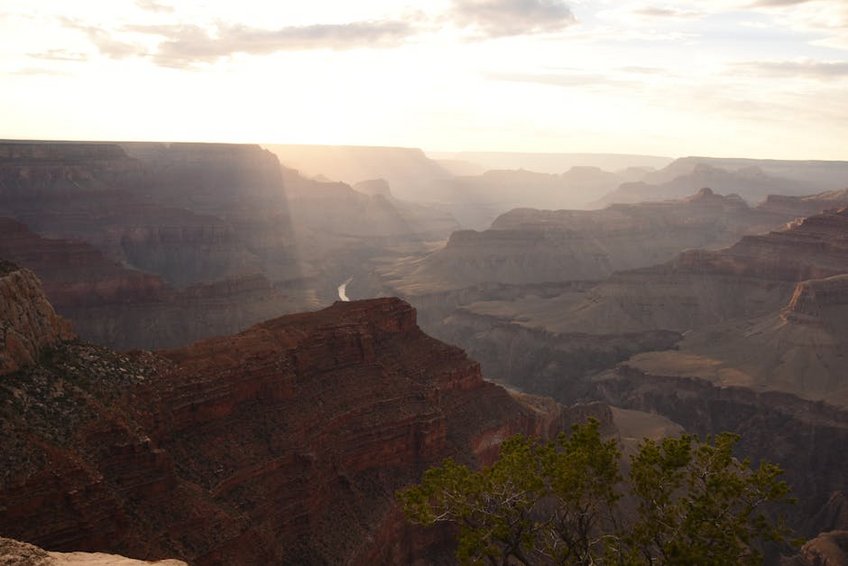
USA Grand Canyon South Rim Sunrise: Morning Light Magic
Witnessing the USA Grand Canyon South Rim sunrise transforms an ordinary visit into a breathtaking display of natural beauty. The morning sun casts golden hues across the canyon walls, revealing intricate geological layers and creating perfect photography conditions. This guide covers essential planning tips, best viewpoints, and practical advice for capturing this unforgettable experience.
Essential Grand Canyon Information
The Grand Canyon’s South Rim sits at 7,000 feet elevation in northern Arizona. This UNESCO World Heritage Site stretches 277 river miles long and up to 18 miles wide. Its exposed rock layers represent nearly two billion years of Earth’s geological history.
What You Need to Know
Understand these key facts before your Grand Canyon adventure.
- The South Rim remains open year-round, with summer temperatures reaching 80°F (27°C) and winter lows around 20°F (-7°C).
- Sunrise times shift seasonally from 5:15 AM in June to 7:30 AM in December, requiring adjusted arrival times.
- Primary viewpoints include Mather Point, Yavapai Observation Station, and Desert View Watchtower, each offering unique perspectives.
- Budget travelers can camp at Mather Campground for $18-50 nightly, bring their own food, and use free park shuttles, keeping daily costs around $60-100 per person.
- Mid-range visitors might stay in Tusayan hotels costing $150-250 nightly, dine at park cafeterias for $15-25 per meal, and join ranger-led programs, totaling $200-350 daily.
- Luxury experiences include El Tovar Hotel rooms at $300-500 nightly, private photography tours for $200-400, and fine dining, reaching $500-800 per day.
- National Park Service Grand Canyon
- NPS Sunrise and Sunset Times
Geological Formation and History
The Colorado River carved the canyon over six million years through sedimentary rock layers. These layers reveal different geological eras, with the oldest Vishnu Schist dating back 1.7 billion years. The South Rim’s elevation creates cooler temperatures than the canyon floor.
Human history here spans 12,000 years, from Paleo-Indians to contemporary Native American tribes. The Grand Canyon became a national park in 1919, protecting 1.2 million acres of diverse ecosystems. Park management balances preservation with visitor access through careful regulations.
Seasonal Weather Patterns
Summer brings warm days and occasional monsoon thunderstorms from July through September. Afternoon rains can reduce visibility but create dramatic cloud formations at sunrise. Winter offers clearer skies but colder conditions, with occasional snow adding contrast to the landscape.
Spring and fall provide the most stable weather for sunrise viewing. March through May sees mild temperatures between 50-70°F (10-21°C) with minimal crowd interference. September and October offer similar conditions with vibrant autumn colors in surrounding forests.
Planning Your USA Grand Canyon South Rim Sunrise
Successful sunrise viewing requires careful timing and preparation. Arrive at your chosen viewpoint at least thirty minutes before official sunrise time. This allows you to secure a good position and watch the pre-dawn light show unfold across the canyon.
Check the park’s sunrise timetable online before your visit. Account for travel time from your accommodation, as parking fills quickly during peak seasons. Bring layered clothing since temperatures can change rapidly in the desert environment.
Best Time to Visit for Sunrise
Visit between March and May or September and October for optimal sunrise conditions. These months offer comfortable temperatures ranging from 40-65°F (4-18°C) at sunrise. Crowds remain manageable compared to summer peaks, improving your viewing experience.
Summer provides warmer mornings but requires dealing with larger crowds and potential monsoon clouds. Winter delivers spectacular light with snow-dusted rim views, though temperatures often drop below freezing. December through February sees the fewest visitors but coldest conditions.
Budget Planning and Costs
Manage your expenses with these tiered options.
Essential Preparation Checklist
Pack warm layers, gloves, and a hat since morning temperatures often sit 20-30 degrees below daytime highs. Bring a headlamp or flashlight for navigating dark paths to viewpoints. Include water, snacks, and your camera equipment in a comfortable daypack.
Reserve accommodations three to six months ahead for popular seasons. Purchase your park pass online to avoid entrance gate delays. Download offline maps and the NPS app since cell service remains unreliable throughout most park areas.
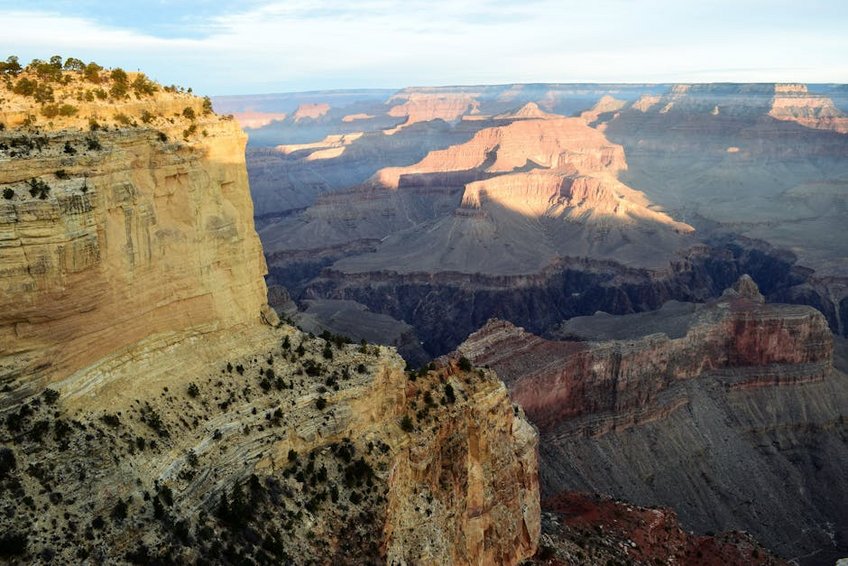
Alt: “grand-canyon-south-rim-sunrise-morning-light-colors”
Top Attractions and Viewing Spots
The South Rim offers numerous spectacular sunrise viewpoints accessible via park shuttles or short walks. Mather Point provides the most popular experience with panoramic canyon views and convenient amenities. Yaki Point delivers more intimate settings with fewer crowds and excellent eastern exposure.
Desert View Watchtower combines architectural interest with sweeping canyon vistas, though it requires earlier arrival due to its distance from main areas. Lipan Point showcases the Colorado River’s path through the canyon, creating dramatic shadow plays during sunrise.
Must-See Sunrise Highlights
Mather Point stands just minutes from the visitor center, making it ideal for first-time visitors. Its multiple platforms accommodate large crowds while offering unobstructed eastern views. Arrive forty-five minutes before sunrise to claim prime positioning along the railings.
Yavapai Observation Station provides educational exhibits alongside its glass-enclosed viewing area. The station’s geology displays help visitors understand the rock formations illuminated by morning light. Parking here fills quickly, so consider taking the shuttle from the village area.
Hopi Point consistently ranks among the best photography locations for its unobstructed eastern exposure. The viewpoint extends further into the canyon than others, creating deeper perspectives. Orange and red rock layers glow intensely during the first direct sunlight.
Hidden Gems and Local Favorites
Shoshone Point requires a one-mile flat walk from the parking area, deterring many visitors. This secluded spot offers picnic tables and uninterrupted canyon views without railings. The peaceful atmosphere enhances the sunrise experience away from crowd noise.
Moran Point sits east of Desert View with fewer visitors and spectacular river views. Its namesake, painter Thomas Moran, captured many canyon scenes from this perspective. The point’s elevation provides sweeping vistas of the Palisades of the Desert formation.
Sunrise Photography Techniques
Use a tripod and remote shutter release to capture sharp images in low light conditions. Bracket your exposures to balance the bright sky with darker canyon shadows. Include foreground elements like trees or rocks to create depth in your compositions.
Shoot in RAW format for greater editing flexibility later. Experiment with different white balance settings to enhance the warm morning colors. Arrive early enough to test compositions before the light show begins.
Practical Travel Information
Reach the Grand Canyon South Rim via Flagstaff Pulliam Airport (FLG), located 90 minutes south. Phoenix Sky Harbor (PHX) offers more flight options but requires a four-hour drive. Rental cars provide flexibility, though park shuttles serve all major viewpoints efficiently.
Accommodations range from historic park lodges to nearby Tusayan hotels. Book well in advance, especially for in-park options like Bright Angel Lodge or El Tovar. These fill six to twelve months ahead for peak sunrise viewing seasons.
| Category | Options/Features | Price Range (USD) |
|---|---|---|
| Accommodation | Park lodges, Tusayan hotels, campgrounds | $18-500 per night |
| Transportation | Rental cars, shuttles, guided tours | $0-200 per day |
| Food | Restaurants, grocery stores, packed meals | $10-60 per meal |
| Activities | Ranger programs, mule rides, helicopter tours | $0-400 per person |