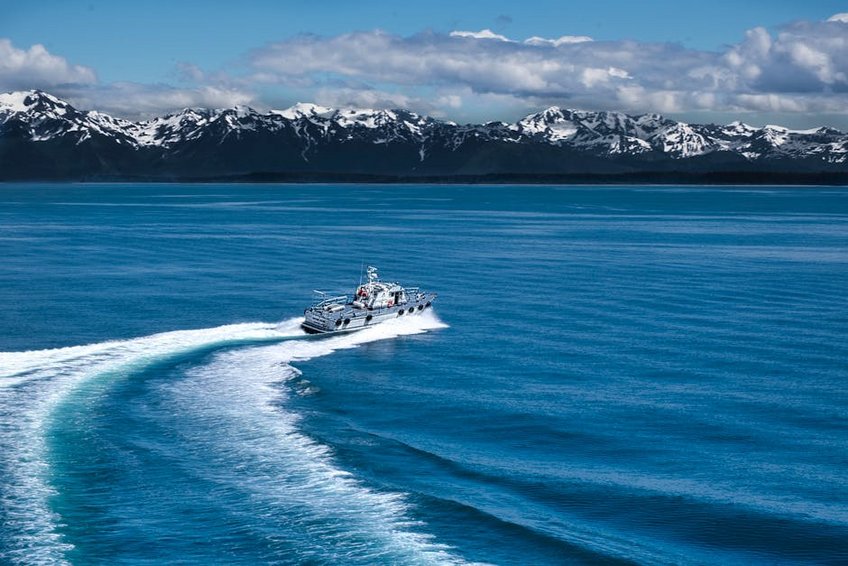
USA Glacier Bay Alaska Cruise: Exploring Icy Wilderness and Wildlife
A USA Glacier Bay Alaska Cruise transports you through some of America’s most dramatic coastal landscapes where glaciers carve into deep fjords. This maritime adventure combines accessible wildlife viewing with breathtaking scenery across protected national park waters. Our guide provides seasonal advice, budget breakdowns, and practical tips for maximizing your Alaskan voyage experience.
Essential Glacier Bay Information
Glacier Bay National Park covers 3.3 million acres of Southeast Alaska’s coastline with over 1,000 glaciers. The park’s ecosystem supports humpback whales, sea otters, and numerous seabird species within its nutrient-rich waters. This UNESCO World Heritage Site remains accessible primarily through cruise ships and limited permit systems.
What You Need to Know
Understanding these key aspects enhances your Glacier Bay experience significantly.
- Glacier Bay features seven major tidewater glaciers that actively calve icebergs into the marine environment throughout summer months.
- Wildlife sightings typically include humpback whales bubble-net feeding, Steller sea lions hauling out, and mountain goats on cliff sides.
- The National Park Service requires cruise ships to carry certified interpreters who provide commentary and environmental context during transit.
- Budget options at $1,200-2,000 per person feature inside cabins on larger ships with basic dining and limited excursions included in base fare.
- Mid-range cruises costing $2,500-4,500 provide balcony cabins, specialty dining options, and included shore excursions with smaller vessel intimacy and better viewing access.
- Luxury expeditions ranging $5,000-8,000+ offer suite accommodations, all-inclusive amenities, expert guides, and adventure equipment like kayaks with premium viewing locations and smaller passenger counts.
- National Park Service – Glacier Bay
- Travel Alaska Official Site
Key Geological Details
Glacier Bay’s landscape reveals rapid glacial retreat since the Little Ice Age maximum in 1750. The bay was entirely glacier-covered until recent centuries, with ice retreat exposing new inlets and islands. This geological activity creates constantly changing navigation routes for modern vessels.
Marble and granite formations frame the waterways, with glacier ice displaying brilliant blue hues from dense compression. Calving events generate thunderous sounds and wave patterns that ripple across the fjords. These dynamic processes continue shaping the coastline each season.
Wildlife and Ecosystem
The marine ecosystem thrives from cold upwelling currents that bring nutrients to the surface. Humpback whales arrive each summer to feed on abundant krill and small fish populations before migrating to winter breeding grounds. Sea otters maintain kelp forest health by controlling sea urchin numbers.
Bald eagles nest along shoreline trees while puffins and murres colonize rocky islands. Brown bears forage along intertidal zones during low tide periods. This biodiversity concentration makes Glacier Bay exceptional for wildlife photography and observation.
USA Glacier Bay Alaska Cruise – Planning Your Trip
Strategic planning ensures you experience Glacier Bay’s highlights during optimal conditions with appropriate preparations. Most visitors access the bay through scheduled cruise itineraries operating between May and September. Advance reservations become essential for popular sailing dates and cabin categories.
Weather variability demands flexible clothing layers and protective gear for deck viewing. Motion sickness precautions benefit travelers in open waters outside protected fjords. Your USA Glacier Bay Alaska Cruise requires balancing expedition expectations with comfort priorities.
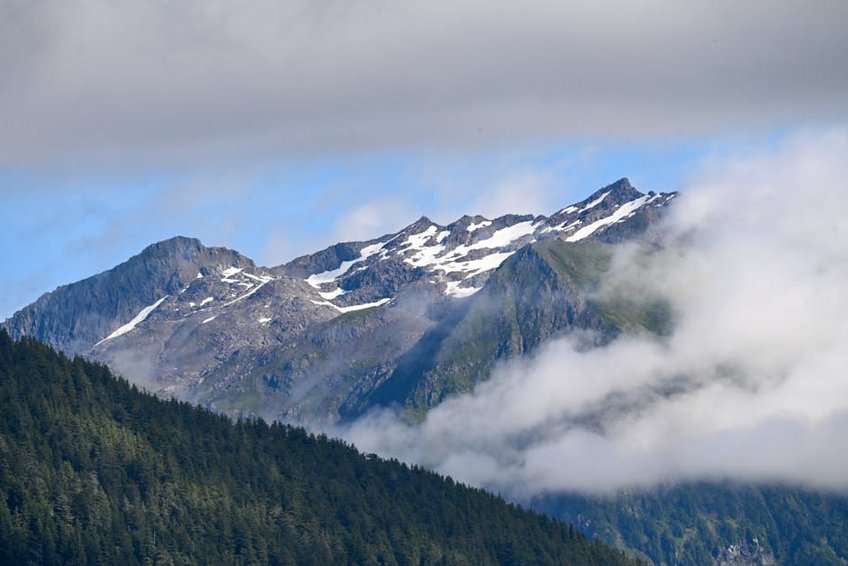
Alt: “glacier-bay-alaska-cruise-ship-icebergs-mountains”
Best Time to Visit Glacier Bay
Peak season runs July through August when temperatures average 50-60°F (10-15°C) with up to 18 hours of daylight. These months offer reliable wildlife activity and minimal glacier coverage for navigation. However, visitor numbers peak during this period requiring earlier bookings.
Shoulder seasons in May-June and September provide fewer crowds with cooler temperatures of 40-55°F (4-13°C). September brings fall colors to coastal forests but increased rainfall probability. May offers newborn wildlife sightings though some fjords remain ice-blocked.
Budget Planning and Costs
Alaska cruise pricing varies significantly by cabin category, itinerary length, and inclusion level.
Essential Preparation Checklist
Pack waterproof layers, insulated jackets, and sturdy shoes for variable marine conditions and deck movement. Binoculars, cameras with telephoto lenses, and backup batteries ensure you capture wildlife moments effectively. Seasickness remedies suit those sensitive to ocean swells beyond protected waters.
Documentation requires passport validity extending six months beyond travel dates for potential Canadian port calls. Travel insurance covering medical evacuation becomes crucial in remote regions. Book specialty restaurants and excursions months ahead for availability assurance.
Top Attractions and Activities
Glacier Bay’s primary draw remains Margerie Glacier, a one-mile wide tidewater glacier actively calving icebergs with dramatic displays. Johns Hopkins Glacier extends twelve miles with surrounding peaks creating spectacular photographic backdrops. These icy giants demonstrate powerful geological processes visible from ship decks.
Wildlife concentrations appear near South Marble Island where sea lion colonies vocalize loudly from rocky haul-outs. Whales frequently surface near Glacier Bay’s entrance where nutrient upwelling occurs. Ranger-led programs onboard enhance understanding of ecosystem connections and conservation efforts.
Must-See Highlights
Margerie Glacier delivers regular calving performances with ice crashing into Tarr Inlet throughout daylight hours. This glacier maintains relative stability while neighboring glaciers retreat, creating compelling comparative observations. Visit during morning hours when lighting highlights blue ice formations optimally.
Johns Hopkins Glacier requires careful navigation through ice-filled waters but rewards with closer proximity views. The glacier’s face stretches 250 feet high with surrounding Fairweather Range peaks exceeding 15,000 feet. Access depends on seasonal ice conditions and wildlife protections.
South Marble Island’s bird cliffs host thousands of nesting puffins, murres, and cormorants from May through August. Steller sea lions bark from rocky shelves while sea otters float nearby. Ships slow for extended viewing though landing remains prohibited to protect wildlife.
Hidden Gems and Local Favorites
Glacier Bay’s lesser-visited Reid Glacier offers accessible walking opportunities during low tide when cruise lines provide kayak excursions. This glacier terminates on a gravel beach where visitors can approach the ice face safely. The surrounding valley reveals recent glacial retreat patterns through vegetation succession.
Bartlett Cove features the park’s only hotel and rental cabins near park headquarters with hiking trails through temperate rainforest. The Huna Tribal House presents Tlingit cultural demonstrations when cruise ships dock temporarily. These land-based options complement maritime perspectives.
Wildlife Viewing Opportunities
Humpback whales exhibit bubble-net feeding behavior particularly in Icy Strait approaching Glacier Bay. This cooperative hunting method creates circular bubble nets that trap fish, followed by synchronized surfacing. Morning hours typically provide best viewing before afternoon winds develop.
Mountain goats appear on steep slopes near Gloomy Knob during early and late season when snow lines recede. Bring telephoto lenses for capturing these sure-footed climbers on cliff faces. Bear sightings occur most frequently in Dundas Bay during low tide cycles.
Practical Travel Information
Cruise ships primarily access Glacier Bay from Seattle, Vancouver, or Anchorage departure points with seven to ten-day itineraries being most common. Larger vessels carry 2,000+ passengers while smaller expedition ships transport 50-200 guests for more intimate experiences. Navigation restrictions limit daily ship numbers within the bay.
Accommodation choices range from interior cabins to balcony suites with price differences reflecting space and view quality. Onboard amenities typically include multiple dining venues, entertainment options, and educational programs. Shore excursion availability varies by ship size and docking capabilities.
| Category | Options/Features | Price Range (USD) |
|---|---|---|
| Inside Cabin | No windows, basic amenities, lower decks | $1,200-2,000 |
| Oceanview Cabin | Window or porthole, moderate space | $1,800-3,000 |
| Balcony Cabin | Private veranda, enhanced amenities | $2,500-4,500 |
| Suite Category | Separate living area, premium services | $4,000-8,000+ |