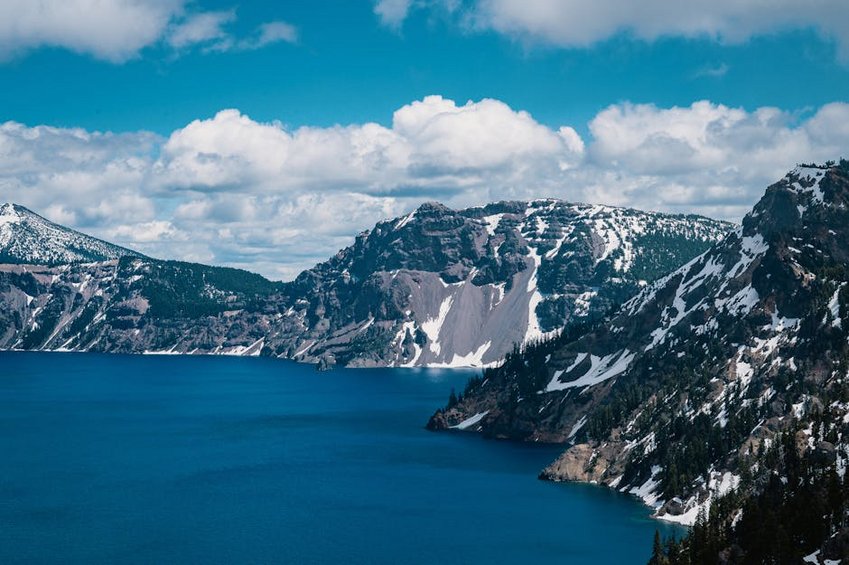
USA Crater Lake Oregon Blue Waters: Nature’s Deep Blue Marvel
Crater Lake’s stunning blue waters in Oregon captivate visitors with their incredible depth and vibrant color, formed over 7,700 years ago when Mount Mazama collapsed. This natural wonder reaches 1,943 feet deep, making it America’s deepest lake, surrounded by cliffs and evergreen forests that create breathtaking panoramas. This guide covers essential planning tips, seasonal activities, and insider advice for experiencing this unique destination.
Essential Crater Lake National Park Information
Established in 1902, Crater Lake National Park protects Oregon’s iconic caldera lake formed by volcanic activity millennia ago. The lake’s famous blue color results from its exceptional purity and depth, with water coming solely from rain and snowfall. This creates some of Earth’s clearest natural waters visible down to 120 feet.
Spanning 183,224 acres across southern Oregon’s Cascade Range, the park offers diverse ecosystems from old-growth forests to pumice deserts. Summer temperatures range from 50°F to 70°F (10°C to 21°C), while winter brings heavy snow averaging 43 feet annually. The park remains open year-round, though some facilities close seasonally.
Geological History and Formation
Mount Mazama’s catastrophic eruption 7,700 years ago created this caldera, which gradually filled with precipitation over centuries. Subsequent volcanic activity formed Wizard Island, the lake’s iconic cinder cone visible today. This geological timeline represents one of North America’s most significant volcanic events.
Park Layout and Key Areas
Rim Drive circles the entire caldera, providing 33 miles of spectacular viewpoints and trail access. The Steel Visitor Center offers educational exhibits and ranger programs near the south entrance. Meanwhile, Rim Village serves as the main hub with lodging, dining, and gift shops.
Conservation and Protection Efforts
Park authorities maintain strict environmental protections to preserve the lake’s pristine water quality. No swimming is allowed except at Cleetwood Cove during summer months with specific guidelines. These measures ensure future generations can enjoy this natural treasure.
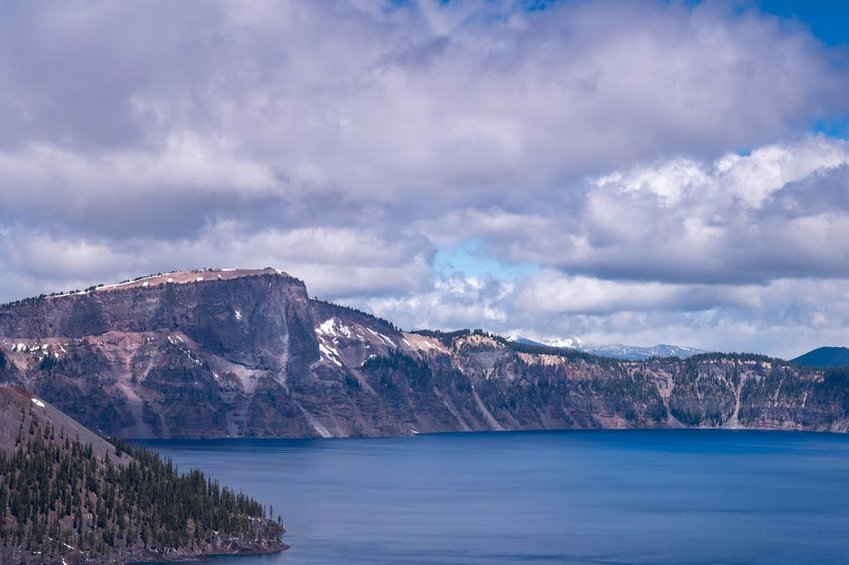
Alt: “crater-lake-oregon-deep-blue-waters-caldera-view”
USA Crater Lake Oregon Blue Waters – Planning Your Trip
Successful visits to Crater Lake require careful timing and preparation due to its high elevation and variable weather conditions. Summer months from July through September offer full access to facilities and activities, while winter provides snow-based recreation. Advance reservations for lodging and tours ensure you won’t miss key experiences.
Budget between $80-300 daily depending on accommodation style, dining preferences, and activity choices. The park entrance fee is $30 per vehicle for seven days, with America the Beautiful passes accepted. Consider combining your visit with nearby Oregon attractions like Umpqua National Forest.
Best Time to Visit Crater Lake
July through September delivers optimal conditions with average highs of 67°F (19°C), full road access, and all boat tours operating. These months see minimal snow, allowing complete Rim Drive circulation and extensive hiking opportunities. However, they also bring peak crowds requiring earlier reservations.
Shoulder seasons in June and October offer fewer visitors but limited services and potential road closures due to lingering snow. Winter from November to April transforms the landscape into a snow-covered paradise perfect for skiing and snowshoeing. Temperatures frequently drop below 20°F (-7°C) during these months.
Budget Planning and Costs
Crater Lake visits suit various budget levels with these typical daily expenses:
- Budget travelers spend $80-120 daily using campgrounds at $21-31 nightly, preparing meals, and focusing on free activities like hiking and scenic drives.
- Mid-range visitors allocate $150-220 for lodge rooms at $168-242, dining at Annie Creek Restaurant, and adding boat tours at $48 per adult.
- Luxury experiences cost $250-300+ featuring Crater Lake Lodge rooms at $242-360, fine dining, guided tours, and extended stays exploring surrounding regions.
- National Park Service – Crater Lake
- Travel Oregon Official Site
Essential Preparation Checklist
Pack layered clothing including warm jackets even in summer, as temperatures drop significantly at this 7,000-8,000 foot elevation. Sturdy hiking shoes, sun protection, and reusable water bottles are mandatory for comfort and safety. Additionally, bring binoculars for wildlife viewing and a quality camera for photography.
Make lodging reservations 4-6 months ahead for summer visits through the park’s official concessionaire. Download offline maps since cellular service remains limited throughout most areas. Check road conditions before arrival, especially during shoulder seasons when snow may affect access.
Top Attractions and Activities
Crater Lake’s dramatic landscape offers countless photographic opportunities and outdoor adventures across all seasons. The 33-mile Rim Drive features over 30 pullouts with breathtaking caldera views from different perspectives. Summer activities include boat tours, swimming, and extensive hiking, while winter brings snowshoeing and cross-country skiing.
Ranger-led programs enhance understanding of the park’s geology, ecology, and cultural history through guided walks and evening presentations. These free activities provide valuable insights for first-time visitors and returning enthusiasts alike. The Steel Visitor Center’s educational exhibits further enrich the experience.
Must-See Highlights
Wizard Island dominates the lake’s western portion, accessible via seasonal boat tours that include three hours exploration time. The island features a 90-foot-high cinder cone summit trail offering panoramic lake views. These popular tours require advance reservations through the park’s authorized operator.
Rim Village provides the most accessible caldera views alongside historic Crater Lake Lodge built in 1915. The Sinnott Memorial Overlook just below the lodge offers educational exhibits and unparalleled photography opportunities. Visit during early morning or late afternoon for optimal lighting conditions.
Cleetwood Cove Trail serves as the only legal access point to the lake’s shore, descending 700 feet over 1.1 miles to the docking area. This strenuous hike rewards visitors with swimming opportunities in the famously clear waters during summer months. The trail typically opens from mid-July through September depending on snow conditions.
Hidden Gems and Local Favorites
The Pinnacles rock formations in the park’s southeast corner feature fascinating volcanic spires rising from Wheeler Creek Canyon. This less-visited area offers peaceful hiking trails and exceptional photography away from main viewpoints. Access requires driving the unpaved Pinnacles Road, best suited for dry conditions.
Watchman Peak Trail provides arguably the park’s finest panoramic view without the extreme crowds found at Rim Village. This 1.6-mile round trip hike gains 420 feet to a historic fire lookout tower with Wizard Island perfectly framed below. Sunrise and sunset visits create particularly dramatic lighting for photographers.
Winter Recreation Opportunities
Snow transforms Crater Lake into a magical winter landscape perfect for snowshoeing and cross-country skiing. Ranger-led snowshoe walks depart from Rim Village twice daily on weekends from November through April, requiring reservations. These educational tours cover 1-2 miles with snowshoes provided free of charge.
Experienced backcountry skiers can explore ungroomed routes along the caldera rim with proper avalanche safety equipment and knowledge. The park maintains several marked ski trails of varying difficulty levels suitable for different experience levels. Always check current conditions and carry emergency supplies when venturing into winter wilderness.
Practical Travel Information
Reaching Crater Lake requires planning since no public transportation serves the park directly. The closest major airports are Rogue Valley International-Medford (MFR) 75 miles southwest and Portland International (PDX) 250 miles north. Rental cars provide the most flexibility for exploring the region and accessing park entrances.
Accommodation options range from rustic campgrounds to historic lodges, though availability remains limited during peak season. Nearby communities including Klamath Falls and Medford offer additional lodging choices 60-90 minutes drive from the park. These towns provide full services including grocery stores, gas stations, and medical facilities.
| Accommodation Type | Features and Locations | Price Range (USD) |
|---|---|---|
| Campgrounds | Mazama Campground with 214 sites, restrooms, drinking water, amphitheater programs | $21-31 nightly |
| Cabins | Mazama Village Cabins with private baths, heating, nearby restaurant and store | $168-188 nightly |
| Historic Lodge | Crater Lake Lodge with fine dining, fireplace lounge, lake views, historic charm | $242-360 nightly |
| Nearby Hotels | Klamath Falls and Medford properties with pools, restaurants, full amenities | $120-250 nightly |