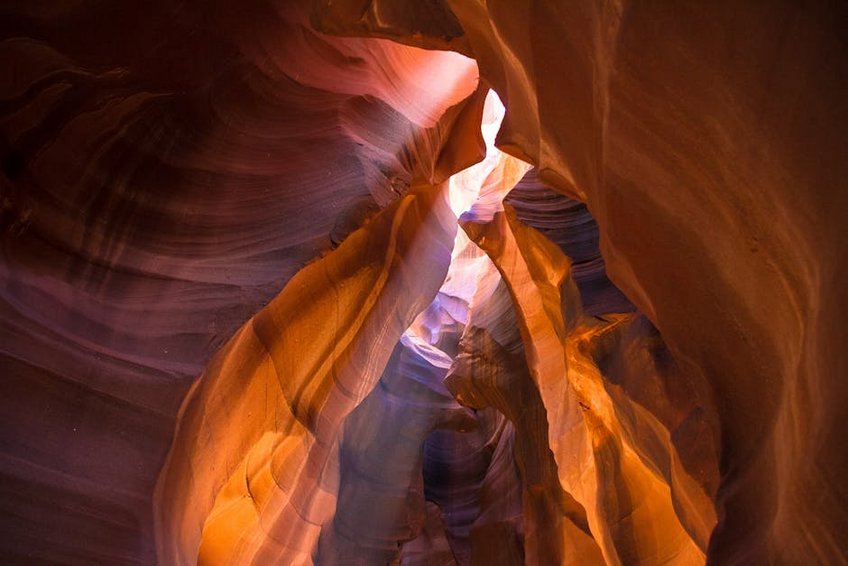
Antelope Canyon Light Beams: Capture Nature’s Masterpiece
Antelope Canyon light beams create one of America’s most spectacular natural photography opportunities, with sunlight piercing narrow sandstone passages in vibrant orange and purple hues. These iconic shafts appear primarily between late March and early October, requiring precise timing and Navajo-guided tours for access. This guide covers optimal visit periods, photography techniques, and practical planning for your Arizona adventure.
Essential Antelope Canyon Information
Upper and Lower Antelope Canyon form the primary sections of this Navajo Tribal Park near Page, Arizona, carved by flash flooding over millions of years. The narrow passageways range from 3 to 20 feet wide, with walls soaring 120 feet high in places, creating perfect conditions for light beam phenomena. Summer months bring the most dramatic light displays when the sun reaches its highest azimuth.
Geological Formation and History
Antelope Canyon’s sandstone walls reveal geological history through layered Navajo Sandstone deposits dating back 190 million years to the Jurassic Period. Flash floods from seasonal monsoon rains continue sculpting the narrow corridors, with water flow reaching speeds up to 50 mph during heavy storms. The Navajo Nation has protected this sacred site since 1997, requiring all visitors to join authorized guided tours.
Upper Versus Lower Canyon Differences
Upper Antelope Canyon features wider openings at ground level with light beams occurring more frequently, making it ideal for photographers seeking that iconic shot. Lower Antelope Canyon requires climbing ladders through narrower passages but offers more intimate canyon experiences with fewer crowds. Both sections provide stunning visual displays, though Upper sees more visitors due to easier accessibility.
- Upper Canyon: “The Crack” has ground-level entry, beams from 11 AM-1:30 PM March-October, 660 feet long
- Lower Canyon: “The Corkscrew” involves ladder descent, better light afternoon hours, 1330 feet length
- Seasonal Access: Both canyons close during rain/flood warnings for visitor safety
- General Tour: $40-80 per person includes basic 1.5-hour guided walk, available throughout daytime hours
- Photography Tour: $80-150 provides extended 2-hour access, tripod permission, and smaller groups for better shots
- Premium Experience: $200-300 includes private guide, exclusive time slots, and professional photography instruction
- Navajo Nation Parks and Recreation Department
- National Park Service – Glen Canyon National Recreation Area
Navajo Cultural Significance
Antelope Canyon holds deep spiritual meaning for the Navajo people, who call it “Tsé bighanílíní” meaning “the place where water runs through rocks”. Traditional stories describe the canyon formations as spiritual beings petrified in sandstone, with certain areas reserved for ceremonial practices. Visitors should approach with respect, following guide instructions and avoiding touching fragile canyon walls.
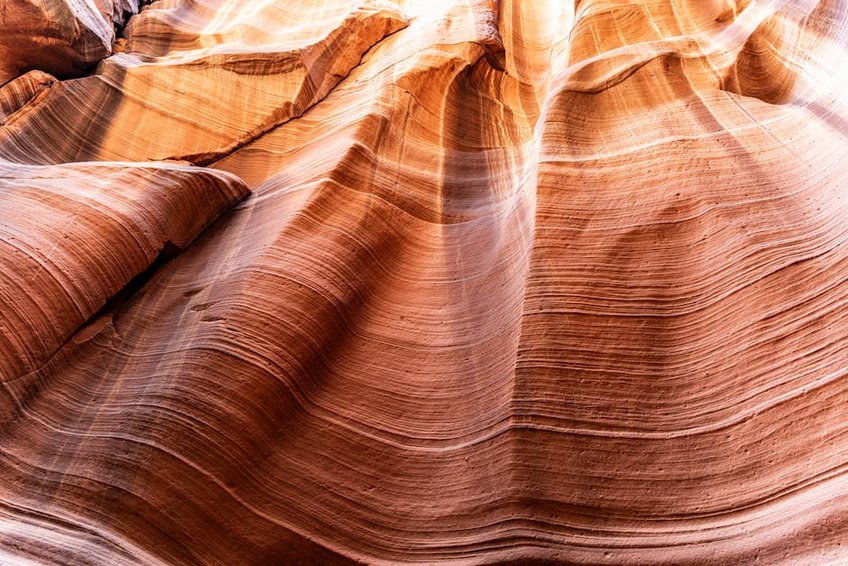
Alt: “antelope-canyon-sunlight-beams-narrow-sandstone-passage”
USA Antelope Canyon Light Beams – Planning Your Trip
Successful Antelope Canyon light beams photography requires booking tours 3-6 months in advance, especially for prime April-June photography sessions. Navajo guides provide essential safety information and know optimal beam locations, with tours lasting 1.5-2 hours depending on canyon section. Your USA Antelope Canyon light beams experience depends on proper timing, equipment preparation, and realistic expectations for weather conditions.
Best Time to Visit for Light Beams
Prime light beam season runs March 20-October 7 annually, with peak intensity occurring between 10:30 AM-1:00 PM depending on canyon section. Summer solstice around June 21 offers the most vertical beams, while spring and fall provide softer angled light with fewer visitors. Temperatures range from 45-85°F (7-29°C) during beam season, though canyon interiors remain 10-15°F cooler than outside.
Budget Planning and Costs
Antelope Canyon tours represent your largest expense, with prices varying by photography access and time of day.
Essential Preparation Checklist
Pack wide-angle lenses (10-24mm), polarizing filters, and protective camera covers since sand constantly falls from canyon walls. Wear closed-toe shoes with good traction for navigating uneven sandstone surfaces and bring 1-2 liters of water per person for hydration. Reserve online through authorized operators like Antelope Canyon Tours or Adventurous Antelope Canyon, confirming 48 hours before your scheduled visit.
Photography Techniques and Tips
Mastering Antelope Canyon photography requires understanding exposure compensation, as the extreme contrast between dark shadows and bright beams challenges camera meters. Shoot in RAW format to preserve detail in post-processing, using ISO 400-800, f/8-11 aperture, and shutter speeds around 1/60-1/125 second. Bracket exposures 2 stops over and under to blend later, since single shots rarely capture the full dynamic range successfully.
Camera Settings for Light Beams
Set white balance to daylight or shade preset around 5500K to maintain the canyon’s warm orange tones against cool shadow areas. Use manual mode with matrix/evaluative metering, then adjust exposure compensation +1 to +2 stops to prevent beams from appearing washed out. Enable mirror lock-up and use cable release or 2-second timer to minimize vibration during longer exposures in dim canyon light.
Composition and Framing Strategies
Include human figures for scale against massive canyon walls, positioning them where beams touch the ground for dramatic effect. Frame vertically to emphasize beam height and canyon depth, using leading lines from curved sandstone walls to draw eyes toward light sources. Vary perspectives between wide environmental shots and tight beam details, moving slightly between captures as beam patterns change minute by minute.
Gear Protection and Maintenance
Use clear UV filters and lens hoods to protect front elements from fine sand abrasion that constantly drifts downward. Carry rocket blowers and lens tissues to remove sand particles between shots, avoiding lens changes inside the canyon when possible. Weather-sealed camera bodies provide extra protection against environmental dust, though plastic bag covers work adequately for occasional visits.
Nearby Attractions and Activities
Page, Arizona serves as the perfect base for exploring Antelope Canyon alongside other Colorado Plateau wonders within 30 minutes driving. Horseshoe Bend offers spectacular river views just 10 minutes from downtown, while Lake Powell provides water-based recreation amid stunning red rock scenery. The wider region contains five national parks within 2.5 hours, making extended exploration highly rewarding.
Must-See Highlights
Horseshoe Bend’s 1,000-foot drop to the Colorado River creates iconic overlook opportunities, best photographed early morning or late afternoon. Glen Canyon Dam’s engineering marvel offers free tours explaining water management across the Southwest, with visitor center exhibits detailing regional geology. Lake Powell’s Wahweap Marina rents boats for exploring hidden coves and Rainbow Bridge National Monument, North America’s largest natural bridge.
Hidden Gems and Local Favorites
Waterholes Canyon requires permits and guided access but delivers intimate slot canyon experiences without Antelope’s crowds. The Toadstool Hoodoos trail features mushroom-shaped rock formations 45 minutes east, perfect for sunset photography sessions. Lone Rock Beach provides Lake Powell access with dramatic monolith views, while Paria Beach offers colorful claystone formations along the river’s edge.
Colorado River Adventures
Colorado River float trips depart from Lee’s Ferry, offering half-day to full-day excursions through dramatic Marble Canyon with optional helicopter returns. Kayak rentals navigate between Horseshoe Bend and Lee’s Ferry, passing petroglyph sites and wildlife viewing areas. Fishing guides target rainbow trout in cold tailwaters below Glen Canyon Dam, with equipment provided for all experience levels.
Practical Travel Information
Page, Arizona (PGA) connects via Phoenix (PHX) and Las Vegas (LAS) with daily flights on smaller regional carriers throughout the year. Rental cars provide flexibility for exploring surrounding attractions, though downtown Page remains walkable with most services concentrated along Lake Powell Boulevard. Summer temperatures frequently exceed 100°F (38°C), making early morning and evening activities more comfortable than midday exploration.
| Accommodation Type | Features and Locations | Price Range (USD) |
|---|---|---|
| Budget Hotels | Basic amenities, pool, downtown Page location, free parking | $80-120/night |
| Mid-Range Hotels | Lake views, breakfast included, fitness center, business services | $120-200/night |
| Vacation Rentals | Full kitchens, multiple bedrooms, washer/dryer, private patios | $150-300/night |
| Luxury Resorts | Lakefront access, spa services, fine dining, concierge | $250-500/night |