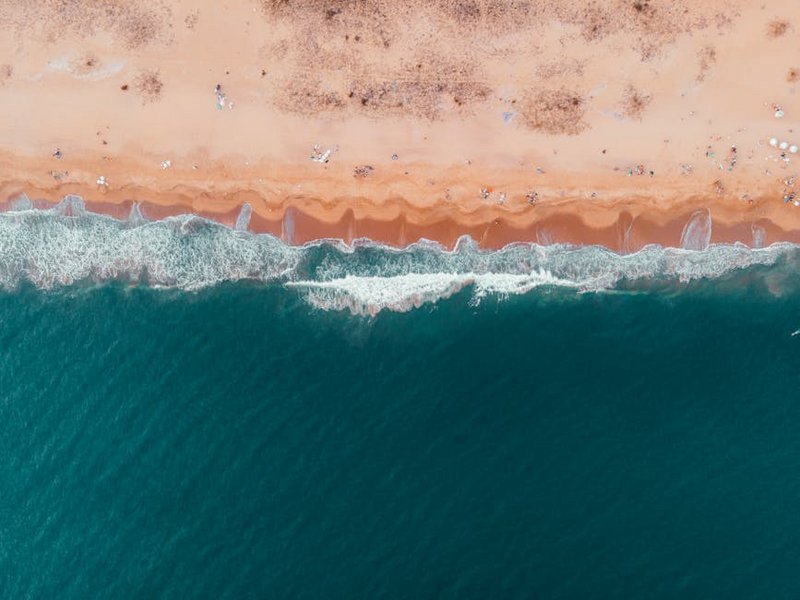
Uruguay Cabo Polonio Hippie Beach Town: Bohemian Coastal Escape
Uruguay Cabo Polonio Hippie Beach Town offers a unique off-grid experience along the Atlantic coast, attracting travelers seeking rustic charm and natural beauty. This remote village in Rocha province features sprawling sand dunes, sea lion colonies, and a laid-back bohemian atmosphere that has drawn free spirits for decades. Your visit combines coastal exploration with sustainable tourism practices in one of Uruguay’s most distinctive destinations.
Essential Information About Cabo Polonio
Cabo Polonio sits within a protected national park on Uruguay’s southeastern coastline, approximately 260 kilometers from Montevideo. The village remains deliberately undeveloped with no electrical grid or paved roads, preserving its raw natural environment. Access requires specialized 4×4 vehicles across seven kilometers of dunes, creating an immediate sense of adventure.
The area’s history traces back to 18th-century shipwrecks and lighthouse construction, with the current community forming around 1970s counterculture movements. Local residents maintain simple lifestyles focused on fishing, tourism, and environmental conservation. This creates an authentic bohemian beach experience unlike commercialized resorts.
Location and Geography Details
Cabo Polonio occupies a small peninsula within Cabo Polonio National Park, featuring diverse ecosystems across its 28,000 hectares.
- The village centers around a historic lighthouse built in 1881, standing 33 meters tall with panoramic coastal views.
- Massive mobile sand dunes reach heights of 30 meters, constantly reshaping the landscape between Atlantic beaches and freshwater lagoons.
- Two major sea lion colonies inhabit rocky islands just offshore, with populations exceeding 200,000 individuals during breeding season.
- Budget travelers spend $50-80 USD daily staying in hostel dorms, preparing simple meals, and using shared facilities. This covers basic food supplies, park entrance fees, and round-trip transportation from Montevideo.
- Mid-range visitors allocate $80-120 USD for private cabañas with solar power, restaurant meals featuring fresh seafood, and occasional guided tours. This budget includes comfortable lodging and local dining experiences.
- Luxury options reach $120-150 USD with premium cabañas featuring private bathrooms, daily restaurant dining, and private transportation services. These accommodations offer enhanced comfort while maintaining the rustic atmosphere.
- Uruguay Natural Tourism Board
- Lonely Planet Uruguay Guide
Environmental Significance
Cabo Polonio’s protected status conserves critical habitats for marine mammals, seabirds, and unique dune flora. The national park implementation in 2009 established visitor limits and conservation protocols. These measures protect fragile ecosystems while allowing sustainable tourism.
Visitors must respect strict environmental guidelines, including waste carry-out policies and designated pathways. The absence of infrastructure minimizes human impact on this pristine coastal environment. Your cooperation helps preserve this natural treasure.
Cultural Heritage and Community
The local community numbers approximately 95 permanent residents, maintaining simple homes and small businesses. Many families trace their presence here multiple generations, blending Uruguayan traditions with hippie philosophies. This creates a welcoming atmosphere for respectful travelers.
Community decisions often follow collective processes rather than formal governance structures. Residents prioritize environmental stewardship and cultural preservation over commercial development. You’ll find genuine hospitality among people committed to alternative lifestyles.
Uruguay Cabo Polonio Hippie Beach Town – Planning Your Trip
Planning your Uruguay Cabo Polonio Hippie Beach Town adventure requires careful preparation for its remote location and limited amenities. The village operates entirely on solar power and generators, with no ATMs, supermarkets, or medical facilities. Advance bookings for transportation and accommodation ensure a smooth experience.
Budget between $50-150 USD daily depending on accommodation style and dining preferences. The isolation increases costs for certain supplies, while simple living keeps other expenses minimal. Pack all essentials including cash, medications, and appropriate clothing.
Visit during shoulder seasons for optimal weather conditions and smaller crowds. The village’s charm stems from its rustic simplicity rather than luxury comforts. Embrace the opportunity to disconnect from modern conveniences.
Best Time to Visit Cabo Polonio
December through February offers warm beach weather with temperatures averaging 75-85°F (24-29°C) and vibrant community energy. These summer months bring larger crowds and higher accommodation prices, requiring reservations 2-3 months in advance. Sea lion pupping season occurs January through March.
March-May and September-November provide pleasant conditions with temperatures around 60-75°F (15-24°C) and reduced visitor numbers. Shoulder seasons deliver comfortable exploration weather without peak season congestion. Winter visits from June-August see temperatures of 50-60°F (10-15°C) with dramatic coastal storms.
Budget Planning and Costs
Daily expenses vary significantly based on accommodation choices and dining preferences.
Essential Preparation Checklist
Pack sturdy walking shoes, quick-dry clothing, swimwear, and multiple layers for changing coastal conditions. Essential items include headlamps or flashlights, portable power banks, reef-safe sunscreen, and reusable water bottles. The village has limited shopping options beyond basic supplies.
Carry sufficient Uruguayan pesos since credit cards receive limited acceptance and no ATMs operate locally. Bring any required medications, first aid supplies, and travel insurance documentation. Download offline maps and research transportation schedules before departure.
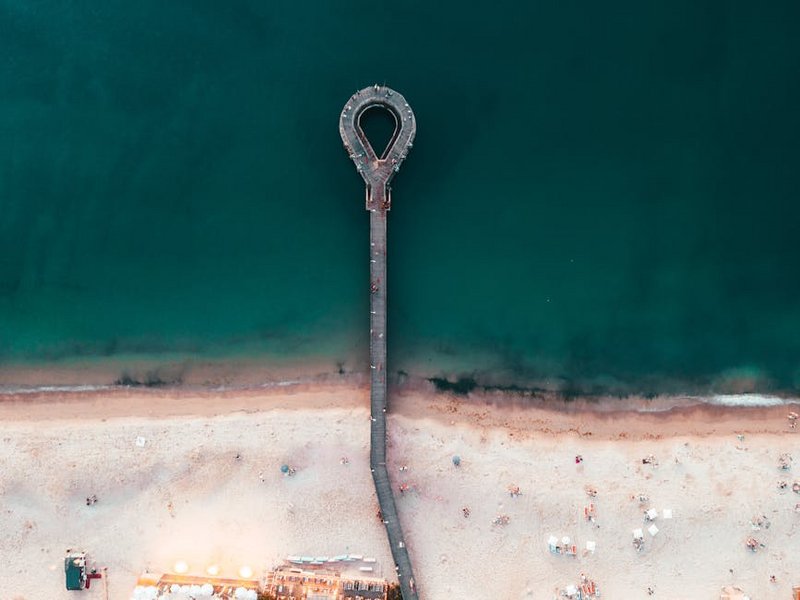
Alt: “cabo-polonio-sand-dunes-lighthouse-atlantic-coast-uruguay”
Top Attractions and Activities
Cabo Polonio’s natural wonders provide endless exploration opportunities across diverse landscapes. The village serves as base camp for discovering pristine beaches, unique wildlife, and breathtaking coastal scenery. Each day brings new adventures in this protected natural area.
Wildlife watching ranks among the premier activities, with sea lions, seals, and migratory birds visible throughout the year. The extensive dune system invites hiking and photography, while multiple beaches offer swimming and surfing conditions. Evening stargazing benefits from minimal light pollution.
Must-See Highlights
Climb the historic lighthouse for panoramic views spanning the entire peninsula and offshore islands. Constructed in 1881, the structure remains operational with guided tours available daily. The 360-degree perspective reveals the scale of surrounding dunes and ocean.
Visit the sea lion colonies on Isla de Marco and Isla Rasa, accessible via guided boat tours or visible from coastal viewpoints. Breeding season from December through March offers particularly active wildlife viewing. Maintain respectful distances from these protected animals.
Explore Playa Sur and Playa Norte, two distinct beaches separated by the village center. The northern beach features calmer waters ideal for swimming, while southern shores receive stronger Atlantic waves popular with surfers. Both offer spectacular sunset viewing.
Hidden Gems and Local Favorites
Discover freshwater lagoons hidden behind the primary dune system, home to unique bird species and tranquil swimming spots. Local guides know the safest access routes to these secluded oases. The lagoons provide refreshing alternatives to ocean swimming.
Visit during full moon periods for exceptional nighttime experiences when the landscape glows with natural illumination. Moonlight reflects brilliantly off white sand dunes and ocean surfaces. Many residents consider these the most magical times in the village.
Seek out artisan workshops where local craftspeople create jewelry, textiles, and artwork inspired by the natural surroundings. These small studios operate irregular hours but offer authentic souvenirs. Purchases directly support the community economy.
Wildlife and Nature Experiences
Join guided nature walks to learn about dune ecology, native plants, and animal tracking techniques. Knowledgeable local guides share insights about environmental conservation efforts. These tours typically cost $20-30 USD per person.
Whale watching opportunities exist between July and November when southern right whales migrate along the coast. Spotting platforms near the lighthouse provide optimal viewing positions. Boat tours increase sighting probabilities during peak season.
Practical Travel Information
Reaching Cabo Polonio involves multiple transportation stages from major Uruguayan cities. Most visitors arrive via bus to the park entrance, then transfer to authorized 4×4 trucks for the dune crossing. The journey itself becomes part of the adventure experience.
Accommodation ranges from basic hostel beds to private cabañas, all operating with limited electricity and water resources. Advance reservations prove essential, particularly during summer months. Communication challenges require flexibility in travel plans.
| Category | Options/Features | Price Range (USD) |
|---|---|---|
| Accommodation | Hostel dorms, private cabañas, guesthouses with shared bathrooms | $25-100/night |
| Food & Dining | Simple restaurants, seafood specialties, limited grocery selection | $15-40/day |
| Transportation | Bus to park entrance, 4×4 transfer, boat tours, walking | $20-60 round-trip |
| Activities | Lighthouse tours, wildlife watching, surfing lessons, guided hikes | $10-50/activity |