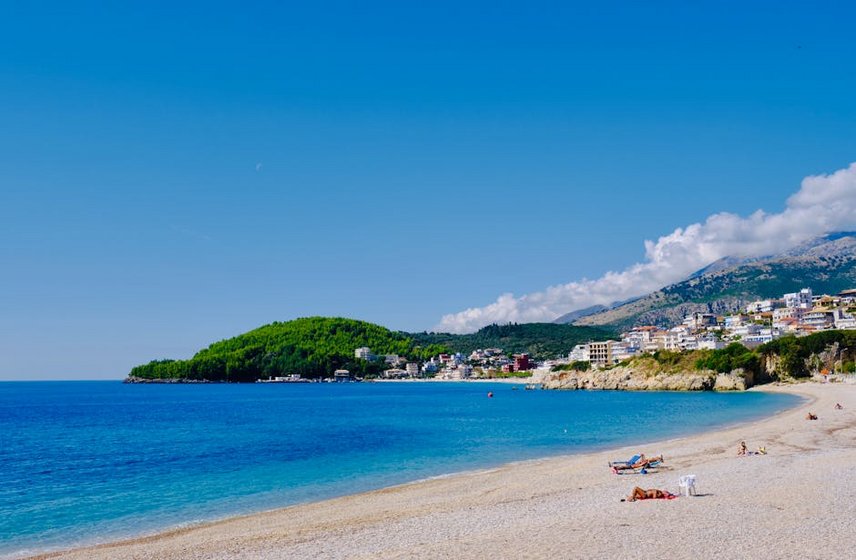
Undiscovered Beaches in Albania: A Coastal Escape Without the Crowds
Albania’s Riviera hides some of Europe’s last pristine coastal gems, where turquoise waters meet dramatic mountains without the dense tourist infrastructure of neighboring Mediterranean hotspots. These undiscovered beaches in Albania offer a raw, authentic experience, from secluded pebble coves only accessible by boat to long stretches of golden sand backed by olive groves and ancient ruins. This guide details where to find these hidden shores, how to plan your coastal adventure, and what to expect from Albania’s emerging but spectacular seaside escape.
Albania’s Coastal Landscape: An Introduction
Stretching over 450 kilometers along the Adriatic and Ionian Seas, Albania’s coastline is remarkably diverse and surprisingly undeveloped. The northern Adriatic coast features long, sandy beaches with shallow, warm waters, gradually transforming into the dramatic cliffs and secluded bays of the southern Ionian Riviera. This geographical variety means you can find a perfect spot whether you seek family-friendly sands or adventurous rocky inlets.
Much of this coast remained isolated for decades, preserving its natural beauty and traditional fishing villages. Today, while main hubs like Sarandë and Dhërmi see more visitors, vast sections remain blissfully quiet, offering a sense of discovery rarely found in Southern Europe. The lack of massive resorts has kept the landscape intact, with hillsides covered in fragrant maquis shrubland and old stone paths leading to the sea.
Understanding the Two Coasts
Your experience varies dramatically between the Adriatic and Ionian shores.
- The Adriatic Coast (north): Features long, sandy beaches like Velipojë, with very gentle slopes into the sea, ideal for families and warm swimming from May to October, with water temperatures reaching 77°F (25°C).
- The Ionian Coast (south): Known as the Albanian Riviera, this area is mountainous with pebble and sand beaches nestled in dramatic coves, offering cooler, crystal-clear waters perfect for snorkeling amid vibrant marine life.
- The Central Coast: A mix of sandy stretches and lagoons near cities like Durrës and Vlorë, providing historical sites alongside beach time, though these areas are more developed.
- Budget Traveler ($40-60/day): Stay in hostel dorms or basic guesthouses ($15-25/night), eat at local eateries (byrek for breakfast, hearty lunch for $5-7), use furgon minibuses for transport, and focus on free beaches. Your main cost will be a rental car split between travelers.
- Mid-Range Traveler ($80-120/day): Comfortable private rooms in guesthouses or boutique hotels ($40-60/night), dining at excellent seafood restaurants ($15-25 for dinner with wine), renting a small car, and taking occasional boat trips to remote beaches.
- Luxury Traveler ($200+/day): Staying at one of the few high-end design hotels or villas ($120+/night), private boat charters for the day ($150-200), fine dining, and guided hiking or cultural tours to combine with beach time.
- Albania Official Tourism
- Lonely Planet Albania Travel Guide
Why Albania’s Beaches Remain Hidden
Several factors have preserved the secret status of these coastal spots. Limited international flight connections until recently kept visitor numbers low compared to Greece or Croatia. Additionally, the tourism infrastructure is still growing organically, with family-run guesthouses and small restaurants dominating over large hotel chains. The coastline’s topography, with mountains plunging into the sea, naturally hides many bays from main roads, requiring short hikes or boat trips for access.
Local preservation efforts also play a role, with areas like the Karaburun-Sazan Marine Park protecting ecosystems from overdevelopment. This combination means you can still find a quiet stretch of sand in peak summer, especially if you’re willing to explore beyond the most famous names on the map.
Best Bases for Exploration
Choosing the right town as your base maximizes your access to secluded spots. Himarë offers a perfect balance, with a lovely main beach, excellent restaurants, and proximity to countless hidden coves both north and south along the coast. For a more rustic feel, the village of Qeparo, split between its old hilltop town and new seaside area, provides immediate access to quiet pebble beaches. Further south, the area around Lukovë serves as a gateway to the utterly remote beaches near the Greek border.
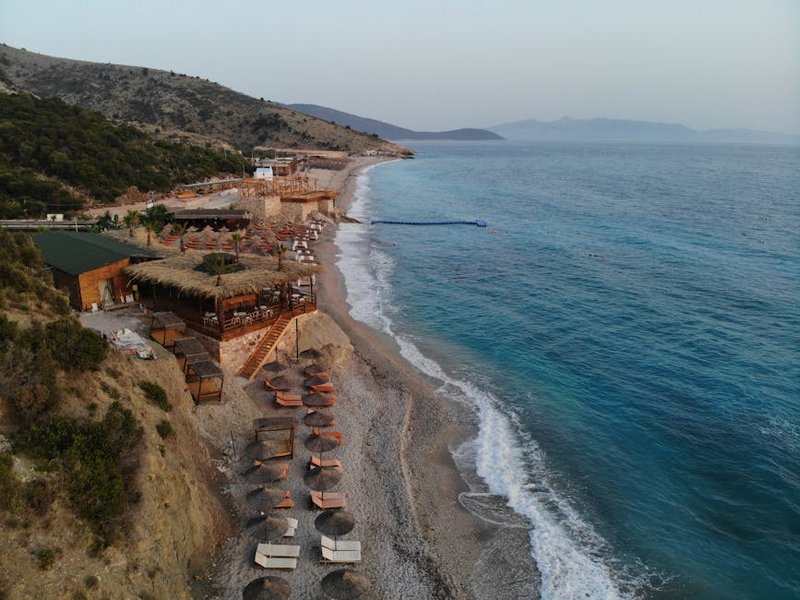
Alt: “albanian-riviera-secluded-cove-turquoise-water-mountains”
Undiscovered Beaches in Albania – Planning Your Coastal Trip
Successfully exploring these coastal gems requires a different approach than visiting a mainstream resort. You’ll need to consider transportation carefully, as public buses only serve main towns, leaving the best spots inaccessible without your own vehicle or a local boat taxi. Timing is also crucial; July and August bring European vacationers to the popular spots, but even then, weekdays and mornings on the Riviera remain peaceful. Your budget can stretch far here, with fantastic meals and accommodation costing a fraction of neighboring countries.
Focus your planning on flexibility. Weather in the mountains can affect road access to some beaches, and discovering your own favorite cove is part of the adventure. Embrace the slow pace, where a lunch of fresh grilled fish at a family-owned taverna might become the day’s main event. With the right preparation, your journey along this coastline will feel like a genuine exploration, not a checklist tour.
Best Time to Visit Albania’s Coast
Visit the Albanian coast between late May and late June or in September for ideal conditions. These shoulder months offer warm air temperatures of 75-85°F (24-29°C) and pleasantly swimmable sea temperatures around 70-75°F (21-24°C). You’ll avoid the peak summer crowds and higher prices of July and August while still enjoying long, sunny days.
The water remains warm enough for swimming into October, though some beach bars and seasonal restaurants may begin to close. April and May are beautiful for hiking and photography, with wildflowers blooming, but the sea will be too cold for most swimmers. Winters are mild but wet, with many coastal businesses shut until Easter.
Budget Planning and Costs
A coastal trip here offers exceptional value across all budgets.
Essential Preparation Checklist
Pack sturdy sandals or water shoes, as many beaches are pebbly or rocky underfoot. Reef-safe sunscreen is a must to protect the pristine marine environment, along with a reliable power bank for your phone, as you may be off-grid for hours. Bring a lightweight Turkish towel that dries quickly and a reusable water bottle to minimize plastic waste in areas with limited services.
Ensure your passport has at least six months validity, though US and EU citizens receive a free 90-day stamp on arrival. Arrange an international driver’s permit if renting a car, as local police may request it. Download offline maps via Maps.me or Google Maps for the coastal roads, and secure travel insurance that covers road trips in Albania.
Top Secluded Beaches and Coves
The true magic of this coastline lies in the bays you won’t find on postcards. South of Himarë, a series of small pebble coves like Aquarium Beach and Livadh Beach offer stunning clarity for snorkeling right from the shore, with underwater visibility often exceeding 30 feet. North of Vlorë, the dramatic Karaburun Peninsula remains largely roadless, its beaches like Shën Jan accessible only by boat or a demanding hike, guaranteeing solitude.
Near the ancient city of Butrint, a UNESCO World Heritage site, you can combine history with beach time at places like Mirón Beach, a local favorite with views across the channel to Corfu. The extreme southern coast near Konispol feels like the edge of the world, with wild, windswept shores rarely visited by foreign tourists. Each area offers a distinct personality, from the pine-shaded sands of the north to the dramatic cliff-framed pebble bays of the deep south.
Must-See Hidden Highlights
Gjipe Beach is a non-negotiable stop, a spectacular canyon beach where a river meets the sea. Park at the cafe and take the 25-minute downhill hike to reach this secluded paradise, where basic camping and a seasonal bar operate. Further south, Filikuri Beach near Borsh is a long, wide pebble beach with incredibly blue water, backed by mountains and massive olive groves, offering a sense of space even in summer.
For a unique adventure, seek out Krorez Beach, accessible only by a steep, rocky path or by boat from Dhermi. Its crescent of white pebbles and staggering blue water is worth the effort. Meanwhile, locally loved Potami Beach near Xare offers a long stretch of sand and pebbles with several excellent, family-run fish tavernas right on the shore, perfect for a long lunch.
Beaches Accessible Only by Boat or Foot
The most pristine spots require extra effort. From the port of Himarë, daily boat taxis ferry visitors to a string of completely inaccessible coves like Llamani and Rrizi, where you’ll share the space with just a handful of other people. You can often arrange for the boat to drop you in the morning and pick you up in the afternoon, giving you a private beach for the day for around $15-20 per person.
Hikers can explore the coastal trail from Livadh to Gjipe, which passes several unnamed, empty inlets perfect for a solitary swim. Similarly, the path from the Llogara Pass down to Dhermi offers breathtaking views and leads to smaller beaches above the main resort area. Always bring ample water, wear proper shoes, and tell someone your route when venturing on these trails.
Family-Friendly Secluded Spots
Families seeking quieter sands should head to Bunec Beach, a long, gentle curve of mixed sand and small pebbles with extremely shallow, calm waters ideal for young children. The nearby village has a few rental rooms and simple restaurants. Similarly, the northern part of Dhërmi Beach, away from the main promenade, offers more space and quieter swimming conditions while still having amenities like sunbed rentals and cafes within a short walk.
Practical Travel and Logistics
Navigating the Albanian coast is an adventure in itself. The main highway, the SH8, is a well-paved but spectacularly winding road along the Riviera, requiring confident driving. Rental cars are the most efficient way to explore; book in advance from Tirana Airport or the city center, expecting to pay $25-40 per day for a small manual vehicle. International providers like Hertz and local firms like 5 Star Rent a Car offer reliable options.
Accommodation ranges from basic guesthouses to a growing number of stylish boutique hotels. Booking.com and Airbnb list most options, but for the smallest, family-run places, you may need to call directly or book through their Facebook pages, especially for longer stays. In peak season, reserve at least two months ahead for the most popular villages like Himarë or Ksamil.
| Transportation Method | Key Features & Best For | Approximate Cost (USD) |
|---|---|---|
| Rental Car | Maximum freedom to explore remote coves; necessary for north coast beaches. Book with full insurance. | $25-$45/day |
| Furgon (Minibus) | Connects major coastal towns (Sarandë, Himarë, Vlorë) cheaply. Infrequent, no set schedule. | $3-$10 per segment |
| Local Boat Taxi | Access beaches with no road; arrange at village ports. Perfect for day trips to secluded coves. | $15-$50 per trip/group |
| Hiring a Driver | Good for day tours from a base; allows you to enjoy scenic routes without navigating. | $80-$120 for a full day |