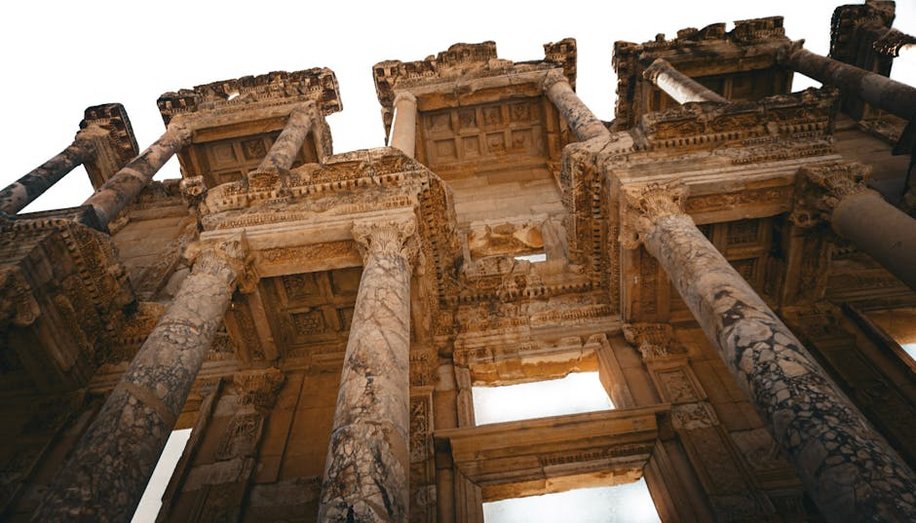
Turkey Ephesus Ancient Library: Unlocking History’s Greatest Treasures
Exploring the Turkey Ephesus Ancient Library immerses you directly into one of antiquity’s most sophisticated urban centers, where the Library of Celsus stood as the Roman Empire’s third-largest collection with capacity for 12,000 scrolls. This archaeological marvel showcases impeccably preserved marble facades, intricate relief sculptures, and advanced Roman engineering that supported both scholarly pursuits and public gatherings. Your visit reveals not just a single structure but an entire ancient metropolis frozen in time, offering unparalleled insight into classical civilization’s intellectual and architectural achievements.
Essential Ephesus Information
Ephesus represents one of the Mediterranean’s best-preserved classical cities, founded in the 10th century BC and flourishing under Roman rule from 129 BC. The library itself was constructed between 110-135 AD by Tiberius Julius Aquila as a mausoleum and library honoring his father, Tiberius Julius Celsus Polemaeanus, whose sarcophagus remains beneath the building. This UNESCO World Heritage site spans approximately 662 acres, though the main archaeological zone covers about 44 acres that visitors can explore extensively.
The ancient city’s strategic location near the Cayster River made it a crucial trading hub, eventually becoming the Roman Empire’s second-largest city after Rome with nearly 250,000 residents. Ephesus maintained significance through multiple eras including Greek, Persian, Roman, and Byzantine periods, with the library surviving numerous earthquakes and reconstructions. Modern conservation efforts have carefully restored the facade using approximately 80% original materials, ensuring authenticity while stabilizing the structure for future generations.
Historical Significance and Timeline
Understanding Ephesus’ chronological development helps contextualize the library’s importance within the broader ancient world.
- 10th Century BC: Ionian Greek settlers establish Ephesus, developing the Artemis Temple that became one of the Seven Wonders of the Ancient World.
- 129 BC: Rome incorporates Ephesus into its empire, beginning two centuries of monumental construction including theaters, temples, and the Celsus Library.
- 262 AD: Goths sack the city, though the library survives with damage that requires subsequent restoration efforts.
- Budget travelers should plan $40-60 daily covering hostel accommodations, self-guided exploration, local transportation, and street food meals while utilizing the Museum Pass for site entries.
- Mid-range visitors typically spend $100-150 daily for comfortable hotels with breakfast, guided small-group tours, restaurant dinners, and taxi transportation between sites with more flexibility.
- Luxury experiences range $250-400 daily featuring five-star resorts, private guided tours with early access, fine dining, and chauffeur services ensuring seamless transitions between archaeological sites.
- Turkish Ministry of Culture and Tourism – Ephesus Museum
- UNESCO World Heritage Centre – Ephesus Listing
Geographical Context and Access Points
Ephesus occupies the western coast of Turkey near modern Selçuk in Izmir Province, approximately 80 kilometers south of Izmir city. The archaeological site sits 3 kilometers from Selçuk town center, with the library positioned along the Curetes Street processional way between the Hercules Gate and Temple of Hadrian. This strategic placement ensured maximum visibility for visitors entering from the Harbor Street, emphasizing the library’s importance within the urban landscape.
Modern access routes include the Adnan Menderes Airport (ADB) in Izmir, served by international carriers like Turkish Airlines, Lufthansa, and British Airways. From the airport, direct buses to Selçuk take approximately 60 minutes, while rental cars provide flexibility for exploring additional sites like the House of Virgin Mary and Basilica of St. John. The nearby Kusadasi cruise port brings daily visitors during the April-October Mediterranean cruise season.
Architectural Marvels Beyond the Library
While the Library of Celsus dominates photographic representations, Ephesus contains numerous equally impressive structures demonstrating Roman urban planning. The Great Theatre could accommodate 25,000 spectators for gladiatorial contests and political assemblies, featuring impeccable acoustics that still function today. The Terrace Houses showcase exquisite mosaics and frescoes preserved under protective roofing, offering glimpse into elite Roman domestic life with heating systems and private baths.
The Temple of Artemis foundation remains visible near the site entrance, though only one reconstructed column stands where the original wonder once reached 18 meters height. Marble Street connects major monuments with grooves from ancient cart wheels still visible, while the Scholastica Baths demonstrate advanced Roman hygiene practices with separate hot, warm, and cold chambers. Each structure contributes to understanding how knowledge, commerce, and daily life intertwined in this sophisticated ancient metropolis.
Alt: “ephesus-library-celsus-facade-marble-columns-turkey”
Turkey Ephesus Ancient Library – Planning Your Trip
Successful Turkey Ephesus Ancient Library exploration requires strategic timing to avoid extreme heat and overwhelming crowds that can diminish the experience. April through May and September through October provide ideal conditions with temperatures ranging 65-75°F (18-24°C) and significantly smaller visitor numbers compared to summer months. These shoulder seasons also offer better accommodation availability in nearby Selçuk and Kusadasi, with prices approximately 30% lower than peak summer rates.
Your Turkey Ephesus Ancient Library itinerary should allocate minimum four hours for thorough exploration, including the library facade, terrace houses, great theatre, and archaeological museum. Early morning arrivals between 8-9 AM help you experience the marble structures in optimal morning light while avoiding the 11 AM-3 PM peak when cruise ship excursions arrive. Consider purchasing the Museum Pass Aegean for 700 Turkish Lira (approximately $25) providing access to Ephesus and eleven other regional sites over seven days.
Physical preparation proves essential since the archaeological site involves considerable walking on uneven ancient stone surfaces with minimal shade structures. Comfortable walking shoes with good traction, sun protection including hats and sunscreen, and at least two liters of water per person make the difference between an enjoyable visit and exhausting ordeal. Guided tours typically cover 2-3 kilometers of walking with numerous stairs and inclined pathways throughout the excavation area.
Best Time to Visit Ephesus Library
Visit between April-May or September-October for optimal weather conditions averaging 68°F (20°C) with minimal rainfall under 2 inches monthly. These months provide comfortable exploration temperatures without the extreme heat that frequently reaches 95°F (35°C) during July-August, making extended outdoor exposure challenging. Shoulder seasons also feature smaller crowds, with daily visitor numbers around 3,000 compared to summer peaks exceeding 8,000 people.
Winter months from November through March offer the smallest crowds but bring cooler temperatures around 50°F (10°C) and higher rainfall averaging 5 inches monthly. While you’ll experience minimal waiting at popular photo spots like the library facade, some facilities may have reduced hours and nearby attractions like the terrace houses might close during heavy rain. December and January see only 1,500 daily visitors on average, creating opportunities for contemplative exploration without distraction.
Budget Planning and Costs
Ephesus visitation costs vary significantly based on accommodation choices, dining preferences, and transportation methods.
Essential Preparation Checklist
Physical preparation should include broken-in walking shoes with arch support, moisture-wicking clothing in layers, and a daypack carrying water, snacks, and protective gear. The archaeological site contains minimal shaded areas and temperatures can fluctuate significantly throughout the day, making adaptable clothing essential for comfort. Consider using hiking poles if you have mobility concerns since the ancient marble pathways become slippery when wet and involve numerous uneven surfaces.
Documentation requirements include valid passports with at least six months validity for most Western nationalities, while US, UK, and EU citizens need e-Visas costing approximately $50. Travel insurance covering archaeological site entry fees proves valuable since tickets are non-refundable, and medical evacuation coverage provides peace of mind given the remote location. Book accommodations three months in advance for April-June and September-October visits, with guided tours reserved at least four weeks ahead during these popular periods.
Top Ephesus Attractions and Activities
Beyond the iconic library facade, Ephesus contains numerous well-preserved structures that collectively illustrate urban life in the Roman Empire. The Terrace Houses require separate admission but deliver exceptional insight into domestic architecture with intact mosaic floors, frescoed walls, and advanced plumbing systems that served wealthy merchants and officials. These residential complexes feature central courtyards, private baths, and heating systems demonstrating the sophisticated lifestyle enjoyed by Ephesus’ elite citizens.
The Great Theatre dominates the lower city with its massive 38-meter diameter orchestra and three-story stage building that hosted performances for up to 25,000 spectators. Originally constructed during Hellenistic period and expanded under Roman rule, this venue later hosted gladiatorial games and Christian gatherings following St. Paul’s visits documented in biblical texts. Acoustics remain so precise that modern visitors can clearly hear unamplified speech from the stage while standing in the highest seating sections.
Curetes Street serves as the main processional way connecting upper and lower city sections, lined with reconstructed columns, honorary statues, and commercial shop foundations. This marble-paved roadway features grooves from ancient cart traffic and inscriptions honoring benefactors who funded municipal improvements throughout Ephesus’ history. The street gradually descends toward the library, creating dramatic visual approaches that emphasize the structure’s architectural prominence within the urban plan.
Must-See Historical Highlights
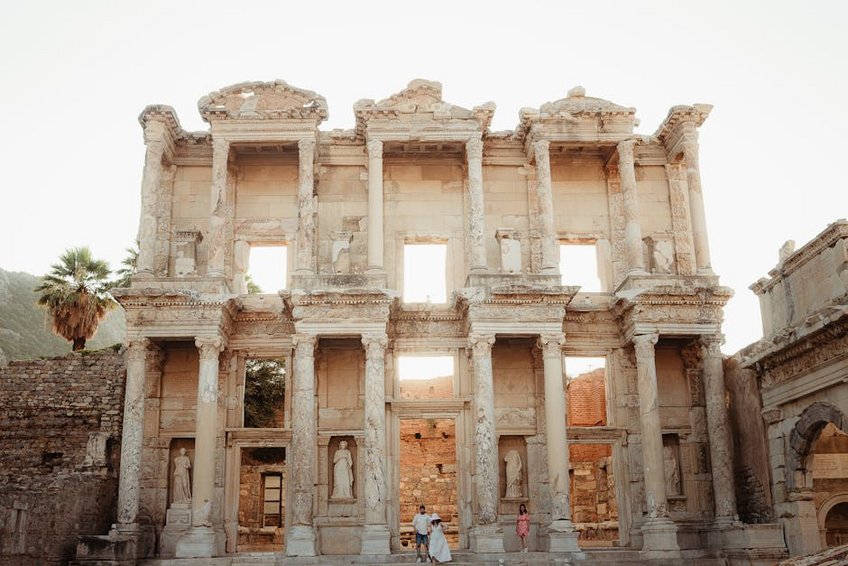
The Library of Celsus facade represents Ephesus’ most photographed structure, standing 16 meters tall with four female statues representing Wisdom, Virtue, Intelligence, and Knowledge. These copies replaced originals now displayed in Vienna’s Ephesus Museum, while the interior once housed approximately 12,000 scrolls in niches protected from humidity by a double-wall construction technique. Early morning visits between 8-9 AM provide the best photography conditions with soft side lighting and minimal tourist crowds obstructing views.
The Temple of Hadrian features an elaborately decorated arch and relief panels depicting mythological foundation stories, located just 100 meters from the library along Curetes Street. This Corinthian-style temple honored Emperor Hadrian’s 128 AD visit and underwent significant restoration in the 1950s using original architectural fragments discovered during excavations. The structure’s tympanum contains a relief of Tyche, the city’s protective deity, emphasizing the blend of imperial worship and local religious practices.
Hercules Gate marks the transition between upper and lower city sections, named for relief sculptures of Hercules wearing his lion skin that adorn the gateway. This monumental entrance dates to the 4th century AD and was constructed using materials repurposed from earlier structures, demonstrating common Roman conservation practices. The gate’s strategic placement controlled access to the commercial and administrative heart of ancient Ephesus while symbolically separating residential and public zones.
Hidden Gems and Local Favorites
The Pollio Fountain located near the Domitian Square features a reconstructed arch and basin that once provided public water access, with original statues now displayed in the Ephesus Museum. This lesser-visited monument demonstrates Roman hydraulic engineering through its connection to the Marnas River aqueduct system that supplied fresh water throughout the city. Inscriptions identify C. Sextilius Pollio as the benefactor who funded construction around 93 AD, highlighting the civic patronage system.
The Memmius Monument stands northwest of the Celsus Library, honoring Gaius Memmius, grandson of the Roman dictator Sulla, who contributed significantly to Ephesus’ development. This four-sided monumental tomb features reliefs depicting various mythological scenes and inscriptions detailing the Memmius family’s contributions to the city’s infrastructure and public works. Many visitors overlook this structure while heading toward the more famous library, creating opportunities for contemplative examination without crowds.
The Temple of Domitian, dedicated to the Roman emperor Domitian, represents one of Ephesus’ first imperial cult temples with surviving foundations and column fragments. Located near the Upper Agora, this structure once featured a colossal statue of the emperor that measured approximately 7 meters tall, fragments of which are displayed in the Ephesus Museum. The temple’s scale and prominent hillside location emphasized the growing importance of emperor worship during the 1st century AD.
Guided Tour Options and Special Access
Standard guided tours typically cover the main archaeological zone in 2-3 hours, focusing on the library, theatre, and major temples while providing historical context. These group excursions cost $25-40 per person and depart regularly from Selçuk and Kusadasi, with English-speaking guides included in the price. Larger groups sometimes struggle with audio clarity in crowded areas, making individual audio guides a worthwhile alternative at approximately $10 for more flexible exploration.
Specialized archaeological tours led by licensed experts provide deeper insight into specific aspects like engineering, daily life, or religious practices for $60-100 per person. These smaller groups typically limit participants to 8-12 people and often include access to restricted areas like ongoing excavation sites when available. Early morning private tours starting at 7:30 AM offer exclusive library access before general public admission, though these premium experiences cost $150-250 for two hours.
Combination tours incorporating Ephesus with nearby attractions like the House of Virgin Mary, Temple of Artemis, and İsa Bey Mosque provide comprehensive regional understanding. These full-day excursions typically cost $80-120 including transportation, lunch, and entrance fees, making efficient use of limited time for visitors on tight schedules. Specialized photography tours focus on optimal lighting conditions and composition techniques for capturing the library and other structures throughout different times of day.
Practical Ephesus Travel Information
Transportation to Ephesus primarily routes through Izmir’s Adnan Menderes Airport (ADB), located 60 kilometers north with frequent domestic and international connections. Direct flights connect from Istanbul (1 hour), Ankara (1 hour), and major European hubs including London, Frankfurt, and Amsterdam during peak season. From the airport, Havas shuttle buses depart hourly for Selçuk (60 minutes, $5), while taxis cost approximately $40 for the same journey with more flexibility.
Accommodation options range from basic guesthouses in Selçuk starting at $30 nightly to luxury resorts in Kusadasi costing $150-300, with most properties offering Ephesus transportation. Selçuk provides walking access to the archaeological site entrance (20 minutes) and the excellent Ephesus Museum, while Kusadasi offers beachfront locations 20 kilometers away requiring taxi or dolmuş (shared minibus) transportation. Booking.com and Airbnb list numerous traditional stone houses and boutique hotels in Selçuk’s historic center with authentic Turkish hospitality.
| Category | Options/Features | Price Range (USD) |
|---|---|---|
| Budget Accommodation | Hostels and guesthouses in Selçuk with shared bathrooms, basic breakfast included, walking distance to site | $30-50/night |
| Mid-Range Hotels | Boutique hotels with private bathrooms, swimming pools, on-site restaurants, shuttle service to Ephesus | $70-120/night |
| Luxury Resorts | Five-star beachfront properties in Kusadasi with spas, multiple restaurants, private tours, chauffeur service | $150-300/night |
| Transportation | Rental cars, taxis, dolmuş shared minibuses, organized shuttle services from major hotels | $5-50/day |