Turkey Amasya Citrus Festival: A Celebration of Ottoman Heritage and Golden Oranges
The Turkey Amasya Citrus Festival, held annually along the banks of the Yeşilırmak River, is a captivating blend of historical pageantry and agricultural celebration. This event transforms the scenic city into a vibrant hub where the aroma of citrus fills the air, and locals celebrate their most famous agricultural product. Your visit offers a unique chance to witness traditional competitions, taste exceptional local varieties, and explore Amasya’s stunning Ottoman-era architecture in a festive atmosphere.
Essential Festival Information and Background
The Amasya Citrus Festival is a relatively modern tradition with deep historical roots in the region’s agricultural identity. Amasya has been a center for fruit cultivation for centuries, benefiting from its unique microclimate created by the river valley and protective mountains. The festival was established to promote this heritage and support local growers, turning the annual harvest into a significant cultural event for the entire province.
Celebrated over several days, the event schedule is packed with activities ranging from folk dance performances to agricultural symposiums. It’s officially organized by the Amasya Governorship and Municipality, ensuring a well-coordinated experience. The timing coincides with the peak harvest period for the region’s famed sweet oranges and tangerines, making the produce exceptionally fresh and flavorful for visitors.
History and Cultural Significance
The cultivation of citrus in this northern Anatolian region dates back to the Ottoman era, when the fruits were prized in the palaces of Istanbul. The festival itself, however, began in the late 20th century as a means of economic and cultural revitalization. It symbolizes the pride of local farmers and their connection to the land, serving as a living link between the area’s rich past and its present-day community.
What to Expect at the Event
Upon arrival, you’ll find the festival grounds typically set up in key public spaces like the riverfront promenade. The atmosphere is family-friendly and bustling with energy. Central stages host continuous entertainment, while surrounding stalls create a massive open-air market. The scent of citrus is pervasive, mingling with the smells of traditional Turkish foods being prepared onsite.
- Golden Orange Competitions: Farmers present their best produce for judging, with prizes awarded for the largest, sweetest, and most visually perfect fruits. This is a fantastic opportunity to see the incredible variety grown locally.
- Cultural Performances: Traditional Turkish folk groups, known as “halk oyunları,” perform dances from the Black Sea and Central Anatolia regions. Music concerts featuring both classical Turkish and contemporary artists are held in the evenings.
- Agricultural Fairs and Exhibitions: Stalls line the streets, selling not just oranges and tangerines, but also local products like soaps, marmalades, and essential oils made from citrus. It’s the best place to buy direct from producers.
- Budget Traveler ($40-70 USD/day): Stay in a local pension or guesthouse, eat at street food stalls and lokantas, and use intercity buses for transport. Your main expense will be purchasing citrus products and souvenirs from the festival market.
- Mid-Range Traveler ($80-150 USD/day): This budget allows for a boutique hotel in a restored Ottoman house, meals at good restaurants, and the convenience of renting a car or taking domestic flights from Istanbul. You can comfortably join paid guided tours of historical sites.
- Luxury Traveler ($200+ USD/day): Opt for the highest-end boutique hotels with river views, private guides for historical tours, and fine dining experiences. This budget also enables flexible travel with last-minute domestic flights and premium purchases at the agricultural fair.
- Amasya Metropolitan Municipality Official Website
- Republic of Turkey Ministry of Culture and Tourism Portal
Location and Festival Zones
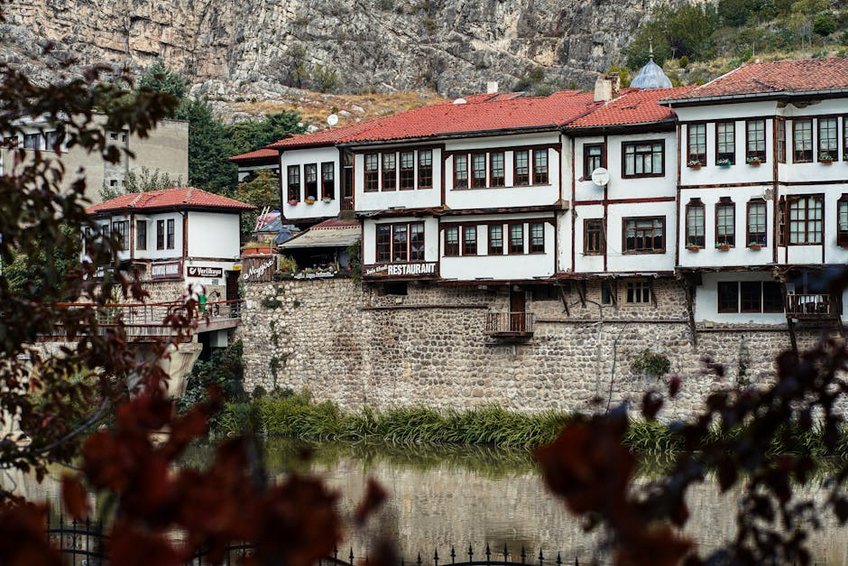
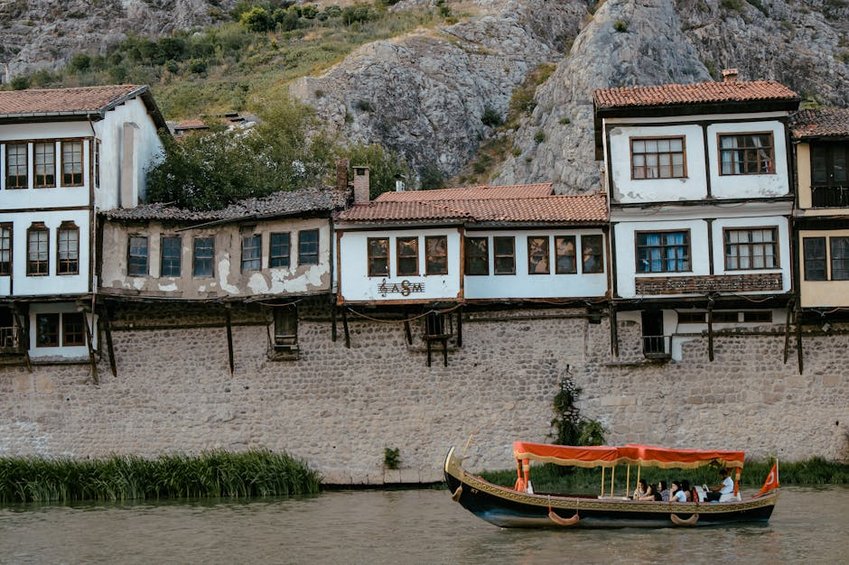
The celebration is centered in Amasya city, with main events along the Yeşilırmak River near the iconic Ottoman houses. Key zones include the main stage area on the city’s central square, the producer’s market on İstasyon Caddesi, and the food court offering regional specialties. Historical sites like the Amasya Castle and the Rock Tombs often have special extended hours or events during the festival period.
Alt: “amasya-citrus-festival-riverfront-stalls-ottoman-houses”
Turkey Amasya Citrus Festival – Planning Your Trip
Attending this unique event requires some specific planning to make the most of the seasonal celebration and the historical city. Your Turkey Amasya Citrus Festival experience will be greatly enhanced by booking accommodations early, as the city’s charming boutique hotels fill up quickly. Focus your itinerary on balancing festival events with exploration of Amasya’s unparalleled archaeological sites for a complete visit.
Budget considerations should account for domestic flights or long-distance bus travel to reach Amasya, which is not a major international hub. Once there, costs are moderate by Turkish standards, with festival events being largely free to attend. Allocate funds for purchasing citrus products and dining at local restaurants specializing in river fish and regional dishes.
Best Time to Visit for the Citrus Festival
The festival is consistently held in the last week of October. This period aligns with the peak harvest season for Amasya’s oranges and tangerines, ensuring the fruit is at its juiciest and most flavorful. Daytime temperatures in late October are pleasant, averaging 15-18°C (59-64°F), while evenings can be cool, dropping to 6-8°C (43-46°F).
Visiting during the exact festival dates guarantees the full programmed experience but also brings the largest crowds. If you prefer slightly quieter exploration of the city, consider arriving a day before the festival opens or staying a day after it concludes. The autumn colors in the surrounding valley are also spectacular during this time, adding to the scenic beauty.
Budget Planning and Costs
Your total cost depends heavily on your origin city and accommodation style. The festival itself is free, making it an excellent value cultural experience.
Essential Preparation Checklist
Pack layers of clothing, including a warm jacket or sweater for cool evenings and a waterproof shell, as autumn showers are possible. Comfortable walking shoes are non-negotiable for navigating the festival grounds and the city’s hilly, cobblestone streets. Bring a reusable tote bag for carrying your citrus purchases from the market stalls.
International travelers from the US, UK, or EU need either an e-Visa or visa-on-arrival for Turkey, which should be arranged before departure. While not mandatory for the city itself, travel insurance is recommended. Book your hotel at least two to three months in advance if your stay coincides with the festival weekend, as options are limited.
Top Attractions and Festival Activities
Beyond the citrus stalls, Amasya offers a profound historical journey. The city’s most striking feature is the row of Ottoman wooden houses, painted in white and lining the river, which are beautifully illuminated at night. The ancient Rock Tombs of the Pontic Kings, carved dramatically into the limestone cliff face above the city, are a must-see at any time of day.
The festival program includes unique activities like citrus decorating workshops and cooking demonstrations showing how to use oranges in traditional Turkish cuisine. A highlight is the parade featuring floats decorated with citrus fruits and local folk costumes, which winds through the main streets. Many museums, including the Archaeological Museum and the Hazeranlar Mansion, offer free or discounted entry during the event.
Must-See Historical Highlights
The Amasya Castle (Harşena Fortress), perched high on the rocky hill, offers panoramic views of the entire festival scene below. The climb is steep, but taxis are available partway. Sultan II. Beyazıd Külliyesi is a magnificent Ottoman complex housing a mosque, theological school, and soup kitchen, representing superb 15th-century architecture.
Don’t miss the Ferhat Water Channel, an ancient Roman engineering marvel that still brings water to the city. The Sabuncuoğlu History of Medicine Museum, located in a former hospital, provides fascinating insight into early Ottoman medical practices. All these sites are within walking distance of the main festival activity zones along the river.
Hidden Gems and Local Favorites
Venture across the river to the quieter neighborhoods to find authentic local tea gardens (çay bahçesi) where residents relax. The small bazaar area behind the main street offers better prices on textiles and crafts than the stalls targeting tourists. For a memorable experience, take a short evening cruise on the Yeşilırmak River to see the illuminated Ottoman houses and cliffs from the water.
Locals often escape the festival crowds by hiking partway up the hillside to smaller, quieter cafes with stunning views. Ask for directions to the “Kuş Köprüsü” (Bird Bridge) area for a peaceful spot. The smaller municipal greenhouses on the city’s outskirts sometimes offer informal tours if you ask politely, showing the cultivation process up close.
Photography and Scenic Viewpoints
The most iconic photograph is taken from the opposite bank of the river, capturing the reflection of the wooden houses and the cliff tombs in the water, especially at the “Golden Hour” before sunset. The festival provides vibrant color with its stacked citrus displays and decorated floats. The bridge crossings offer excellent vantage points for crowd shots and activity scenes during the parade.
Practical Travel Information for Amasya
Getting to Amasya requires connecting through a larger Turkish transport hub, as it lacks an international airport. The most common route is flying into Istanbul (IST or SAW) and then taking a domestic flight to either Samsun (SZF) or Tokat (TJK), followed by a bus or taxi ride of 1.5-2 hours. Direct long-distance buses from major cities like Ankara and Istanbul are comfortable and affordable, taking approximately 6-7 hours.
Within the city, everything is walkable, especially the festival area along the river. Taxis are inexpensive and readily available for trips to higher-altitude sites like the castle. Renting a car is useful if you plan to explore surrounding villages or the nearby Lake Borabay, but it’s unnecessary if you’re staying purely within the city center for the festival duration.
| Accommodation Type | Features & Best For | Price Range (USD/Night) |
|---|---|---|
| Boutique Hotel (Ottoman House) | Historical charm, river views, central location. Best for couples & culture lovers. | $70 – $150 |
| Modern Business Hotel | Modern amenities, reliable wifi, on-site parking. Best for convenience & drivers. | $40 – $80 |
| Pension & Guesthouse | Basic comfort, home-cooked breakfast, local host. Best for budget travelers & solo backpackers. | $20 – $45 |
| Rural Agritourism Stay | Working citrus farm, authentic experience, outside city. Best for immersive longer stays with own transport. | $50 – $90 (incl. meals) |