Tulum Travel Guide: Uncovering Mexico’s Bohemian Beach Paradise
This Tulum travel guide demystifies planning your trip to Mexico’s most iconic boho-chic destination. You will navigate its distinct zones—the beachfront hotel strip, the bustling downtown, and the ancient archaeological site—with clarity and confidence. Our guide provides specific strategies for balancing luxury, culture, and adventure on the Riviera Maya.
Essential Tulum Information
Tulum sits on the Caribbean coast of Mexico’s Yucatán Peninsula in Quintana Roo state. The town transformed from a sleepy fishing village into a global wellness and design hub over the past two decades. Its unique identity blends ancient Mayan history with contemporary eco-conscious luxury.
The climate is tropical, with average temperatures ranging from 75°F to 95°F (24°C to 35°C) year-round. Humidity remains high, especially during the rainy season from May to October. The warm Caribbean waters average 80°F (27°C), perfect for swimming nearly every day.
What Makes Tulum Unique
Understanding Tulum’s layout and vibe is crucial for a successful visit.
- The Hotel Zone is a 5-mile stretch of pristine beachfront lined with boutique hotels, world-class restaurants, and designer shops, all connected by a single coastal road often bustling with bicycles and taxis.
- Downtown Tulum (El Pueblo) offers authentic local life with more affordable eateries, local markets, and practical services, providing a necessary counterbalance to the high-end coastal strip.
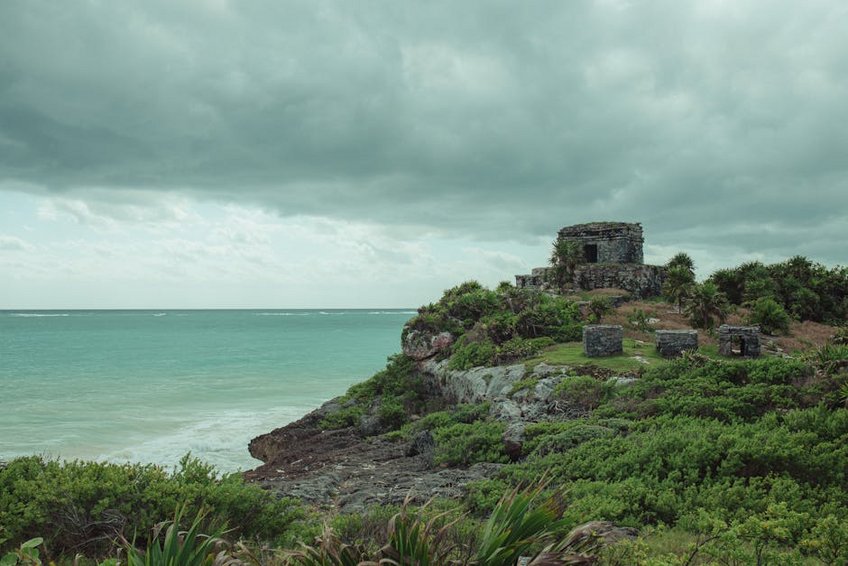
- The Tulum Archaeological Zone is the only major Mayan ruin built on a cliff overlooking the sea, offering a historical anchor and stunning photo opportunities against turquoise waters.
- Budget travelers can manage on $80-$120 per day by staying in downtown hostels or guesthouses, eating at local markets and taquerías, using colectivos for transport, and focusing on free beaches and affordable cenotes like Cenote Cristal.
- Mid-range visitors should budget $200-$350 daily for a comfortable downtown hotel, occasional beach club passes, rental scooters, mixed dining, and guided tours to major sites like the ruins and Gran Cenote.
- A luxury experience costs $500+ per day, covering boutique beachfront hotels, fine dining at restaurants like Arca or Hartwood, private tours, spa treatments, and premium transportation like private taxis or car rentals.
- Mexico Tourism Board
- Lonely Planet Tulum Guide
Navigating the Local Vibe
Tulum’s atmosphere is decidedly bohemian yet sophisticated. You will notice a strong emphasis on sustainability, yoga, and holistic wellness. Many establishments are eco-friendly, using solar power and biodegradable materials.
Dress code leans toward stylish yet relaxed “boho chic.” Pack flowy linens, stylish swimwear, and comfortable sandals. The pace is generally slow, encouraging visitors to unwind and connect with the natural surroundings. However, popularity has brought traffic and development challenges.
A Brief Historical Context
Tulum served as a major Mayan port city between the 13th and 15th centuries. Its original name, Zama, meant “City of Dawn.” The walled city was one of the last built by the Maya before Spanish arrival.
The modern tourism boom began in the early 2000s, fueled by its pristine beaches and the growing global yoga movement. This history creates a fascinating layering of ancient civilization and 21st-century trends you experience today.
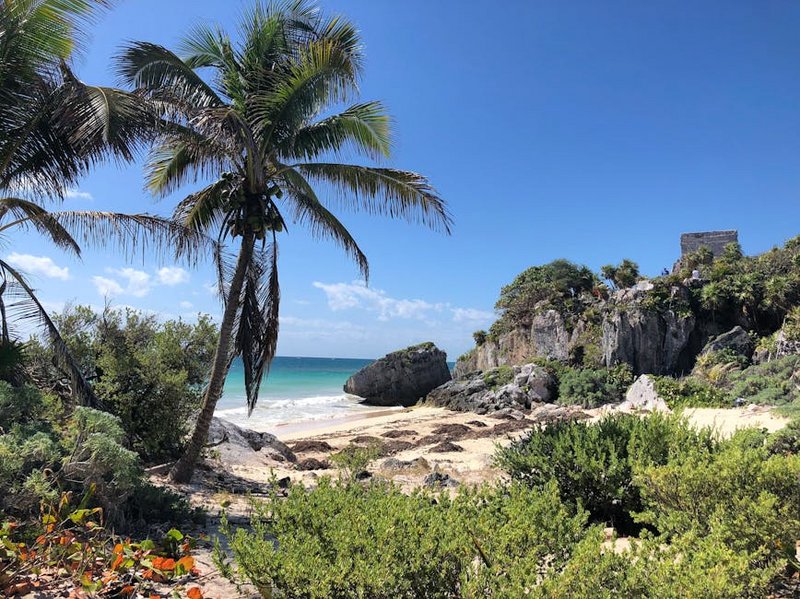
Alt: “tulum-mayan-ruins-caribbean-sea-coastal-view”
Tulum Travel Guide – Planning Your Trip
Your Tulum vacation requires more planning than typical beach destinations due to its popularity and dispersed layout. A successful itinerary balances time between the beach, ruins, cenotes, and downtown. Booking key elements well in advance secures better prices and preferred options during peak seasons.
Consider your priorities: pure relaxation on the sand, adventurous cenote exploration, or immersive cultural and culinary experiences. Your budget will significantly shape your choices, especially regarding accommodation location. Transportation between zones is a daily consideration, so factor in bike or car rental costs.
Best Time to Visit Tulum
The ideal tourist season runs from November to April. These months offer dry, sunny weather with lower humidity and average highs of 85°F (29°C). This is peak season, so expect higher prices and more crowds, especially around December holidays.
Shoulder seasons of May-June and October provide a good balance. You may experience brief afternoon showers, but rates are lower. The rainy season from July to September sees higher humidity and more frequent rain, though it rarely lasts all day. This period also carries a higher risk of sargassum seaweed on beaches.
Budget Planning and Costs
Tulum caters to various budgets, but costs have risen significantly.
Essential Preparation Checklist
Pack reef-safe sunscreen, insect repellent, a reusable water bottle, and a power bank. Casual yet stylish resort wear works for day and night. Bring pesos for smaller vendors and tips, though credit cards are widely accepted at larger establishments.
Secure comprehensive travel insurance covering medical emergencies and trip interruptions. Book popular restaurants and unique accommodations at least one month in advance for peak season. Verify your passport validity exceeds six months from your entry date.
Top Attractions and Activities
Tulum offers far more than just stunning beaches. The area combines natural wonders with profound historical sites. You can explore underground rivers, ancient temples, and vibrant biosphere reserves all within a short drive.
Planning your days around the weather and crowds enhances every experience. Visit archaeological sites early to avoid heat and tour buses. Schedule cenote swims for midday when the sun illuminates the caverns. Reserve evenings for beachfront dining and sunset views.
Must-See Highlights
The Tulum Ruins are the iconic must-visit. Arrive at opening (8 AM) to explore the cliff-top Castillo and Temple of the Frescoes with fewer crowds. The onsite beach below is perfect for a post-tour swim. Admission is about $4 USD.
Swimming in a cenote is non-negotiable. Gran Cenote, with its clear waters and turtle sightings, is great for families. For adventure, try the cavern dives at Dos Ojos or the open-water beauty of Cenote Calavera. Entry fees range from $10 to $25 USD.
Relax at a beach club. Playa Paraíso offers public beach access, while clubs like Papaya Playa Project or Ahau provide loungers, service, and ambiance for a daily minimum spend (typically $25-$50 USD per person).
Hidden Gems and Local Favorites
Venture south to the Sian Ka’an Biosphere Reserve, a UNESCO site. You can take a guided boat tour through mangroves to see dolphins and ancient canals. This full-day trip offers a pristine, undeveloped natural contrast to Tulum’s hotel zone.
Visit the Tulum Art Club for a unique creative experience in a jungle setting. Explore the Ven a La Luz sculpture at Ahau Hotel, a massive wooden artwork symbolizing healing. For local shopping, bypass the hotel zone boutiques for the Mercado de Corazón in downtown for artisan crafts.
Adventure and Wellness Activities
Yoga sessions on the beach at sunrise are a quintessential Tulum activity. Many hotels offer classes, or you can visit dedicated studios like Sanara. Snorkeling along the Mesoamerican Reef reveals vibrant marine life; tours often combine reef sites with a cenote.
Rent a bicycle to explore the hotel zone at your own pace. The flat, paved road is perfect for cycling between beach clubs, shops, and restaurants. For diving enthusiasts, the world-class caves at Dos Ojos and the ocean reefs provide unforgettable underwater experiences.
Practical Travel Information
Navigating Tulum’s logistics is straightforward with proper information. The town lacks a traditional downtown core, spreading activities across several key areas. Understanding your transportation options between these zones saves time, money, and frustration during your stay.
Accommodation choices define your trip’s character. Beachfront properties offer convenience and ambiance at a premium. Downtown hotels provide value and authentic local interaction but require daily commutes to the coast. Many visitors choose a split stay to experience both worlds.
| Accommodation Area | Key Features & Vibe | Average Nightly Rate (USD) |
|---|---|---|
| Beach Hotel Zone | Direct beach access, boho-luxe design, onsite dining, higher prices | $300 – $800+ |
| Downtown Tulum (Pueblo) | Authentic local life, affordable eats, practical services, short drive to beach | $80 – $200 |
| Aldea Zama / La Veleta | Modern residential developments, newer apartments, quieter atmosphere | $150 – $350 |
| Jungle Area | Secluded eco-lodges, immersive nature, limited amenities, requires transportation | $200 – $500 |