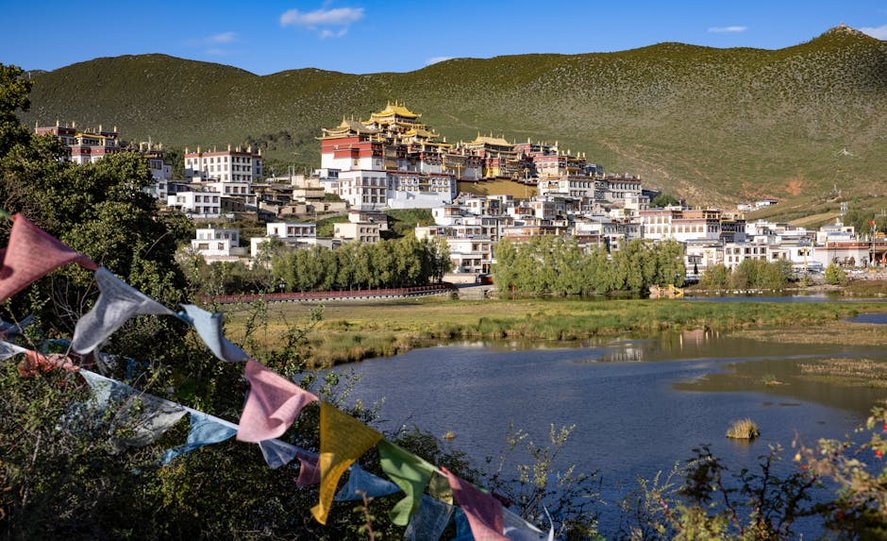
Tibet Namtso Sacred Lake: A Spiritual High-Altitude Adventure
Tibet Namtso Sacred Lake sits at 4,718 meters elevation, making it one of the world’s highest saltwater lakes and a profound spiritual destination. Visitors experience turquoise waters against Mount Nyenchen Tanglha, with opportunities for meditation, photography, and cultural immersion. This guide provides essential travel tips, seasonal advice, and practical logistics for your journey.
Essential Information
Namtso Lake covers 1,920 square kilometers on the Tibetan Plateau, with depths reaching 33 meters in some areas. Its name translates to “Heavenly Lake” in Tibetan, reflecting its sacred status in Buddhism. The lake freezes completely from December to April, creating a stunning icy landscape.
Pilgrims circumambulate the lake during the Year of the Sheep in Tibetan calendar, believed to bring multiplied merits. This 280-kilometer walking ritual takes approximately 18 days to complete. Local monasteries organize ceremonies honoring the lake’s protective deities.
What You Need to Know
Before visiting this high-altitude destination, understand these key aspects.
- Altitude sickness prevention requires acclimatization in Lhasa for 2-3 days, with hydration and limited physical exertion during initial lake visits.
- Permits for foreign travelers include Tibet Travel Permit and Alien Travel Permit, processed through registered tour operators 15-20 days before arrival.
- The lake’s ecosystem shelters endangered species like Tibetan antelope and black-necked cranes, with strict environmental protection regulations.
- Budget travelers spend $1,500-$2,000 using shared tours, basic guesthouses, and minimal souvenir shopping while covering essential permits and transportation.
- Mid-range visitors allocate $2,000-$2,500 for private guides, comfortable hotels, and included meals with better acclimatization arrangements and photography stops.
- Luxury experiences cost $2,500-$3,000 featuring premium hotels, specialized vehicles, and personalized itineraries with monastery visits and cultural performances.
- Tibet Travel Guide
- Lonely Planet Namtso Lake
Key Details
Namtso Lake’s water appears brilliant turquoise due to mineral content and high altitude sunlight refraction. However, swimming remains prohibited as the sacred waters maintain religious significance. Meanwhile, photography opportunities peak during morning and evening golden hours.
Additionally, the lake area experiences extreme weather shifts within single days. Temperatures can drop from 15°C (59°F) to -5°C (23°F) between afternoon and night. Therefore, layered clothing becomes essential regardless of season.
Geographical Significance
This sacred lake forms part of the Namtso Nature Reserve established in 2005. It lies approximately 240 kilometers northwest of Lhasa, accessible via 5-6 hour drives. The journey crosses the 5,190-meter Lagenla Pass with panoramic plateau views.
Moreover, the lake represents one of Tibet’s three great holy lakes alongside Yamdrok and Manasarovar. Its shores feature numerous meditation caves used by Buddhist monks for centuries. These spiritual sites remain active throughout year.
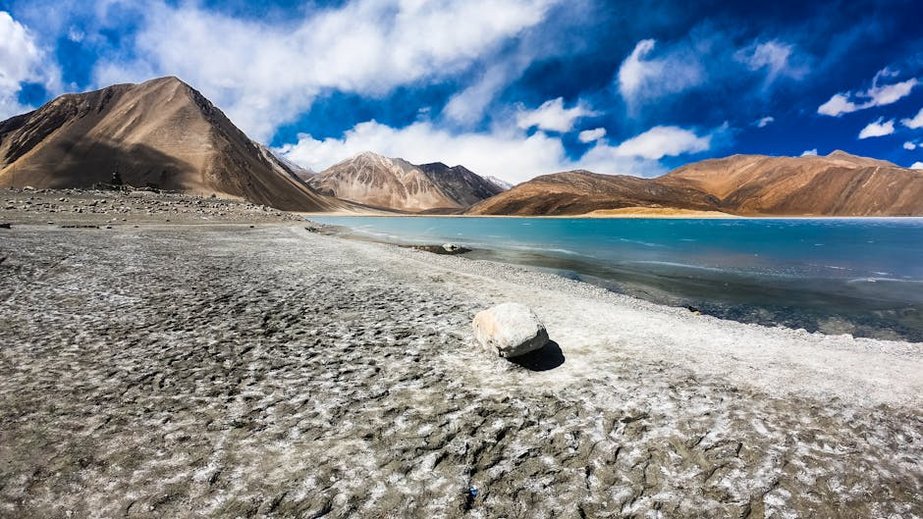
Alt: “namtso-lake-tibetan-plateau-sacred-waters-mountains”
Planning Your Tibet Namtso Sacred Lake Trip
Your Tibet Namtso Sacred Lake adventure demands careful preparation regarding timing and logistics. May through October offers optimal conditions with warmer temperatures and accessible roads. However, July and August bring monsoon rains that can disrupt travel plans.
Budget approximately $1,500-$3,000 for a 7-10 day Tibet itinerary including Namtso Lake. This covers permits, guided tours, accommodation, and transportation. Independent travel remains restricted, requiring registered tour arrangements.
Furthermore, physical preparation should include cardiovascular exercises weeks before departure. The high altitude challenges even experienced travelers. Acclimatization in Lhasa proves crucial for enjoying lake activities.
Best Time to Visit Namtso Lake
Visit between May and October for comfortable temperatures ranging from 5°C to 15°C (41°F to 59°F). These months provide clear skies ideal for photography and lake viewing. July and August offer warmest conditions but highest precipitation.
Shoulder seasons of May-June and September-October deliver fewer crowds and stable weather. Winter visits from November to April require specialized vehicles for snow-covered roads. However, frozen lake landscapes create unique photographic opportunities.
Budget Planning and Costs
Consider these three budget ranges for your Tibetan lake journey.
Essential Preparation Checklist
Pack warm layers including thermal underwear, down jackets, and waterproof outer shells. Temperatures fluctuate dramatically between day and night. Sturdy hiking boots with grip handle rocky shores and possible snow.
Bring altitude medication like acetazolamide, prescribed by your doctor before travel. Include sunscreen with high SPF and lip balm for intense UV exposure. Portable oxygen cans provide emergency relief at high elevations.
Additionally, carry passport copies, permit documents, and emergency contact numbers. Book tours through reputable agencies confirming included permits. Purchase travel insurance covering high-altitude destinations and emergency evacuation.
Top Attractions and Activities
Namtso Lake’s primary draw remains its breathtaking natural beauty and spiritual atmosphere. The turquoise waters contrast dramatically with surrounding snow-capped peaks. Visitors describe profound peace watching sunlight dance across lake surfaces.
Tashi Dor Island features ancient meditation caves and rock formations with religious significance. Pilgrims hang prayer flags along shores, creating colorful displays against blue waters. Sunrise and sunset transform the landscape with golden and pink hues.
Moreover, the starry nights at this high elevation offer incredible celestial viewing. Minimal light pollution creates ideal conditions for astronomy and night photography. The Milky Way appears vividly from April to October.
Must-See Highlights
Tashi Dor Peninsula extends into the lake with dramatic rock formations and panoramic viewpoints. Visitors walk along designated paths to protect fragile ecosystems. Morning light creates spectacular photo opportunities here.
The northern shore remains less visited, offering solitude and pristine landscapes. Local herders sometimes camp with yaks in summer months. These interactions provide cultural insights beyond typical tourist experiences.
Additionally, the Lagenla Pass viewpoint delivers breathtaking lake vistas from 5,190 meters elevation. Stop briefly for photos while acclimatizing to altitude. The pass often has snow even in summer months.
Hidden Gems and Local Favorites
Seek out the hot springs located 30 kilometers from the lake’s main tourist area. Locals believe these mineral waters possess healing properties. The springs maintain comfortable temperatures year-round.
Visit smaller monasteries around the lake perimeter where monks maintain daily rituals. These intimate spaces offer authentic cultural experiences. Donations support monastery operations and community projects.
Furthermore, the eastern shore features ancient rock carvings depicting Buddhist deities and symbols. Local guides can explain their historical significance. These artworks date back several centuries.
Photography and Spiritual Experiences
Capture the lake’s mirror-like reflections during early mornings before winds intensify. Use polarizing filters to enhance water colors and reduce glare. Tripods stabilize shots in low light conditions.
Participate in morning prayer ceremonies at lakeside shrines when permitted. Observe local pilgrims performing prostration rituals along shores. Always request permission before photographing religious activities.
Additionally, join guided meditation sessions offered by some tour operators. The high altitude and serene environment deepen contemplative practices. These experiences require advance booking.
Practical Travel Information
Reaching Namtso Lake requires planning due to remote location and permit restrictions. Most visitors arrive from Lhasa via 5-6 hour drives in specialized vehicles. The journey includes spectacular mountain scenery and high passes.
Accommodation ranges from basic guesthouses to comfortable hotels near the lake entrance. Book through tour operators as independent stays remain limited. All options provide heating against cold nights.
| Accommodation Type | Features | Price Range (USD) |
|---|---|---|
| Basic Guesthouse | Shared bathrooms, heating, simple meals | $30-50 per night |
| Mid-Range Hotel | Private bathrooms, restaurant, lake views | $80-120 per night |
| Luxury Camp | Heated tents, dining tent, guided activities | $150-200 per night |
| Monastery Stay | Basic rooms, cultural immersion, morning prayers | $20-40 per night |