Discovering Bali’s Spiritual Heart: Essential Temple Routes
Navigating the temple routes in Bali offers a profound journey through the island’s spiritual core and breathtaking landscapes. This guide provides the essential framework for planning your visits, from famous sea temples to hidden mountain sanctuaries, ensuring you experience their cultural significance and architectural beauty. You’ll learn about entrance protocols, optimal visiting times, and how to connect multiple sacred sites efficiently across different regions.
Understanding Bali’s Sacred Geography
Balinese Hinduism, known as Agama Hindu Dharma, shapes the island’s spiritual map with a cosmology called Tri Hita Karana. This philosophy emphasizes harmony between humans, gods, and nature, directly influencing temple placement and purpose. Every village features three main temples: the Pura Puseh (temple of origin), Pura Desa (village temple), and Pura Dalem (temple of the dead), creating a local triad.
Major directional temples, or Kahyangan Jagat, protect the island from spiritual threats. These include Pura Lempuyang in the east, Pura Uluwatu in the south, Pura Batukaru in the west, and Pura Besakih in the center. Your itinerary should consider this cosmological layout to appreciate the spiritual journey fully. Understanding this hierarchy adds depth beyond mere sightseeing.
The Core Types of Balinese Temples
Temples serve distinct community functions, which influences their design and atmosphere.
- Kahyangan Jagat (Directional Temples): These nine major sanctuaries protect Bali from evil spirits. Visiting them requires proper attire and often involves climbing many steps. They offer panoramic views and deep spiritual resonance for devotees and respectful visitors alike.
- Sad Kahyangan (Six Great Sanctuaries): This group includes some of Bali’s most iconic sites, like Pura Tanah Lot and Pura Uluwatu. They are considered the pillars of the island’s spiritual well-being and are essential stops on any comprehensive temple tour.
- Pura Segara (Sea Temples): Built along coastlines to honor sea deities, these temples, such as Tanah Lot and Uluwatu, feature stunning ocean backdrops. They are best visited in the late afternoon to witness spectacular sunsets behind their ancient silhouettes.
- Budget Self-Guided: ($25-45 per day) Rent a scooter ($5-7/day), pay small temple donations ($1-2 each), and bring your own sarong. This offers maximum flexibility. Use offline maps to navigate between sites and purchase simple local meals (nasi campur) for $2-3.
- Mid-Range Private Driver: ($60-90 per day) Hire a car with English-speaking driver for 10 hours. This includes fuel and parking. The driver often suggests efficient routes and explains basic temple etiquette. Entrance fees and meals are extra but this provides great value and comfort.
- Luxury Guided Experience: ($120-250+ per person) Book a specialized cultural tour with a knowledgeable guide. These often include lesser-known temples, structured photography sessions, and traditional blessing ceremonies. Transfers in a comfortable vehicle, mineral water, and sometimes a gourmet picnic lunch are included.
- Bali Tourism Board Official Site
- Balian Festival & Ceremonial Calendar
Essential Temple Etiquette and Dress Code
Respecting local customs is non-negotiable when visiting these active places of worship. Everyone must wear a sarong and sash (selendang) around their waist upon entry, regardless of their personal clothing. Most temples provide these for a small rental fee or donation, but bringing your own is perfectly acceptable and often more convenient.
Women who are menstruating are traditionally asked not to enter temple inner courtyards, a rule based on cultural concepts of purity. Always walk around offerings (canang sari) placed on the ground, and never point your feet toward shrines or sit higher than a priest. Your respectful behavior ensures a welcoming atmosphere for all.
Photography is generally permitted in outer courtyards, but avoid using flash inside shrines or taking pictures of people during private prayer. Speak softly and follow the directional flow of movement, typically clockwise around the temple compounds. These practices show reverence for the sacred space.
Regional Temple Clusters for Efficient Exploration
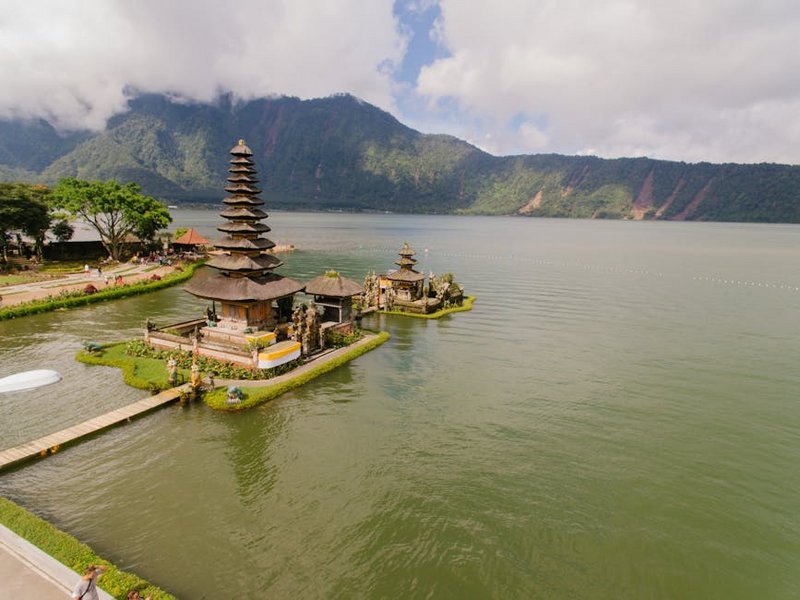
Grouping temples by region saves significant travel time on Bali’s often congested roads. The southern Bukit Peninsula efficiently combines Uluwatu, Gunung Payung, and lesser-known sea temples in a single day trip. This area showcases dramatic cliff-top architecture and is famous for its Kecak fire dance performances at dusk.
Central Bali around Ubud allows visits to Pura Tirta Empul (Holy Water Temple), Goa Gajah (Elephant Cave), and Gunung Kawi in one efficient route. This cluster focuses on water purification rituals and ancient rock-cut sanctuaries. Start early to avoid the peak crowds at Tirta Empul.
Alt: “pura-uluwatu-cliff-top-temple-bali-sunset-ocean”
Temple Routes in Bali – Strategic Itinerary Planning
Crafting the perfect temple routes in Bali depends on your base location, interests, and available time. A well-planned route minimizes backtracking on busy roads and aligns visits with optimal lighting and ceremonial schedules. Most travelers dedicate two to four days to temple exploration, interspersing these visits with other cultural and natural attractions.
For first-time visitors, a classic two-day route covers the major directional and sea temples effectively. Day one could combine central and eastern sites like Besakih and Lempuyang. Day two might focus on the southern peninsula with Uluwatu and Tanah Lot. This approach provides a balanced introduction to different architectural styles and settings.
Always verify temple calendars for special festival days (odalan), which occur every 210 days according to the Pawukon calendar. While these events offer incredible cultural immersion, they can limit tourist access to certain areas. Your hotel concierge or a reliable online Balinese calendar can provide these dates.
Best Time to Visit Balinese Temples
Visit Bali’s temples during the dry season, from April to October, for reliably sunny days and easier travel. Morning temperatures range from 75-85°F (24-29°C) with lower humidity, making exploration of extensive temple compounds more comfortable. This period sees minimal rainfall, ensuring clear views and safe footing on ancient stone pathways.
The shoulder months of April, May, September, and October offer a sweet spot with good weather and slightly smaller crowds. Arrive at any temple before 9:00 AM or after 3:00 PM to avoid the largest tour groups and midday heat. Sunset visits to coastal temples like Tanah Lot are popular, so arrive at least 90 minutes early to secure a good viewing spot.
Budget Planning and Tour Costs
Costs vary based on transportation style, guide services, and temple donation amounts.
Essential Preparation Checklist
Pack lightweight, modest clothing that covers shoulders and knees for temple visits. Quick-dry fabrics are ideal in the tropical climate. Essential items include a reusable sarong and sash, comfortable walking shoes with good grip (for wet stone), a refillable water bottle, sunscreen, and a wide-brimmed hat for sun protection at open-air sites.
Ensure your travel insurance covers medical evacuation and check if you need any vaccinations. International drivers visiting Bali should obtain an International Driving Permit for scooter rental. Download offline maps like Maps.me with pre-marked temple locations, and carry small denomination Indonesian Rupiah (IDR) notes for donations and parking fees.
Top Temple Routes and Itinerary Examples
These curated routes help you experience the diversity of Balinese sacred architecture efficiently. Each circuit connects temples with logical geographical and thematic flow, reducing unnecessary travel time. You can modify them based on your pace, adding relaxation or meal stops at local warungs along the way.
Remember that travel times between regions can be lengthy due to traffic, especially around Denpasar and southern beach areas. A realistic pace covers two to four major temple sites per full day, allowing time for exploration, photographs, and respectful observation of rituals. Rushing contradicts the serene purpose of these places.
The Classic South-Central Circuit (2 Days)
This popular two-day route covers iconic landmarks. Day One starts at Pura Taman Ayun in Mengwi, a UNESCO site with magnificent moats and gardens, then proceeds to Tanah Lot for sunset. Allocate two hours at Taman Ayun to appreciate its expansive grounds and historic royal temple structures.
Day Two explores Ubud’s spiritual centers: Tirta Empul for its holy spring water pools and purification rituals, followed by Goa Gajah with its ancient meditation cave. Conclude at the Gunung Kawi rock-cut shrines in Tampaksiring. Begin at Tirta Empul when it opens at 8:00 AM to participate in or observe the morning purification rituals with fewer people.
The Eastern Spiritual Journey (1-2 Days)
This route focuses on Bali’s most significant and scenic mountain temples. The absolute highlight is Pura Besakih, the “Mother Temple” on the slopes of Mount Agung. As Bali’s largest and holiest temple complex, allocate at least three hours to explore its 23 separate structures across six terraced levels. A local guide here is highly recommended to explain its profound significance.
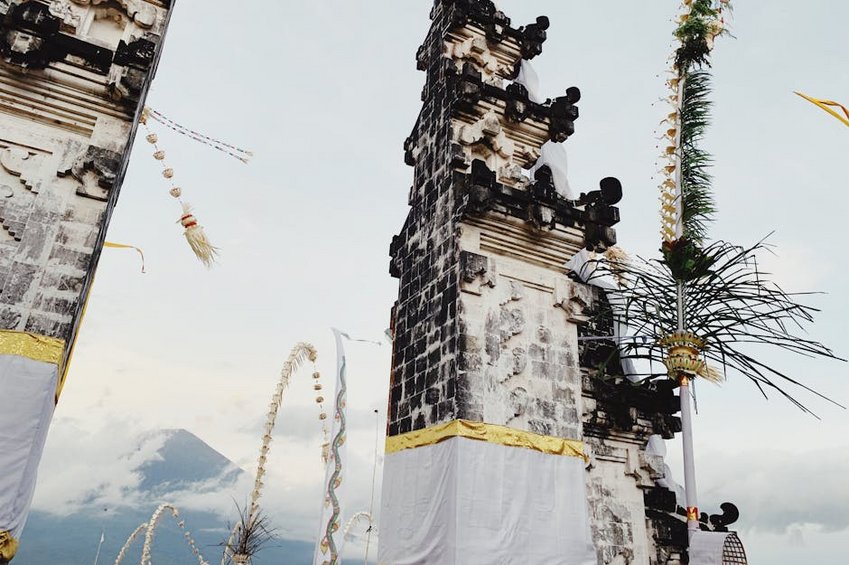
Continue to Pura Lempuyang, famed for its “Gates of Heaven” and stunning views of Mount Agung. The climb involves over 1,700 steps, requiring good fitness. Visit nearby Tirta Gangga, the royal water palace, to cool off in its spring-fed pools. This route works best with an early departure from south Bali to reach Besakih by mid-morning before clouds envelop the summit.
Hidden Gems and Lesser-Known Paths
For those seeking solitude, explore the western region around Tabanan. Pura Rambut Siwi is a majestic sea temple with far fewer visitors than Tanah Lot. Nearby, the subak irrigation system landscapes near Jatiluwih offer a serene backdrop of tiered rice terraces, showcasing the harmony between nature and spirituality recognized by UNESCO.
In North Bali, the Brahma Vihara Arama is Bali’s largest Buddhist monastery, offering a contrasting spiritual atmosphere near the coast at Lovina. Combine this with a visit to the nearby Banjar Hot Springs. This area receives significantly fewer tourists, allowing for a more contemplative experience away from the crowds.
Practical Travel Information and Logistics
Navigating Bali requires planning, especially when visiting multiple temple sites spread across the island. Distances are deceptive; a 20-mile journey can take over an hour during peak traffic periods. Choosing the right transportation mode and timing your travel outside of rush hours (7-9 AM and 4-7 PM) is crucial for an efficient trip.
Accommodation choices should align with your planned temple routes. Staying in Ubud provides central access to many central and eastern temples. Seminyak or Canggu are better bases for southern and western coastal routes. Consider splitting your stay between two regions if you plan extensive temple exploration across multiple days.
| Transportation Mode | Best For | Approx. Daily Cost (USD) |
|---|---|---|
| Private Car & Driver | Groups, comfort, AC, long routes | $50-70 (8-10 hrs) |
| Scooter Rental | Solo travelers, short distances, flexibility | $5-8 (incl. fuel) |
| Ride-Hailing App (Grab/Gojek) | Single point-to-point trips | $3-15 per ride |
| Tourist Shuttle Bus | Budget travelers, main hubs only | $10-20 (day pass) |