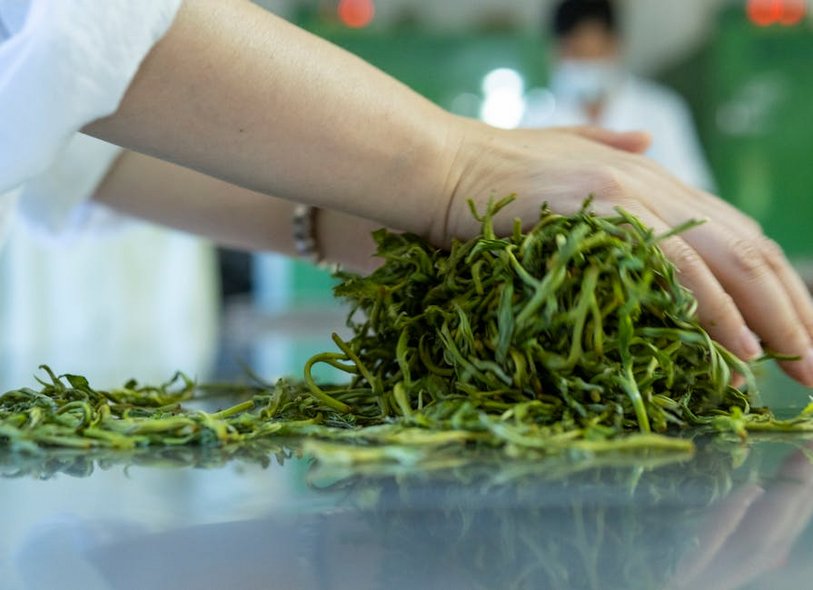
Tea Harvest Tour in the Black Sea: A Cultural Immersion
Embarking on a tea harvest tour in the Black Sea offers a direct path into Turkey’s vibrant agricultural heritage. You will participate in the centuries-old ritual of hand-picking leaves in lush, terraced hillsides. This guide details the ideal seasons, essential cultural etiquette, and immersive experiences that define this unique journey.
The Black Sea Tea Region
The Turkish Black Sea coast, particularly around Rize, produces nearly all of the nation’s tea. Steep mountains meet humid air from the sea, creating a perfect microclimate for Camellia sinensis. This environment has supported a deep cultural identity centered on tea cultivation for generations.
Tea was first planted here in the 1920s to boost the local economy. It quickly became the lifeblood of the region, shaping its landscape and daily rhythms. Entire communities depend on the annual harvest cycle for their livelihood and social fabric.
Understanding the Harvest Cycle
The harvest period dictates the entire travel experience. Timing your visit correctly is crucial for participation.
- The first flush occurs from late May through June, yielding the most prized, delicate leaves with higher caffeine and antioxidant content.
- The main, bulk harvest runs from July into early August, when most commercial picking happens and visitor activities peak.
- A smaller, autumn flush can occur in September, offering a different leaf character and fewer crowds for a more relaxed tour.
- Budget travelers can manage on $40-$60 USD per day by staying in local guesthouses (pansiyons), using public dolmuş minibuses, and joining free farm visits, focusing on self-guided exploration of Rize’s public tea gardens and the Çaykur Tea Factory.
- A mid-range budget of $80-$120 USD per day allows for organized half-day or full-day guided harvest tours, comfortable boutique hotels with mountain views, and meals at reputable local restaurants serving Black Sea cuisine.
- A luxury experience at $200+ USD per day includes private, multi-day tours with translators, stays at high-end resorts in Ayder, private transportation, and curated dining experiences with tea-pairing meals.
- Rize Governorship Official Website
- UNESCO Tentative List: Cultural Landscape of Çay
Key Growing Areas to Know
Rize Province is the undisputed heartland of Turkish tea production. The city of Rize itself serves as the commercial hub, surrounded by endless green slopes. Most organized tea tourism experiences originate from here or the nearby town of Çayeli.
For a more scenic and traditional atmosphere, head to the villages of the Kaçkar Mountains foothills. Areas like Ayder Yaylası offer stunning backdrops of tea gardens against alpine meadows. These locations provide a more intimate look at rural life intertwined with the crop.
The Cultural Significance of Çay
In Turkey, tea (çay) is far more than a beverage; it’s a symbol of hospitality and connection. The Black Sea region takes immense pride in being the source of the national drink. Sharing a glass of freshly brewed, dark crimson tea is an essential social ritual you will encounter everywhere.
This deep cultural connection means visitors are often welcomed warmly into the process. You are not just observing an industry but engaging with a point of local pride. Respect for this tradition is paramount throughout your visit.
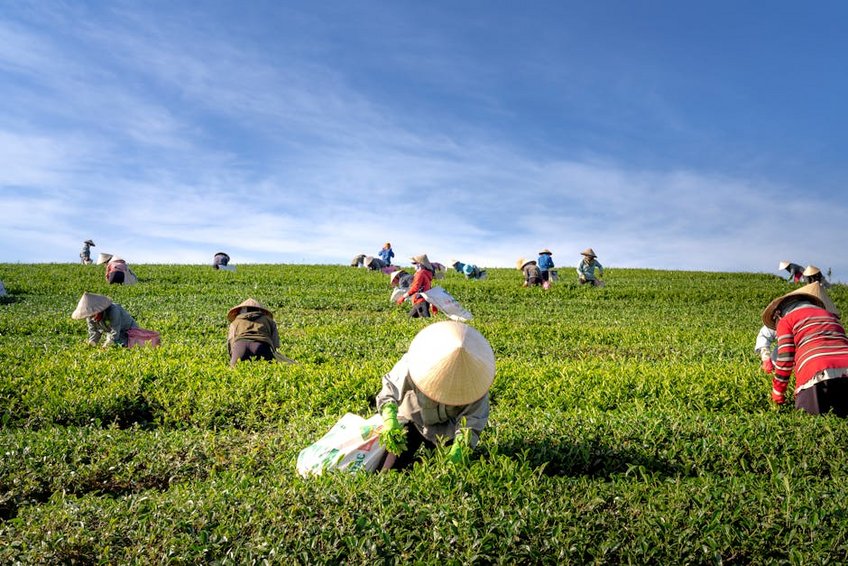
Alt: “rize-turkey-tea-plantations-terraced-hillsides-mist”
Tea Harvest Tour in the Black Sea – Planning Your Trip
Successful participation in a Black Sea tea harvest requires strategic timing and logistical planning. The short harvest window means accommodations and tours book quickly during peak summer weeks. You should secure your arrangements at least two to three months in advance for the best options.
Your experience will vary dramatically based on the specific month you choose. Early summer offers lush greenery and premium leaves, while late summer provides a bustling, full-scale agricultural spectacle. Consider your preference for weather and crowd levels when selecting your dates.
Best Time to Visit for the Tea Harvest
The absolute peak season for a hands-on harvesting experience is from mid-June through July. Daytime temperatures are pleasant, ranging from 68°F to 77°F (20°C to 25°C), with high humidity and frequent mist. This is when the leaves are at their peak and most farms welcome visitor participation.
For milder weather and fewer tourists, target the very beginning of June or late August into September. Temperatures are similar, but rainfall chances shift. You may not see the harvest at its most intense, but you’ll enjoy more personal interaction with local farmers and easier travel logistics.
Budget Planning and Costs
Your total cost depends heavily on tour type, accommodation, and dining choices.
Essential Preparation Checklist
Pack for variable mountain weather. Essential items include waterproof hiking shoes with grip, layered clothing (a t-shirt, fleece, and a light rain jacket), long pants for walking through fields, a wide-brimmed hat, and insect repellent. Bring a small backpack for carrying water and personal items during farm visits.
Ensure your travel documents are in order. U.S. and EU passport holders do not need a visa for tourist stays under 90 days. Purchase comprehensive travel insurance that covers light agricultural activity. Download offline maps of the Rize region, as cellular service can be spotty in rural valleys.
Top Attractions and Immersive Activities
Beyond the fields themselves, the region offers museums, factories, and breathtaking natural scenery that contextualizes the tea culture. Dedicating time to these attractions enriches your understanding of the product from leaf to cup. Many sites are easily accessible from Rize city center.
Engaging with the local community is a highlight. Accept invitations for tea in family homes, which are often extended spontaneously. Visit village coffeehouses, which paradoxically are the main social hubs for drinking tea and observing daily life.
Must-See Highlights
The Rize Tea Research and Development Directorate Museum provides the perfect historical and scientific foundation for your tour. Displays detail the plant’s journey to Turkey and the development of local cultivars. Admission is typically free, and it’s a great first stop.
A guided tour of the massive Çaykur Tea Factory is essential. You will witness the withering, rolling, oxidizing, and drying processes on an industrial scale. The pungent, earthy aroma fills the air. Most tours conclude with a tasting session of different tea grades.
For nature, the stunning Ziraat Botanical Tea Garden offers panoramic views over endless plantations. Walkways let you stroll among the bushes. It’s an excellent spot for photography, especially in the soft morning light before the coastal mist burns off.
Hidden Gems and Local Favorites
Venture to smaller, family-run cooperatives in villages like Gündoğdu or İkizdere. Here, you might see older, manual processing techniques still in use. These visits often feel more personal and less scripted than the large factory tours, with more opportunity for direct conversation.
Seek out a “serender,” a traditional elevated wooden granary unique to the Black Sea region. While not directly for tea, these architectural icons dot the landscape and symbolize the local farming heritage. They make for fascinating cultural photographs alongside the tea fields.
Participating in a Hands-On Harvest
The core activity is joining local workers in the fields to pick leaves. Guides will teach you to identify the “two leaves and a bud” – the highest quality pluck. The work is methodical and meditative, set against a soundtrack of rustling leaves and distant conversations.
This physical connection to the land is unforgettable. You gain a profound appreciation for the labor in every cup. Most tours allow you to keep a small bag of the leaves you picked, which you can later have processed or dry yourself as a unique souvenir.
Practical Travel Information
Navigating the Black Sea region requires understanding its unique topography. Coastal highways connect major towns, but reaching the best plantations involves traveling inland on winding mountain roads. Renting a car offers maximum flexibility, though confident drivers are needed for the narrow, steep routes.
Accommodation ranges from city hotels in Rize to charming wooden guesthouses in the highland yaylas (plateaus). Booking ahead is critical in summer. Many family-run pansiyons offer half-board, providing hearty breakfasts and dinners that introduce you to local Black Sea dishes like cornbread and collard greens.
| Accommodation Type | Location & Features | Price Range (USD/Night) |
|---|---|---|
| City Hotel | Central Rize, modern amenities, easy factory/museum access | $50 – $90 |
| Mountain Guesthouse (Pansiyon) | Village settings like Ayder, home-cooked meals, authentic atmosphere | $35 – $70 |
| Boutique Hotel | Scenic terraces with plantation views, guided tour packages available | $100 – $180 |
| Highland Plateau Bungalow | Remote yayla locations, basic facilities, stunning natural immersion | $25 – $50 |