Tallinn Travel Guide: Discover Medieval Charm and Modern Culture
Exploring Estonia’s capital reveals a stunning blend of preserved medieval architecture and a vibrant, tech-forward society. Your Tallinn travel guide focuses on navigating the UNESCO-listed Old Town, experiencing the innovative food scene, and understanding the city’s unique position between East and West. This guide provides specific seasonal advice, budget breakdowns in USD, and logistical tips for a smooth visit to one of Europe’s most walkable capitals.
Essential Tallinn Information
Tallinn serves as Estonia’s cultural and economic heart, with a population nearing 450,000. The city’s history spans from a Hanseatic trading hub to a Soviet-held territory, achieving re-independence in 1991. This complex past shapes its distinct neighborhoods, from the cobblestone alleys of Old Town to the creative repurposing of former industrial areas.
Estonia uses the Euro (€) and is part of the European Union and Schengen Area. US passport holders enjoy visa-free travel for up to 90 days within a 180-day period. English proficiency is exceptionally high, especially among younger residents, making communication straightforward for international visitors.
The climate features distinct seasons, with cold winters averaging 23°F (-5°C) and mild summers around 64°F (18°C). Daylight varies dramatically, from over 19 hours in June to less than 6 hours in December. This affects sightseeing plans and packing lists significantly.
City Layout and Key Districts
Understanding the districts helps plan efficient daily itineraries.
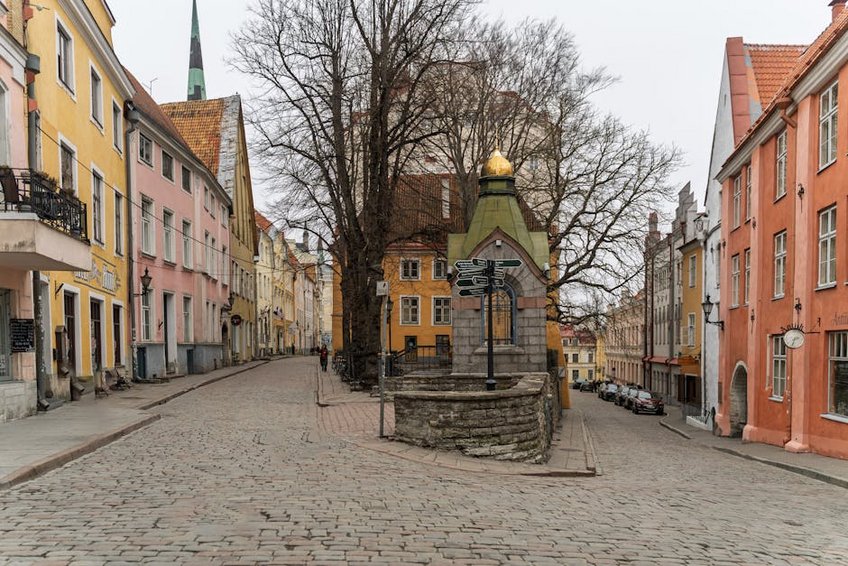
- Old Town (Vanalinn): The historic core divided into Toompea Hill (Upper Town) and the lower merchant streets. This compact area contains most medieval landmarks, museums, and tourist restaurants within its intact city walls.
- Kalamaja: A former fisherman’s quarter west of Old Town, now famed for its colorful wooden houses, trendy cafes, and the Seaplane Harbour museum. It offers a more local, creative atmosphere.
- Kadriorg: An elegant district east of the center, home to the beautiful Kadriorg Park, the Presidential Palace, and the Kumu Art Museum. It’s perfect for a peaceful afternoon stroll.
- Telliskivi Creative City: A regenerated industrial complex adjacent to Kalamaja, featuring street art, design shops, boutique eateries, and event spaces. It embodies Tallinn’s modern creative spirit.
- Budget Traveler ($50-70/day): Stay in a hostel dormitory ($20-30/night), enjoy supermarket meals or cheap eats like traditional soups, use free walking tours and public transport ($2/ride), and focus on free sights like city walls and park walks.
- Mid-Range Traveler ($100-150/day): Book a private room in a guesthouse or mid-tier hotel in Kalamaja ($70-100/night), dine at casual restaurants for lunch and dinner ($30/day), visit 2-3 paid museums, and use taxis occasionally.
- Luxury Traveler ($250+/day): Stay at a boutique hotel in Old Town or a high-end design hotel ($150+/night), enjoy fine dining at Michelin-recognized restaurants like NOA or 180°, hire a private guide for a day, and enjoy spa treatments.
- Estonian Official Tourist Information
- Lonely Planet Tallinn Guide
Historical Context and Culture
Tallinn’s founding dates to the 13th century, with its peak as a Hanseatic League member visible in the guild halls and merchant homes. Subsequent Swedish and Russian rule left architectural and cultural layers. The Singing Revolution in the late 1980s was a pivotal, non-violent movement that led to restored independence.
Today, Estonian culture emphasizes quiet dignity, nature connection, and digital innovation. The country pioneered e-residency and digital governance. Locals may seem reserved initially but are profoundly helpful and proud of their heritage. Respect for personal space and a calm demeanor is appreciated in public settings.
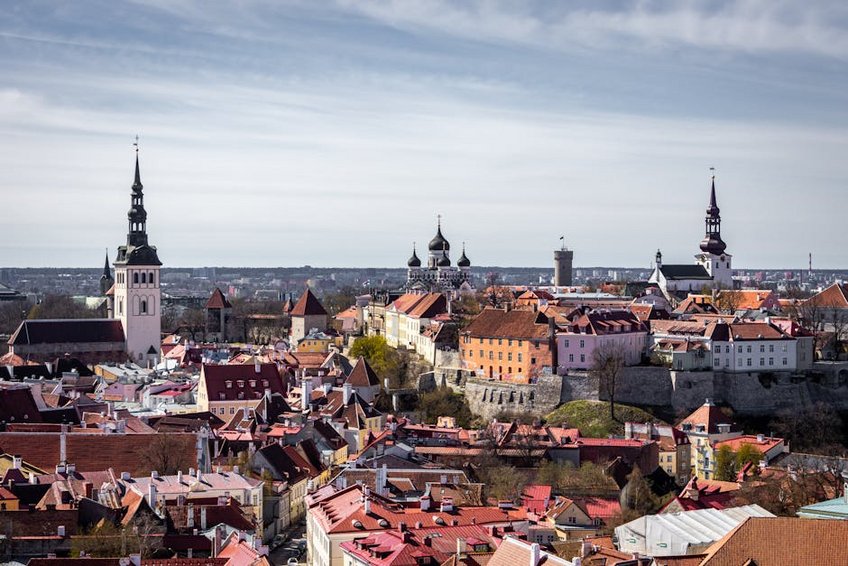
Alt: “tallinn-estonia-old-town-medieval-architecture-cobblestone-streets”
Tallinn Travel Guide – Planning Your Trip
Strategic planning maximizes your experience in this compact yet layered city. The best itinerary balances historic exploration in the Old Town with ventures into trendy neighborhoods like Kalamaja. Book accommodations and popular restaurants several weeks in advance for summer visits or during holiday markets.
A detailed budget for your Estonian capital visit should account for moderate accommodation costs, affordable public transport, and variable dining expenses. Museum entrance fees are reasonable, often between €8-15. The Tallinn Card can provide savings if you plan to visit multiple paid attractions.
This Tallinn travel guide recommends comfortable walking shoes as the primary mode of transport in the center is on foot across uneven cobblestones. Pack layers regardless of season, as weather can shift quickly, and many older buildings lack robust climate control.
Best Time to Visit Tallinn
For warm weather and long days, visit between June and August. Average temperatures range from 60-70°F (15-21°C), perfect for cafe terraces and park visits. This is peak tourist season, so expect crowds at major sights and higher hotel rates. Book flights and lodgings at least three months in advance.
The shoulder seasons of May and September offer milder weather, 50-60°F (10-16°C), with fewer visitors and lower prices. Early December is magical for the Christmas Market, but expect freezing temps around 28°F (-2°C) and limited daylight. Winter visits require warm gear but offer a cozy, festive atmosphere.
Budget Planning and Costs
Daily costs vary significantly based on travel style.
Essential Preparation Checklist
Secure your travel documents, including a passport valid for three months beyond your departure date. While not mandatory, travel insurance with medical coverage is highly recommended. EU citizens should carry their European Health Insurance Card (EHIC).
Pack a universal power adapter (Type F, 230V), a reusable water bottle, and a compact umbrella. Download useful apps: Bolt for taxis, Tallinn Public Transport for bus/tram schedules, and the official Visit Tallinn app for offline maps. Notify your bank of international travel to ensure card functionality.
Top Attractions and Memorable Activities
Your exploration of the Estonian capital centers on the remarkably preserved Old Town, a UNESCO World Heritage site. Begin at the Town Hall Square (Raekoja plats), the historic marketplace, and admire the 15th-century Town Hall. From there, winding streets lead to hidden courtyards and medieval churches.
Beyond the ancient core, the city offers world-class maritime history, expansive art collections, and innovative cultural spaces. The efficient public transport system, including trams and buses, makes reaching these peripheral sites simple and affordable. Many museums offer combined tickets for discounted entry.
Must-See Historic Highlights
Toompea Castle, on the upper town hill, now houses the Estonian Parliament. The viewing platforms nearby, especially Kohtuotsa and Patkuli, provide iconic panoramic views over the red roofs and spires of the lower town toward the sea. Visit in the morning for the best light on the Old Town.
St. Olaf’s Church tower once claimed the title of world’s tallest building. Climbing its 258 steps rewards you with a 360-degree view from 124 meters high. Alexander Nevsky Cathedral represents Russian Orthodox influence with its ornate, onion-domed architecture. Remember to dress modestly when entering.
The City Walls and Towers are among Europe’s best-preserved medieval fortifications. You can walk along sections of the wall and even enter several defensive towers, like Kiek in de Kök, which now contains a museum on the city’s military history. The Bastion Tunnels tour offers a unique underground perspective.
Hidden Gems and Local Favorites
For a quiet escape, visit the Danish King’s Garden behind Toompea Hill, a small park with intriguing sculptures of medieval monks. The nearby St. Nicholas’ Church (Niguliste) now serves as a museum and concert hall, famous for its haunting Bernt Notke painting, “Dance Macabre.”
Venture outside the walls to the Rotermann Quarter, a sleek area of renovated 19th-century industrial buildings now housing designer stores and restaurants. It’s a striking contrast to the medieval center. For a truly local experience, visit the indoor Balti Jaam Market near the train station for fresh produce, vintage items, and street food.
Museum and Cultural Exploration
The Seaplane Harbour (Lennusadam) is a top-tier maritime museum housed in a historic hangar. Its interactive exhibits include a full-scale submarine, seaplanes, and a replica of a 16th-century ship. It’s engaging for all ages and located in the Kalamaja district.
Kumu Art Museum in Kadriorg Park is Estonia’s national art gallery, showcasing classical and contemporary works. Its architecture alone is worth the trip. The Estonian Open Air Museum, located on the city’s outskirts, features reconstructed historic farms and windmills, offering a glimpse into rural Estonian life through the centuries.
Practical Travel Information and Logistics
Navigating the city is straightforward thanks to its compact size and efficient systems. Tallinn Airport (TLL) is only 4 km from the city center, connected by a direct tram (line No. 4) that takes about 18 minutes and costs €2. Taxis using the Bolt app cost approximately €8-12 to most central hotels.
Accommodation options cater to all preferences, from historic hotels within the city walls to modern apartments in creative districts. Staying just outside the main Old Town gates often provides better value and quieter nights while remaining within a short walking distance of all major sights.
| Accommodation Type | Best Locations & Features | Average Price Range (USD) |
|---|---|---|
| Hostel / Budget Guesthouse | Kalamaja or near the Old Town gates; shared facilities, social atmosphere | $20-50 per night |
| Mid-Range Hotel / Apartment | Just outside Old Town walls or in Kalamaja; private bath, breakfast included | $80-150 per night |
| Boutique / Heritage Hotel | Inside Old Town; historic building, unique design, premium service | $160-300 per night |
| Luxury / Design Hotel | Rotermann Quarter or Toompea; spa, fine dining, panoramic views | $300+ per night |