Seychelles Turtle Nesting Season
Witnessing the ancient ritual of sea turtles nesting on a pristine beach is a profound wildlife experience. The Seychelles turtle nesting season offers a unique window into this remarkable process across several key islands. This guide provides detailed information on timing, locations, and responsible viewing practices for your visit.
Essential Information on Sea Turtles in Seychelles
Two primary sea turtle species nest in the Seychelles archipelago: the critically endangered Hawksbill and the vulnerable Green turtle. These marine reptiles follow ancient migratory paths, returning to the very beaches where they hatched decades earlier to lay their own eggs. Understanding their biology and conservation status is crucial for any respectful observer.
The nesting process, known as an arribada, involves the female laboriously hauling her body ashore at night to dig a nest chamber in the sand. She deposits around 100-150 leathery eggs before meticulously covering them and returning to the sea, leaving the clutch to incubate for roughly two months. This vulnerable period highlights the importance of minimized human disturbance on these critical beaches.
Species Identification and Conservation Status
Recognizing the two nesting species enhances the experience. Here are their key distinctions.
- The Hawksbill turtle has a distinctive pointed beak and beautifully patterned, overlapping scutes on its shell; it is classified as Critically Endangered by the IUCN, primarily due to historical exploitation for its tortoiseshell.
- The Green turtle possesses a more rounded head and a smooth, heart-shaped carapace; although listed as Endangered, its populations in Seychelles show promising signs of recovery due to sustained protection efforts.
- Both species are protected under Seychelles law, with strict regulations against harassment, poaching, or interfering with nests, enforced by conservation groups and island staff.
- Budget Observer: $1,500-$2,500 for a week. Stay on Mahé or Praslin, join a single guided night tour ($80-$120 per person), and use public ferries. Focus on public beaches with known activity, like Intendance, but manage expectations as sightings are less guaranteed.
- Mid-Range Immersion: $3,500-$6,000 for a week. Book a stay on Bird Island or a similar lodge package. This typically includes full-board, guided turtle watching, and conservation fees. This offers the best value with high-probability sightings and direct support for preservation work.
- Luxury Conservation Experience: $8,000-$15,000+ for a week. Reserve a villa on a private island like Cousine or North Island. Includes private guided wildlife experiences, a marine biologist host, and contributions to intensive research and protection programs for an exclusive, impactful visit.
- Seychelles Tourism Board
- Marine Conservation Society Seychelles (MCSS)
The Nesting and Hatching Cycle
A single female turtle may nest several times in one season, with intervals of about two weeks between each nesting event. She uses her rear flippers to excavate a flask-shaped hole in the sand, often choosing a spot above the high-tide line. The entire egg-laying process can take one to three hours, during which she enters a trance-like state.
Incubation lasts approximately 50 to 70 days, with sand temperature determining the sex of the hatchlings—warmer sand produces more females. When ready, the tiny hatchlings emerge en masse, usually at night, and scramble toward the ocean’s horizon, guided by natural light. Their journey is perilous, with only an estimated 1 in 1,000 reaching adulthood.
Key Nesting Islands and Beaches
While turtles visit many Seychelles shores, a few islands are renowned for reliable and accessible nesting activity. Bird Island is a significant Green turtle nesting site, with hundreds of females arriving annually. Cousine Island and Aride Island serve as vital sanctuaries for Hawksbill turtles, with ongoing monitoring programs.
On the main island of Mahé, Intendance Beach and Anse à la Mouche see occasional nesting activity. The remote Aldabra Atoll, a UNESCO World Heritage site, hosts one of the world’s largest populations of Green turtles. Access to some islands is restricted to support conservation, requiring permits or guided visits.
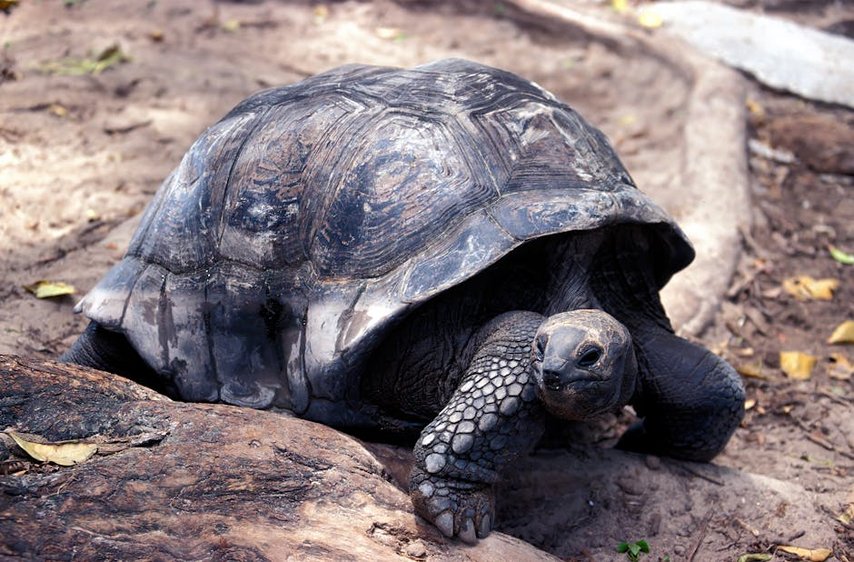
Alt: “hawksbill-turtle-nesting-seychelles-beach-night-conservation”
Seychelles Turtle Nesting Season – Planning Your Trip
Your wildlife adventure requires careful timing and ethical planning. The primary Seychelles turtle nesting season for Hawksbills runs from October through January, with peak activity often in November and December. For Green turtles, the season extends later, typically from January through April, with a peak around February. Planning around these windows maximizes your chance of a sighting.
Booking accommodations on key nesting islands like Bird Island or Cousine Island well in advance is essential, as they have limited capacity. Expect to budget more for these exclusive conservation-focused locales. You should also pack for warm, humid evenings on the beach: light long sleeves, pants, and insect repellent are advisable.
Always coordinate turtle watching through reputable island lodges or licensed guides. They ensure minimal disturbance to the animals and your safety. Independent exploration on closed beaches after dark is usually prohibited and can harm sensitive nesting sites.
Best Time to Visit for Turtle Nesting
Visit for Hawksbill nesting between mid-October and late December, when nocturnal beach activity is highest. Evening temperatures range from 75°F to 82°F (24°C to 28°C) with high humidity. For Green turtle nesting, plan your trip between late January and March, which falls within the drier southeast monsoon period.
The shoulder month of April may offer opportunities to see late-nesting Greens or even early hatchling emergences from earlier nests. The wetter northwest monsoon from November to March brings more frequent, brief rains, but this does not deter nesting turtles. Avoid planning solely around lunar cycles, as turtles nest throughout the month.
Budget Planning and Costs
Costs vary significantly based on your chosen island and accommodation style.
Essential Preparation Checklist
Pack a red-light headlamp (white light disorients turtles), dark-colored clothing for beach nights, and sturdy sandals. Bring a good camera with a high ISO capability for low-light photography without flash, binoculars, and waterproof bags for your gear. Reef-safe sunscreen and a reusable water bottle are also essential.
Ensure your travel insurance covers medical evacuation. Check visa requirements, though most Western passport holders receive a free visitor’s permit on arrival. Book international flights into Seychelles International Airport (SEZ) on Mahé at least four to six months ahead for the peak nesting period. Confirm all inter-island transfers and lodge bookings simultaneously.
Top Islands and Viewing Experiences
Choosing the right island is the most critical decision for your turtle watching success. Each offers a different environment and level of interaction. The inner granite islands like Mahé provide accessible but less predictable viewing, while remote coral islands deliver concentrated, managed experiences.
Your experience will also differ based on whether you witness nesting (arribada) or hatchling emergence (exodus). Both are equally mesmerizing but occur at different times. Night walks are for nesting observation, while early mornings or late afternoons may yield hatchling sightings during the emergence period.
Must-See Turtle Islands
Bird Island is arguably the premier location for observing Green turtle nesting. Hundreds of females come ashore each season on this remote coral island. The island lodge organizes guided walks, and the sheer number of turtles increases your chance of a memorable encounter substantially.
Cousine Island is a tightly controlled private nature reserve and a stronghold for Hawksbill turtles. Visits are limited to a handful of guests, ensuring an intimate experience with minimal impact. Here, you might witness researchers tagging and measuring turtles as part of long-term studies.
Aride Island, managed by the Island Conservation Society, is another vital sanctuary. Day trips from Praslin can sometimes coincide with turtle activity, though overnight stays are not available. The beaches here are stunning and often visited by both species during their respective seasons.
Ethical Guided Tours and Practices
Always participate in tours led by trained conservation guides. They know the safe distances, appropriate light use, and behavioral cues that indicate a turtle is stressed. A good guide will position you downwind and to the side of the turtle’s path, never in front of her or between her and the ocean.
Guides will instruct you to remain silent, crouch low, and move slowly. Flash photography, touching turtles, or using any white light source is strictly forbidden. These rules are not suggestions; they are enforced to protect a threatened species during its most vulnerable life stage. Your compliance directly contributes to conservation.
Aldabra Atoll – The Ultimate Sanctuary
Aldabra, the world’s second-largest coral atoll, is a bucket-list destination for serious wildlife enthusiasts. It hosts a population of over 100,000 Giant Tortoises and is a major nesting ground for Green turtles. Access is highly restricted, typically requiring special expedition cruises or research permits.
The journey is long and costly, but the reward is witnessing nature on a scale seen almost nowhere else. Visiting Aldabra is less about a casual beach walk and more about a profound expedition into one of the planet’s last great wild places. It represents the pinnacle of Seychelles turtle conservation success.
Practical Travel Information
International travelers fly into Seychelles International Airport (SEZ) on Mahé. Major carriers like Emirates, Qatar Airways, Ethiopian Airlines, and Air Seychelles connect through their respective hubs. From Mahé, you’ll need to reach your specific nesting island via domestic air transfer or ferry service.
Accommodation ranges from guesthouses on the main islands to exclusive private island lodges. Booking directly with island resorts is often the only option, as they manage all guest transfers and activities. Availability disappears quickly for the peak nesting months, so secure your spot immediately after deciding.
| Accommodation Type | Island Examples & Features | Price Range/Night (USD) |
|---|---|---|
| Main Island Guesthouse | Mahé or Praslin; self-organized tours, easy dining access | $80 – $180 |
| Main Island Resort | Four Seasons (Mahé) or Raffles (Praslin); may offer turtle tours | $500 – $1,200+ |
| Specialist Turtle Lodge | Bird Island Lodge; includes full board & guided watching | $400 – $700 (per person, all-inclusive) |
| Private Island Sanctuary | Cousine or North Island; ultra-exclusive, conservation-focused | $1,500 – $3,500+ (all-inclusive) |