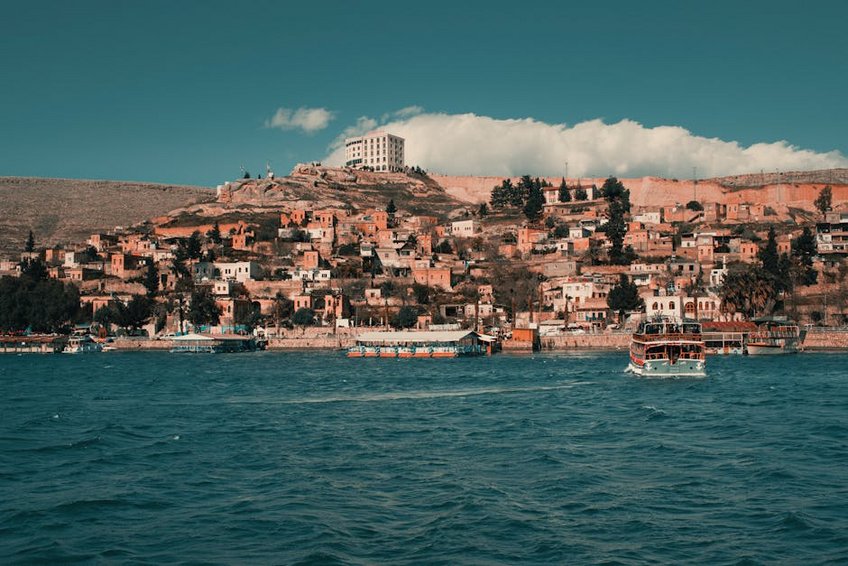
Sanliurfa Travel Guide: Discover Turkey’s Ancient City of Prophets
Şanlıurfa, often called simply Urfa, offers a profound journey into the cradle of civilization, where ancient history and deep spirituality converge in southeastern Turkey. This Sanliurfa travel guide serves as your essential companion to navigating a city revered by three major religions, home to the sacred Pool of Abraham and the mesmerizing Neolithic site of Göbekli Tepe. You will explore labyrinthine bazaars filled with the scent of spices, savor the world’s finest isot peppers, and witness sunset over a skyline of mosques and minarets, all while uncovering layers of human history dating back over 12,000 years. We cover everything from accessing the main archaeological sites to navigating the local culture, ensuring your visit is both seamless and deeply enriching.
Essential Information About Sanliurfa
Şanliurfa is a major city in Turkey’s Southeastern Anatolia Region, acting as a cultural and historical keystone. Locally, it’s nicknamed “The City of Prophets,” with strong Islamic, Christian, and Jewish heritage centered on the story of Prophet Abraham (Ibrahim). The climate is continental, featuring extremely hot, dry summers and cool, sometimes rainy winters, which significantly influences the best travel times. Understanding this context transforms a simple visit into a meaningful exploration of one of the world’s oldest continuously inhabited regions.
The region’s transformation in recent decades, driven in part by the GAP irrigation project, has increased agricultural output and modern infrastructure. Despite this growth, the city’s ancient core around the Dergah Complex retains an atmosphere frozen in time. Travelers should prepare for a destination that feels distinctly different from Turkey’s Aegean and Mediterranean coasts, offering a more raw and authentic cultural immersion.
What You Need to Know Before You Go
Prepare for your trip with these key logistical points.
- The local language is Turkish, with Kurdish and Arabic widely spoken; learning a few basic Turkish phrases like “Merhaba” (Hello) and “Teşekkür ederim” (Thank you) is appreciated, though you’ll find some English in tourist areas.
- Currency is the Turkish Lira (TRY), but major credit cards are accepted in hotels and larger restaurants; always carry some cash for the bazaars, small cafes, and transportation like dolmuş (shared minibuses).
- Dress modestly, especially when visiting mosques and religious sites; women should carry a headscarf, and both men and women will feel more comfortable wearing clothing that covers shoulders and knees in the old city.
- Budget travelers can manage on $40-60 USD per day by staying in local guesthouses (pansiyons), eating at lokantas (casual eateries) where a meal costs $3-5, and using public dolmuş transport. Entrance fees to major sites like Göbekli Tepe and the museum are modest, around $3-5 each.
- Mid-range travelers spending $80-120 USD daily can enjoy comfortable 3-4 star hotels near the old city, hire taxis for convenient site access, and dine at well-regarded restaurants serving traditional Urfa kebabs. This budget allows for guided day trips to Harran and a more relaxed pace.
- A luxury experience at $150+ USD per day includes stays at the city’s finest boutique hotels with courtyard pools, private guided tours with expert archaeologists, and gourmet meals featuring elevated local cuisine. This tier offers maximum comfort and deep cultural insight.
- Republic of Turkey Ministry of Culture and Tourism – Sanliurfa
- UNESCO World Heritage Centre – Göbekli Tepe
- Lonely Planet – Sanliurfa Travel Information
Key Historical and Cultural Details
Sanliurfa’s history is not just old—it’s foundational. The nearby archaeological site of Göbekli Tepe, a UNESCO World Heritage Site, has radically changed our understanding of human prehistory. Dating to around 9600 BCE, its massive T-shaped pillars arranged in circles suggest organized religion and complex society existed long before settled farming. This makes the Urfa region arguably one of the most important areas on Earth for studying the origins of civilization.
Later, the city became the Hellenistic center of Edessa, a Christian kingdom famous for the “Mandylion,” a holy relic. Today, the city’s identity is deeply shaped by its association with Prophet Abraham. According to tradition, this is Ur of the Chaldeans, his birthplace, and the site where King Nimrod cast him into a fire that God turned into water and roses, now represented by the sacred Balıklıgöl (Fish Lake). This spiritual narrative permeates daily life and the city’s atmosphere.
Regional Climate and Geography
Southeastern Turkey experiences extreme seasonal shifts that dictate travel plans. Summers (June-August) are intensely hot, with average highs soaring to 104°F (40°C) and often exceeding 110°F (43°C). This heat can make extensive outdoor exploration at sites like Göbekli Tepe challenging. Winters (December-February) are cool and wetter, with highs around 50°F (10°C) and occasional frost.
The most pleasant weather for a comprehensive Sanliurfa travel experience arrives during the spring (April-May) and autumn (September-October). These shoulder seasons offer daytime temperatures in the comfortable 70s to low 80s°F (21-28°C), ideal for walking through the bazaars and visiting open-air historical sites without extreme discomfort.
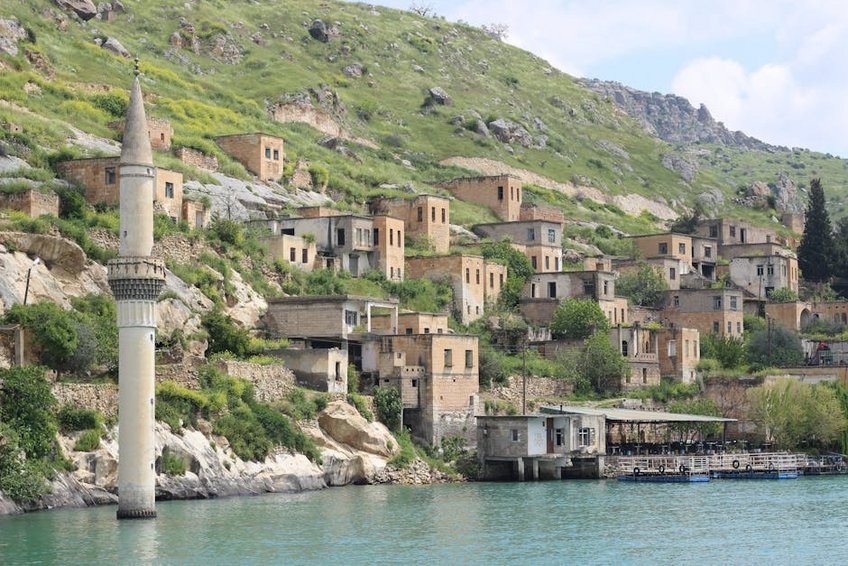
Alt: “sanliurfa-balikligol-pool-of-abraham-fish-sacred-pool”
Sanliurfa Travel Guide – Planning Your Trip
Careful planning maximizes your time in this layered destination. Your itinerary should balance major archaeological wonders with immersive cultural experiences in the old city. Prioritize booking accommodations well in advance if visiting during the peak seasons of spring and fall or during local religious holidays. This guide helps you structure a visit that is both logistically smooth and culturally profound.
Consider allocating a minimum of two full days to cover the essential highlights without rush. Dedicate one day to Göbekli Tepe and the superb Şanlıurfa Archaeology Museum, and another to the Balıklıgöl complex, the bazaars, and Harran. Efficient planning also involves arranging reliable transport to outlying sites, which may require hiring a taxi for half a day or joining a pre-arranged tour from the city center.
Best Time to Visit Sanliurfa
The optimal months for a Sanliurfa travel itinerary are April, May, September, and October. During these periods, daytime temperatures range from a pleasant 70°F to 85°F (21°C to 29°C), providing ideal conditions for exploring both indoor museums and extensive outdoor ruins. Crowds are manageable, and hotel rates are generally more favorable than in the high summer.
Visiting in the cool winter months from November to March is feasible, especially for travelers focused on indoor museums and the covered bazaars. However, be prepared for rain and colder evenings, with temperatures dropping to around 37°F (3°C). The intense summer heat from June through August makes extensive outdoor touring at sites like Göbekli Tepe physically demanding, requiring early morning visits and ample hydration.
Budget Planning and Costs
Sanliurfa offers good value, though costs vary by travel style.
Essential Preparation Checklist
Packing for Sanliurfa requires consideration of climate and culture. Essential items include a high-SPF sunscreen, a wide-brimmed hat, and a reusable water bottle to combat the strong sun. Comfortable, closed-toe walking shoes are non-negotiable for navigating uneven stone streets and archaeological sites. Women should pack a lightweight scarf for head covering when entering mosques.
Preparation also involves logistics. Most visitors require an e-Visa for Turkey, obtainable online before arrival. While not mandatory, travel insurance covering health and trip interruption is highly recommended. Book your accommodation at least a month in advance for peak seasons, and consider pre-booking a rental car if you plan extensive independent travel to surrounding sites like Harran and Mount Nemrut.
Top Attractions and Immersive Activities
Sanliurfa’s attractions span millennia, from the dawn of civilization to vibrant living traditions. The city seamlessly blends awe-inspiring ancient monuments with dynamic street life. You can spend a morning contemplating 12,000-year-old pillars and an evening listening to live Sufi music in a centuries-old courtyard. This contrast defines the unique appeal of the region.
Beyond the headline sites, the real magic lies in simple moments: sipping tea with a shopkeeper in the bazaar, watching the sunset reflect in the Pool of Abraham, or tasting freshly baked flatbread. Allow time in your schedule for unstructured wandering through the old city’s maze-like lanes, where surprises await around every corner.
Must-See Historical Highlights
No visit is complete without Göbekli Tepe. Located about 15 kilometers northeast of the city center, this site features massive carved limestone pillars arranged in circles, predating Stonehenge by 6,000 years. The on-site shelter provides shade, but visiting early in the morning beats the heat and the crowds. Combine it with the magnificent Şanlıurfa Archaeology Museum, which houses stunning “Urfa Man,” one of the world’s oldest naturalistic life-sized statues, and artifacts from the site.
The Balıklıgöl (Fish Lake) complex forms the spiritual heart of the city. According to legend, this is where Prophet Abraham landed in the rose garden, and the sacred carp in the lake are considered holy. The complex includes the serene pool, the beautiful Halil-ür Rahman Mosque, and the cave believed to be Abraham’s birthplace (İbrahim’in Makamı). Visit in the late afternoon to experience the golden light and the call to prayer echoing across the water.
Hidden Gems and Local Favorites
Venture into the traditional Sipahi Pazarı and Bakırcılar Çarşısı (Coppersmiths’ Bazaar) for an authentic sensory experience. Here, you can watch artisans hammer intricate patterns into copperware and find unique souvenirs like hand-woven kilims, spices, and traditional “mırra” coffee pots. It’s less tourist-focused than bazaars in Istanbul, offering a genuine glimpse into local craftsmanship.
For a panoramic view, walk up to the walls of Urfa Castle (Şanlıurfa Kalesi). While the castle itself is largely ruins, the hilltop offers the best vista over the entire old city, the pools, and the modern sprawl beyond. It’s particularly magical at sunset. Another lesser-visited site is the ancient Ayn Zeliha pond, a smaller, quieter pool adjacent to Balıklıgöl, named after a follower of Abraham.
Traditional Craft and Culinary Experiences
Engage directly with the city’s living heritage through hands-on experiences. You can arrange visits to local ateliers to see the ancient art of “küfte taşı” (meatball stone) carving or silk weaving. Many boutique hotels can connect you with these master artisans. For a deeper taste, consider a short cooking class focused on Urfa’s iconic dishes, such as lahmacun (thin meat-topped flatbread) and the distinctive isot pepper-braised stews.
Another unique activity is attending a “Sıra Gecesi,” a traditional men’s gathering involving food, live folk music (bağlama), and conversation. While traditionally private, some cultural centers and restaurants offer experiences for visitors, providing insight into a cherished local social tradition that strengthens community bonds.
Practical Travel Information and Logistics
Navigating Şanlıurfa is straightforward with basic planning. The city is well-connected by air and long-distance bus, and the central tourist areas are compact and walkable. For outlying attractions, you’ll need to arrange transport. The local tourism infrastructure is developed enough to be comfortable for international travelers while retaining its authentic character.
Accommodation options have greatly improved, ranging from basic guesthouses to luxurious boutique hotels converted from traditional Urfa houses. Staying in or near the old city (Eski Ölçek district) is highly recommended to be within walking distance of major sites like Balıklıgöl and the bazaars, immersing you fully in the historic atmosphere.
| Category | Options & Features | Price Range (USD/Night) |
|---|---|---|
| Budget Guesthouse | Simple rooms, shared bathrooms, often family-run, central location in old town. | $20 – $40 |
| Mid-Range Hotel | 3-4 star comfort, private bathrooms, air conditioning, on-site restaurant, near old city. | $50 – $90 |
| Boutique Hotel | Restored traditional stone mansion, courtyard with pool, authentic decor, premium service. | $100 – $200 |
| Luxury Accommodation | Five-star facilities, spa, multiple gourmet restaurants, panoramic views, concierge service. | $200+ |