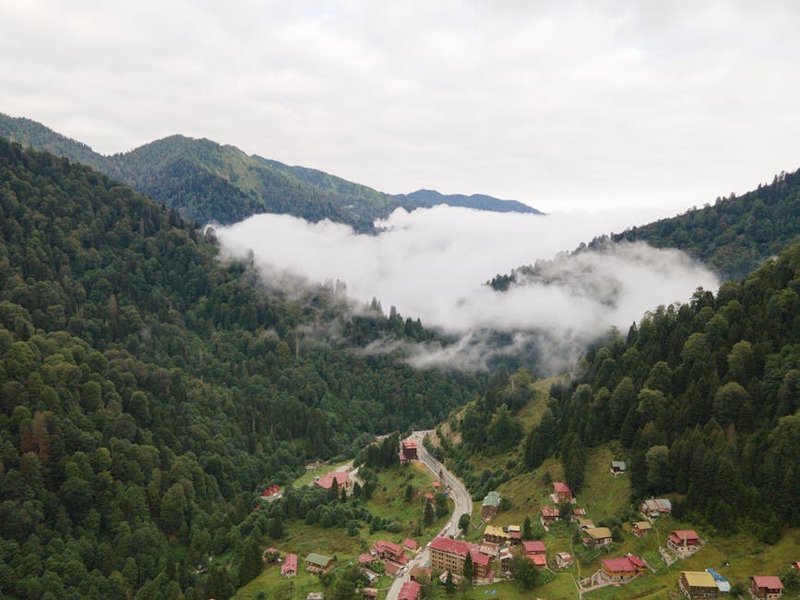
Rize Travel Guide: Exploring Turkey’s Lush Black Sea Province
Rize offers a unique blend of dramatic mountain scenery, vibrant tea plantations, and authentic Black Sea culture, making it a captivating destination for travelers seeking an alternative to Turkey’s Mediterranean coast. Your Rize travel guide reveals a region where humid air from the sea meets the soaring peaks of the Kaçkar Mountains, creating a verdant landscape perfect for hiking, photography, and cultural immersion. This guide covers essential logistics, top attractions, and insider tips to help you navigate this humid, hospitable corner of northeastern Turkey.
Essential Rize Information
Rize Province is the heart of Turkey’s tea production, with its humid subtropical climate creating perfect growing conditions. The region’s geography is defined by steep valleys rushing down from the Kaçkar Mountains to the rugged Black Sea coastline. This creates microclimates where weather can change rapidly, a key factor for trip planning.
The local culture is distinct, with a strong Laz influence and traditions tied to the land and sea. Hospitality is paramount here, and visitors are often welcomed with open arms and strong black tea. Understanding this cultural context enriches every interaction, from market visits to homestay experiences.
Geography and Climate – What to Expect
Rize’s landscape is famously lush and receives significant rainfall year-round. Prepare for a climate very different from the dry Aegean or Mediterranean coasts of Turkey.
- The coastal areas experience a humid subtropical climate with high annual precipitation, often exceeding 2,000 millimeters (79 inches), making it one of Turkey’s wettest regions.
- Inland and higher into the Kaçkar Mountains, the climate transitions to a humid continental type, with colder winters and heavy snowfall perfect for certain winter activities.
- Summer temperatures along the coast average 68-77°F (20-25°C), while winter temperatures hover around 41-50°F (5-10°C), though it feels colder due to the humidity and wind.
- Budget travelers can manage on $40-60 per day by staying in guesthouses (*pansiyon*), using public minibuses (*dolmuş*), and eating at local *lokantas*. A shared taxi to Ayder might cost $10-15 per person.
- Mid-range travelers spending $80-120 per day can enjoy comfortable hotels, rental car freedom ($35-50/day), and meals at good restaurants. Guided day hikes typically cost $50-80 per person.
- A luxury experience at $150-250+ per day includes boutique hotels in Çamlıhemşin, private guided tours, and fine dining featuring local trout and Black Sea cuisine.
- Republic of Turkey Ministry of Culture and Tourism – Rize
- Lonely Planet – Black Sea Coast Travel Information
Cultural Heritage and Local Identity
The region is historically part of Lazistan, and the Laz people have a rich cultural heritage with their own language and traditions. While Turkish is universally spoken, you may hear the Laz language in villages and among older generations. This cultural layer adds depth to your visit beyond the stunning scenery.
Local life revolves around tea cultivation, fishing, and animal husbandry in the highland pastures, or *yayla*. Attending a local festival or visiting a weekly market provides a genuine glimpse into this unique way of life. Respect for these traditions is appreciated by local residents.
Key Facts at a Glance
The provincial capital, also called Rize, is a bustling city of about 150,000 people and serves as the main transport and commercial hub. The best airport for access is Trabzon Airport (TZX), located about 1.5 hours west by road. While the region is safe and welcoming, having a basic understanding of Turkish phrases will greatly enhance your experience in rural areas.
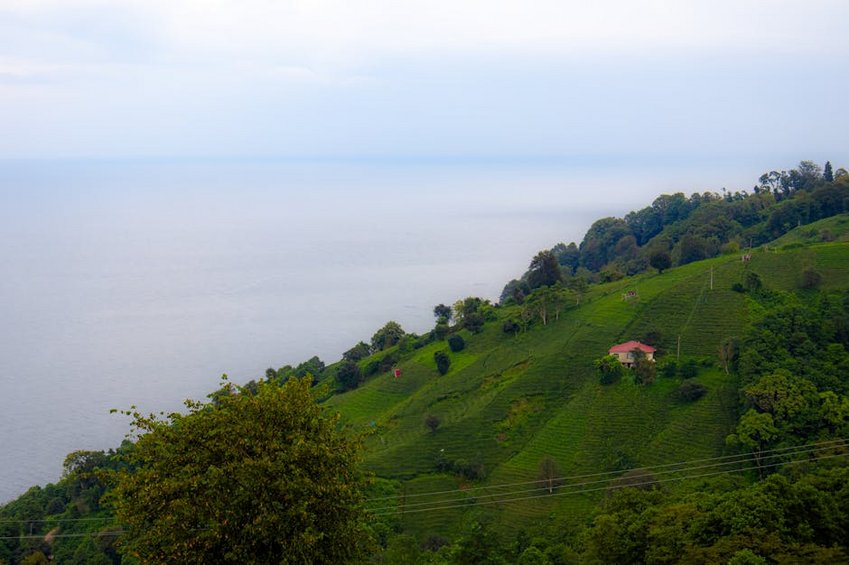
Alt: “rize-tea-plantations-mountainous-black-sea-landscape”
Rize Travel Guide – Planning Your Trip
Successful exploration of Rize requires thoughtful preparation due to its terrain and climate. Your itinerary should balance time between the coastal tea gardens and the majestic highland valleys. Renting a car provides the greatest flexibility, though organized tours and public transport can also form the backbone of a good plan.
A typical week-long trip allows for two days along the coast, three days for mountain exploration and hiking, and two flexible days for travel and cultural immersion. Pack for all weather conditions, even in summer, with waterproof layers being absolutely essential. This Rize travel guide prioritizes practical advice to help you build a seamless itinerary.
Best Time to Visit Rize
The ideal period for a Rize visit is between late May and late September. From June to August, temperatures are pleasant, averaging 65-75°F (18-24°C), and the mountain roads and highland pastures are fully accessible for hiking. This is peak season, so book accommodations in popular areas like Ayder Yaylası several months in advance.
Shoulder seasons in May and late September/October offer cooler temperatures, around 55-65°F (13-18°C), and fewer tourists, but be prepared for more frequent rain. Winter, from November to March, transforms the highlands into a snowy wonderland, but many mountain roads close, limiting travel to coastal areas and lower elevations.
Budget Planning and Costs
Daily costs in Rize vary based on travel style. Here is a breakdown for different budgets.
Essential Preparation Checklist
Packing correctly is crucial. Bring waterproof hiking boots, a quality rain jacket and pants, moisture-wicking layers, and a warm fleece or insulated jacket for the mountains. Also pack a power adapter (Turkey uses Type F, 220V) and a Turkish phrasebook or translation app for rural areas.
Ensure your passport has at least six months validity. US and EU citizens receive a 90-day tourist visa on arrival or via e-Visa. Purchase comprehensive travel insurance that covers hiking and potential road trip issues. Book your rental car and key mountain lodges (*pansiyon*) at least 2-3 months in advance for summer travel.
Top Attractions and Activities
Rize’s allure lies in its dramatic natural contrasts. One moment you’re wandering through endless seas of green tea bushes, the next you’re gazing at towering peaks from a traditional wooden *yayla* house. The activities here cater to nature lovers, culture enthusiasts, and adventure seekers alike.
From the iconic Fırtına Valley to the serene highland plateaus, each area offers a distinct experience. Don’t rush; the beauty is in the journey along winding mountain roads and stops at humble villages. Allocate time for spontaneous exploration alongside visiting the major sites listed below.
Must-See Highlights
Ayder Yaylası is the most famous highland plateau, a base for hiking and famous for its hot springs. Visit early in the morning to see the mist lift from the valley before day-trippers arrive. The entrance fee to the public thermal pool is minimal, around $2-3.
Zilkale is a breathtaking medieval castle perched on a steep cliff in the Fırtına Valley. The drive alone is spectacular. There’s a small entrance fee, and the best light for photography is in the late afternoon. Combine it with a visit to the nearby Şenyuva Bridge.
The Rize Tea Gardens (*Çay Bahçeleri*) sprawl across the hillsides. For the best view, head to the Ziraat Parkı tea garden in the city center or visit a working plantation like in Güneysu to learn about processing. The Tea Museum in Rize city provides good historical context.
Hidden Gems and Local Favorites
Pokut Yaylası offers a more authentic and less crowded alternative to Ayder. The wooden houses and panoramic views of the Kaçkar range are stunning. Access requires a sturdy vehicle and a sense of adventure, as the road is rough.
The Palovit Şelalesi (Palovit Waterfall) is one of Turkey’s highest and most powerful waterfalls. The viewing platform gets you impressively close to the spray. It’s located off the main road towards Çat, and the small entry fee supports local maintenance.
For a coastal escape, visit Çayeli or Pazar districts to see traditional Laz stone houses and quiet fishing harbors. The atmosphere here is slow-paced and offers a different perspective on Black Sea life away from the tourist trail.
Hiking the Kaçkar Mountains
The Kaçkar Mountains offer trails for all levels, from day hikes to multi-day treks. The most popular route is the trans-Kaçkar trek, which typically takes 4-7 days and requires a guide for navigation and logistics. Always check conditions with local guides before setting out.
For less strenuous options, consider walks around the various *yaylas* like Aşağı Kavron or Yukarı Kavron. These paths offer incredible views without technical difficulty. Hiring a local guide for $50-80 per day is recommended for safety and to gain insight into the flora, fauna, and culture.
Practical Travel Information
Navigating Rize involves understanding the local transport network and accommodation options. While the province is well-connected by road, services thin out as you head into the mountains. Planning your daily routes with travel time in mind is essential, as distances are short on a map but long in reality due to winding mountain roads.
Accommodation ranges from simple village houses to comfortable hotels and unique boutique properties in restored wooden mansions. Booking ahead is non-negotiable in summer and during local festivals. The following table outlines key categories for trip planning.
| Category | Options/Features | Price Range (USD) |
|---|---|---|
| Coastal Hotels (Rize City) | Modern amenities, sea views, easy access to city amenities and tea museums. | $45-80/night |
| Mountain Guesthouses (Ayder/Çamlıhemşin) | Traditional wooden *pansiyon*, half-board meals, cozy atmosphere, organized tours. | $60-100/night (with meals) |
| Boutique Hotels | Restored historic houses, unique design, local cuisine focus, guided experiences. | $120-200+/night |
| Self-Catering Apartment | Full kitchen, more space, often in smaller towns, ideal for longer stays. | $40-70/night |