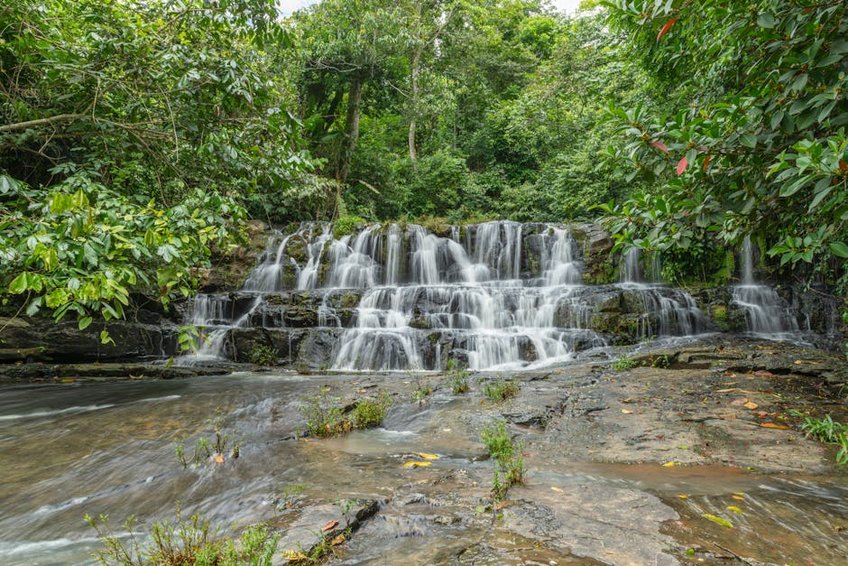
Rainforest Experience in Costa Rica
A rainforest experience in Costa Rica immerses you in one of the most biodiverse ecosystems on the planet. You will walk among towering trees draped in vines and listen to the symphonic calls of howler monkeys and tropical birds. This guide details the essential regions, optimal timing, and practical preparation needed for your Central American jungle adventure.
Essential Costa Rican Rainforest Information
Costa Rica’s rainforests are part of the Mesoamerican Biological Corridor. They cover significant portions of the country, primarily on the Caribbean slope and southern Pacific region. These forests receive substantial annual rainfall, which fuels their incredible diversity.
Conservation is a national priority here. Over a quarter of the land enjoys protected status within national parks and private reserves. This commitment ensures the survival of countless species and provides pristine destinations for eco-tourists.
Primary Rainforest Regions and Parks
Several key national parks offer distinct jungle experiences for visitors.
- Corcovado National Park: Located on the Osa Peninsula, it’s renowned as the crown jewel. This remote park hosts all four Costa Rican monkey species and elusive big cats like jaguars and pumas, requiring guided tours for access.
- Tortuguero National Park: A network of canals and rivers accessible only by boat or plane. This Caribbean-side park is famous for sea turtle nesting and offers incredible wildlife viewing from water-based trails during the green season.
- Arenal Volcano area: Surrounding the iconic volcano, this region combines rainforest hikes with volcanic landscapes. You can explore hanging bridges, spot sloths, and relax in natural hot springs after a day of exploration.
- Budget Traveler: Allocate $60-$90 USD per day. This covers hostel dorms, public bus travel, self-guided hikes in free reserves like Tirimbina, and supermarket meals. Focus on areas with public park access to minimize guide costs.
- Mid-Range Explorer: Plan for $150-$250 USD daily. This budget allows for comfortable lodges, shared shuttle transfers, guided half-day tours in national parks, and meals at local sodas. You’ll enjoy better access and expert wildlife spotting.
- Luxury Eco-Traveler: Expect $350-$600+ USD per day. This includes stays at premier ecolodges like Lapa Rios, private guided tours, charter flights to remote regions like Tortuguero, and gourmet dining. Experiences are seamless and deeply immersive.
- Costa Rica Tourism Board (ICT)
- National System of Conservation Areas (SINAC)
Climate and Weather Patterns
Costa Rica has a tropical climate with distinct wet and dry seasons. Temperatures remain relatively constant year-round, typically between 70°F and 85°F (21°C to 29°C). The key variable is rainfall, not temperature.
The dry season, from December to April, sees less rain and more sunshine. This period offers the most reliable trail conditions for hiking. The wet or green season, from May to November, brings daily afternoon showers that make the forest incredibly lush and vibrant.
Biodiversity and Key Species
The country’s rainforests are a living laboratory of evolution. They contain an estimated 5% of the world’s biodiversity within just 0.03% of its landmass. This density makes wildlife encounters highly probable with a patient guide.
Iconic mammals include three-toed sloths, white-faced capuchin monkeys, and Baird’s tapirs. The avian population is staggering, with resplendent quetzals, scarlet macaws, and hundreds of hummingbird species. Your guide will help you spot camouflaged reptiles and colorful poison dart frogs.

Alt: “corcovado-national-park-osa-peninsula-dense-canopy-trail”
Rainforest Experience in Costa Rica – Planning Your Trip
Successfully planning a rainforest experience in Costa Rica requires matching your interests with the right region and season. Consider whether you prioritize wildlife photography, intense hiking, or family-friendly canopy walks. Each park and private reserve caters to different activity levels and interests.
Budget planning is crucial, as costs can vary widely. Park entrance fees range from $10 to $15 USD per person per day. Guided tours, which are mandatory in some parks, add $50 to $120 USD depending on group size and tour length. Allocate funds for reliable rain gear and broken-in hiking shoes.
Best Time to Visit Costa Rica’s Rainforests
The optimal months for a classic dry-season visit are January through April. You can expect minimal rainfall, excellent trail conditions, and high visibility for wildlife spotting. Daytime temperatures average 80°F (27°C) in the lowlands.
Shoulder months like May, November, and early December offer a compelling compromise. Mornings are often sunny with brief afternoon showers. The landscape is vividly green, tourist numbers are lower, and accommodation prices can be more favorable during these transitional periods.
Budget Planning and Costs
Your total cost depends heavily on travel style and guided tour needs.
Essential Preparation Checklist
Packing correctly is non-negotiable for jungle comfort and safety. Essential items include quick-dry clothing, a waterproof jacket, sturdy hiking shoes with grip, and waterproof bags for electronics. Binoculars and a camera with a zoom lens are vital for wildlife viewing.
Logistically, ensure your passport is valid for six months beyond your stay. U.S. and EU citizens do not need a visa for tourist stays under 90 days. Purchase comprehensive travel insurance covering emergency evacuation. Book major lodges and guided tours at least three months in advance for peak season visits.
Top Attractions and Jungle Activities
Beyond simple hiking, Costa Rica’s rainforests offer diverse ways to engage with the ecosystem. Canopy tours provide a bird’s-eye perspective, while night walks reveal a completely different set of nocturnal creatures. River safaris allow for quiet approach and unique viewing angles of wildlife.
Each activity offers a different pace and focus. Research operators carefully for their safety record and environmental practices. Reputable guides hold official ICT certification and prioritize minimal impact on the fragile environment.
Must-See Highlights
Corcovado National Park’s Sirena Station is a world-class wildlife destination. Visitors often see tapirs, all four monkey species, and countless birds on trails around the ranger station. Access requires planning, either via a long hike or a pre-booked boat or small plane transfer.
Monteverde Cloud Forest Reserve showcases a unique, mist-shrouded ecosystem. The famous hanging bridges here let you walk through the canopy, while guided walks offer a chance to see the resplendent quetzal. Reserve tickets online to secure a spot during busy periods.
Manuel Antonio National Park combines rainforest with stunning beaches. Its accessible, well-maintained trails make it ideal for families or those seeking a softer introduction. Arrive early to avoid crowds and increase your chances of spotting sloths and capuchin monkeys.
Hidden Gems and Local Favorites
Consider the Osa Peninsula’s lesser-known trails outside Corcovado. Areas like Bosque del Cabo or Luna Lodge offer private reserve access with excellent guiding and fewer visitors. You’ll experience similar biodiversity with more personalized attention.
On the Caribbean slope, the Pacuare River basin offers exceptional rainforest immersion. Multi-day rafting trips include camping on sandy riverbanks deep in primary forest, a truly off-grid adventure. This area is also a major nesting site for the endangered green macaw.
Guided Night Walks and Wildlife Spotting
Nocturnal tours unlock the rainforest’s hidden shift. With a guide’s expert eye and spotlight, you’ll see tarantulas, sleeping birds, kinkajous, and red-eyed tree frogs. These walks are safe and immensely educational, revealing the ecosystem’s 24-hour cycle.
Booking a guided walk, day or night, significantly increases your species count. Certified guides possess trained eyes and know animal habits and calls. They also ensure you follow park rules that protect both the wildlife and yourself.
Practical Travel Information
Navigating Costa Rica involves a mix of transport types. Domestic flights on Sansa or Green Airways efficiently connect coasts, while shared shuttle vans offer comfort between major tourist hubs. Renting a 4×4 vehicle provides maximum flexibility for exploring remote regions, especially during the wet season.
Accommodation ranges from basic field stations in parks to luxurious ecolodges. True ecolodges invest in sustainability via solar power, water treatment, and community employment. Booking directly often provides the best rates and confirms your stay’s environmental credentials.
| Accommodation Type | Features & Considerations | Price Range (USD/Night) |
|---|---|---|
| Rainforest Ecolodge | All-inclusive meals, guided tours, sustainable design, often remote location. | $250 – $600+ |
| Mid-Range Lodge/Cabin | Private bathroom, on-site restaurant, tour desk, located near park entrances. | $80 – $180 |
| Hostel/Budget Cabin | Shared facilities, self-catering kitchens, social atmosphere, basic comfort. | $20 – $60 |
| Research Station Bunk | Rustic shared dorms, cafeteria meals, unique location deep in park (e.g., Sirena). | $50 – $80 (incl. meals) |