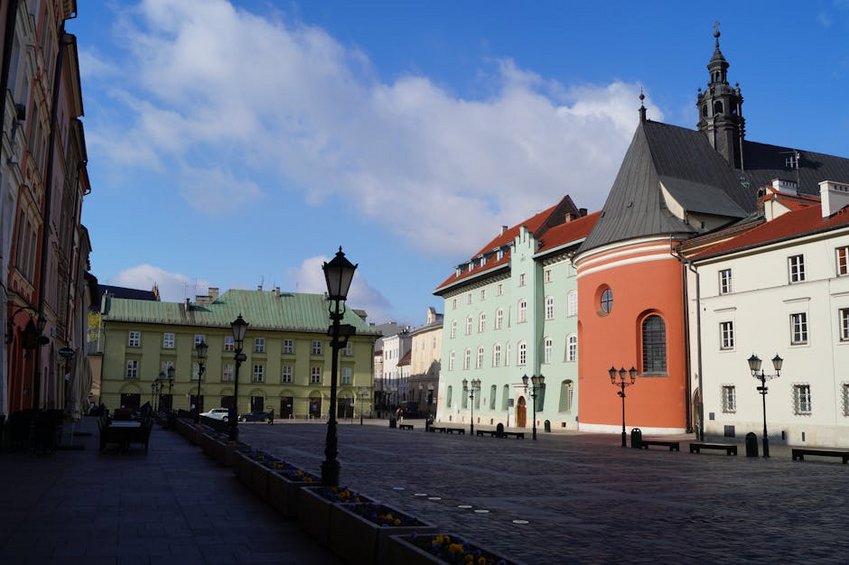
Poland Krakow Easter Markets Guide for 2025 Travelers
Visiting the Poland Krakow Easter Markets offers a profound cultural journey into Central European spring traditions, blending sacred observance with vibrant public celebration. You will find these markets primarily in the historic Main Market Square, where hand-painted Easter eggs, regional folk art, and seasonal delicacies create a sensory feast. This guide provides essential dates, budget tips, and cultural insights to help you plan an immersive experience, covering everything from market logistics to local etiquette.
Krakow Easter Market Essential Information
The Krakow Easter Markets, known locally as “Kiermasz Wielkanocny,” are a cornerstone of Poland’s cultural calendar. They traditionally open in late March and run through Easter Monday, transforming the city’s medieval core into a colorful festival of spring. This event is deeply tied to Poland’s Catholic heritage but welcomes visitors of all backgrounds to witness its unique crafts and foods.
Centered on the Main Market Square (Rynek Główny), the stalls radiate out towards landmarks like St. Mary’s Basilica and the Cloth Hall. The atmosphere shifts from solemn observance during Holy Week to joyful celebration on Easter Sunday and Smigus-Dyngus (Wet Monday). Understanding this blend of sacred and festive is key to appreciating the full experience.
Dates and Historical Context
The markets operate annually, with dates aligning with the movable Easter holiday.
- 2025 Dates: Markets typically open around March 22nd and run through April 21st (Easter Monday). The peak period is Palm Sunday through Easter Monday.
- Historical Roots: The tradition dates back centuries, merging pre-Christian spring rites with Catholic Easter celebrations, symbolizing renewal and community.
- Daily Hours: Stalls are generally open from 10:00 AM to 8:00 PM, with extended hours on weekends and key dates like Good Friday.
- Budget Traveler ($70-$100/day): Stay in a hostel or budget guesthouse, eat at “bar mleczny” (milk bars) and market food stalls, use public transport, and focus on free attractions like the market and church visits.
- Mid-Range Traveler ($150-$250/day): Book a centrally-located hotel or apartment, enjoy meals at traditional “pierogarnia” restaurants, take a guided walking tour, and visit paid museums like the Wawel Cathedral.
- Luxury Traveler ($350+/day): Stay in a 5-star hotel like Hotel Copernicus, dine at fine restaurants, hire a private guide for a deep cultural tour, and arrange a day trip to the Wieliczka Salt Mine.
- Official Krakow City Website
- Polish National Tourist Office
Cultural Significance and Symbolism
These markets are far more than a tourist attraction. They are a living display of Polish folk art and religious devotion. The iconic “pisanki” (hand-decorated Easter eggs) carry specific regional patterns and meanings. Artisans from villages across Lesser Poland (Małopolska) bring their crafts, preserving techniques passed down through generations.
The food stalls also tell a story of Lenten fasting and Easter feasting. You can observe the transition from simpler foods during Holy Week to the rich, celebratory dishes served from Easter Sunday onward. This culinary journey mirrors the spiritual passage from reflection to jubilation.
Navigating the Main Market Square Layout
The market layout is intuitive but can be crowded. The primary craft and decoration stalls cluster around the central Adam Mickiewicz Monument. Food vendors often line the perimeter closer to the Cloth Hall. A dedicated section for children’s activities and workshops is usually found near St. Mary’s Basilica.
For the best experience, visit early in the morning on weekdays to avoid the largest crowds. Evenings are magical when the square is illuminated, but this is also the busiest time for locals and visitors alike.
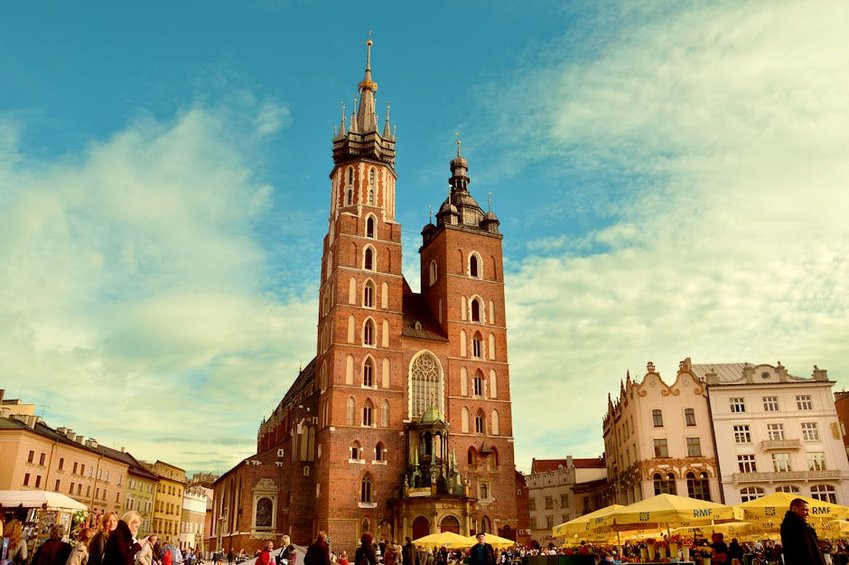
Alt: “krakow-main-square-easter-market-stalls-spring-decorations”
Poland Krakow Easter Markets – Planning Your Trip
A successful visit to the Poland Krakow Easter Markets hinges on timing and preparation. You should book flights and accommodations at least three to four months in advance, as this is a peak domestic and international travel period. Focus your stay in or near the Old Town (Stare Miasto) to be within easy walking distance of the market action and other historical sites.
Your budget should account for market souvenirs, daily food costs, and entry fees to nearby attractions. While the market itself is free to enter, the crafts and specialty foods are the main expenditure. Planning your days with a mix of market exploration and scheduled museum visits provides a balanced itinerary.
Best Time to Visit Krakow for the Easter Markets
Visit Krakow between late March and mid-April to experience the full Easter season. The ideal window is from Palm Sunday through Easter Monday. During this week, you will witness the most complete range of traditions, from palm weaving competitions on Palm Sunday to the playful water fights of Wet Monday. Temperatures range from 40°F to 55°F (4°C to 13°C), requiring layered clothing.
Shoulder season visits just before Holy Week offer smaller crowds and better hotel rates, but the market atmosphere is less intense. The week immediately after Easter sees a rapid winding down of festivities, with many stalls closing by the Wednesday.
Budget Planning and Costs
Your daily budget varies significantly based on accommodation style and dining choices.
Essential Preparation Checklist
Pack for unpredictable spring weather with a waterproof jacket, comfortable walking shoes, and layers like sweaters and scarves. Bring a reusable shopping bag for market purchases and a power adapter for Type E plugs (230V). Ensure your phone has offline maps downloaded, as the square can have spotty cell service.
Check visa requirements; U.S. and EU passport holders do not need a visa for stays under 90 days. Purchase travel insurance that covers medical emergencies. Book popular restaurants for Easter Sunday lunch at least two weeks in advance, as this is a major family celebration day.
Top Attractions and Market Experiences
Beyond the market stalls, Krakow’s Easter season is filled with unique events and centuries-old observances. The city’s churches hold special concerts and masses, many of which are open to respectful visitors. The Easter processions, particularly on Good Friday, are solemn and moving spectacles that showcase deep local faith.
Combine your market visits with explorations of the city’s UNESCO-listed Old Town. The proximity of major sites like Wawel Royal Castle and the historic Jewish Quarter, Kazimierz, allows for a rich, multi-faceted trip. Allocate time to simply wander the cobblestone streets and absorb the festive atmosphere.
Must-See Market Highlights
Do not miss the “Pisanki” egg decorating demonstrations. Artisans use techniques like wax-resist (batik) to create intricate designs. These make for beautiful, fragile souvenirs costing $10-$30 USD. The woven palm stalls are another highlight, especially before Palm Sunday, with some creations reaching over six feet tall.
Seek out the regional cheese and meat stalls offering “oscypek” (smoked sheep cheese) and “kiełbasa” (sausage). For a sweet treat, find the “mazurek” cakes, a flat pastry decorated with dried fruit and nuts. Visit the flower stalls for spring blooms and decorative “palms” made from willow and dried flowers.
Hidden Gems and Local Favorites
For a quieter experience, visit the smaller Easter market in the Kazimierz district, focusing on contemporary crafts and artisan foods. Locals often prefer this for its relaxed vibe. Explore the Podgórze district across the river for neighborhood churches hosting their own small-scale craft fairs.
Attend an early morning Resurrection Mass (Rezurekcja) at St. Mary’s Basilica on Easter Sunday. It’s a profound musical and spiritual event starting around 6:00 AM. For a unique souvenir, visit the workshop of a “koronka” (lace) maker in the nearby village of Koniakow, easily reached on a half-day trip.
Family-Friendly Activities and Workshops
Families should head to the dedicated children’s corner in the Main Square. Here, workshops teach kids how to paint wooden eggs or make paper “wycinanki” (paper-cut decorations). These sessions are often free or have a minimal fee of $5-$8 USD.
Many local museums, like the Rynek Underground, host special Easter-themed tours and interactive exhibits. The Krakow Zoo also holds spring events. Booking these activities in advance is recommended, especially during the school holiday period.
Practical Travel and Accommodation Information
Krakow is well-connected and walkable, making navigation straightforward. John Paul II International Airport (KRK) is the main gateway, located 11 km west of the city center. The airport offers direct flights from major European hubs and convenient train or taxi transfers to the Old Town.
Accommodation ranges from historic hotels to modern apartments. Staying within the Planty Park ring that encircles the Old Town ensures you are within a 15-minute walk of the Main Market Square. Book early, as prices increase significantly as Easter approaches.
| Accommodation Type | Best Areas & Features | Price Range/Night (USD) |
|---|---|---|
| Hostel & Budget Guesthouse | Kazimierz district; social atmosphere, shared kitchens, basic amenities | $20 – $50 |
| Mid-Range Hotel/Apartment | Old Town (Stare Miasto); private bath, breakfast included, central location | $80 – $180 |
| Boutique & Luxury Hotel | Near Main Market Square or Wawel Hill; concierge, spa, fine dining, historic building | $200 – $450+ |
| Vacation Rental (Apartment) | Podgórze or near the Vistula River; full kitchen, more space, local neighborhood feel | $70 – $160 |