Peru Cusco Semana Santa Processions
Semana Santa, or Holy Week, transforms Cusco into one of the most compelling religious and cultural spectacles in South America. This week-long commemoration blends deep-rooted Andean Catholic traditions with pre-Hispanic symbols, creating a uniquely Peruvian experience. Your visit to the Peru Cusco Semana Santa processions offers profound insight into local faith and vibrant community celebrations.
Essential Historical and Cultural Context
Understanding Semana Santa requires recognizing its colonial origins and indigenous adaptations. Spanish missionaries introduced these ceremonies in the 16th century to convert Inca populations to Catholicism. Locals integrated their own agricultural rituals and reverence for Pachamama (Mother Earth) into the Catholic observances.
This syncretism defines the event’s distinctive character today. The processions honor Catholic figures while subtly weaving in homage to Andean earth deities and mountain spirits. This fusion creates a powerful display of cultural identity you won’t find elsewhere in Latin America.
What is Semana Santa in Cusco?
The week commemorates the Passion of Christ through daily rituals, masses, and elaborate street parades.
- Palm Sunday (Domingo de Ramos) begins the week with a procession of the Señor de los Temblores (Lord of the Earthquakes), Cusco’s most venerated statue.
- Holy Thursday (Jueves Santo) features the visit to seven churches, reenacting Christ’s journey, and solemn evening vigils.
- Good Friday (Viernes Santo) is the emotional and visual climax with the main procession of El Señor del Santo Sepulcro (The Lord of the Holy Sepulchre).
- Budget Traveler ($45-70/day): Staying in a shared hostel dorm, eating at local markets and menú del día restaurants, and using public colectivos. This requires booking hostels like Kokopelli or Pariwana 6+ months ahead.
- Mid-Range Traveler ($90-150/day): A private room in a centrally located hotel like Hotel Rumi Punku or Casa San Blas, dining at nice cafes, and hiring a guide for key processions. This offers the best balance of comfort and cultural immersion.
- Luxury Traveler ($250+/day): A room at Belmond Palacio Nazarenas or Inkaterra La Casona, private guided tours with procession access, and fine dining. This tier provides seamless logistics and premium viewing areas.
- Official Cusco Tourism Portal
- Encyclopædia Britannica – Semana Santa
Key Symbols and Their Meanings
You will notice specific elements carrying deep significance during the celebrations. The most iconic is the Lord of the Earthquakes statue, a dark-skinned Cristo Negro credited with protecting the city in the 1650 tremor. Devotees adorn it with thousands of native ñucchu flowers, symbolizing Christ’s blood and connecting to pre-Columbian offerings.
Another central symbol is the Andean cross or Chakana, which appears in decorations. It represents the Southern Cross constellation and the three Andean worlds: Hanan Pacha (the upper world), Kay Pacha (this world), and Uku Pacha (the inner world). Recognizing these layers adds depth to what you witness.
The Role of Religious Brotherhoods
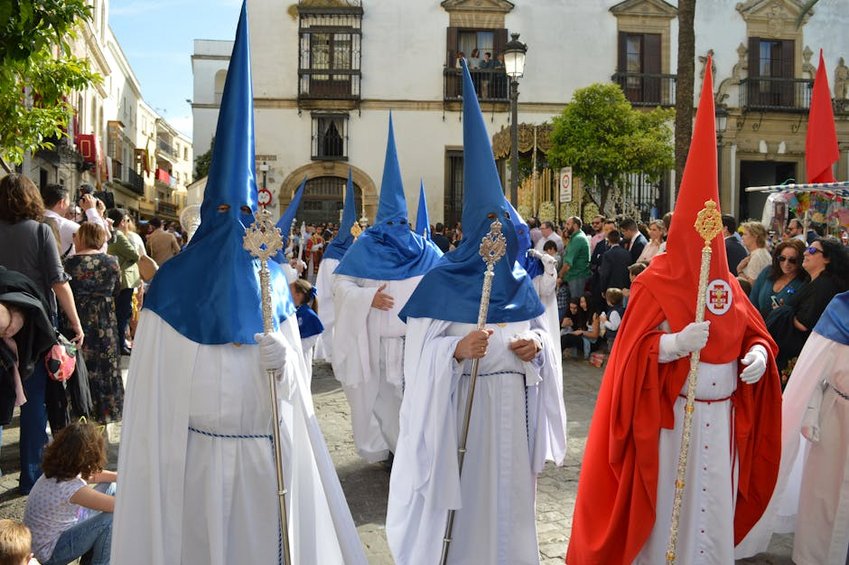
Local cofradías (brotherhoods) organize and fund the processions, a tradition dating back centuries. These groups, often comprised of families from specific neighborhoods or trades, are responsible for carrying the heavy anda (float) through the streets. Participation is a deep honor and a lifelong commitment passed through generations, reflecting the event’s community-centric nature.
Alt: “cusco-main-square-semana-santa-procession-crowd-floats”
Peru Cusco Semana Santa Processions – Planning Your Trip
Attending these events requires strategic planning due to Cusco’s altitude and the massive influx of domestic tourists. Book your flights and accommodation at least four to six months in advance for the Holy Week dates. The city fills to capacity, and prices for last-minute bookings can triple or become completely unavailable.
Your itinerary must account for acclimatization to Cusco’s 3,400-meter (11,150-foot) elevation. Arrive at least two full days before the main processions begin to adjust. Schedule light activities for your first 48 hours, stay hydrated with coca tea, and avoid heavy meals to minimize soroche (altitude sickness). This preparation is non-negotiable for enjoying the long hours of standing and walking involved.
Best Time to Visit for the Processions
The peak experience occurs during the official Holy Week, which follows the Catholic liturgical calendar, typically in late March or April. For 2025, main events are from Palm Sunday (April 13) through Easter Sunday (April 20). Daytime temperatures range from 15-20°C (59-68°F), while nights can drop to 5°C (41°F), requiring layered clothing.
Consider arriving the weekend before Palm Sunday to experience quieter preparatory events and secure a better sense of location. The most crowded and intense days are Holy Thursday and Good Friday. If you prefer slightly smaller crowds, focus on the earlier processions of Palm Sunday and Holy Wednesday.
Budget Planning and Costs
Costs vary significantly based on how early you book and your comfort preferences.
Essential Preparation Checklist
Packing correctly is crucial for the variable spring weather and long outdoor hours. Bring broken-in walking shoes, a waterproof jacket, a sun hat, high-SPF sunscreen, and a refillable water bottle. Dress in layers—mornings are cool, midday sun is intense, and evenings are cold. Modest dress is respectful; cover shoulders and knees when near churches or processions.
Secure comprehensive travel insurance that covers altitude-related issues. U.S. and EU passport holders don’t need a visa for tourist stays under 90 days. Have digital and physical copies of your passport, insurance documents, and hotel reservations. Download offline maps of Cusco’s historic center on Google Maps or Maps.me to navigate despite crowded streets.
Top Attractions and Ceremonial Events
Beyond the major parades, the city hosts numerous unique rituals throughout the week. Each day has a specific focus and emotional tone, shifting from jubilant celebration to deep mourning. The schedule is published by the Archbishopric of Cusco about a month before Easter, but key events remain consistent annually.
Locals recommend visiting the lesser-known neighborhood churches like San Blas or San Cristóbal for more intimate, authentic ceremonies. These smaller venues offer a closer view of the statues and a chance to observe family traditions without the overwhelming crowds of the Plaza de Armas.
Must-See Highlights and Processions
The procession of Señor de los Temblores on Palm Sunday afternoon is the week’s symbolic start. The black Christ statue travels from the Cathedral through the main square, showered in ñucchu flowers. Arrive by 2:00 PM to secure a vantage point near the Cathedral doors or along Calle Mantas.
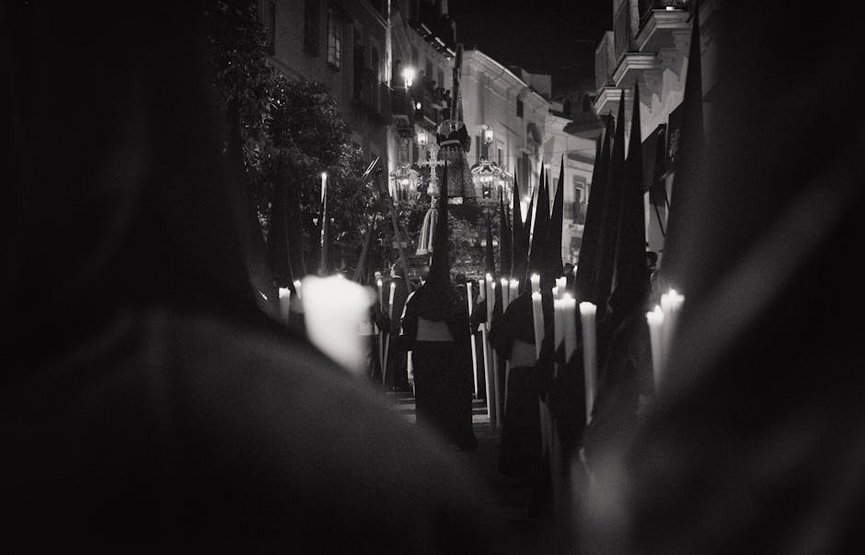
Good Friday’s main event, the Procesión del Señor del Santo Sepulcro, begins around 4:00 PM. The statue of the deceased Christ, lying in a glass coffin, is carried by hooded members of the Brotherhood of the Holy Sepulchre. The atmosphere is solemn and deeply moving, accompanied by mournful funeral marches from local bands.
Hidden Gems and Local Favorites
Seek out the Easter Sunday celebration known as Pascua de Resurrección, which is surprisingly less crowded. The morning mass at the Cathedral features a ritual where the resurrected Christ statue meets the Virgin Mary in the plaza, symbolizing joy. Afterwards, families share a feast, and you might be invited to try traditional desserts.
Visit the San Pedro Market on Holy Saturday morning to see the preparation of the “12 dishes” feast. Locals shop for ingredients for their family meal, which includes specialties like chiri uchu (a cold spicy plate) and fried fish. It’s a vibrant display of culinary tradition tied to the holiday.
Viewing Tips and Photography Etiquette
Scout locations along the procession route, like Calle Loreto or the steps of the Church of La Compañía, a day in advance. Claim your spot at least 90 minutes before the scheduled start time. Use a zoom lens for photography; never use flash or obstruct the path of the participants or devotees.
Remember this is a profound religious event, not a performance. Maintain a respectful silence during the most solemn moments, especially on Good Friday. Ask for permission before photographing individuals in deep prayer or elderly participants. Your discretion will be appreciated.
Practical Travel Information and Logistics
Navigating Cusco during its busiest week demands patience and smart strategies. The historic center becomes largely pedestrian-only, with many streets closed to vehicles for the processions. Plan your daily movements around the published procession timetables and route maps, which are posted online and at tourist information kiosks.
Accommodation within walking distance of the Plaza de Armas is priceless during this week. If you stay further out in neighborhoods like San Blas or around San Pedro Market, you’ll still have good access but face steep walks back uphill at the end of long days. Prioritize location over luxury for this particular trip.
| Accommodation Area | Key Features & Considerations | Price Range/Night (USD) |
|---|---|---|
| Plaza de Armas | Ultimate convenience, balcony views of processions, very noisy, books out first. | $120 – $400+ |
| San Blas | Quieter, artistic neighborhood, steep hills, 10-15 minute walk to main square. | $70 – $200 |
| Near San Pedro Market | Authentic local vibe, easy access to transport and food, can be crowded. | $40 – $120 |
| Avenida El Sol | Modern hotels, easier for taxis, 20+ minute walk to historic center. | $50 – $150 |