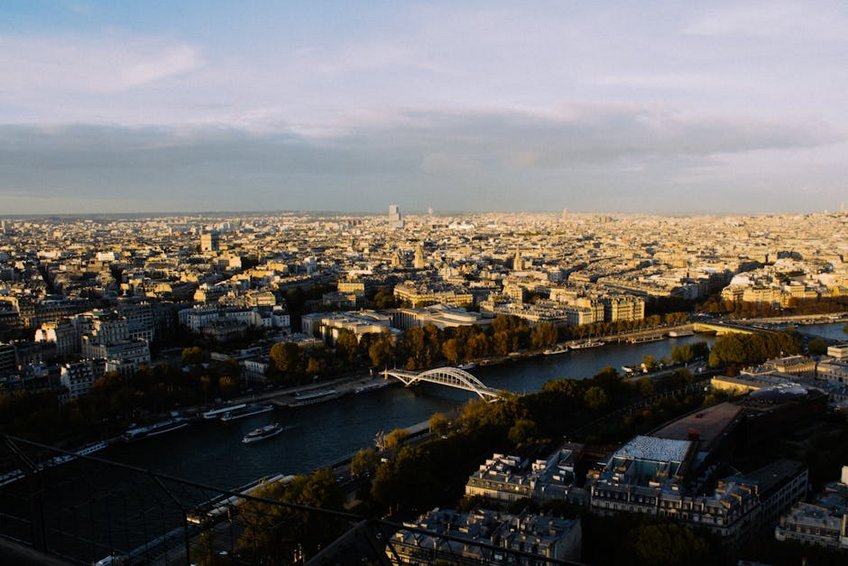
Paris Travel Guide: Navigate the City of Light Like a Local
This Paris travel guide serves as your essential roadmap to navigating the French capital’s iconic boulevards and hidden passageways. Moving beyond the Eiffel Tower selfie, we provide the practical insights and local knowledge you need to craft an itinerary that balances world-famous landmarks with authentic neighborhood charm. You’ll discover the best times to visit for pleasant weather, learn how to use the efficient Metro system, and find restaurants where Parisians actually dine.
Essential Paris Information
Paris, the capital of France, is divided into twenty administrative districts called arrondissements. These spiral out clockwise from the center, with the 1st arrondissement at the Louvre. Understanding this numbering system is your first key to navigating the city, as your location heavily influences your daily experience and commute times.
The city operates on Central European Time (CET) and uses the Euro (€). French is the official language, though English is widely spoken in tourist areas. Having a few basic French phrases like “Bonjour” (hello) and “Merci” (thank you) is appreciated and opens doors to warmer interactions with locals.
Paris has a rich history spanning over two millennia, from its founding as the Roman town Lutetia to its role as a center of Enlightenment thought. This layered past is visible everywhere, from Roman ruins in the Latin Quarter to the grand Haussmannian boulevards built in the 19th century.
Key Districts and Their Vibes
Each Parisian neighborhood offers a distinct personality. Choosing where to base yourself shapes your entire trip.
- Le Marais (3rd & 4th): A historic area with narrow streets, trendy boutiques, and excellent museums like the Musée Picasso. Its vibrant LGBTQ+ friendly scene and open shops on Sundays make it a perennial favorite.
- Saint-Germain-des-Prés (6th): Famous for its literary café culture at spots like Les Deux Magots. This district offers elegant shopping, prestigious art galleries, and a sophisticated, slightly more expensive atmosphere.
- The Latin Quarter (5th): The historic student district centered around the Sorbonne University. It’s bustling, affordable, and filled with bookshops, casual eateries, and the iconic Panthéon.
- Budget Traveler ($75-120/day): Stay in a hostel or budget hotel outside the center, use metro passes, enjoy picnics from bakeries and markets, and focus on free attractions like parks and church visits. Museum entry will be your main splurge.
- Mid-Range Traveler ($150-300/day): This allows for a comfortable hotel in a central arrondissement like the 5th or 6th, daily metro/bus transport, meals at casual bistros, and entry to several major museums. You can enjoy a nice dinner and some shopping.
- Luxury Traveler ($400+/day): Experience 4-5 star hotels in the 1st or 8th arrondissement, fine dining at Michelin-starred or renowned classic restaurants, private tours, and premium experiences like a Seine dinner cruise or front-row opera tickets.
- Paris Convention and Visitors Bureau
- RATP Paris Public Transport Network
Parisian Climate and Weather Patterns
Paris experiences four distinct seasons, each with its own appeal. Spring (April to June) brings mild temperatures between 50-68°F (10-20°C) and blooming gardens, though April can be rainy. This is arguably the most pleasant time for sightseeing and outdoor café sitting.
Summer (July to August) sees warmer weather from 60-77°F (15-25°C), but it can occasionally spike hotter. This is peak tourist season with long daylight hours, but also larger crowds and some restaurant closures in August. Autumn offers crisp air and beautiful fall foliage in the city’s parks.
Understanding Local Customs
A simple “Bonjour” when entering a shop or before asking a question is non-negotiable etiquette. Dining is a leisurely affair; you must ask for the check (“l’addition, s’il vous plaît”) as servers won’t rush you. Tipping is not obligatory as a service charge is included, but rounding up or leaving 5-10% for exceptional service is customary.
Alt: “paris-seine-river-eiffel-tower-sunset-view”
Paris Travel Guide – Planning Your Trip
A successful visit to the French capital requires more than just booking a flight. Smart planning revolves around timing, budgeting, and aligning your accommodations with your preferred pace and interests. This section breaks down the key logistical decisions you need to make before you arrive at Charles de Gaulle Airport.
Your budget will stretch furthest during the shoulder seasons of April-May and September-October. Flight and hotel prices dip slightly, and the weather is still favorable for walking. For a first-time visitor focusing on major museums and landmarks, five full days provides a comfortable overview without feeling rushed.
Consider purchasing a museum pass if you plan to visit multiple sites quickly. Also, book timed-entry tickets for the Eiffel Tower, Louvre, and Musée d’Orsay weeks, if not months, in advance to avoid wasting hours in line.
Best Time to Visit Paris
The ideal months for a Parisian visit are late April through early June and September through October. During these periods, average temperatures range from a comfortable 55-70°F (13-21°C). Crowds are manageable compared to the summer peak, and you’ll experience the city’s parks and outdoor cafes at their best.
July and August bring the largest crowds and highest prices, though the city is lively with summer festivals. Winter (November to March) is cold, 35-46°F (2-8°C), and gray, but it offers the lowest tourist numbers, festive Christmas markets, and a chance to experience Paris like a local.
Budget Planning and Costs
Daily costs in Paris vary dramatically based on your style. Here’s a realistic breakdown for a per-person budget, excluding flights.
Essential Preparation Checklist
Pack comfortable walking shoes above all else. Paris is best explored on foot. Bring versatile layers, including a light jacket or sweater even in summer, and a compact umbrella. For electronics, remember a Type E power adapter (two round pins) as France uses 230V voltage.
Ensure your passport is valid for at least three months beyond your planned departure from the Schengen Area. U.S. and EU passport holders do not need a visa for tourist stays under 90 days. Purchase comprehensive travel insurance that covers medical emergencies and trip cancellations. Book your top-priority attractions and popular restaurants 4-8 weeks ahead.
Top Attractions and Authentic Experiences
The city’s iconic landmarks deserve their fame, but the magic often lies in the moments between them. Balance your itinerary between must-see sites and unstructured time wandering through different neighborhoods, sampling pastries, and people-watching from a café terrace. Prioritize a few key museums based on your interests rather than trying to see them all.
Always check official websites for updated opening hours and closure days; many museums, like the Louvre, are closed on Tuesdays, while others close on Mondays. Consider taking a guided tour for at least one major site to gain deeper context and skip-the-line access, which is invaluable during busy periods.
Must-See Highlights
The Louvre requires a strategy. Enter via the Carrousel du Louvre shopping mall to avoid the main pyramid queue. Focus on a specific wing, like the Denon Wing for the Mona Lisa and Venus de Milo. Pre-booked tickets start at €17. The Eiffel Tower has three levels; book tickets for the summit (€26.80) online months in advance for sunset slots.
The Musée d’Orsay, housed in a stunning former railway station, holds the world’s premier collection of Impressionist art. Buy a timed-entry ticket (€16) to walk right in. For a breathtaking city view, head to the dome of the Basilica of the Sacré-Cœur in Montmartre, which is free to enter and offers a panoramic vista.
Hidden Gems and Local Favorites
Escape the crowds at the Musée de la Chasse et de la Nature, a quirky museum of hunting and nature in a Marais mansion. For a serene green space, visit the Promenade Plantée, an elevated park built on a former railway viaduct that inspired New York’s High Line.
Explore the covered passages of Paris, like Galerie Vivienne near the Palais Royal. These 19th-century shopping arcades feature mosaic floors, glass roofs, and charming boutiques. For a unique market, visit Marché d’Aligre in the 12th arrondissement, a noisy, lively mix of flea market and fresh food stalls far from the tourist track.
Neighborhood Exploration Guides
Dedicate half a day to Montmartre. Start at the Sacré-Cœur, then wander down the back streets behind the basilica to Place du Tertre and the iconic Maison Rose café. Find the last surviving vineyards in Paris, the Clos Montmartre. This area retains a village-like feel despite its popularity.
The Canal Saint-Martin in the 10th arrondissement is where Parisians congregate for picnics along the water. Browse independent boutiques, enjoy a coffee at a trendy café, and watch the historic canal locks operate. It’s a perfect afternoon away from the classic sightseeing circuit.
Practical Travel Information
Navigating Paris is straightforward thanks to its comprehensive public transport network. The Métro is often the fastest way to get around, with 16 lines covering the city. A carnet (pack of 10 tickets) costs about €16.90 and is more economical than single fares. For broader access, the Navigo Découverte weekly pass is excellent for longer stays.
Accommodation choices range from historic luxury palaces to charming boutique hotels and apartment rentals. Location is critical; staying within the first 10 arrondissements or close to a major Métro hub will save you significant transit time. Book well in advance, especially for travel during fashion weeks or in June.
| Accommodation Type | Best For & Features | Average Nightly Rate (USD) |
|---|---|---|
| Luxury Hotel | Iconic palaces near Champs-Élysées; concierge, spa, historic decor | $500 – $1,200+ |
| Boutique Hotel | Style-focused stays in Le Marais or Saint-Germain; unique design, personalized service | $250 – $500 |
| Mid-Range Hotel | Comfortable chains & independents in Latin Quarter; reliable amenities, good locations | $150 – $300 |
| Apartment Rental/Airbnb | Families or longer stays; kitchen facilities, more space, local neighborhood feel | $120 – $350 |