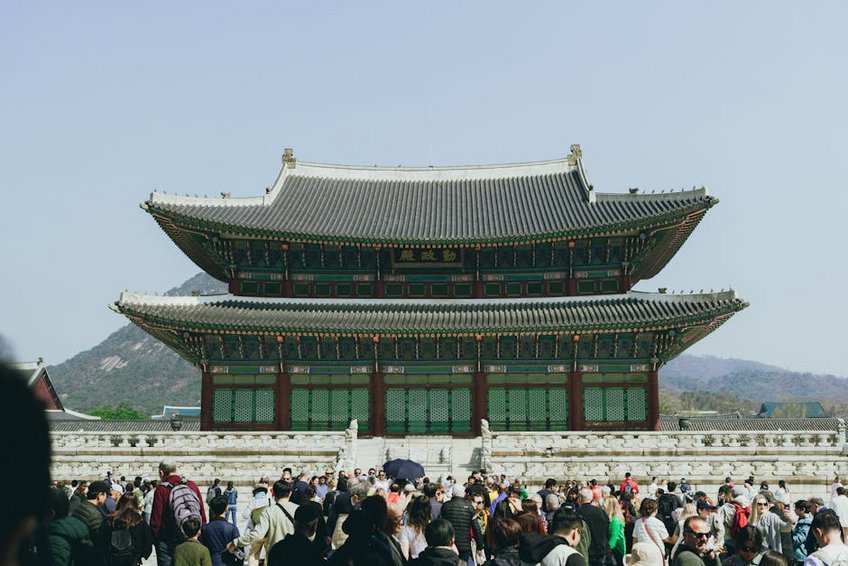
Palace Tour in Seoul: Experience 600 Years of Joseon Dynasty History
A Palace Tour in Seoul offers a direct journey into the heart of Korea’s 500-year Joseon Dynasty, where grand architecture and serene gardens tell stories of kings, scholars, and royal ceremonies. You will walk through massive gates, stand in courtyards where state affairs were decided, and explore secret gardens designed for royal leisure, all set against the dramatic backdrop of a modern metropolis. This guide provides detailed itineraries, ticketing tips, and cultural insights to help you navigate these UNESCO-listed sites and connect with Korea’s profound historical legacy.
Essential Historical and Cultural Context
The Five Grand Palaces of Seoul were constructed beginning in the late 14th century, serving as the administrative and residential heart of the Joseon kingdom for over five hundred years. Each complex has a unique character, from the primary palace of stately power to smaller, more intimate retreats used by different monarchs. Understanding this hierarchy and history transforms a simple walk among old buildings into a meaningful exploration of Confucian philosophy, architectural symbolism, and royal life.
The Five Grand Palaces – A Quick Overview
While similar in aesthetic, each Joseon palace complex served a distinct purpose in the capital’s layout.
- Gyeongbokgung: The main and largest palace, representing sovereign power. It houses the National Palace Museum and the iconic Gyeonghoeru Pavilion.
- Changdeokgung: A UNESCO World Heritage site prized for its beautiful Secret Garden (Huwon), which follows the natural topography in a “palace in harmony with nature.”
- Changgyeonggung: Originally a residential palace for queens and concubines, later known for its botanical garden. It connects to Changdeokgung.
- Deoksugung: Unique for its mix of traditional Korean and early 20th-century Western-style stone buildings, located in the bustling city center.
- Gyeonghuigung: A secondary palace used as an emergency residence for kings, now a smaller, quieter site near Seoul Museum of History.
- Budget-Conscious ($10-20): Buy the Integrated Palace Pass (approx. $15) for one-time entry to all four major palaces and the Secret Garden. Rent a Hanbok (traditional dress) for free entry to all palaces. Use public transit (subway, $1-2 per ride) and enjoy affordable street food nearby.
- Mid-Range Comfort ($40-70): Include the Secret Garden guided tour ($8-10). Hire a licensed palace tour guide for a 1-2 hour private history walk ($40-60). Enjoy a traditional Korean lunch or tea in a nearby restaurant like Tosokchon Samgyetang.
- Premium Experience ($100+): Book a specialized evening or photography tour of a palace after hours. Arrange a private car and driver for seamless transfers between sites. Conclude with a fine-dining Korean royal cuisine (surasang) meal, which can cost $70-100 per person.
- Korea Tourism Organization
- Cultural Heritage Administration of Korea
Key Architectural Elements to Recognize
Joseon palace architecture is steeped in symbolism and purpose. The tiered, curved roofs with intricate dancheong (colorful paintwork) were not merely decorative but denoted the building’s importance and protected the wood. Layouts strictly followed Confucian principles, with buildings for men (outer courts) separated from women’s quarters (inner halls), all arranged along a north-south axis.
Notice the stone markers lining pathways, which indicated official ranks for where courtiers stood. The names of gates and halls often reflect Confucian ideals or poetic phrases from classical Chinese texts. Spotting these details enriches your visit significantly.
Understanding the Joseon Dynasty Legacy
The dynasty’s legacy, founded by General Yi Seong-gye in 1392, is defined by its staunch adoption of Neo-Confucianism as a governing ideology. This philosophy emphasized hierarchy, scholarship, and ritual, principles clearly reflected in palace design and court life. The palaces witnessed immense political intrigue, scholarly advancements, and the tragic circumstances of Korea’s colonization in the early 20th century.
Many structures were destroyed during the Japanese invasions of the 1590s and again during the colonial period. What you see today is the result of meticulous, ongoing restoration work that began in the 1990s, a testament to modern Korea’s dedication to preserving its cultural identity.
Alt: “gyeongbokgung-palace-main-throne-hall-seoul-south-korea”
Palace Tour in Seoul – Planning Your Visit
Strategic planning is crucial for a rewarding Palace Tour in Seoul. The complexes are expansive, and visiting all five in one day leads to fatigue and diminished appreciation. We recommend prioritizing two or three palaces, pairing a major site like Gyeongbokgung with the Secret Garden tour at Changdeokgung. Purchase the Integrated Palace Pass for substantial savings if you plan to visit multiple sites over several days.
Always check the official palace websites for the most accurate opening times and any unexpected closures. Most palaces are closed on Mondays, but they rotate closures, so at least one major palace is always open. Weekday mornings offer the smallest crowds for a more peaceful exploration of these historic grounds.
Best Time to Visit Seoul’s Royal Palaces
The optimal seasons are spring (April to early June) and autumn (September to November). Temperatures range from a pleasant 50-75°F (10-24°C), and the natural scenery is stunning. Spring brings cherry blossoms and blooming gardens, while autumn offers fiery foliage that frames the wooden halls beautifully. These seasons provide ideal walking weather for exploring large outdoor complexes.
Summer (July-August) is hot and humid, with temperatures soaring to 86-95°F (30-35°C) and frequent rain, though early mornings are manageable. Winter (December-February) is cold, 15-35°F (-9 to 2°C), but offers stark, beautiful landscapes and fewer tourists, especially on clear, sunny days. The palaces occasionally look magical after a snowfall.
Budget Planning and Costs
Costs for exploring the royal sites can be managed efficiently with a few smart choices.
Essential Preparation Checklist
Wear comfortable walking shoes with good support, as you will be on your feet for hours walking on uneven stone paths and through large courtyards. Carry a refillable water bottle, sunscreen, and a hat for sun protection. A lightweight rain jacket or umbrella is wise during the summer rainy season. A power bank for your phone is essential for navigation and photography throughout the day.
Ensure you have your passport or ID if purchasing discounted tickets. Download offline maps or the Seoul subway app. Book the Changdeokgung Secret Garden tour online in advance, especially during peak seasons, as spots are limited and sell out quickly. Familiarize yourself with basic Korean phrases for polite greetings.
Top Attractions and Royal Experiences
Beyond admiring the architecture, Seoul’s palace complexes offer immersive cultural activities that bring history to life. The highlight for many is witnessing the solemn and colorful Royal Guard Changing Ceremony at Gyeongbokgung’s main gate. This detailed reenactment, based on historical records, occurs multiple times daily and is free to watch. It provides fantastic photo opportunities and a tangible sense of the past.
Another must-do is joining a guided tour of the Secret Garden (Huwon) at Changdeokgung. This 78-acre rear garden is a masterpiece of landscape design, with pavilions, ponds, and ancient trees arranged to create poetic views that change with every season. Access is only permitted with a guided tour, making it a exclusive and informative experience.
Must-See Palace Highlights
At Gyeongbokgung, focus on Geunjeongjeon, the main throne hall where kings were crowned and met foreign envoys. Don’t miss the picturesque Gyeonghoeru Pavilion, set on a lake, and the National Palace Museum located on the grounds. At Changdeokgung, the Donhwamun Gate is the oldest original palace gate in Seoul, and the Injeongjeon throne hall exemplifies elegant Joseon architecture.
Deoksugung’s uniqueness lies in its juxtaposition: the classical Daehanmun Gate faces City Hall’s modern glass facade, and the Seokjojeon Hall is a Western-style stone building. For a quieter experience, visit Gyeonghuigung, which offers a great view of the Seoul skyline from its restored Sungjeongjeon Hall and connects to the excellent Seoul Museum of History.
Hidden Gems and Local Favorites
Behind Changdeokgung lies the lesser-visited Unhyeongung Royal Residence, a smaller complex that was the childhood home of a later king. It’s more intimate and often has interesting exhibitions. Within the Secret Garden, look for the Aeryeonji Pond and the Buyongjeong Pavilion, considered some of the most serene spots.
Locals enjoy walking the stone-wall road (Deoksugung Doldam-gil) beside Deoksugung Palace, especially in autumn. For photography, the rear areas of Changgyeonggung, near the greenhouse and pond, are often less crowded and offer beautiful reflective shots of the palace buildings on the water.
Cultural Immersion Activities
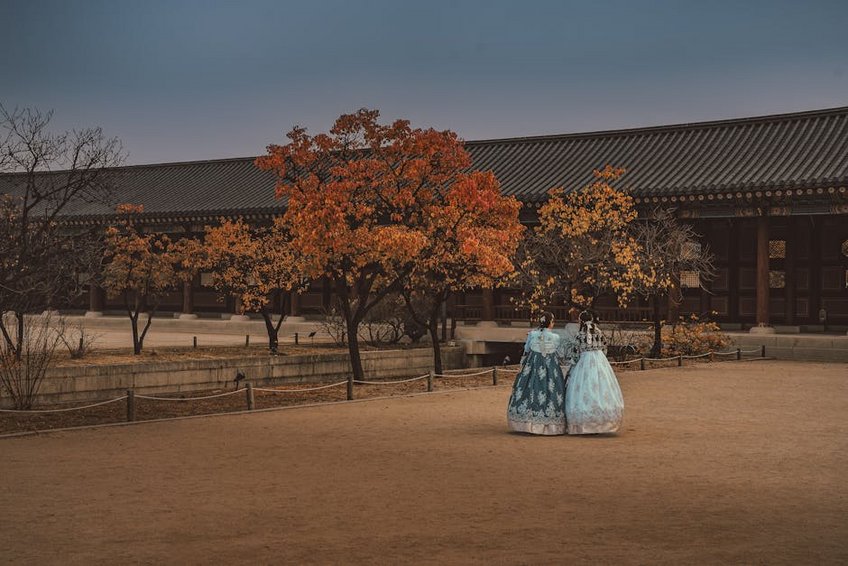
Renting a Hanbok is highly recommended. Wearing the traditional dress not only grants you free palace entry but also enhances the atmosphere of your visit and makes for unforgettable photos. Numerous rental shops surround Gyeongbokgung and Changdeokgung, offering a range of styles and accessories. Many palaces also host seasonal night opening events, where the buildings are softly lit, creating an entirely different, magical ambiance compared to daytime visits.
Practical Travel and Logistics Information
Navigating between the palaces is straightforward using Seoul’s efficient and English-friendly subway system. Gyeongbokgung and Gwanghwamun Square are served by Line 3 (Gyeongbokgung Station) and Line 5 (Gwanghwamun Station). Changdeokgung and Changgyeonggung are adjacent and accessed via Anguk Station (Line 3). Deoksugung is near City Hall Station (Lines 1 & 2).
For accommodations, staying in the Jongno-gu district places you within walking distance or a short subway ride from most palaces. This area is rich with traditional markets, restaurants, and other historical sites, making it the most convenient base for a history-focused trip to the Korean capital.
| Palace | Key Features & Highlights | Admission Fee (USD) |
|---|---|---|
| Gyeongbokgung | Main throne hall, Royal Guard Ceremony, National Palace Museum, largest grounds. | $3 |
| Changdeokgung & Secret Garden | UNESCO World Heritage site, Huwon (Secret Garden) guided tour required, most natural layout. | $3 (Palace) $8 (Garden Tour) |
| Changgyeonggung | Connected to Changdeokgung, large pond, botanical garden greenhouse. | $1 |
| Deoksugung | Mix of Korean & Western architecture, stone-wall road, in city center. | $1 |
| Gyeonghuigung | Smaller, quieter site, great city views, connected to Seoul Museum of History. | Free |