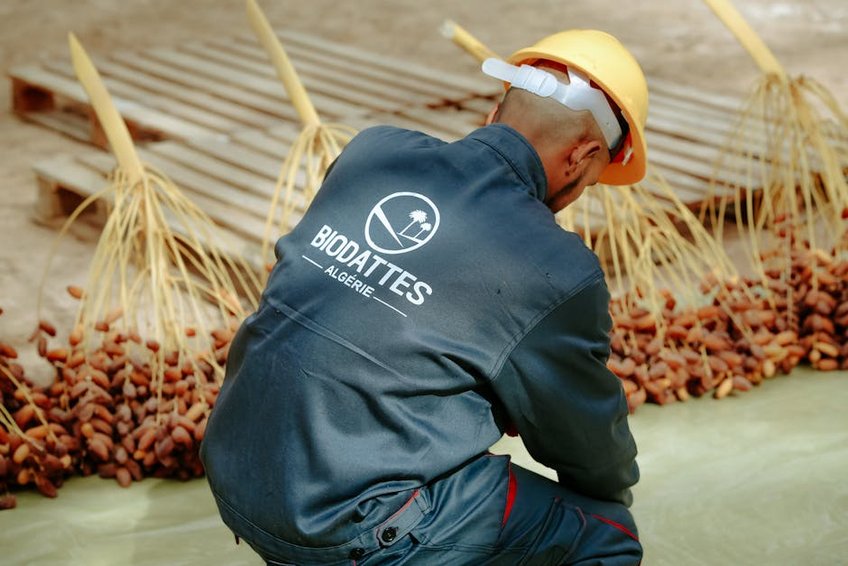
Oman Salalah Date Palm Harvest
The Oman Salalah date palm harvest is a centuries-old agricultural tradition that defines the rhythm of life in the Dhofar region. Occurring annually from June through September, this period transforms the coastal plains and mountain valleys into bustling centers of activity centered on the prized fruit. Your visit during this season offers a rare glimpse into Omani heritage, authentic farm-to-table experiences, and the sweet reward of tasting dates at their absolute peak of freshness directly from the source.
Essential Dhofar Date Culture
The date palm, known as the “tree of life” in Arabia, is deeply intertwined with Oman’s history and economy. In Salalah and the wider Dhofar region, the cultivation methods have been passed down through generations, with specific varieties thriving in the unique khareef-influenced climate. The harvest is not merely an agricultural event but a social and cultural milestone that brings communities together.
Dhofar’s harvest typically starts slightly later than in northern Oman due to its distinct monsoon season. The process involves careful timing, as dates are picked at various stages of ripeness—from crunchy *khalal* to soft, syrup-rich *tamr*. This intricate knowledge is a point of local pride and a fascinating aspect for visitors to learn about during their stay on the coastal farms.
The Significance of Dates in Omani Society
Dates are a cornerstone of Omani hospitality and cuisine. Understanding their role enhances your appreciation for the harvest.
- Symbol of Welcome: A bowl of dates and bitter Omani coffee (Qahwa) is traditionally offered to all guests, symbolizing generosity and friendship.
- Nutritional Staple: Historically vital for survival in the desert climate, dates provide essential energy, fiber, and nutrients, featuring prominently in both daily meals and festive occasions.
- Economic Heritage: Beyond local consumption, date cultivation has been a key trade commodity for centuries, with specific Salalah varieties commanding premium prices in regional markets.
- Budget Traveler ($60-100/day): Focus on self-guided exploration. Stay in guesthouses outside central Salalah, use local minibuses, and visit public markets like the Haffa Souk to see and buy dates. Join a group agricultural tour if available for around $30-40. Meals will be at local cafeterias.
- Mid-Range Explorer ($150-250/day): This offers the best experience. Book a private half-day harvest tour ($80-120) for in-depth access. Stay in a comfortable hotel in central Salalah with a rental car for flexibility. Enjoy meals at a mix of local and mid-range restaurants, and purchase premium date boxes as gifts.
- Luxury Cultural Immersion ($350+/day): Opt for a multi-day guided cultural tour that includes the harvest, frankincense trail, and private farm visits. Stay at a resort like the Juweira Boutique or Al Baleed Resort. Experiences include private dining with date-based gourmet meals and visits to premier plantations for first-pick selections.
- Oman Ministry of Heritage and Tourism
- FAO Stat – Crops and Livestock Products
Salalah’s Unique Agricultural Climate
Salalah’s environment is unlike anywhere else in the Arabian Peninsula. The annual khareef (monsoon) from late June to early September brings mist, drizzle, and a blanket of green to the mountains, creating a microclimate. This moisture, followed by intense summer heat, creates ideal conditions for the date palms to fruit. The contrast between the lush, foggy jebel and the sunny coastal plantations is a striking feature of the harvest landscape here.
Farmers utilize ancient falaj irrigation systems alongside modern techniques to manage water from the seasonal rains. This blend of old and new is characteristic of Salalah’s approach to agriculture. The humidity can affect the drying process, leading to unique curing methods specific to the Dhofar region that you might observe.
Stages of Date Ripeness
Not all dates are harvested at the same time. Recognising the stages, known locally as *kimri*, *khalal*, *rutab*, and *tamr*, is key to the harvest’s timing. The *khalal* stage, when dates are yellow or red and crisp, is often preferred for fresh eating. The prized *rutab* stage is partially ripe and very soft, while *tamr* is the fully sun-dried, shelf-stable date most commonly found in markets. Farms may harvest the same tree multiple times to gather fruit at different stages for various uses.
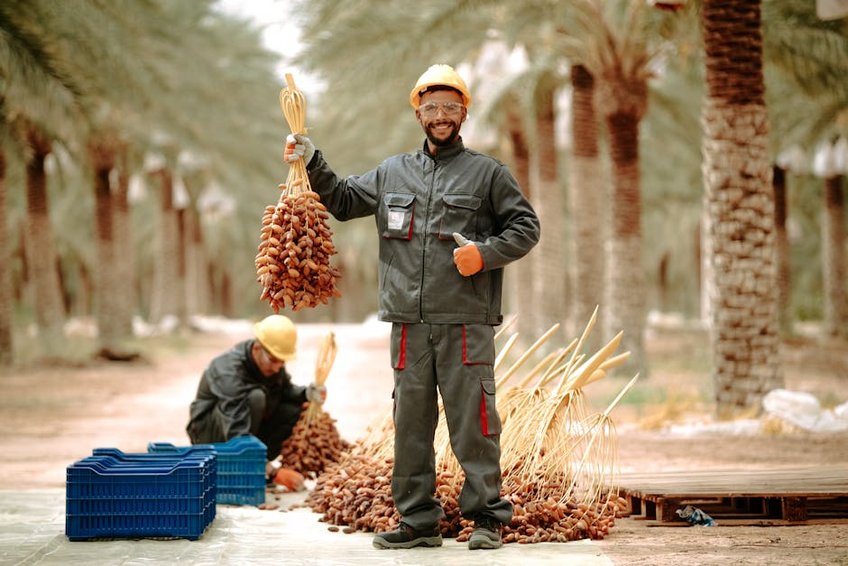
Alt: “salalah-oman-date-palm-plantation-harvest-season-mountains”
Oman Salalah Date Palm Harvest – Planning Your Trip
To experience the Oman Salalah date palm harvest, timing your visit is the most critical factor. The core harvesting activity occurs from mid-June through September, with the peak for fresh dates often in July and August. You will need to plan accommodation well in advance, as this period coincides with the popular khareef season, drawing many regional tourists. A respectful, observational approach is appreciated when visiting working farms.
Engaging with this agricultural tradition requires a focus on cultural sensitivity. Always seek permission before entering a plantation or taking close-up photographs of workers. Many larger farms and the Ministry of Heritage and Tourism organize official tours during this period, which are the best way to gain access and informed commentary. Your planning should balance this specific event with Salalah’s other attractions, like the frankincense souks and empty-quarter deserts.
Best Time to Visit for the Harvest
Visit Salalah between July 15 and August 31 for the most active harvest period and the highest chance of tasting fresh *rutab* (soft ripe) dates. Daytime temperatures range from 80-90°F (27-32°C), but humidity can be high. The khareef season ensures the landscapes are stunningly green, but it also brings occasional mist and drizzle to the mountains. Early September is a good shoulder period with continued harvest activity and slightly fewer crowds after the khareef festival concludes.
If your goal is primarily to see the harvest process rather than the monsoon greenery, late June is also viable. Book flights and hotels at least three months in advance for peak season travel. Remember that the harvest is weather-dependent, so daily activities on farms can vary.
Budget Planning and Costs
Your budget for this trip depends heavily on your choice of tours and accommodation style.
Essential Preparation Checklist
Pack for a combination of cultural site visits and potential farm fieldwork. Light, breathable long-sleeved cotton clothing is essential for sun protection and cultural respect—covering shoulders and knees is required. Sturdy, closed-toe shoes are a must for walking in orchards where the ground can be uneven. Bring a wide-brimmed hat, high-SPF sunscreen, and a reusable water bottle to stay hydrated in the heat.
Ensure your travel insurance covers general activities. While no special visa is needed for most Western passport holders for stays under 14 days, check the latest regulations. Download offline maps of the Salalah region. Learn a few basic Arabic phrases like “Shukran” (thank you) and “Tamr” (dates). Carry small bills of Omani Rials for purchases at roadside stalls.
Top Attractions and Harvest Experiences
Beyond the plantations themselves, Salalah offers a wealth of sites connected to its agrarian and trading history. The Land of Frankincense UNESCO sites, including Al Baleed and Sumhuram, provide context for the ancient trade routes that also carried Omani dates. Wadi Darbat, flowing strongly during the khareef, showcases the natural irrigation that supports agriculture, with picnicking areas often shaded by palm trees.
The heart of the experience lies in the East and West Salalah plains, where countless plantations are visible from the main roads. Here, you can often see tall ladders leaning against palms and trucks being loaded with fresh fruit. Combining these sights with visits to local souks where dates are sold creates a complete picture of the journey from tree to table.
Must-See Highlights
The Al Baleed Archaeological Park and Museum is essential for understanding the region’s trading history, with exhibits on date cultivation. Entry costs approximately 2 OMR ($5.20). Visit in the morning before the heat peaks. The Haffa Souk in old Salalah is the best place to see, smell, and taste dozens of date varieties in one bustling location. Practice your bargaining skills here for boxes of dates to take home.
For a direct harvest view, take a drive through the agricultural plains along Route 31. You’ll see harvest activity in action from the road. For a guided immersion, book a tour with a local operator like Salalah Tours, which often includes a visit to a family-owned farm where you can assist with simple sorting tasks and enjoy a fresh date tasting straight from the tree.
Hidden Gems and Local Favorites
Venture to Taqah, a coastal town near Salalah, to see its historic castle and the smaller, more authentic date market near the harbor. The prices here can be better than in the main tourist souk, and the atmosphere is purely local. In the mountain village of Wadi Darbat during the khareef, local vendors sometimes sell freshly harvested dates from temporary stalls alongside the road, offering an incredibly fresh product.
For a unique perspective, visit a date processing and packing facility. Some larger farms allow pre-arranged visits to see how dates are cleaned, sorted, graded, and packaged for export. This modern side of the ancient trade is fascinating. In Salalah’s newer markets, look for artisanal products like date syrup (dibs) and date-based sweets, which make excellent souvenirs.
Participating in Farm Activities
Many tour-organized farm visits allow for light participation. This may include helping to spread dates on drying mats, sorting harvested bunches by ripeness, or packing dried dates. Always follow the lead of your guide or the farm owner. This hands-on experience, however small, creates a deep connection to the tradition. Remember that this is a working agricultural operation, not a theme park attraction; patience and respect are paramount.
Practical Travel Information
Salalah International Airport (SLL) is well-connected with direct flights from major Gulf hubs like Muscat, Dubai, Doha, and Riyadh. Domestic flights from Muscat take about 1.5 hours and are the most efficient transfer. Upon arrival, renting a car is highly recommended for flexibility in exploring plantations spread across the plains. Driving is straightforward, with main roads in excellent condition and signage in both Arabic and English.
Accommodation ranges from khareef-season beach camps to international chain resorts. Booking months ahead is crucial for the June-September period. While Arabic is the official language, English is widely spoken in the tourism and retail sectors, making communication easy. The local currency is the Omani Rial (OMR), which is pegged at approximately 1 OMR = $2.60 USD.
| Accommodation Type | Best For & Features | Price Range (USD) Per Night |
|---|---|---|
| Khareef Tents & Camps | Budget seasonal experience near beaches, basic facilities, cultural atmosphere. | $40 – $80 |
| City Center Hotels | Convenience for souks and dining, business-style amenities, often include pools. | $80 – $180 |
| Resort Complexes | Families and luxury seekers, private beach access, multiple restaurants, spas. | $200 – $450+ |
| Service Apartments | Longer stays or groups, kitchenette facilities, more space, local neighborhood feel. | $70 – $150 |