Norway Svalbard Polar Daylight Return: Experiencing the First Sunrise
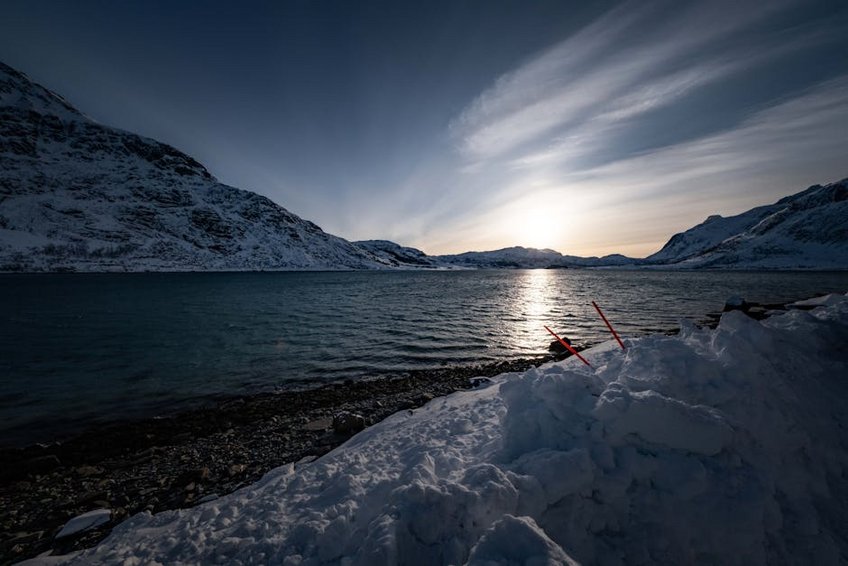
The Norway Svalbard polar daylight return marks the breathtaking moment the sun crests the horizon after four months of continuous winter darkness. This celestial event transforms the Arctic landscape, bathing the polar desert in a soft, golden light and signaling the start of a unique travel season. This guide provides the essential planning details, from the exact dates of the sun’s return to the cultural celebrations and practical tips for your Arctic adventure.
The Polar Night and the Sun’s Return Explained
The archipelago of Svalbard experiences an extreme seasonal cycle governed by its high latitude. The polar night, known locally as ‘mørketida’, envelops Longyearbyen from late October until mid-February in perpetual twilight and darkness. This period is characterized by a deep blue light during the day and frequent displays of the Northern Lights at night, creating an otherworldly atmosphere.
Conversely, the midnight sun shines from late April to late August, offering 24 hours of daylight. The transition between these extremes, especially the return of the sun, is a profound psychological and cultural event for the 2,500 residents. It represents renewal and the beginning of the accessible spring travel season for visitors seeking unique Arctic experiences without the deep cold of midwinter.
Understanding the Polar Night Period
The polar night’s intensity varies across Svalbard’s settlements. In Longyearbybyen, the last sunset occurs around October 26th, with the sun officially returning on March 8th. Further north in Ny-Ålesund, the darkness lasts even longer. During this time, temperatures can plummet to -20°C (-4°F), and all travel outside settlements requires preparation and local guidance.
The Significance of Solfestuka
The week surrounding the sun’s return is celebrated as ‘Solfestuka’, or Sun Festival Week. This community-driven event includes concerts, art exhibitions, and public gatherings centered around the first sunrise. Locals and visitors hike up to vantage points like Platåberget to witness the event together, sharing hot drinks and a collective sense of joy after the long winter.
Scientific Explanation of the Arctic Light
The phenomenon occurs because Earth’s axis is tilted relative to its orbit around the sun. At latitudes above the Arctic Circle, the sun remains below the horizon for a continuous period in winter. The sun’s return begins with just a few minutes of direct sunlight, which rapidly extends each day, gaining approximately 20 minutes of additional light daily throughout March and April.
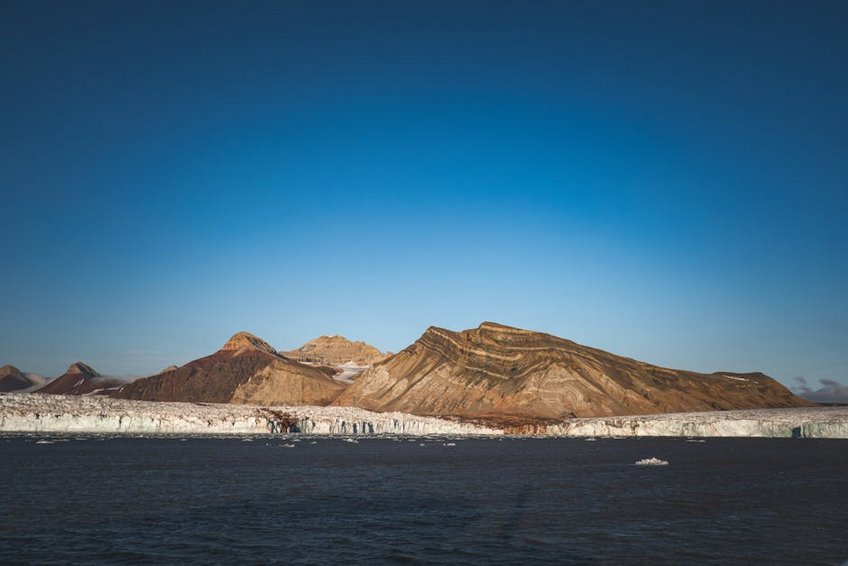
Alt: “longyearbyen-arctic-town-first-sunrise-mountains”
Norway Svalbard Polar Daylight Return – Planning Your Trip
Witnessing the Norway Svalbard polar daylight return requires precise timing and logistical planning due to the remote location and specific weather conditions. Your trip should focus on the window from late February through March, when the sun has returned but winter activities are still in full swing. This period offers a magical combination of increasing daylight, stable cold weather for dog sledding and snowmobiling, and continued chances to see the aurora.
You must book flights and accommodations at least four to six months in advance, as this is a popular time for both tourists and scientists. Direct flights to Longyearbyen (LYR) operate from Oslo (OSL) and Tromsø (TOS). Ensure your itinerary allows for flexibility, as Arctic weather can delay flights and tours, a standard part of the Svalbard adventure that operators are well-prepared to manage.
Best Time to Visit for the Sun’s Return
The official date for the sun’s return to Longyearbyen is March 8th, but the best visiting period stretches from March 1st to April 15th. Early March offers the excitement of the first direct sunlight and the Solfestuka celebrations, with average temperatures between -16°C and -8°C (3°F to 18°F). By mid-to-late April, daylight lasts over 14 hours, providing more time for exploration under a high, bright sun, with temperatures warming slightly to between -12°C and -5°C (10°F to 23°F).
Budget Planning and Costs
Traveling to Svalbard is a significant investment, with costs reflecting its remote Arctic location. A mid-range five-day trip focusing on the daylight return averages between $2,500 and $4,000 per person, excluding international flights to Norway.
- Budget travelers can manage costs around $1,800 by staying in hostel dorms, booking shared group tours, and preparing their own meals. Focus on free activities like hiking and visiting the Svalbard Museum. Book flights during weekday shoulders for potential savings.
- A mid-range budget of $3,000 covers a private room in a guesthouse, scheduled group activities like dog sledding and snowmobile tours, and meals at casual restaurants. This tier offers the best balance of comfort and authentic experience.
- Luxury expeditions start at $6,000, featuring stays at boutique lodges like Funken Lodge, private guided tours, fine dining, and exclusive experiences such as overnight stays in wilderness cabins or photography-focused guiding.
- Official Svalbard Tourism Board
- Office of the Governor of Svalbard
- Sunrise/Sunset Calendar for Longyearbyen
Essential Preparation Checklist
Packing for Svalbard in March requires specialized cold-weather gear. Essential items include a high-quality down jacket, insulated snow pants, thermal base layers (merino wool recommended), winter boots rated to at least -40°C/F, and accessories like mittens, a balaclava, and goggles. Rentals for heavy outerwear and snowmobile suits are widely available in Longyearbyen if you prefer not to travel with bulky luggage.
Documentation is critical. Ensure your passport is valid for the duration of your stay. While Svalbard is a visa-free zone, you must travel through Schengen Norway, so non-EU travelers must have appropriate Schengen visas. Purchase comprehensive travel insurance that explicitly covers emergency evacuation from the Arctic, search and rescue, and activities like snowmobiling. Book all tours and accommodation before arrival.
Top Attractions and Arctic Activities
Svalbard transforms into an adventure playground during the spring season following the sun’s return. The extended daylight hours unlock access to the frozen fjords, glaciers, and valleys that are challenging to navigate in the deep dark of winter. Guided expeditions become more frequent and diverse, ranging from multi-day snowmobile safaris to dog sledding trips under the increasingly bright sky. This is also prime time for photography, as the low-angle sun creates long shadows and a warm glow on the snow-covered landscape for most of the day.
The archipelago’s history as a mining and exploration hub is ever-present. You can visit abandoned Russian mining towns like Pyramiden on a guided snowmobile tour or explore the Global Seed Vault’s exterior. The combination of raw nature, human history, and unique wildlife like Svalbard reindeer and Arctic foxes creates an unparalleled travel destination that feels truly frontier-like, even in the modern era.
Must-See Highlights
No visit is complete without a trip to the Svalbard Global Seed Vault. While the interior is closed to the public, the iconic entrance portal set into the mountainside is a powerful symbol. Guided snowmobile tours to the east coast to see polar bears in their natural habitat are a premier experience, requiring an armed guide for safety. These full-day excursions can cost $300-$500 USD but offer an unmatched Arctic adventure.
Dog sledding across the Adventdalen valley provides a traditional and silent way to experience the vast snowy plains as the sun circles the sky. For history, the Svalbard Museum in Longyearbyen offers excellent context on polar exploration, mining, and wildlife. Finally, a hike up to the cross on Platåberget mountain rewards you with panoramic views of Longyearbyen and the surrounding frozen fjords, especially poignant at sunrise during the early return period.
Hidden Gems and Local Favorites
Venture to the isolated research settlement of Ny-Ålesund, the world’s northernmost permanent civilian community. Accessible via a long snowmobile tour or boat later in the season, it hosts scientists from around the globe and has a fascinating history as a launch point for polar expeditions. The northernmost historic locomotive, rusting quietly in the snow, makes for a poignant photo opportunity.
Locals often recommend a visit to Camp Barentz, located about 10 minutes from Longyearbyen. This rustic wilderness camp offers evening gatherings with stories about Svalbard’s history and wildlife, accompanied by a hearty stew. For a unique souvenir, visit the studio of a local artist who incorporates materials like driftwood and coal into their work, capturing the spirit of the Arctic light’s return.
Wildlife Encounters and Arctic Safaris
Spring is an active time for wildlife as animals prepare for the coming summer. The most sought-after sighting is the polar bear, which requires joining a guided snowmobile or boat tour with safety protocols. Svalbard reindeer, adapted to the harsh climate with shorter legs and thicker fur, are commonly seen around Longyearbyen. Arctic foxes begin their seasonal color change from white winter coats to brown or grey during this period, offering a chance to see both phases.
Birdlife also starts to return, with species like the charismatic puffin arriving later in April. Always remember that Svalbard’s ecosystem is fragile and protected. Maintain a safe distance from all wildlife, never feed animals, and follow your guide’s instructions to minimize your impact on this pristine environment.
Practical Travel Information for Svalbard
Reaching and navigating Svalbard requires understanding its unique logistical framework. Longyearbyen Airport (LYR) is the main gateway, with regular flights operated by SAS and Norwegian from Oslo and Tromsø. The flight from Tromsø takes about 1.5 hours and is your final connection before arriving in the High Arctic. There are no immigration controls upon arrival in Svalbard, but you will pass through Schengen exit controls when departing Norway for home.
Within Longyearbyen, the town is compact and walkable, but you’ll need organized transport for any activity outside the settlement. Taxis are available but expensive. Most visitors rely on tour operators for transportation, which is included in the activity price. Renting a car is not a practical option, and independent travel beyond the town limits without a suitable firearm and polar bear safety training is illegal for obvious safety reasons.
| Category | Options/Features | Price Range (USD) |
|---|---|---|
| Flights (OSL-LYR) | Round-trip economy, booked 3+ months in advance, one checked bag | $350 – $700 |
| Mid-Range Hotel (5 nights) | Private room with breakfast, central location (e.g., Radisson Blu) | $1,000 – $1,600 |
| Full-Day Snowmobile Tour | Guide, suit, helmet, lunch, visit to an ice cave or east coast | $280 – $450 |
| Evening Dogsledding Adventure | 2-3 hour tour, instruction, warm drinks and snacks | $150 – $220 |
| Daily Food Budget (Mid-range) | Lunch at cafe, dinner at restaurant, no alcohol | $80 – $120 |