North Macedonia Matka Canyon: Nature’s Hidden Gem
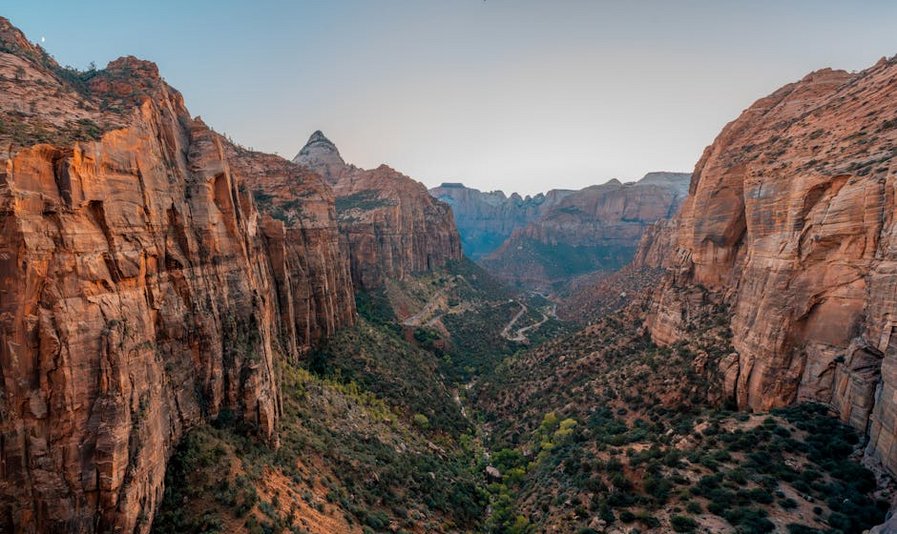
North Macedonia Matka Canyon delivers breathtaking natural beauty just 15 kilometers southwest of Skopje, combining dramatic limestone cliffs with emerald-green waters from the Treska River. This protected area spans over 5,000 hectares and features dozens of caves, medieval monasteries, and diverse flora and fauna accessible through hiking trails and boat tours. Our guide provides essential travel tips, activity recommendations, and cultural insights for planning your canyon adventure effectively.
Essential Canyon Information
Matka Canyon formed over millions of years through river erosion, creating a unique karst landscape with vertical cliffs rising up to 1,000 meters above the river. The canyon’s ecosystem supports rare species like the Macedonian lynx and over 1,000 plant types, some endemic to this Balkan region. Archaeological findings indicate human presence dating back to Neolithic times, with medieval monasteries built into cliff sides.
This natural attraction gained protected status in 1996, preserving its geological formations and biological diversity from development pressures. Local authorities maintain walking paths, safety railings, and visitor facilities while monitoring environmental impact from tourism. The canyon remains open year-round, though accessibility varies by season and weather conditions.
Geographical Features and Layout
Understanding the canyon’s physical characteristics helps visitors navigate its terrain safely and appreciate its scale.
- Central Canyon Area: Features the main river gorge stretching 5 kilometers long with cliffs averaging 400 meters high, containing Vrelo Cave – one of Europe’s deepest underwater caves at 192 meters depth.
- Eastern Section: Includes Matka Lake, a reservoir created by damming the Treska River, offering calmer waters for kayaking and fishing amid surrounding forested slopes.
- Western Reaches: Contain more remote hiking trails leading to medieval monasteries like St. Andrew’s, built into cliff faces during the 14th century under Serbian Empire rule.
- Budget Travel: $35-50 daily covers hostel dorm beds at $15-20, self-prepared meals using local markets at $8-12, public transportation from Skopje at $4 roundtrip, and free hiking trails with $5 cave entry fees.
- Mid-Range Experience: $55-75 daily includes private rooms at $35-45, restaurant meals at $15-25, rental car at $30, and guided boat tours at $20-30 providing better canyon access and historical context.
- Premium Option: $90-120 daily features boutique hotels at $60-80, fine dining at $30-40, private guides at $50-70, and specialty activities like climbing or photography workshops maximizing your canyon exploration.
- Official North Macedonia Tourism Portal
- Lonely Planet Macedonia Guide
Historical Significance and Timeline
Human interaction with Matka Canyon spans millennia, leaving cultural landmarks throughout the landscape. Neolithic artifacts discovered in area caves suggest early settlements valued the canyon’s protective cliffs and water sources. Medieval religious communities established hermitages and churches between the 9th-14th centuries, many featuring preserved frescoes.
Modern development began in 1938 with dam construction, creating Matka Lake for hydroelectric power while establishing the area as a recreation destination. Post-World War II infrastructure improvements added roads, while conservation efforts starting in the 1990s protected the canyon’s natural state. Today, it represents one of North Macedonia’s most visited natural attractions.
Conservation and Environmental Protection
Protected area status ensures ongoing preservation of Matka Canyon’s unique ecosystems and geological features. The canyon hosts several endemic species, including the Matka butterfly and Balkan chamois, which rely on specific microclimates within the gorge. Conservation programs monitor water quality, maintain trails, and limit development to minimize human impact.
Visitors contribute to preservation efforts through entry fees that fund maintenance and environmental education programs. Guided tours emphasize Leave No Trace principles, while designated swimming areas protect sensitive shoreline habitats. Climate change presents challenges with altered precipitation patterns affecting river levels and cave ecosystems.
Planning Your North Macedonia Matka Canyon Trip
Successful Matka Canyon visits require strategic timing between April and October when weather conditions permit full access to hiking trails and boat services. Summer months bring warmer temperatures ideal for water activities, though advance bookings secure better accommodation rates in Skopje. Shoulder seasons offer fewer crowds while maintaining good accessibility to major attractions.
Budget approximately $35-75 daily depending on accommodation style, meal choices, and activity selections, with hostels starting at $15 nightly and mid-range hotels around $45. Car rental from Skopje costs $25-40 daily, while organized tours range from $20-60 per person including transportation. Entry fees remain minimal at $2-5 for most canyon attractions.
Essential preparations include sturdy hiking shoes with grip soles, layered clothing for variable mountain weather, and waterproof bags for boat excursions. Download offline maps since cellular service weakens in deep canyon areas, and carry local currency (Macedonian denar) as many vendors don’t accept credit cards. Verify tour operator credentials and insurance coverage before booking adventure activities.
Best Time to Visit Matka Canyon
Peak season runs June-August with temperatures ranging 75-85°F (24-29°C) and maximum trail accessibility, though afternoon crowds necessitate early arrival. These months provide ideal conditions for swimming, kayaking, and cave exploration with longer daylight hours extending activity time. Book accommodations 2-3 months ahead during this high-demand period.
Shoulder months April-May and September-October offer pleasant conditions between 60-70°F (16-21°C) with fewer visitors and lower accommodation prices around 20-30% less than peak rates. Spring brings blooming wildflowers while autumn features colorful foliage, though some water activities become limited by cooler temperatures. Winter visits between November-March see temperatures dropping to 30-45°F (-1 to 7°C) with possible trail closures during snowfall.
Budget Planning and Costs
Daily expenses vary significantly based on travel style and activity preferences.
Essential Preparation Checklist
Proper gear ensures comfort and safety throughout your Matka Canyon adventure across various terrain and weather conditions. Pack hiking boots with ankle support for uneven trails, moisture-wicking layers for temperature shifts, and rain jackets for sudden mountain showers. Include swimwear for water activities, high-energy snacks, and at least 2 liters of water per person since facilities remain limited within the canyon.
Documentation needs include valid passport (EU/US citizens receive 90-day visa-free entry), travel insurance covering adventure activities, and printed reservations for pre-booked tours. Download navigation apps like Maps.me with offline Balkan region maps, and learn basic Macedonian phrases since English proficiency varies outside Skopje. Check weather forecasts regularly as conditions change rapidly in mountain environments.
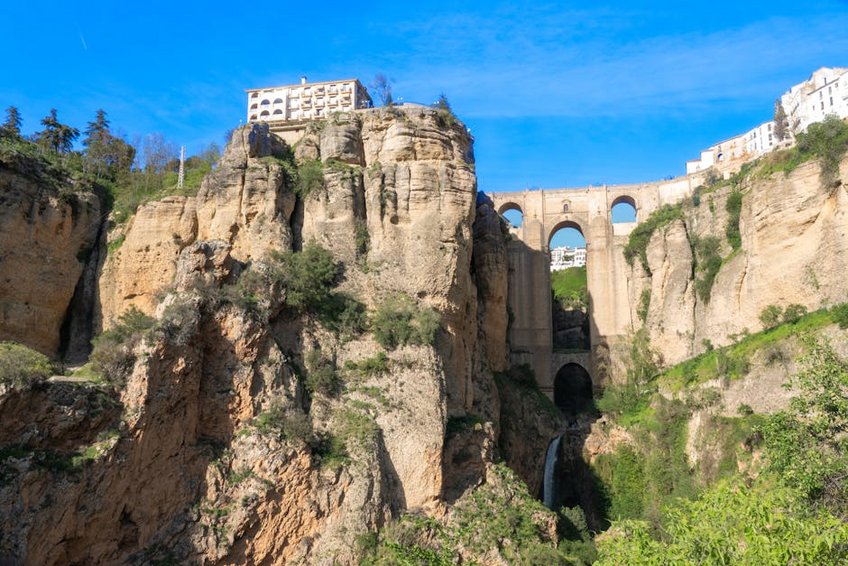
Alt: “matka-canyon-boating-adventure-emerald-waters”
Top Attractions and Activities
Matka Canyon’s diverse landscape supports numerous recreational opportunities from gentle walks to challenging climbs, all showcasing different aspects of this natural wonder. The canyon’s geological formations create ideal conditions for photography, with morning light highlighting cliff textures and afternoon sun illuminating cave interiors. Most activities center around the main canyon area near Matka Lake, where visitor facilities and transportation options concentrate.
Adventure seekers find excellent rock climbing routes rated 5.6 to 5.11 across limestone faces, while kayakers explore calm lake waters and narrower river sections. Cultural enthusiasts visit several medieval monasteries accessible by boat or hiking trails, featuring well-preserved frescoes and historical significance. Family-friendly options include shorter walking paths, picnic areas, and educational displays about local ecology.
Must-See Highlights
Vrelo Cave represents the canyon’s most famous attraction, accessible only by boat and featuring stunning stalactite formations and an underground lake. Guided tours operate daily between 9am-5pm from April-October, costing $8-12 per person including boat transportation from the main dock. The cave maintains a constant 54°F (12°C) temperature year-round, requiring light jackets even during summer visits.
St. Andrew’s Monastery dates to 1389, built into a cliff face overlooking the river and featuring exceptional Byzantine frescoes depicting biblical scenes. Reaching this site requires a 45-minute hike from the canyon entrance or a combination boat ride and short walk, with no admission fee but donations appreciated. Morning visits avoid tour groups and provide better lighting for photography of both the architecture and canyon views.
Matka Dam and Lake created in 1938 offer scenic viewpoints and water-based activities, with rental kayaks available for $10-15 hourly and fishing permits costing $5 daily. The lake’s emerald waters contrast dramatically with surrounding limestone cliffs, particularly during midday when sunlight penetrates to maximum depth. Several restaurants along the shoreline serve traditional Macedonian dishes with panoramic views.
Hidden Gems and Local Favorites
Less-visited hiking trails leading to the upper canyon ridges provide spectacular aerial views without the main area crowds. The path beginning near the canyon’s western entrance climbs steadily for 90 minutes to a viewpoint overlooking the entire gorge, particularly stunning during sunrise or sunset hours. Local guides occasionally lead small groups along this route for $25-40 per person, sharing knowledge about geological features and plant identification.
Traditional restaurants in nearby villages like Kuchkovo serve authentic Macedonian cuisine away from tourist centers, with meals costing $8-15 and featuring local specialties like tavche gravche (baked beans) and ajvar (roasted pepper spread). These establishments typically operate as family businesses, offering warmer hospitality and opportunity to practice basic Macedonian phrases. Local buses from Skopje reach these villages in 30-45 minutes for under $3 each way.
Adventure and Specialty Activities
Rock climbing enthusiasts find numerous established routes across the canyon’s limestone walls, with difficulty levels suitable for beginners through experts. Local outfitters provide equipment rental and guided climbs starting at $45 for half-day excursions, including safety instruction and route selection based on experience level. The most popular climbing areas concentrate near the canyon’s central section, offering both sunny and shaded options throughout the day.
Photography tours focus on capturing the canyon’s changing light conditions, with specialized guides leading small groups to optimal viewpoints during golden hour. These 3-4 hour sessions cost $50-75 including transportation from Skopje and technical advice for landscape photography. Winter photography opportunities include snow-dusted cliffs reflected in partially frozen waters, though access becomes more challenging during colder months.
Practical Travel Information
Transportation to Matka Canyon primarily routes through Skopje, with regular buses departing from the central bus station every 30-60 minutes between 7am-7pm. The journey takes approximately 45 minutes and costs $2-3 each way, with the final stop at Matka Canyon’s main entrance where walking trails begin. Taxis from Skopje provide more flexibility for $15-20 each way, particularly useful for early morning or late return trips.
Accommodation options range from Skopje hotels 30 minutes away to rare nearby guesthouses, with pricing varying significantly by season and booking timing. Budget hotels in Skopje’s center start at $25 nightly, while boutique properties near the Old Bazaar average $60-80 with better cultural access. Advance reservations secure the best rates, especially during summer festivals when occupancy rates exceed 80%.
| Category | Options/Features | Price Range (USD) |
|---|---|---|
| Accommodation | Skopje city hotels, canyon guesthouses, vacation rentals | $25-100 nightly |
| Transportation | Public buses, rental cars, taxis, organized tours | $2-40 daily |
| Activities | Boat tours, cave entries, climbing, kayaking | $5-75 per person |
| Food & Dining | Restaurants, markets, street food, picnic supplies | $8-35 daily |