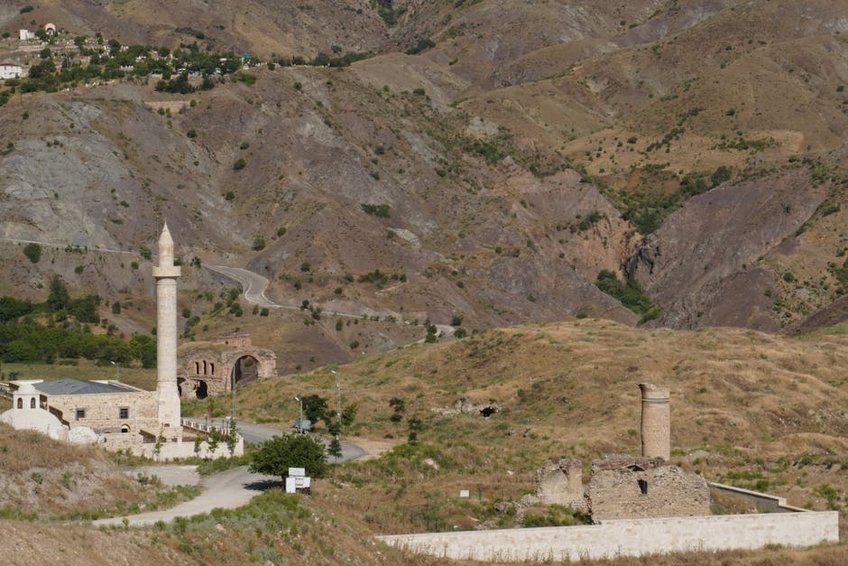
Mountain Villages in Eastern Anatolia: Authentic Turkish Highland Life
Exploring the mountain villages in Eastern Anatolia offers a profound journey into Turkey’s most rugged and culturally resilient heartland. This vast plateau, where the Euphrates River begins its winding path, is home to isolated communities that have preserved ancient traditions against a dramatic backdrop of volcanic peaks and sweeping steppes. Your adventure here connects you with Kurdish, Armenian, and Turkish heritage through stone-built hamlets, nomadic pastoral life, and landscapes that feel untouched by time, providing a travel experience far removed from the coastal resorts.
Discovering Eastern Anatolia’s Highland Realm
Eastern Anatolia is Turkey’s largest and highest region, an average of 2,000 meters above sea level, characterized by a harsh continental climate and immense geological formations. The area’s history is a complex tapestry, having been a cradle for the Urartian Kingdom, a crossroads on the Silk Road, and the homeland for diverse ethnic groups. Villages here are not scenic accessories but enduring settlements where life is intrinsically tied to the seasons, livestock, and the fertile valleys carved between formidable ranges like the Munzur and Ararat.
Traveling through these highlands reveals a different pace of life. The architecture is purely functional, with flat-roofed homes made from local basalt and tuff stone designed to withstand heavy snow. Community bonds are strong, with village life often revolving around the mosque, the tea house, and communal animal husbandry. This is a destination for cultural immersion and historical reflection, not for nightlife or luxury shopping.
Key Characteristics of the Region
Understanding the fundamental nature of this area sets the stage for a respectful and rewarding visit.
- High-Altitude Climate: Summers are short, warm, and dry (July averages 20°C/68°F), while winters are long, bitterly cold, and snowy, with temperatures frequently plunging below -20°C/-4°F, especially around Mount Ararat.
- Geographic Isolation: Many settlements are accessed via winding mountain roads, leading to strong preservation of local dialects, crafts, and semi-nomadic lifestyles like transhumance.
- Cultural Mosaic: The region is a living repository of Kurdish Alevi culture, Armenian historical heritage visible in abandoned churches, and Turkish traditions, creating a unique and layered identity.
- Budget Traveler ($40-60 USD/day): Costs cover dorm beds or basic guesthouses ($15-25), self-catering or simple local meals ($10-15), public dolmuş (minibus) transport between towns ($5-10), and entry fees to sites. This requires flexible timing and acceptance of very basic amenities.
- Mid-Range Traveler ($80-120 USD/day): This comfortable budget includes a private room in a village pension with breakfast ($40-60), restaurant meals and guided tours ($20-30), a compact rental car ($25-35), and museum entries. It offers the best balance of comfort and authentic experience.
- Luxury/Supported Travel ($200+ USD/day): Covers boutique heritage stays, private driver-guide services for multi-day itineraries, specialized cultural tours with academic experts, and fine dining in city hotels. This maximizes access, comfort, and deep cultural interpretation.
- Turkish Ministry of Culture and Tourism Portal
- Lonely Planet Eastern Anatolia Travel Guide
Historical Context and Significance
The story of these highland communities is etched into the landscape itself. The Urartians, who ruled from the 9th to 6th centuries BC, built impressive fortresses on rocky outcrops, ruins of which still watch over modern villages like Çavuştepe. Centuries later, the region became a vital part of the Silk Road network, with caravanserais providing refuge for merchants. The 20th century brought significant demographic changes, leaving behind a poignant history visible in abandoned Armenian villages and churches, which stand as silent monuments to the past.
This complex history requires sensitive exploration. Visitors are encouraged to learn about the context before arrival and engage with local guides who can share nuanced perspectives. The resilience of the people who call these mountains home is the defining narrative, one of adaptation and deep connection to a formidable land.
Defining the Travel Experience
A journey to these remote settlements is defined by authenticity and raw natural beauty. You will witness a way of life governed by agrarian cycles, share countless glasses of çay (tea) with hospitable locals, and traverse roads that offer breathtaking, unspoiled vistas. The rewards are immense for travelers seeking cultural depth, stunning photography opportunities of stark landscapes, and a genuine sense of discovery far from the tourist trail.
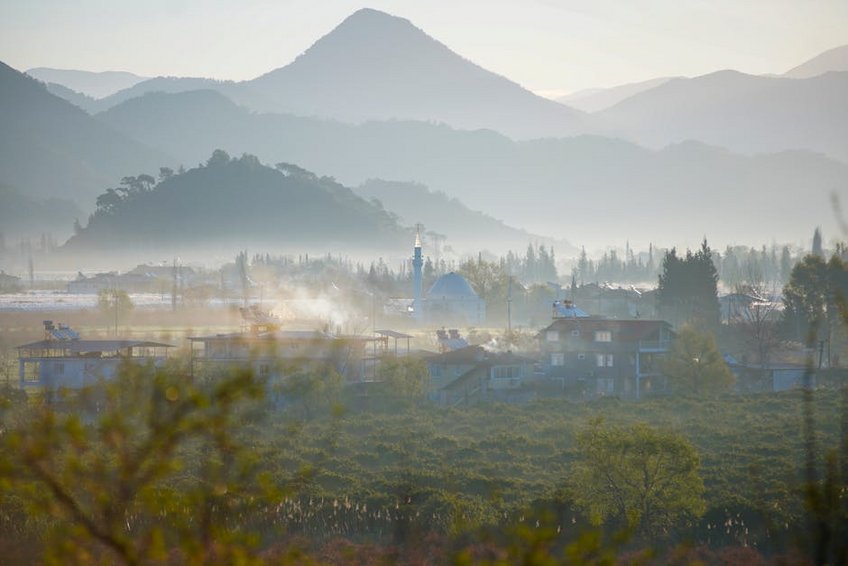
Alt: “eastern-anatolia-mountain-village-stone-houses-valley-view”
Mountain Villages in Eastern Anatolia – Planning Your Trip
Successfully visiting the mountain villages in Eastern Anatolia requires careful planning due to the region’s remoteness and seasonal extremes. Infrastructure is basic, and English is rarely spoken outside of main towns like Van or Erzurum, making advance preparation essential. Your itinerary should balance ambition with practicality, focusing on key accessible valleys while allowing for the slower pace of highland travel and potential weather disruptions.
Logistically, you will need a rental car for maximum flexibility, as public transport to specific villages is infrequent. A sturdy vehicle, preferably with four-wheel drive for spring and autumn travel, is recommended. Booking accommodations in advance is crucial, especially from June to September, as family-run pensions (butik otel) have limited rooms. Carrying cash (Turkish Lira) is mandatory, as credit cards are seldom accepted in rural areas.
Best Time to Visit Eastern Anatolian Villages
The ideal window for visiting these highland communities is between late June and mid-September. During these months, daytime temperatures are a pleasant 15-25°C (59-77°F), mountain passes are snow-free, and villages are bustling with activity as hay is harvested and animals graze in high pastures (yayla). This is the perfect time for hiking and cultural festivals. July and August are peak, but crowds are still minimal compared to western Turkey.
Shoulder seasons in late May/early June and September/early October offer cooler days (5-15°C / 41-59°F) and beautiful autumn colors, but be prepared for sudden cold snaps and occasional snow at higher elevations. Winter, from November to April, is only for the very well-prepared, offering extreme cold but a uniquely silent, snow-blanketed landscape, with many roads to higher villages impassable.
Budget Planning and Costs
Daily costs are lower than in Istanbul or Cappadocia, but logistical expenses add up.
Essential Preparation Checklist
Packing must account for variable mountain weather and cultural norms. Essential clothing includes layered options—a moisture-wicking base, insulating fleece, and a waterproof/windproof outer shell—sturdy hiking boots, a warm hat, and gloves even in summer. For women, packing a headscarf is respectful for visiting mosques or conservative rural homes. Modest dress covering shoulders and knees is expected in all villages.
Documentation requires a valid passport; many nationalities can get an e-Visa online before travel. Consider travel insurance that covers emergency evacuation. Book your rental car well in advance from airports in Erzurum (ERZ) or Van (VAN), ensuring it’s unlocked for Eastern Turkey. Download offline Google Maps for the region and a translation app, as English is minimal.
Top Villages and Cultural Sites to Explore
Each valley in Eastern Anatolia harbors distinct villages with unique character. From the lush, green highlands of the Kaçkar foothills to the arid, dramatic landscapes around Lake Van, exploring several areas provides a fuller picture. Focus on one or two bases, like the city of Van for southern villages or the town of Kars for northeastern explorations, to minimize exhausting drive times. The journey between villages is as meaningful as the destinations, with endless vistas of rolling steppes and volcanic cones.
Engaging with locals is the highlight. Hospitality (misafirperverlik) is a core value; an invitation for tea is almost certain. Learning a few Kurdish or Turkish phrases—like “Merhaba” (Hello), “Teşekkür ederim” (Thank you), and “Çok güzel” (Very beautiful)—goes an incredibly long way. Always ask permission before photographing people, especially women, and be prepared to show the photo on your screen—it often leads to smiles and connection.
Must-See Highland Villages
In the far northeast, the stone village of Öğdem in the Yusufeli district clings to a steep slope, offering breathtaking views of the Çoruh River gorge and a glimpse into traditional Georgian-influenced architecture. Further east, near Kars, the village of Ani is adjacent to the awe-inspiring ancient city of Ani, a former Armenian capital. Staying nearby allows for early morning visits to the haunting medieval ruins.
South of Lake Van, the village of Hoşap is dominated by a magnificent 17th-century Kurdish castle rising from the rocky plain. The village itself is a living community where you can see the castle’s reflection in quiet irrigation channels. In the Munzur Mountains, Ovacık serves as a gateway to pristine national parks and Alevi Kurdish communities, known for their distinct religious practices and warm hospitality.
Hidden Gems and Local Favorites
Venture to Uzundere near Tortum Lake to discover stunning waterfalls and less-visited highland pastures where families spend summer months in yaylas (mountain plateaus). Participating in or observing the seasonal migration is a unique cultural experience. The remote villages around Mount Süphan, Turkey’s third-highest peak, offer unparalleled solitude and views of Lake Van, with basic homestays available through local guiding outfits.
For a deeply spiritual experience, seek out the village of Haho (now called Bağbaşı) near Tortum. Tucked away in a valley is the stunning 10th-century Haho Cathedral (now a mosque), a masterpiece of Georgian ecclesiastical architecture that receives very few visitors. The surrounding hamlets maintain a timeless, peaceful atmosphere.
Connecting with Nomadic Traditions
A profound aspect of visiting these areas is witnessing the continued practice of transhumance. In late spring, you might encounter families migrating with their flocks of sheep and goats to highland pastures. In autumn, the process reverses. The sight of hundreds of animals moving along mountain trails, guided by shepherds on horseback, is unforgettable. Respectful observation from a distance is key; these are not tourist performances but crucial economic activities.
Practical Travel and Accommodation Guide
Navigating Eastern Anatolia requires an understanding of the limited but functional travel infrastructure. While cities are well-connected by air and long-distance bus, reaching the mountain villages in Eastern Anatolia almost always requires a final leg by road. Domestic flights from Istanbul or Ankara to Erzurum, Kars, Van, or Ağrı are the fastest way to reach the region. From these airport hubs, you’ll transition to road travel for the final, most scenic part of the journey.
Accommodation ranges from simple village guesthouses (pansiyon) to more comfortable boutique hotels in converted traditional homes in certain towns. The concept of a “hotel” in a remote village is rare; instead, families open a few rooms in their homes. Amenities are basic: expect shared bathrooms, firm beds, and incredible hospitality. Heating is typically a central wood or coal stove (soba), which is wonderfully cozy in the colder months.
| Accommodation Type | Features & Description | Average Price Range (USD/Night) |
|---|---|---|
| Village Homestay/Pansiyon | Basic private room in a family home, shared bathroom, includes homemade breakfast and dinner, authentic cultural immersion. | $25 – $40 |
| Town Boutique Hotel | Renovated historic stone house in towns like Kars or Mardin, private bathroom, heating, traditional decor, restaurant on site. | $60 – $100 |
| City Hotel (Erzurum, Van) | Modern 3-4 star hotels with reliable wifi, en-suite bathrooms, airport transfers, and tour booking desks. | $50 – $80 |
| Mountain Yayla House | Very basic seasonal shelter on high pastures, used by nomadic families; available sporadically for adventurous travelers through guides. | $15 – $30 (with meals) |