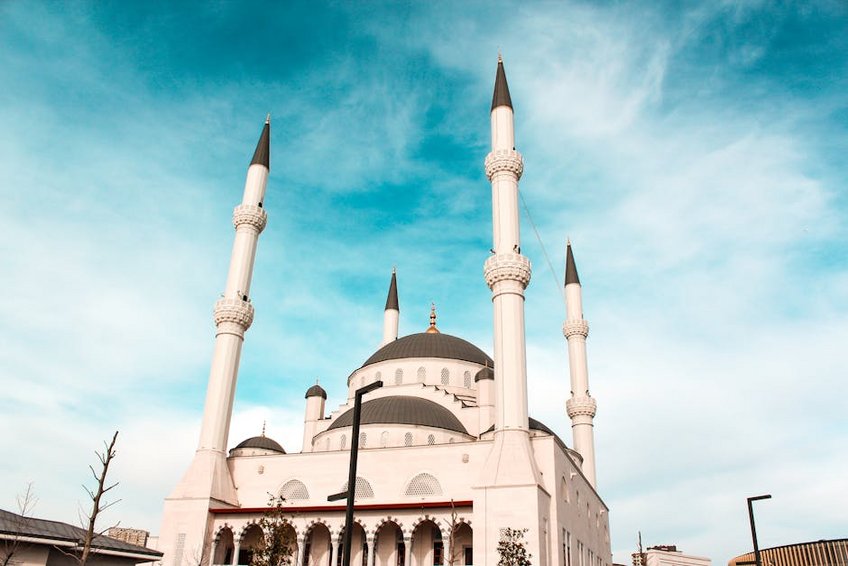
Mosque and Kulliye Tours in Turkey: Exploring Islamic Architecture
Mosque and külliye tours in Turkey offer a profound journey through centuries of Islamic art, history, and social life. You will explore majestic Ottoman mosques and their surrounding complexes, which historically functioned as self-contained communities with schools, hospitals, and markets. This guide provides practical advice for planning your visits, understanding architectural significance, and experiencing Turkey’s spiritual heritage respectfully and informatively.
Essential Historical and Cultural Context
Understanding the külliye concept transforms a simple mosque visit into a deep cultural exploration. These complexes represent the pinnacle of Ottoman urban planning and social welfare, built by sultans and viziers from the 14th century onward. The structures served not just for prayer but as centers for education, healthcare, and charity, embodying a holistic approach to community life.
Ottoman architecture evolved through distinct periods, from the early Bursa style to the classical genius of Mimar Sinan and the later Baroque influences. Each era introduced new design elements, dome engineering, and decorative techniques visible in the tilework, calligraphy, and stone masonry. Recognizing these styles enriches your appreciation during Islamic heritage site visits across Istanbul, Edirne, and Bursa.
Key Terminology for Visitors
Familiarizing yourself with basic terms enhances your tour experience significantly. This vocabulary helps you read signs, understand guides, and appreciate architectural details more fully during your Ottoman architecture exploration.
- Külliye: A complex of buildings centered around a mosque, including a medrese (school), imaret (soup kitchen), darüşşifa (hospital), hamam (bath), and sometimes a caravanserai.
- Sahn-ı Seman: The unique eight-courtyard design of the Fatih Mosque’s theological school, representing a major center of Islamic learning.
- Avlu: The large, colonnaded courtyard preceding the main prayer hall, often featuring an ablution fountain (şadırvan) at its center.
- Budget Self-Guided: $25-40 daily covers public transit, museum entry ($10-15), audio guide rental ($5), and simple meals. Use Istanbul’s tram system to access all major sites on the Historical Peninsula efficiently.
- Mid-Range Guided Tours: $70-120 per person includes half-day guided visits to 2-3 complexes, transportation between sites, and entry fees. This offers the best value through small-group tours with certified historians.
- Premium Private Experience: $200-350 daily provides custom itineraries, academic-level guides, exclusive access to restoration areas, and luxury transport. Ideal for photography-focused or deep cultural immersion trips.
- Republic of Turkey Ministry of Culture and Tourism
- World Monuments Fund – Süleymaniye Conservation
- Metropolitan Museum Art History Resources
Architectural Elements to Identify
Ottoman mosque design follows a coherent logic with specific functional and symbolic components. The central dome symbolizes the vault of heaven, supported by massive pillars and semi-domes to create vast, column-free interior spaces. This engineering achievement allowed for larger congregations and a sense of awe-inspiring openness during prayer services.
Exterior features include the iconic pencil-shaped minarets, which serve as visual landmarks and platforms for the call to prayer. Interior decoration showcases exquisite Iznik tilework with floral and geometric patterns, intricate calligraphy panels featuring verses from the Quran, and richly patterned carpets. Lighting filters through hundreds of stained-glass windows, creating a serene atmosphere for reflection.
Cultural Etiquette and Dress Code
Visiting active places of worship requires respectful attire and behavior, regardless of your personal faith. All visitors should dress modestly, covering shoulders and knees; women are required to cover their hair with a scarf available at most entrances. You must remove shoes before entering carpeted prayer areas, placing them in provided racks or carrying them in a bag.
Maintain quiet conversation and avoid walking in front of people engaged in prayer. Photography is generally permitted but always avoid using flash, and never photograph worshippers without explicit permission. Visit outside the five daily prayer times, especially the midday Friday prayer, when mosques are busiest with local congregations.
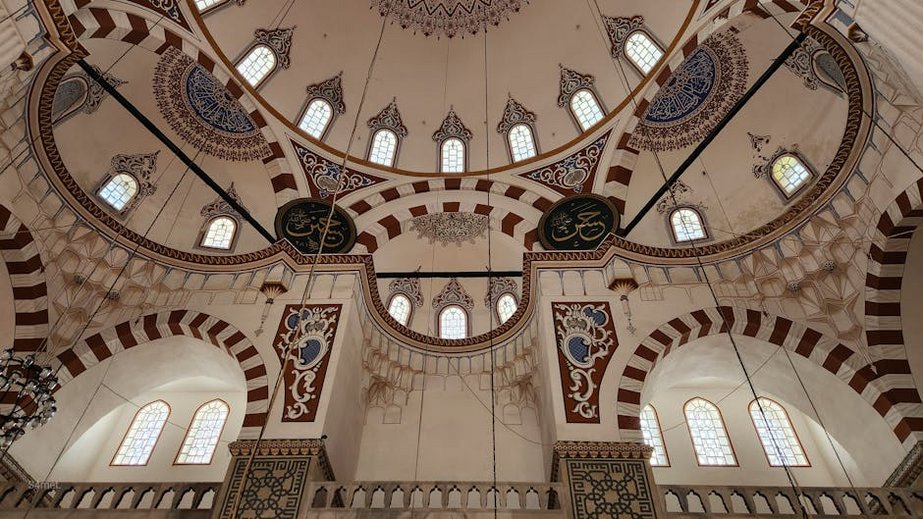
Alt: “sultanahmet-mosque-blue-interior-iznik-tiles-istanbul”
Mosque and Kulliye Tours in Turkey – Planning Your Itinerary
Crafting the perfect Islamic heritage tour requires balancing iconic sites with lesser-known gems across different cities. Most travelers focus on Istanbul’s historical peninsula, where you can visit multiple complexes within walking distance of each other. You should allocate at least three full days for Istanbul’s sites alone, plus additional time for day trips or travel to other regions like Edirne or Bursa.
Booking specialized guided tours provides historical context you might miss exploring independently. Look for licensed guides with expertise in art history or theology for deeper insights into architectural symbolism and Ottoman social history. Independent visitors should purchase museum passes for skip-the-line access at major sites and download audio guide apps for self-paced exploration.
Best Time to Visit for Mosque Tours
The optimal periods for mosque and külliye tours are the shoulder seasons of April-May and September-October. Daytime temperatures range from 60-75°F (15-24°C), ideal for walking between sites, and crowds are smaller than in peak summer. These months also avoid Ramadan, when opening hours change and the spiritual atmosphere, while profound, makes casual tourism more complex.
Summer visits (June-August) bring heat of 80-95°F (27-35°C) and dense crowds, requiring early morning visits to popular mosques. Winter (November-March) offers fewer tourists and dramatic atmosphere, with temperatures of 40-55°F (4-13°C), but prepare for rain and shorter daylight hours. Always check prayer schedules, as visiting hours for non-worshippers shorten during winter months.
Budget Planning and Tour Costs
Costs vary based on tour type, transportation, and guide expertise. Most major mosques have no entrance fee, but donations are appreciated, and specialized museums within külliyes charge admission.
Essential Preparation Checklist
Pack a lightweight scarf or shawl for women, and ensure all travelers have clothes covering shoulders and knees, with easy-to-remove shoes. Carry a plastic bag for your shoes when visiting mosques without adequate shoe storage facilities. Bring socks, as mosque floors can be cold, especially in marble courtyards during winter months.
Download offline maps showing mosque locations and prayer time schedules, plus a translation app for reading informational plaques. Secure travel insurance covering medical emergencies and trip interruptions. Book accommodations in Istanbul’s Sultanahmet or Beyazıt districts to minimize transit time to major Islamic heritage sites each morning.
Top Architectural Complexes to Explore
Turkey’s Ottoman legacy spans multiple cities, each offering distinct architectural evolution phases. Istanbul naturally concentrates the most famous sites, but venturing to earlier capitals reveals foundational styles. Prioritize complexes based on your interest in specific architectural periods, decorative arts, or historical significance within the empire’s development.
Classical period tours focus on Mimar Sinan’s masterpieces, which perfected the central dome structure and integrated complex functionality. Earlier Bursa-style visits showcase the transition from Seljuk to Ottoman forms with twin-domed prayer halls and T-plan layouts. Later Baroque and Ottoman Revival sites display European influences merged with traditional forms during the empire’s final centuries.
Must-See Highlights in Istanbul
The Sultanahmet (Blue) Mosque remains the iconic starting point, famous for its six minarets and 20,000+ Iznik blue tiles. Visit early morning to avoid crowds and witness the light streaming through its 260 stained-glass windows. Admission is free, but expect queues; the interior fully reveals the apex of classical Ottoman decoration.
The Süleymaniye Complex represents architect Sinan’s masterpiece and the largest külliye in Istanbul. Explore its mosque, four medreses, library, hospital, hamam, and imaret spread across terraced gardens with panoramic Golden Horn views. The serene atmosphere and scale illustrate Ottoman imperial power and social vision more completely than any single building.
Less crowded but equally magnificent, the Rüstem Pasha Mosque showcases the most exquisite Iznik tilework in the city, covering virtually every interior surface. Located near the Spice Bazaar, its small size creates an intimate, jewel-box experience. The tiles feature rare coral red pigments and elaborate floral designs that defined late 16th-century ceramic art.
Hidden Gems and Local Favorites
Venture beyond Sultanahmet to discover Şehzade Mosque, Mimar Sinan’s first imperial commission and a crucial experiment in dome support systems. Its complex includes a beautiful cemetery with ornate turbes (tombs) rarely visited by tour groups. The adjacent medrese now houses a pleasant café, perfect for contemplation after viewing.
In the Üsküdar district, the Mihrimah Sultan Complex offers stunning Bosphorus views and a brilliantly illuminated interior with 161 windows. Built for Suleiman the Magnificent’s daughter, its single-dome design creates a surprisingly bright, airy space different from imperial mosques. Combine with a visit to the nearby Maiden’s Tower for a full morning exploring the Asian side’s Islamic heritage.
Beyond Istanbul: Edirne and Bursa
Edirne’s Selimiye Mosque represents Sinan’s ultimate architectural achievement, with an enormous single dome supported by eight pillars and exquisite symmetry. Its külliye includes a renowned arasta (covered market) and museum housing Islamic calligraphy and ethnographic artifacts. The site is a UNESCO World Heritage monument worth the three-hour drive from Istanbul.
Bursa, the first Ottoman capital, features the Yeşil (Green) Mosque and Tomb, named for its stunning green and blue tile interior. The adjacent complex includes a medrese, hamam, and imaret showcasing early Ottoman Bursa-style architecture. This city offers the unique opportunity to trace architectural evolution from the 14th century foundational period.
Practical Travel Information and Logistics
Navigating Turkey’s major cities for Islamic heritage tours requires understanding efficient transit options and strategic accommodation choices. Istanbul’s historical sites cluster densely on the European side, accessible via tram, taxi, or walking. Regional travel to Edirne or Bursa involves intercity buses or domestic flights with different planning considerations for day trips versus overnight stays.
Accommodation selection dramatically impacts your touring efficiency. Staying in Sultanahmet places you within walking distance of five major complexes but comes with higher prices and tourist crowds. Alternative neighborhoods like Beyazıt or Fatih offer more local atmosphere and better value while remaining close to major sites via public transportation.
| Complex Name | Location & Era | Key Features | Visitor Tips |
|---|---|---|---|
| Sultanahmet (Blue) Mosque | Istanbul, 17th Century | Six minarets, 20k+ Iznik tiles, 260 windows | Visit at 8:30 AM, cover hair/shoulders, free entry |
| Süleymaniye Complex | Istanbul, 16th Century | Sinan masterpiece, terraced gardens, full külliye | Allow 2-3 hours, visit tombs, panoramic cafe |
| Selimiye Mosque | Edirne, 16th Century | Sinan’s pinnacle, single dome, UNESCO site | Day trip from Istanbul, visit arasta market |
| Yeşil Complex | Bursa, 15th Century | Early Ottoman style, green tiles, first capital | Combine with Ulu Mosque, try Iskender kebab |
| Rüstem Pasha Mosque | Istanbul, 16th Century | Finest Iznik tile interior, intimate scale | Above shops, quiet mornings, photography allowed |