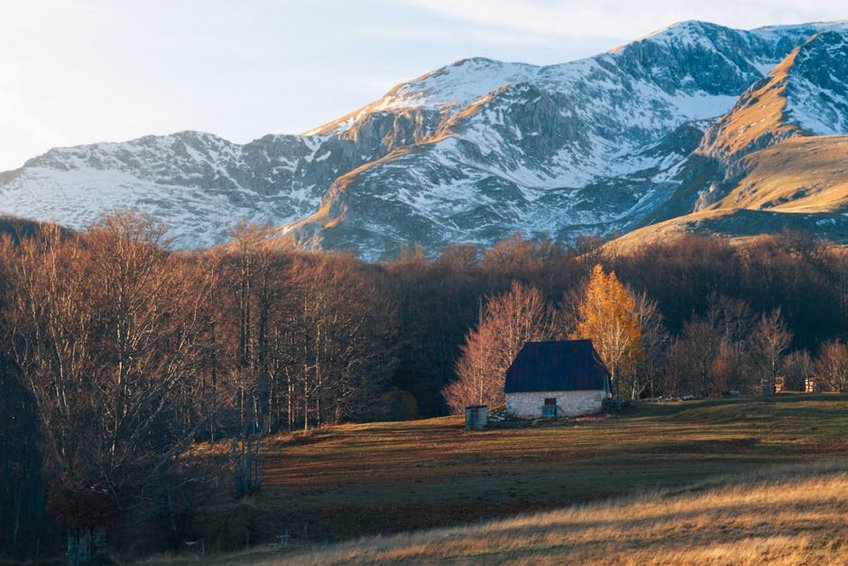
Montenegro Durmitor National Park: Your Guide to Mountain Adventures
Montenegro Durmitor National Park showcases dramatic alpine scenery with deep canyons, glacial lakes, and dense pine forests across 39,000 protected hectares. This UNESCO World Heritage site delivers exceptional hiking, whitewater rafting, and wildlife spotting opportunities through its varied elevations and ecosystems. Our guide details seasonal access, accommodation choices, and lesser-known trails for crafting your ideal Balkan outdoor experience.
Essential Park Information
Durmitor National Park encompasses the Durmitor massif, Tara River Canyon, and 18 glacial lakes within Montenegro’s northern region. Established in 1952, this protected area gained UNESCO status in 1980 for its exceptional geological formations and biodiversity. The park spans altitudes from 450 meters to over 2,500 meters at Bobotov Kuk peak.
This mountain ecosystem shelters brown bears, wolves, and over 130 bird species across black pine forests and alpine meadows. Local communities maintain traditional shepherd culture with summer settlements called katuns. Park authorities enforce conservation rules to protect fragile habitats from overtourism.
What Makes Durmitor Unique
Several distinctive features set this Balkan park apart from European mountain destinations.
- Europe’s deepest canyon, Tara River Gorge, plunges 1,300 meters with emerald waters perfect for rafting from April through October.
- Eighteen glacial lakes called “mountain eyes” reflect surrounding peaks, with Black Lake accessible via paved paths from Žabljak town.
- Ancient black pine forests contain 400-year-old trees alongside endemic plant species found nowhere else on the continent.
- Budget travelers spend $50-70 daily using hostels, self-catering, and independent hiking without guide fees. This covers park entry ($5), basic groceries, and public transportation between key sites.
- Mid-range visitors allocate $80-120 daily for guesthouse stays, restaurant meals, and selective guided activities like rafting ($40-60). This budget includes rental car expenses and equipment rentals.
- Luxury experiences cost $150-250 daily featuring boutique hotels, private guides, and multi-activity packages. This covers premium accommodation, gourmet dining, and specialized tours like via ferrata climbing.
- National Tourism Organization of Montenegro
- UNESCO World Heritage Centre
Historical and Cultural Context
Durmitor’s human history traces back to Illyrian tribes, with visible remains of medieval stećci tombstones dotting meadows. Ottoman influences arrived in the 15th century, followed by Austro-Hungarian rule that established forestry management systems. Traditional wooden architecture features in mountain villages where families maintain livestock herding practices.
Local cuisine reflects this pastoral heritage with smoked meats, kajmak dairy, and cicvara cornmeal dishes. Montenegrin hospitality shines in family-run guesthouses where owners share generations of mountain knowledge. The park’s name derives from Celtic and Romance languages meaning “sleeping giant”.
Park Regulations and Conservation
Visitor guidelines protect Durmitor’s delicate ecosystems while ensuring safe adventures. Park entry requires purchasing permits at official stations or through authorized accommodations. Camping remains restricted to designated areas with waste carry-out policies preventing environmental damage.
Open fires prove prohibited outside specified zones, with portable stoves recommended for backcountry cooking. Guided tours provide access to protected zones where independent hiking requires special permits. These measures help maintain the park’s ecological balance amid increasing visitor numbers.
Planning Your Montenegro Durmitor National Park Trip
Organizing your Montenegro Durmitor National Park adventure demands considering seasonal accessibility, activity preferences, and transportation logistics. Summer months deliver optimal hiking conditions, while winter transforms the landscape into a snow sports paradise. Budget between $50-150 daily depending on accommodation style and guided activity inclusions.
Base your itinerary in Žabljak town for convenient park access, though remote mountain lodges offer deeper immersion. Reserve accommodations three months ahead for July-August visits when European travelers flock to the mountains. Your Montenegro Durmitor National Park experience benefits from flexible planning regarding weather-dependent activities.
Best Time to Visit Durmitor National Park
June through September provides ideal hiking weather with temperatures ranging 65-75°F (18-24°C) and minimal rainfall. These months deliver reliable trail conditions, open mountain passes, and full rafting season on the Tara River. July and August bring peak crowds, requiring early booking for popular guided tours.
Shoulder seasons in May and October offer solitude with temperatures 50-60°F (10-15°C), though higher elevations may retain snow. Winter from December to March sees temperatures dropping to 14-23°F (-10 to -5°C) for skiing and snowshoeing adventures. Each season presents distinct advantages depending on your preferred activities.
Budget Planning and Costs
Daily expenses vary significantly based on travel style and activity choices.
Essential Preparation Checklist
Pack layered clothing for rapid weather changes, including waterproof jackets and insulated layers for altitude shifts. Sturdy hiking boots with ankle support prove essential for rocky trails, while microspikes assist with early season icy sections. Navigation tools include detailed maps, GPS devices, and offline maps since cell service proves unreliable.
Documentation requires valid passports for most nationalities, with EU and US citizens enjoying 90-day visa-free stays. Travel insurance must cover mountain rescue and medical evacuation from remote areas. Book popular guided activities like Tara River rafting at least two weeks in advance during high season.
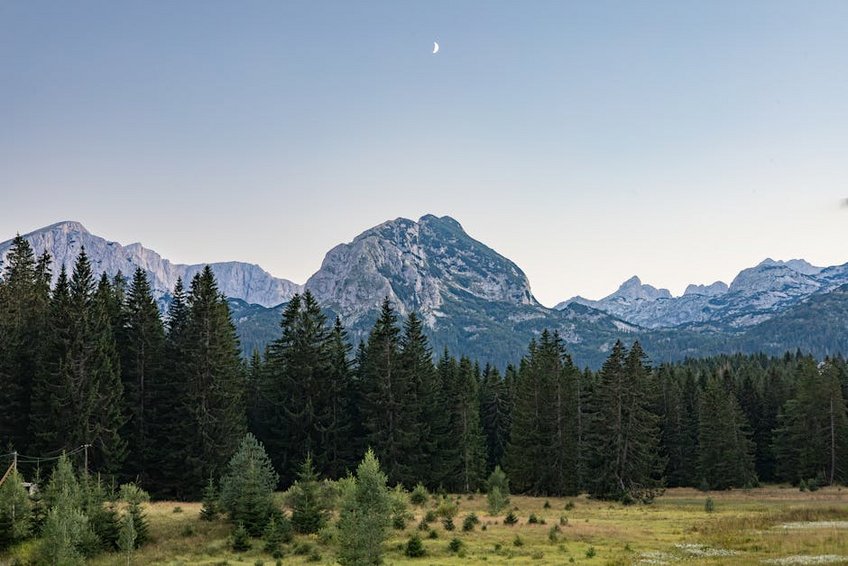
Alt: “durmitor-national-park-black-lake-reflection-mountains”
Top Attractions and Activities
Durmitor’s diverse landscapes support year-round adventure opportunities across its protected terrain. Summer highlights include epic day hikes to panoramic peaks and adrenaline-pumping whitewater experiences. Winter transforms the park into a snow-covered playground with cross-country skiing and ice climbing routes.
Wildlife enthusiasts spot chamois, golden eagles, and endemic butterflies along designated observation areas. Geological wonders include ice caves, dramatic canyons, and fascinating rock formations shaped by glacial activity. Each sector offers unique perspectives on this Balkan mountain ecosystem.
Must-See Natural Wonders
Black Lake (Crno Jezero) serves as the park’s iconic centerpiece, accessible via a gentle 3.5-kilometer loop trail from Žabljak. This twin lake system reflects surrounding peaks perfectly during morning hours before afternoon breezes disturb the surface. Visit before 10 AM for photography without crowds, paying the $5 entry fee at the trailhead.
Tara River Canyon stretches 82 kilometers as Europe’s deepest gorge, with viewpoints like Đurđevića Tara Bridge offering breathtaking perspectives. Rafting trips navigate Class II-IV rapids through limestone cliffs reaching 1,300 meters high. Bobotov Kuk peak challenges experienced hikers with a 6-8 hour return journey to Montenegro’s highest point at 2,523 meters.
Hidden Gems and Local Favorites
Skrka Lakes require a moderate 4-hour hike to discover these secluded glacial basins surrounded by ancient pine forests. Local guides lead small groups to these less-visited wonders, sharing knowledge about endemic flora and traditional land use. The trail begins near Šobaj village, with arrangements made through Žabljak tour operators.
Traditional katun settlements offer cultural immersion where shepherds maintain summer grazing traditions. Families welcome visitors for cheese tasting and storytelling about mountain life in these seasonal hamlets. Access requires 4WD vehicles or guided hiking to reach these authentic experiences beyond main tourist routes.
Adventure Sports and Activities
Via ferrata routes installed on sheer rock faces provide thrilling ascents with professional guiding mandatory for these technical climbs. These iron pathway systems suit adventurers with basic fitness levels seeking dramatic vertical experiences. Equipment rental and instruction packages cost $60-80 per person for half-day excursions.
Winter sports include downhill skiing at Savin Kuk resort with 5 kilometers of groomed runs and modern lift systems. Backcountry skiing and snowshoeing adventures explore untouched powder fields with certified mountain guides. These cold-weather activities operate from December through March, dependent on snow conditions.
Practical Travel Information
Reaching Durmitor National Park involves flying into Podgorica or Tivat airports, then undertaking a 3-4 hour drive through mountainous terrain. Rental cars provide flexibility, though narrow roads require confident driving skills, especially during winter months. Bus connections from coastal cities offer affordable alternatives with several daily departures.
Accommodation ranges from basic mountain huts to luxury eco-lodges, with highest concentration in Žabljak town. Booking platforms like Booking.com list numerous options, though direct reservation with family-run guesthouses often yields better rates. Advance reservations prove essential from June through September.
| Accommodation Type | Features and Location | Price Range (USD) |
|---|---|---|
| Mountain Huts | Basic dormitory style, remote locations, self-catering | $15-30 per night |
| Guesthouses | Family-run, homemade meals, central Žabljak | $40-70 per night |
| Hotels | Ensuite bathrooms, restaurant, tour booking | $80-120 per night |
| Eco-Lodges | Sustainable design, spa, guided activities | $150-250 per night |