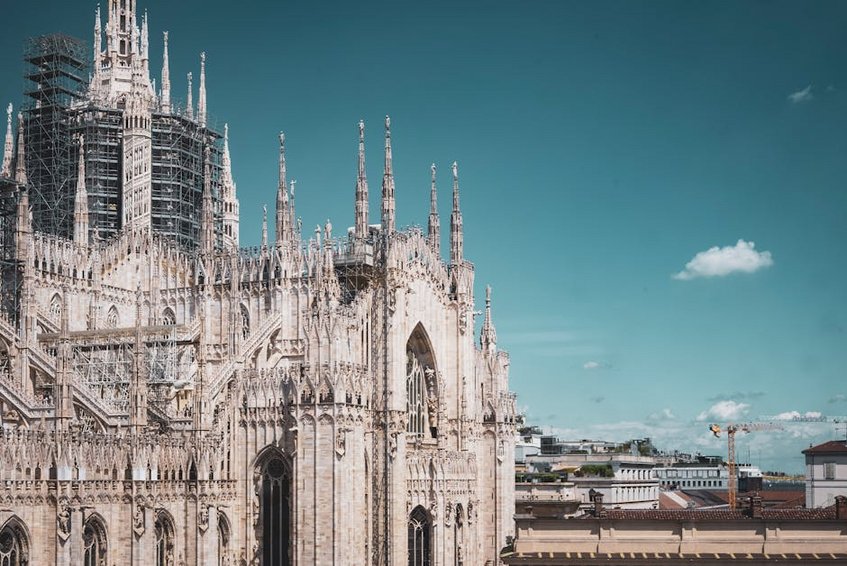
Milan Travel Guide: Navigating Italy’s Fashion Capital
This Milan travel guide provides the essential insights for exploring Italy’s global style hub. You will find practical advice on navigating the city’s diverse districts, from the historic Duomo to the contemporary Porta Nuova. The following sections cover seasonal timing, budget logistics, cultural highlights, and dining essentials for your visit.
Essential Milan Information
Milan serves as the capital of Italy’s Lombardy region and its economic engine. The city’s history spans over 2,600 years, evident in Roman ruins and Renaissance masterpieces. Its modern identity is firmly tied to global finance, design, and the fashion industry.
Italian is the official language, though English is widely spoken in tourist and business areas. The local currency is the Euro, and credit cards are accepted almost everywhere. Tipping is not mandatory but rounding up or leaving 5-10% for good service is appreciated.
The city operates on Central European Time (CET) and observes daylight saving. Public transportation is efficient, connecting you to major landmarks and surrounding towns. Always validate train and bus tickets to avoid fines.
What You Need to Know Before Visiting
Understanding a few local nuances will significantly enhance your Milan tourism experience. These tips help you blend in and navigate smoothly.
- Many shops and smaller restaurants close for a midday break, typically from 1 PM to 3:30 PM, so plan shopping and meals accordingly outside this riposo period.
- Purchase a MilanoCard or an ATM travel pass for unlimited access to trams, buses, and the Metro, which is the most efficient way to traverse the sprawling metropolis.
- Always dress smart-casual when entering churches like the Duomo; cover your shoulders and knees, a rule strictly enforced at major religious sites.
- Budget Traveler ($80-$120/day): Stay in a hostel dorm or budget hotel outside the center. Use public transport passes, enjoy aperitivo for dinner, and visit free museums. Focus on low-cost or free attractions like the Pinacoteca di Brera’s free hours.
- Mid-Range Traveler ($150-$250/day): Book a three-star hotel in areas like Città Studi or near a Metro station. Dine at traditional trattorias, take a guided tour of the Duomo, and see a performance at La Scala. Include a day trip to Lake Como.
- Luxury Traveler ($400+/day): Stay at a five-star hotel near Via Montenapoleone. Dine at Michelin-starred restaurants, hire a private guide for exclusive art tours, and shop in the Quadrilatero della Moda. Enjoy a private transfer to Lake Como for a villa tour.
- Official Milan Tourism Website
- ATM Milano Official Public Transport Site
Key Details on Districts and Neighborhoods
Milan is organized into distinct zones, each offering a unique atmosphere. The Centro Storico (Historic Center) contains the Duomo, Galleria Vittorio Emanuele II, and Teatro alla Scala. This area buzzes with tourist activity and high-end shopping but can be pricey.
Brera is a charming, bohemian district with cobblestone streets, art galleries, and trendy cafes. Navigli, famous for its canals, comes alive at night with bustling aperitivo bars and restaurants. For contemporary architecture and skyscrapers, visit the Porta Nuova business district.
Climate and What to Pack
Milan experiences a humid subtropical climate with distinct seasons. Summers (June-August) are hot and humid, with averages of 86°F (30°C). Winters (December-February) are cold and foggy, often dropping to 35°F (2°C).
Spring and autumn offer the most pleasant weather for exploring Italy’s fashion capital. Pack layers, comfortable walking shoes, and an umbrella regardless of the season. A lightweight scarf is useful for both style and covering shoulders at churches.
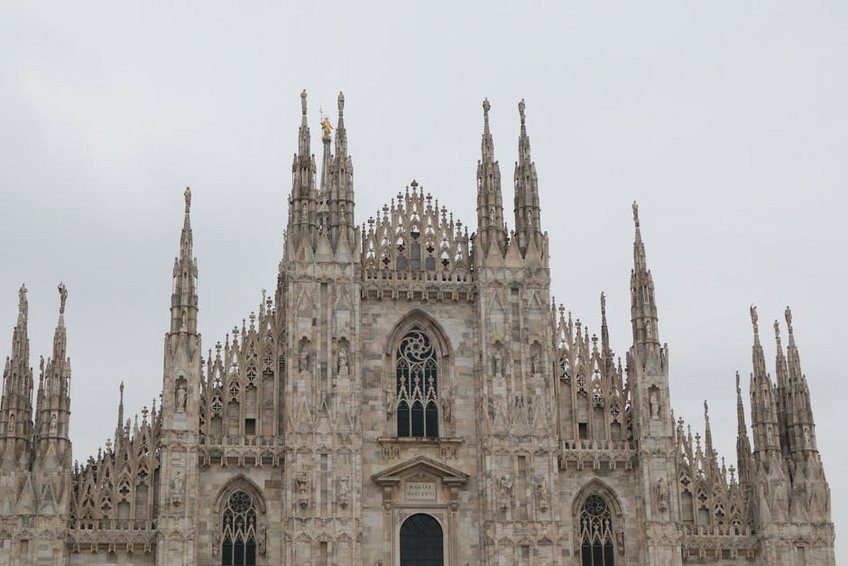
Alt: “milan-duomo-cathedral-piazza-architecture-sunset”
Milan Travel Guide – Planning Your Trip
Strategic planning maximizes your time in this dynamic city. Your Milan travel guide should account for major events like Fashion Week, which causes hotel prices to soar. Booking accommodations and key attraction tickets months in advance is crucial for peak seasons.
Allocate a minimum budget of $150-$250 per person per day for a comfortable mid-range experience. This covers a three-star hotel, meals, local transport, and entry fees. Budget travelers can manage on $80-$120 daily by staying in hostels and eating at trattorias.
Consider purchasing a City Pass or pre-booking timed tickets for the Last Supper and Duomo terraces. These steps prevent long queues and guarantee access to the city’s most sought-after attractions.
Best Time to Visit Milan
The ideal months for a visit are April-May and September-October. During these periods, temperatures range from a pleasant 60-75°F (15-24°C), and the tourist crowds are thinner. You’ll enjoy comfortable weather for walking and outdoor dining.
July and August can be overwhelmingly hot and humid, with many locals leaving the city. While winter offers Christmas markets and opera season, be prepared for cold, damp conditions and persistent fog. January hosts major fashion sales for savvy shoppers.
Budget Planning and Costs
Daily costs in Milan vary widely based on your travel style. This breakdown helps you estimate expenses for different comfort levels.
Essential Preparation Checklist
Secure your documents and key bookings well before departure. Ensure your passport is valid for at least three months beyond your planned exit from the Schengen Area. Purchase comprehensive travel insurance that covers medical emergencies and trip cancellations.
Book your Leonardo da Vinci’s “The Last Supper” viewing slot at least two to three months in advance. Reserve your Duomo terrace and cathedral access online to skip the ticket line. Download the ATM Milano app for real-time public transport maps and schedules.
Top Attractions and Iconic Sights
Milan’s landmarks tell a story of artistic mastery and architectural ambition. The Duomo di Milano, a stunning Gothic cathedral, took nearly six centuries to complete. Its rooftop terraces offer unparalleled views across the city’s skyline.
Adjacent to the Duomo, the Galleria Vittorio Emanuele II is a breathtaking 19th-century shopping arcade. It houses luxury boutiques and historic cafes under a magnificent glass and iron dome. This is the heart of the city’s social and commercial life.
Art enthusiasts must see Leonardo da Vinci’s “The Last Supper” at the Santa Maria delle Grazie convent. This Renaissance masterpiece requires a timed ticket for its 15-minute viewing. The experience provides profound historical and artistic context.
Must-See Highlights
The Duomo Cathedral is Milan’s centerpiece, featuring 3,400 statues and 135 spires. Purchasing a Duomo Pass allows access to the cathedral, archaeological area, and the terraces. Visit the terraces at opening time to avoid crowds and capture the best photos.
La Scala Opera House is one of the world’s most famous theaters. You can visit its museum or, better yet, secure tickets for a performance. Even a brief tour offers a glimpse into its opulent, gold-adorned interior and storied history.
Sforza Castle houses several civic museums with works by Michelangelo and da Vinci. The castle grounds and Parco Sempione behind it provide a green oasis. Entry to the castle courtyards is free, making it an excellent budget-friendly activity.
Hidden Gems and Local Favorites
Venture beyond the main squares to discover Milan’s authentic character. The Colonne di San Lorenzo are ancient Roman columns near the Navigli district, popular for evening gatherings. This spot offers a vibrant, local atmosphere away from tourist crowds.
The Biblioteca Ambrosiana holds a remarkable collection, including da Vinci’s “Codex Atlanticus” manuscript. It’s far less crowded than other museums. The affiliated Pinacoteca displays works by Caravaggio and Botticelli in a serene setting.
For a unique perspective, take the historic Tram Line 1 for a scenic loop around the city center. It passes by major sights and offers a charming, old-world way to sightsee. The trams themselves are beautiful, vintage vehicles.
Art and Museum Exploration
Milan’s art scene extends beyond the Renaissance. The Pinacoteca di Brera boasts one of Italy’s finest collections of Renaissance paintings. Highlights include works by Raphael, Mantegna, and Bellini in a former Jesuit college setting.
The Museo del Novecento focuses on 20th-century Italian art, with Futurism being a key theme. Its location next to the Duomo provides stunning views from its upper floors. The museum’s spiral ramp is an architectural attraction itself.
Practical Travel Information
Navigating Lombardy’s capital is straightforward with its integrated transit system. Milan has three international airports: Malpensa (MXP) for long-haul flights, Linate (LIN) for European routes, and Bergamo (BGY) for many budget carriers. Each has efficient train or bus links to the center.
Within the city, the Metro (subway) is the fastest way to travel, with four color-coded lines covering all major districts. Trams and buses fill in the gaps, especially in charming neighborhoods not served by the subway. Walking is the best way to explore the compact historic center.
| Accommodation Type | Best Areas & Features | Average Nightly Price (USD) |
|---|---|---|
| Budget Hostel/Hotel | Città Studi, Loreto; near Metro, basic amenities, shared facilities | $60 – $120 |
| Mid-Range Hotel | Brera, Porta Romana; private bathroom, breakfast included, good transit links | $150 – $300 |
| Luxury Hotel | Quadrilatero della Moda, near Duomo; 5-star service, spa, fine dining, concierge | $400 – $800+ |
| Apartment Rental | Navigli, Isola; full kitchen, local neighborhood feel, more space | $120 – $250 |