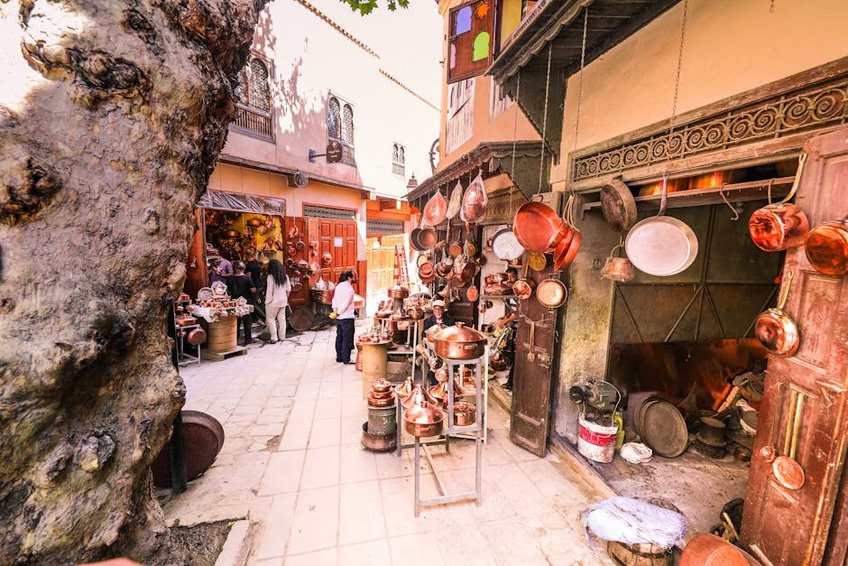
Market Tour in Marrakech: Your Guide to Navigating the Legendary Souks
Navigating the labyrinthine souks of Marrakech presents an unforgettable cultural immersion. A well-planned market tour in Marrakech unveils centuries of artisan traditions, vibrant sensory experiences, and the art of friendly negotiation. This guide provides the practical knowledge you need, from navigating key souks and mastering haggling to finding authentic treasures and savoring local street food.
Essential Information About the Marrakech Medina
The Medina of Marrakech, a UNESCO World Heritage site, is the historic heart of the city. Its bustling alleyways have served as a trading hub for over a thousand years. You will find a dizzying array of goods, from hand-woven carpets and intricate lanterns to fragrant spices and leatherware.
Understanding the Medina’s basic layout helps immensely. The main arteries often lead to large squares like Jemaa el-Fna, while smaller lanes branch off into specialized souks. Each district typically focuses on one craft, such as the dyers’ souk, the metalworkers’ souk, or the babouche (slipper) souk.
The Cultural Heartbeat of the Souks
These markets are more than shopping venues. They are social centers and living museums of Moroccan craftsmanship.
- Haggling, or “fixed price,” is an expected and respectful cultural ritual, not a confrontation. Start by offering about half the asking price and negotiate with a smile.
- Many artisans work in small stalls using techniques passed down through generations. Observing a master craftsman at work is a highlight of any souk exploration.
- Accepting mint tea, or “atai,” from a shopkeeper is a traditional gesture of hospitality. It is polite to accept, even if you do not intend to buy.
- Budget-Friendly ($20-$50): Focus on small items like spices, argan oil, ceramic tags, or a pair of babouches. You can enjoy the experience and take home authentic, low-cost mementos through careful negotiation.
- Mid-Range ($100-$300): This budget allows for higher-quality items such as a medium-sized Berber rug, a leather bag, a set of brass tea glasses, or a hand-stitched pouf. You will have more bargaining leverage for better craftsmanship.
- Luxury ($500+): For significant investments like large, antique carpets, detailed silver jewelry, or custom-made caftans. Allocate time to visit reputable dealers, verify authenticity, and arrange shipping. Consider hiring a reputable guide to facilitate major purchases.
- Moroccan National Tourist Office (ONMT)
- UNESCO World Heritage: Medina of Marrakech
Key Districts and Their Specialties
The souks are loosely organized by trade. The Rahba Kedima square, known as the “Spice Square,” is filled with mounds of saffron, cumin, and argan oil. Nearby, the Souk Semmarine is famous for its high-quality leather goods and traditional clothing.
For metalwork and lanterns, head to the Souk Haddadine. The Souk des Teinturiers (Dyers’ Souk) is visually stunning, with vividly colored wool hanging from lines above the alley. Knowing these specialties helps you target your exploration efficiently.
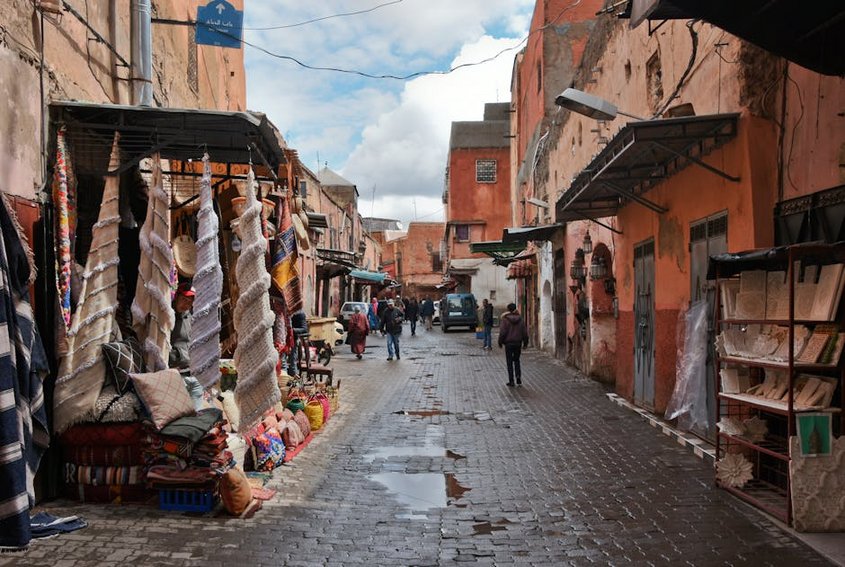
Alt: “marrakech-souk-alleyway-colorful-lanterns-and-textiles”
Planning Your Market Tour in Marrakech
Your success in the Medina hinges on smart preparation and timing. A morning visit, starting around 9 or 10 AM, allows you to experience the souks as they come to life before the afternoon heat and crowds peak. Weekdays are generally less hectic than weekends.
Set a flexible budget for purchases and carry a mix of Moroccan Dirhams in smaller denominations. While some larger stalls accept cards, cash is king for most transactions and haggling. Comfort is non-negotiable, so prioritize supportive walking shoes and a cross-body bag for security.
Best Time to Visit the Souks
The ideal months for a market tour are spring (March to May) and autumn (September to November). Daytime temperatures range from a pleasant 70-85°F (21-29°C). These seasons offer comfortable walking conditions without the intense summer heat, which can exceed 100°F (38°C).
Winter (December to February) is mild, with highs around 65°F (18°C), but pack a light jacket for mornings and evenings. Summer visits require strategic planning: explore the covered souks during the midday heat and save open areas for early morning or late afternoon.
Budget Planning and Costs
Your spending will vary widely based on your shopping goals. Here is a typical breakdown for souvenir budgets.
Essential Preparation Checklist
Wear comfortable, closed-toe shoes with good grip for uneven stone paths. Dress conservatively with shoulders and knees covered out of respect; lightweight, breathable fabrics work best. Carry a reusable water bottle and hand sanitizer, as sinks are not always available.
Have a data plan or offline maps (like Google Maps) downloaded, as the Medina is a true labyrinth. Inform your bank of travel to Morocco to avoid card blocks. Finally, adopt a patient and curious mindset. Getting pleasantly lost is part of the authentic market tour in Marrakech experience.
Top Souks and Unmissable Experiences
Beyond shopping, the Medina offers immersive cultural encounters. Jemaa el-Fna square transforms at night into a massive open-air food court and performance space. You can watch storytellers, musicians, and snake charmers under the glow of lantern light.
For a break from the crowds, visit the tranquil Ben Youssef Madrasa, an ancient Islamic college with stunning architecture. The Musée de Marrakech, located in a former palace, also offers a quiet respite and displays traditional arts. These contrasts define the city’s charm.
Must-See Market Highlights
The Souk des Babouches is famous for its colorful, soft leather slippers. Prices start around $15-20 (150-200 MAD) for simple pairs. The Spice Square (Rahba Kedima) is a sensory explosion where vendors explain medicinal and culinary uses of their wares.
The carpet souks are an experience in themselves. Sellers will unroll dozens of rugs, serving mint tea as they explain the symbols and origins of each piece. Remember, you are never obligated to buy, even after a tea ceremony. Enjoy it as a cultural exchange.
Hidden Gems and Local Favorites
Venture north of the main tourist path to find the Fondouks. These are traditional courtyard inns for merchants, now often housing artisan workshops. Here, you might find quieter, higher-quality studios for woodworking or weaving.
For a unique food experience, seek out the olive souk near the Mellah (Jewish Quarter). Stalls offer dozens of varieties of marinated olives, pickled lemons, and local cheeses. It is a fantastic spot for an authentic, inexpensive snack away from the main tourist thoroughfares.
Food Tasting and Street Eats
Do not miss the food stalls in Jemaa el-Fna at night. Try “msemen” (flaky square pancakes), “b’ssara” (fava bean soup), and fresh orange juice for just a few dirhams. For a sit-down treat, find a local spot for tagine or couscous.
Patisseries in the Gueliz (new city) area offer French-Moroccan pastries like “cornes de gazelle” (almond-filled cookies). Combining a market tour with these culinary stops creates a full-day sensory journey through Marrakech’s flavors.
Practical Travel Information for Marrakech
Navigating the city requires understanding your transportation and accommodation options. The Medina is largely pedestrian-only, so be prepared to walk. “Petits taxis” (small, red cars) are inexpensive for trips to the new city or your riad, but ensure they use the meter.
Staying in a traditional riad inside the Medina is highly recommended for atmosphere. These guesthouses feature interior courtyards and offer an authentic experience. For modern hotel amenities, the Gueliz or Hivernage districts outside the old walls are better choices.
| Accommodation Type | Best For / Key Features | Price Range (USD/night) |
|---|---|---|
| Medina Riad | Authentic atmosphere, central location, traditional architecture, often includes breakfast. | $80 – $250+ |
| Medina Guesthouse | Budget-friendly, local family-run, simple but charming rooms. | $30 – $80 |
| Gueliz Modern Hotel | Modern amenities, swimming pools, international restaurants, easier parking. | $100 – $400 |
| Luxury Resort (Palmeraie) | Golf, spas, expansive gardens, tranquility away from the city buzz. | $300 – $800+ |