Mallorca Travel Guide: Discover Spain’s Mediterranean Gem
This Mallorca travel guide reveals the Balearic Island’s stunning diversity, from its limestone mountains and hidden coves to its vibrant capital and tranquil villages. Your visit unlocks world-class beaches, historic monasteries, delectable cuisine, and outdoor adventures across a landscape that inspired artists like Chopin and Miró. We’ll cover the best times to visit, detailed itineraries for different interests, practical transportation tips, and local secrets to help you craft your perfect Spanish island holiday.
Essential Balearic Island Information
Mallorca, the largest of Spain’s Balearic Islands, sits in the western Mediterranean about 200 kilometers off the coast of Barcelona. The island spans 3,640 square kilometers and hosts a population of around 900,000, with nearly half living in the capital, Palma. Its history is a rich tapestry of Talayotic, Roman, Moorish, and Catalan influences, each leaving distinct architectural and cultural marks.
The geography is remarkably varied, featuring the rugged Serra de Tramuntana mountain range along the northwest coast, declared a UNESCO World Heritage site. Central plains are covered in almond and olive groves, while the eastern and southern shores boast extensive sandy beaches and dramatic cliffs. This variety allows for multiple vacation experiences within a single, accessible destination.
Mallorca enjoys a typical Mediterranean climate characterized by hot, dry summers and mild, relatively wet winters. Summer temperatures frequently reach 86°F (30°C), while winter averages a pleasant 59°F (15°C). The island receives over 300 days of sunshine annually, making it a year-round destination beyond the classic summer beach holiday.
Key Facts at a Glance
Before you go, here are the fundamental details you need.
- Language: The official languages are Catalan and Spanish (Castilian). English and German are widely spoken in tourist areas, but learning basic Catalan phrases like “Bon dia” (good day) is appreciated.
- Currency: The Euro (€) is the official currency. Credit cards are accepted almost everywhere, but carrying some cash is wise for small markets or rural towns.
- Time Zone: Mallorca operates on Central European Time (CET), which is UTC+1. During daylight saving time (late March to late October), it switches to Central European Summer Time (CEST), UTC+2.
- Budget Traveler ($70-$100/day): Stay in hostels or budget apartments outside central Palma, use public buses, enjoy picnics with market produce, and focus on free activities like hiking and public beaches. Flights and accommodation booked well in advance are crucial for this budget.
- Mid-Range Traveler ($150-$250/day): This allows for comfortable hotel stays in towns like Sóller or Alcúdia, rental car for several days, dining at mid-range “cellers” (traditional restaurants), and paid entrance to major attractions like the Cathedral or Bellver Castle.
- Luxury Traveler ($400+/day): Enjoy five-star hotels or private agroturismo fincas, fine dining at venues like Marc Fosh, private boat charters to secluded coves, and guided tours with expert historians or chefs. This level provides complete comfort and exclusive experiences.
- Official Mallorca Tourism Board
- Spain’s Official Tourism Website – Balearic Islands
- Serra de Tramuntana UNESCO Consortium
Cultural and Historical Context
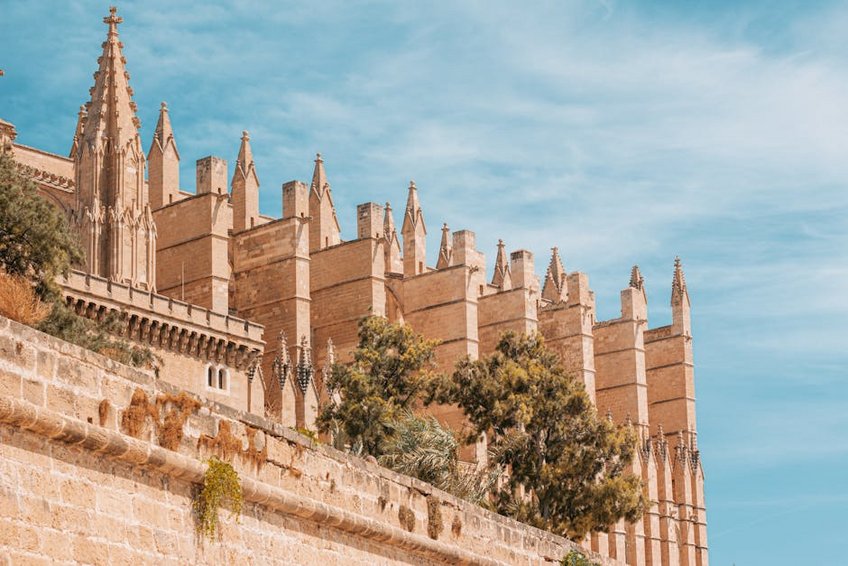
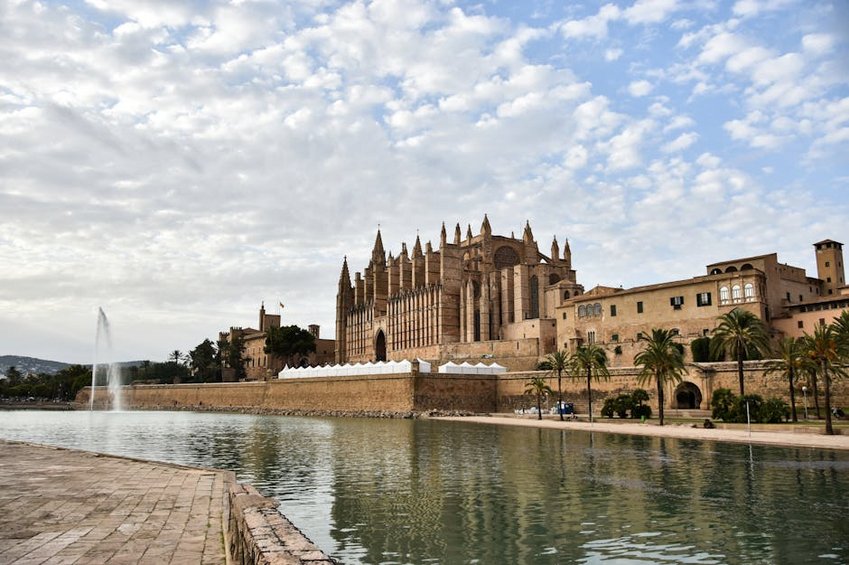
Mallorca’s culture is deeply rooted in its complex past. The island was a crucial trading post for the Romans, a prosperous Islamic taifa, and later a crown jewel of the Kingdom of Aragon. This blend created a unique identity within Spain, evident in its language, festivals, and architecture. The Gothic Palma Cathedral, built on the site of a former mosque, is a powerful symbol of this layered history.
Traditional Mallorcan culture emphasizes family, fiestas, and the land. Local festivals, or “fiestas,” occur year-round, celebrating patron saints with processions, music, and traditional “ball de bot” dancing. The island’s cuisine relies heavily on local produce, pork, and seafood, with dishes like “sobrassada” sausage and “tumbet” vegetable casserole defining its flavors.
Island Regions and Characters
Understanding Mallorca’s regions helps in planning. The bustling south, centered on Palma and its bay, offers urban culture and long beaches. The dramatic northwest, dominated by the Serra de Tramuntana, is perfect for hiking, cycling, and scenic drives through villages like Valldemossa and Sóller.
The rustic east coast features picturesque fishing ports like Porto Cristo and the stunning caves of Drach and Hams. The quieter north, around Alcúdia and Pollença, combines Roman ruins, wide sandy bays, and the protected natural park of the Cap de Formentor peninsula. Each area provides a distinctly different atmosphere.
Alt: “serra-de-tramuntana-mountain-range-coastal-road-mallorca”
Mallorca Travel Guide – Planning Your Trip
Effective planning for Mallorca balances seasonal priorities with personal interests. While summer promises perfect beach weather, spring and autumn offer milder temperatures ideal for active exploration and fewer crowds. Your Mallorca travel guide strategy should decide whether you seek relaxation, adventure, culture, or a blend, then select your base and activities accordingly.
Budgeting realistically is key, as costs can vary dramatically. A simple lunch at a beachside “chiringuito” might cost $15, while a tasting menu at a Michelin-starred restaurant in Palma exceeds $150. Accommodation ranges from $80-per-night hostels to $800-per-night luxury finca estates. We’ll break down detailed cost expectations next.
Best Time to Visit Mallorca
The peak tourist season runs from June through August, featuring average highs of 86°F (30°C), minimal rain, and vibrant nightlife. However, beaches are crowded, and prices are at their highest. For a classic sun-and-sea holiday, this period is ideal, but book flights and hotels at least four months in advance.
Shoulder seasons—April to May and late September to October—are often superior for most travelers. Temperatures range from a comfortable 68°F to 77°F (20°C to 25°C), perfect for hiking and sightseeing. The sea remains warm enough for swimming into October. These months offer better value and a more relaxed pace, with many festivals like the Sant Joan fire celebrations in June.
Budget Planning and Costs
Daily costs depend entirely on your travel style. Here’s a breakdown for a one-week trip per person.
Essential Preparation Checklist
Pack for varied activities: swimwear and sandals for the beach, sturdy walking shoes for cobblestone streets and mountain trails, and a light jacket for cooler evenings. Sun protection is non-negotiable—bring high-SPF sunscreen, a hat, and sunglasses. A European plug adapter (Type C or F) is required for charging devices.
Ensure your passport is valid for at least three months beyond your planned departure from the Schengen Area. U.S. and EU citizens do not need a visa for stays under 90 days. Purchase comprehensive travel insurance covering medical emergencies and potential trip disruptions. Book popular restaurants and highly-rated tours at least two weeks ahead, especially during peak season.
Top Attractions and Unforgettable Activities
Beyond its famous beaches, the island offers profound cultural and natural attractions. Palma’s colossal La Seu Cathedral, with its unique Gaudí-influenced interior, dominates the waterfront skyline. The Royal Palace of La Almudaina next door offers a glimpse into medieval royal life. Exploring the labyrinthine streets of the Old Town reveals hidden courtyards, artisan shops, and historic Arab baths.
The Serra de Tramuntana mountains provide a stunning backdrop for world-class cycling, hiking routes like the dry-stone path from Valldemossa to Deià, and scenic train journeys on the vintage wooden train from Palma to Sóller. The coastal drive along the Ma-10 road offers some of the Mediterranean’s most breathtaking vistas.
Must-See Highlights
No visit is complete without seeing the Catedral-Basílica de Santa María de Mallorca, commonly called La Seu. Its Gothic architecture, rose window, and contemporary canopy by artist Miquel Barceló are breathtaking. Visit early in the morning to avoid crowds and see the stunning “light show” when morning sun floods through the main rose window, typically between 8-9 AM.
The picturesque village of Valldemossa, nestled in the mountains, hosts the historic Royal Carthusian Monastery where composer Frédéric Chopin spent a winter. The monastery cells, gardens, and views are worth the trip. Combine this with a visit to the nearby coastal town of Deià, a longtime artist colony with pebble beaches and excellent seaside dining.
For natural wonder, the Cuevas del Drach (Drach Caves) in Porto Cristo feature one of the world’s largest underground lakes, where daily classical music concerts are held on boats. Allow two hours for the full tour. The Cape Formentor lighthouse at the island’s northern tip offers panoramic views that are especially dramatic at sunset.
Hidden Gems and Local Favorites
Escape the crowds at the Ermita de la Victòria, a 15th-century hermitage on a secluded peninsula near Alcúdia. The winding drive leads to a small chapel, a rocky coastline perfect for snorkeling, and a simple restaurant with stunning views. It’s rarely busy, even in summer.
Explore the interior’s agricultural heart by visiting a traditional “possessió” (farm estate). Many, like Els Calderers, are open to the public, showcasing traditional farming life, native animal breeds, and manor houses. Another authentic experience is the weekly market in the central town of Sineu on Wednesdays, which has operated since the 14th century.
Beaches and Coastal Exploration
Mallorca’s coastline offers over 260 beaches. For families, the long, shallow, sandy bays of Playa de Muro and Alcúdia in the north are ideal. Seeking dramatic scenery? The small coves (“calas”) of the east, like Cala Varques or Cala Mitjana, often require a short hike but reward with crystal-clear water and relative seclusion.
The southwest coast near Andratx features rugged beauty, with beaches like Sant Elm offering views of the protected island of Sa Dragonera. For a unique experience, visit the Mondragó Natural Park, where two sandy coves are backed by wetlands rich with birdlife, perfect for combining beach time with nature walking.
Practical Travel Information and Logistics
Palma de Mallorca Airport (PMI) is the main international gateway, with excellent connections across Europe and some direct flights from the U.S. East Coast. The airport is efficiently connected to Palma city center by the A1 bus (€5) or taxi (approx. €25). For maximum flexibility, especially for exploring the mountains or remote beaches, renting a car is highly recommended.
Public transportation is reliable for major routes. The EMT bus network serves Palma extensively, while TIB buses connect Palma to other towns and villages across the island. The historic train to Sóller and the scenic coastal railway from Sóller to Port de Sóller are experiences in themselves. For shorter trips in Palma, ride-sharing apps and taxis are readily available.
| Accommodation Type | Best For & Features | Average Nightly Rate (USD) |
|---|---|---|
| Luxury Hotel / Finca | Honeymoons, luxury seekers; spas, gourmet dining, privacy | $300 – $800+ |
| Boutique Hotel / Agroturismo | Couples, design lovers; character, local charm, often rural settings | $150 – $350 |
| Mid-Range Hotel / Apartments | Families, longer stays; pools, kitchenettes, good locations | $100 – $200 |
| Hostel / Budget Guesthouse | Solo travelers, backpackers; social atmosphere, central locations | $50 – $90 |