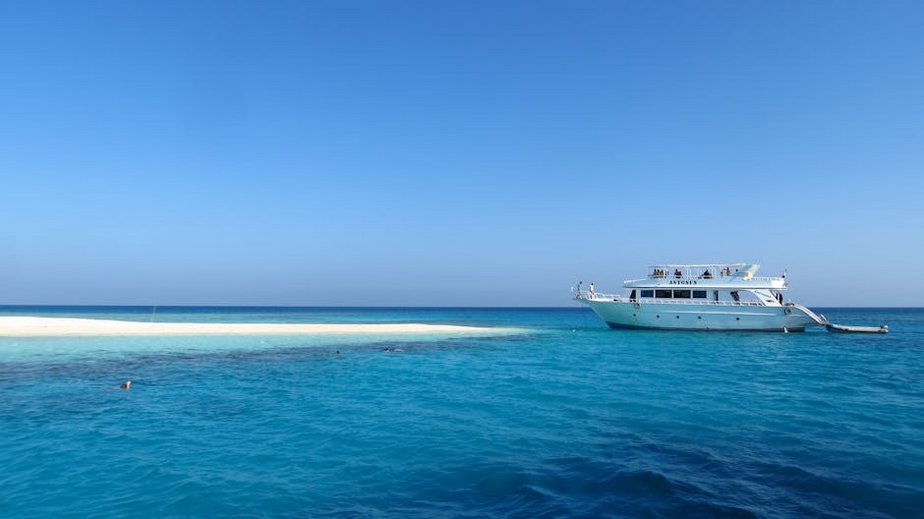
Malaysia Sipadan Island Diving: World-Class Underwater Adventure
Sipadan Island diving delivers some of Southeast Asia’s most spectacular marine encounters with vertical coral walls, schooling barracuda, and resident turtle populations. Your Malaysia Sipadan Island diving adventure requires careful planning due to limited daily permits and seasonal weather patterns affecting visibility. This guide covers essential preparation, top dive sites, accommodation options, and practical tips for maximizing your underwater experience.
Sipadan Island Essential Information
Sipadan rises from the Celebes Sea off Malaysian Borneo’s east coast, formed by living coral atop an extinct volcanic cone. The island’s protected status since 2004 limits daily visitors to 120 people, preserving pristine conditions for diverse marine ecosystems. Malaysia’s tropical climate creates year-round diving opportunities with distinct seasonal variations in water visibility and marine activity.
Geographical and Historical Context
Sipadan measures approximately 12 hectares with no permanent residents beyond military personnel and dive operators. Jacques Cousteau’s 1989 documentary highlighted the island’s exceptional biodiversity, leading to its current protected status under Sabah Parks authority. The surrounding marine park extends 200 meters from shore with dramatic drop-offs reaching 600 meters depth.
Marine Biodiversity Highlights
Sipadan’s ecosystems support over 3,000 fish species and 400 coral types across different underwater terrains. Key marine residents include green and hawksbill turtles, reef sharks, massive schools of jackfish, and occasional whale shark sightings. The island’s location within the Coral Triangle creates exceptional biodiversity with both macro and pelagic species.
- Regular turtle nesting occurs on beaches with estimated 50-100 resident turtles using cleaning stations.
- Barracuda Point features swirling tornado formations of thousands of barracuda during morning dives.
- White-tip reef sharks rest in caves during daylight hours while gray reef sharks patrol deeper areas.
- Budget options at $150-250 USD daily include basic lodging in Semporna, shared transfers, and 3 Sipadan dives with equipment rental but exclude permits.
- Mid-range packages at $250-350 USD feature resort accommodation on Mabul Island, all meals, 4 daily dives, and Sipadan permits with guided groups.
- Luxury experiences at $350-500 USD provide liveaboard vessels, premium equipment, photography services, and guaranteed Sipadan permits with small group sizes.
- Sabah Tourism Board Official Site
- PADI Dive Organization
Conservation and Permit System
Malaysia’s Sabah Parks authority manages a strict permit system requiring advance booking through licensed dive operators. Permits cost approximately $40 USD per person per day with allocations made to operators based on their accommodation facilities. This conservation approach maintains underwater visibility often exceeding 30 meters while protecting coral from damage.
Dive operators implement buoyancy control checks and reef-safe practices before allowing Sipadan dives. The no-touch policy protects both divers and marine life with significant fines for violations. Night diving remains prohibited to minimize disturbance to nocturnal species and nesting turtles.
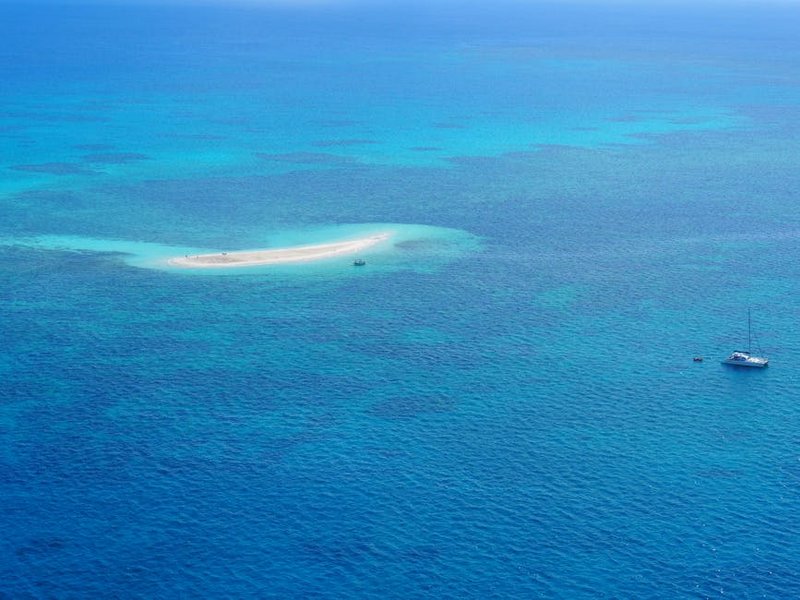
Alt: “sipadan-island-aerial-view-turquoise-waters-coral-reef”
Malaysia Sipadan Island Diving – Planning Your Trip
Successful Malaysia Sipadan Island diving expeditions require booking 6-12 months ahead for peak season permits between April and December. Budget $150-400 USD daily depending on accommodation style, dive packages, and permit inclusion. Physical preparation should include recent diving experience and stamina for 3-4 daily dives in sometimes strong currents.
Travel logistics involve flying to Tawau Airport then transferring 90 minutes by road to Semporna harbor. From Semporna, speedboats reach Sipadan in 45-60 minutes depending on weather conditions. Dive operators typically include these transfers in package prices ranging from $800-2,000 USD for 4-day programs.
Best Time to Visit Sipadan for Diving
April through October offers optimal conditions with calm seas, 20-30 meter visibility, and minimal rainfall. Water temperatures range 28-30°C (82-86°F) during these months with consistent underwater photography conditions. Marine activity peaks with turtle nesting and increased pelagic sightings.
November through March brings heavier rainfall and reduced visibility to 15-25 meters but offers cheaper accommodation. Shoulder months like March and November provide good value with 20-25 meter visibility and fewer permit competitors. Avoid monsoon peaks in January when many operators suspend services.
Budget Planning and Costs
Daily expenses vary significantly based on accommodation style and dive package inclusions.
Essential Preparation Checklist
Documentation requires a valid passport with 6-month validity, Malaysian tourist visa if applicable, and dive certification cards. Equipment essentials include a 3mm wetsuit, dive computer, surface marker buoy, and reef-safe sunscreen for protection. Physical preparation should involve recent diving practice and cardiovascular fitness for multiple daily dives.
Booking confirmations must include Sipadan permits specifically rather than just dive packages to neighboring islands. Health considerations include travel insurance covering diving emergencies and basic first aid supplies. Communication planning should account for limited internet access on remote islands.
Top Dive Sites and Marine Experiences
Sipadan’s 12 major dive sites circle the island with varying depths from 5-40 meters suitable for different experience levels. Each site offers unique topography including vertical walls, coral gardens, and underwater caverns teeming with marine life. Dive operators typically schedule 3-4 dives daily with surface intervals on the island’s beach.
Currents range from gentle to strong depending on tide changes, requiring divers to maintain proper buoyancy control. Guides provide thorough briefings covering entry points, dive profiles, and potential hazards before each descent. Underwater navigation remains straightforward due to the island’s compact size and visible landmarks.
Must-See Dive Sites
Barracuda Point features spectacular schooling fish formations in cleaning stations along a dramatic wall drop-off. The South Point site offers consistent shark sightings including white-tip reefs and occasional hammerheads in deeper waters. Turtle Cavern presents an advanced dive through limestone chambers used by turtles for resting.
Hanging Gardens showcases vibrant soft corals and abundant reef fish at 15-30 meter depths with minimal current. Mid-Reef provides excellent macro photography opportunities with numerous nudibranch species and crustaceans. Lobster Lair lives up to its name with multiple lobster species visible in crevices during afternoon dives.
Hidden Gems and Rare Sightings
West Ridge remains less visited despite impressive coral coverage and frequent bumphead parrotfish sightings. The Drop Off presents a sheer wall starting at 5 meters depth where turtles often sleep overnight. Staghorn Crest features beautiful coral formations attracting numerous butterflyfish and angelfish species.
Whale Shark encounters occur primarily March through May when these gentle giants follow plankton blooms. Manta rays occasionally visit cleaning stations at South Point during early morning dives. Rare ghost pipefish camouflage perfectly among crinoids and sea fans for observant divers.
Underwater Photography Techniques
Wide-angle lenses capture schooling fish and dramatic walls while macro lenses suit smaller critters like pygmy seahorses. Strobes or video lights enhance colors at depth where red wavelengths disappear below 5 meters. Buoyancy control proves essential for stable shots without damaging delicate coral formations.
Early morning dives offer best light conditions with midday sun penetrating deep for vibrant colors. Local dive guides know resident species locations and behavioral patterns for optimal photography opportunities. Underwater housings should include moisture alarms and double O-ring seals for reliability.
Practical Travel Information
Accommodation options range from budget hostels in Semporna to luxury resorts on neighboring Mabul and Kapalai islands. Transportation involves multiple segments from international airports to final dive destinations with operator coordination. Meal plans typically include buffet-style dining with Western and Asian options at resorts.
| Accommodation Type | Features and Location | Price Range (USD/night) |
|---|---|---|
| Semporna Hostels | Basic rooms, shared bathrooms, town location, budget dining | $20-50 |
| Mabul Resorts | Beachfront rooms, restaurant, dive center, easy Sipadan access | $100-200 |
| Kapalai Water Villages | Overwater bungalows, premium dining, photography services | $200-400 |
| Liveaboards | Cabin accommodation, all meals, multiple dive locations | $300-600 |