Lisbon Travel Guide: Navigate Europe’s Sun-Kissed Capital
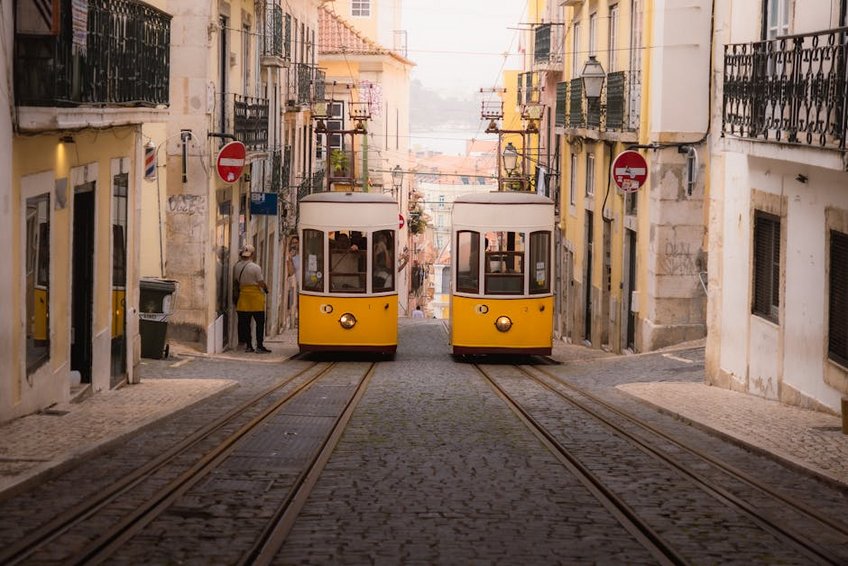
Portugal’s capital emerges from seven hills overlooking the Tagus River, offering a captivating mix of ancient history, vibrant culture, and contemporary energy. A Lisbon travel guide is essential for navigating its mosaic of historic neighborhoods, from the medieval Alfama to the bohemian Bairro Alto. This guide provides the key details and local insights to plan an efficient and enriching visit, whether you’re chasing panoramic viewpoints, tasting pastéis de nata, or riding iconic yellow trams.
Lisbon Essential Information
Lisbon serves as Portugal’s political, economic, and cultural heart, with a history stretching back to Phoenician times. The city’s iconic 1755 earthquake and subsequent reconstruction profoundly shaped its architectural landscape, blending Gothic, Manueline, and Pombaline styles. Today, it’s celebrated for its welcoming atmosphere, affordable luxury, and status as one of Europe’s sunniest capitals.
The city is divided into distinct parishes, each with its own character. Central areas include Baixa (the downtown grid), Chiado (shopping and cafes), Alfama (the old Moorish quarter), and Belém (monuments and museums). Public transport, including metros, trams, and funiculars, connects these districts efficiently, though the steep hills reward comfortable walking shoes.
Key Facts and Figures
Before you visit, understanding these core details helps set expectations.
- Language: Portuguese is the official language. English is widely spoken in tourist areas, hotels, and restaurants, though learning basic phrases like “obrigado/obrigada” (thank you) is appreciated.
- Currency: The Euro (€) is used. Credit cards are accepted almost universally, but carrying some cash for small vendors, tram tickets, or family-run cafes is wise.
- Time Zone: Lisbon operates on Western European Time (WET, UTC+0) and observes Western European Summer Time (WEST, UTC+1) from late March to late October.
- Budget Traveler ($60-90/day): Stay in hostel dorms, use public transport passes, eat “prato do dia” (daily specials) at local tascas, visit free museums (many are free on Sunday mornings), and enjoy the city’s many free viewpoints (miradouros).
- Mid-Range Traveler ($120-200/day): Book a boutique hotel or central Airbnb, dine at good restaurants, take a few guided tours or food experiences, use taxis or ride-shares occasionally, and visit paid attractions like the Jerónimos Monastery.
- Luxury Traveler ($300+/day): Stay at 5-star palaces or designer hotels, enjoy fine dining at Michelin-starred venues, hire private drivers for day trips to Sintra, and book exclusive experiences like private fado concerts or yacht tours on the Tagus.
- Visit Lisboa Official Tourism Board
- Lonely Planet Lisbon Guide
- CP Portuguese Railways
Visa and Entry Requirements
For US, UK, Canadian, and Australian passport holders, tourist travel to Portugal is straightforward. Visitors can enter the Schengen Area for up to 90 days within any 180-day period without a visa for tourism purposes. Your passport must be valid for at least three months beyond your planned departure date from the Schengen zone. Always check official government sources for the most current regulations before booking your trip.
Upon entry, border officials may ask for proof of sufficient funds, a return ticket, and accommodation details. While rarely requested for short stays, having these documents accessible on your phone or in print avoids any potential delays.
Local Culture and Etiquette
Portuguese culture values politeness, family, and a relaxed approach to time. Greetings often involve a handshake or, among friends, a kiss on both cheeks. Service in restaurants tends to be unhurried; you must ask for the bill (“a conta, por favor”) when you’re ready to leave. Tipping is not obligatory but rounding up the bill or leaving 5-10% for good service is customary.
Dress is generally casual but neat. When visiting churches or more formal establishments, modest attire covering shoulders and knees is respectful. The pace of life is slower in the afternoon, with many smaller shops closing for a few hours after lunch, before reopening in the evening.
Alt: “lisbon-alfama-district-narrow-streets-tram-28”
Lisbon Travel Guide – Planning Your Trip
Crafting the perfect itinerary requires balancing iconic sights with local immersion. This Lisbon travel guide recommends allocating at least three full days to cover the major districts and attractions at a comfortable pace. Prioritize your interests, whether they are history, food, architecture, or nightlife, and group activities by geographic area to minimize transit time across the city’s hills.
Budget-conscious travelers will find the city remarkably affordable compared to other Western European capitals. Mid-range visitors can enjoy excellent meals and comfortable hotels without breaking the bank. Investing in a Lisboa Card can offer significant savings on public transport and entry fees to many monuments if you plan a packed sightseeing schedule.
Best Time to Visit Lisbon
The ideal months for a Lisbon visit are from March to May and September to October. During these shoulder seasons, you’ll encounter pleasant temperatures ranging from 60-75°F (15-24°C), fewer crowds, and better accommodation rates. The famous sunshine is plentiful, and the city’s gardens are in bloom or comfortably warm.
Summer (June-August) brings hot, dry weather with averages between 70-85°F (21-29°C), perfect for beach trips to nearby Cascais. However, this is peak tourist season with higher prices and dense crowds at major sites. Winter is mild but rainy, with temperatures from 48-59°F (9-15°C); it’s a quiet time to explore museums and enjoy the city like a local.
Budget Planning and Costs
Your daily budget in Lisbon can vary dramatically based on style. Here’s a realistic breakdown.
Essential Preparation Checklist
Packing for Lisbon requires practical items for urban exploration. Comfortable, grippy walking shoes are non-negotiable for tackling cobblestone streets and steep hills. Layered clothing is key due to microclimates and temperature shifts; include a light jacket even in summer for cooler evenings. Don’t forget a universal power adapter (Portugal uses Type F plugs, 230V) and a portable power bank for navigating all day.
Essential documentation includes your passport, driver’s license if renting a car, and copies of travel insurance. Book major attractions and popular restaurants at least a week or two in advance, especially for summer visits. Download useful apps like Citymapper for navigation and “Bolt” or “Uber” for affordable rides.
Top Attractions and Neighborhood Explorations
Lisbon’s charm lies in its diverse neighborhoods, each offering a unique slice of the city’s soul. Spend a morning getting lost in the labyrinthine alleys of Alfama, listening for the soulful strains of fado music. Explore the grand plazas and elegant arches of the Baixa district, rebuilt after the great earthquake. Then, take a short tram ride to Belém to stand where explorers like Vasco da Gama launched their voyages.
Beyond the historic core, the modern architecture of Parque das Nações and the trendy bars of LX Factory showcase the city’s contemporary renaissance. The key is to wander without a rigid schedule, allowing yourself to stumble upon hidden courtyards, local markets, and stunning viewpoints around every corner.
Must-See Highlights and Monuments
Begin your sightseeing at the Belém district, home to two UNESCO World Heritage sites. The ornate Jerónimos Monastery is a masterpiece of Manueline architecture, where entry costs €10. Nearby, the Belém Tower, a 16th-century fortification on the Tagus riverfront, costs €6 to enter. Reserve tickets online to skip long queues. Between visits, sample the original pastéis de nata at the historic Pastéis de Belém bakery.
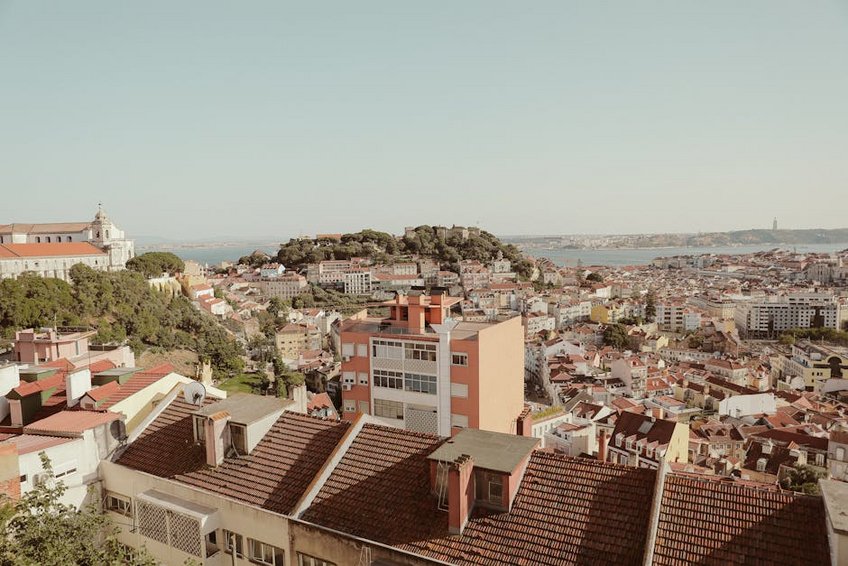
In the city center, ride the iconic Tram 28 for a rolling tour through historic quarters, though it’s often crowded. For a more reliable view, take the Santa Justa Lift to the Carmo Convent ruins. Don’t miss the São Jorge Castle, perched atop the highest hill in Alfama. The €10 entrance fee grants access to archaeological sites, peacocks, and the best panoramic views over the city’s red rooftops and the river.
Hidden Gems and Local Favorites
Escape the main tourist track by visiting the National Tile Museum (Museu Nacional do Azulejo), housed in a beautiful convent. It chronicles the history of Portugal’s iconic ceramic tiles. For a vibrant local experience, explore the Mercado de Campo de Ourique, a less-touristy food market where locals shop and dine on excellent seafood and petiscos (Portuguese tapas).
Seek out the lesser-known viewpoints like Miradouro da Graça or Miradouro da Senhora do Monte for sunset views with fewer crowds. For a unique cultural experience, visit a “ginjinha” bar, like A Ginjinha near Rossio Square, to sip the traditional sour cherry liqueur from a small chocolate cup.
Day Trip Essentials to Sintra and Cascais
No visit is complete without a day trip to the fairy-tale town of Sintra, a 40-minute train ride from Rossio Station. Here, you can explore the colorful Pena Palace, the mysterious Quinta da Regaleira with its initiation wells, and the Moorish Castle. Purchase a combo ticket online and start early to beat the crowds. For a coastal contrast, continue by bus to Cabo da Roca, the westernmost point of continental Europe, or take the train to the elegant seaside resort of Cascais for a waterfront lunch and stroll.
Practical Travel Logistics and Navigation
Getting around Lisbon is part of the adventure. The city’s compact center is very walkable, but its famous hills make public transport a welcome relief. The metro system is clean, efficient, and excellent for covering longer distances, like traveling from the airport to the city center or out to the Parque das Nações. For shorter hops between neighborhoods, the historic trams, funiculars, and a vast network of buses fill the gaps.
For seamless travel, purchase a rechargeable Viva Viagem card. You can load it with individual tickets, a 24-hour pass for all public transport (€6.40), or credit for pay-as-you-go journeys. Taxis and ride-sharing services like Uber and Bolt are plentiful and reasonably priced, especially useful for late-night returns or trips to harder-to-reach viewpoints.
| Transport Type | Best For / Key Details | Price Range / Ticket |
|---|---|---|
| Metro | Fast cross-city travel; connects to airport (Aeroporto – Saldanha line) | Single Ticket: €1.50 + card cost |
| Tram & Funicular | Short scenic routes (Tram 28, Elevador da Bica); often crowded | Included in 24-hr pass |
| Bus | Reaching areas not served by metro; extensive network | Included in 24-hr pass |
| Taxi / Ride-Share | Door-to-door convenience; late-night travel; trips with luggage | €5-15 for central journeys |
| Train (CP) | Day trips to Sintra, Cascais, or Évora | €2-5 one-way to Sintra |