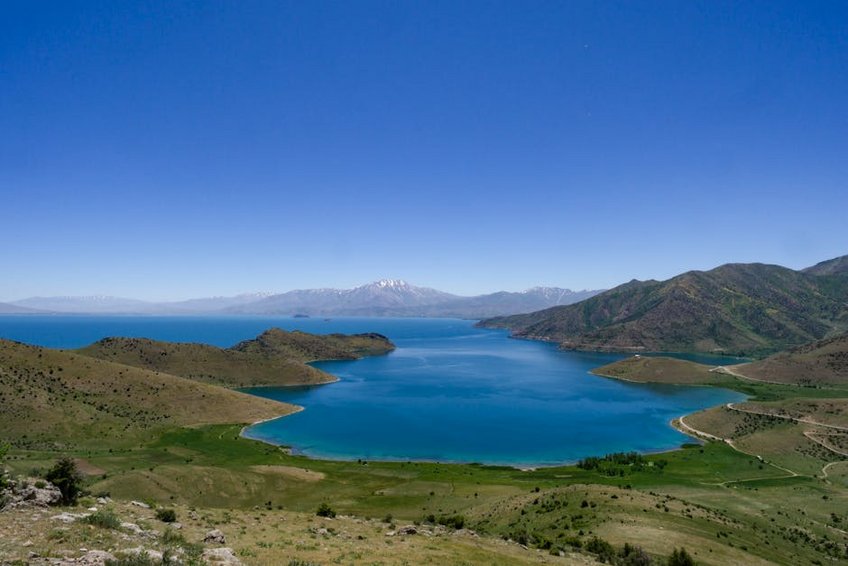
Lake Van Travel Guide: Explore Turkey’s Mysterious Alpine Lake
Lake Van, Turkey’s largest and most enigmatic body of water, offers a travel experience defined by stark volcanic landscapes, ancient Armenian heritage, and the unique properties of its alkaline waters. This vast inland sea sits at over 1,600 meters (5,250 feet) elevation in Eastern Anatolia, creating a climate where snow-capped peaks surround a shimmering, soda-rich lake that you can float in effortlessly. Your comprehensive Lake Van travel guide provides essential logistics for visiting its medieval island churches, mysterious sunken fortresses, and the culturally rich city of Van, ensuring a smooth journey into this remote and fascinating region.
Essential Lake Van Information
Lake Van is a terminal lake, meaning it has no outlet, leading to its high salinity and alkalinity. With a surface area of 3,755 square kilometers (1,450 square miles), it’s one of the world’s largest endorheic lakes. The water’s pH level, similar to mild soap, allows for the famous effortless floating experience, though it leaves a slippery residue on skin.
The region experiences a continental climate with significant seasonal extremes. Winters are long and harsh, with the lake sometimes freezing along its shallow eastern shores. Summers are warm and dry, offering the most comfortable conditions for exploration. This climate has shaped a resilient culture and unique archaeological record preserved in the dry, cold air.
Historical and Cultural Significance
The Lake Van basin was the heartland of the ancient Urartian Kingdom and later the medieval Armenian Kingdom of Vaspurakan. This legacy is etched into the landscape through countless ruins. The area’s complex 20th-century history has resulted in a predominantly Kurdish population today, with a small remaining Armenian community.
- Urartian Roots (9th-6th Century BC): The fortress of Van (Tushpa) was the Urartian capital. Extensive cuneiform inscriptions, like the Sardur inscription, are carved directly into the rock cliff below the castle, detailing military campaigns and construction projects.
- Armenian Kingdoms: From the 9th to 11th centuries AD, the region flourished under Armenian rulers. They constructed the iconic Akdamar Church and hundreds of other monasteries, many now in ruins but still scattered across the islands and hillsides.
- Modern Era: The city of Van was largely destroyed in the 1910s and earthquakes. Modern Van is a bustling provincial capital rebuilt a few kilometers from the ancient site, serving as the gateway for all lake exploration.
- Budget Traveler ($35-50 USD/day): Stay in hostels or basic guesthouses ($15-20), eat at lokantas and street food stalls ($10-15), and use public dolmuş minibuses for transport ($5-10). Focus on free sights like Van Castle and the city museum. This requires flexibility and tolerance for basic amenities.
- Mid-Range Traveler ($80-120 USD/day): Comfortable hotel rooms ($40-60), meals at sit-down restaurants ($20-30), and a rental car or private driver for key day trips ($30-40). This budget allows for guided boat tours to the islands and entrance fees to all major sites comfortably.
- Luxury Traveler ($200+ USD/day): Stay at Van’s best hotel, the Renaissance Polat Van, or boutique options in Tatvan ($100+). Enjoy private guides for historical sites, charter private boat tours, and dine at top restaurants. This level provides maximum comfort and personalized access in a region with limited high-end infrastructure.
- Republic of Turkey Ministry of Culture and Tourism – Van
- Lonely Planet Guide to Van and Eastern Anatolia
- UNESCO Tentative List: The Tombstones of Ahlat
Geographic and Natural Features
Four volcanic mountains dominate the horizon: Süphan, Nemrut, Tendürek, and Ağrı. Mount Süphan, at 4,058 meters (13,314 feet), is Turkey’s third-highest peak and a popular challenge for experienced climbers. The lake itself is incredibly deep in parts, with a maximum recorded depth of 450 meters.
Nemrut volcano is responsible for the lake’s current form. A massive eruption thousands of years ago created a natural dam, blocking the western outlet and transforming a river valley into the vast basin we see today. This geological activity also contributes to the lake’s unusual chemistry and the presence of natural hot springs along its shores.
Key Destinations Around the Shoreline
The lake’s perimeter stretches over 430 kilometers. Key access points include the city of Van on the eastern shore, Tatvan on the western shore connected by train ferry, and Ahlat on the northern shore famed for its Seljuk tombstones. Each offers a different perspective on the region.
Remote southern and northern shores are less developed, featuring small villages, pastoral landscapes, and harder-to-reach archaeological sites. Travel here requires more planning and often a private vehicle, but rewards with solitude and untouched views of the serene waters against the mountainous backdrop.
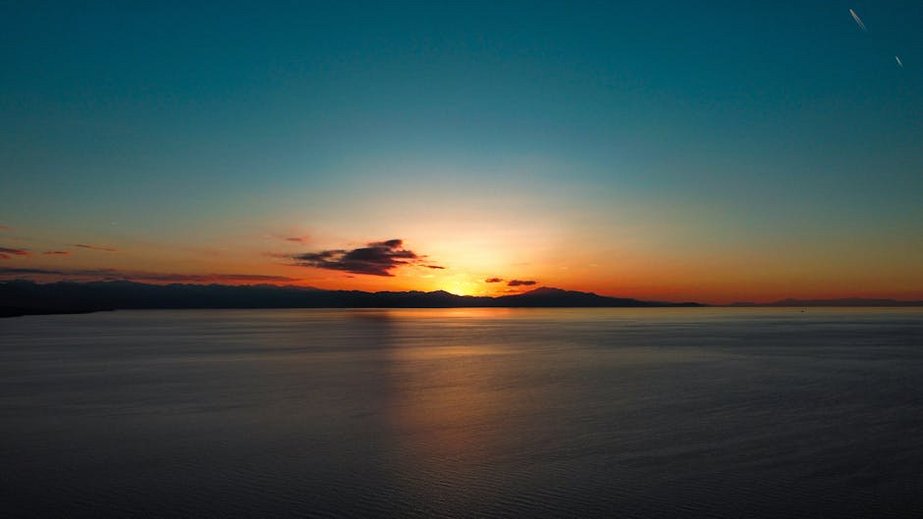
Alt: “lake-van-turkey-akdamar-island-armenian-church-mountain-background”
Lake Van Travel Guide – Planning Your Trip
Planning a visit to Eastern Turkey’s largest lake requires attention to season, transportation, and cultural context. The region is remote, and services cater more to domestic tourists than international ones, making advance preparation crucial. Your itinerary should balance iconic sites like Akdamar Island with lesser-known gems and ample travel time between points of interest.
Budget considerations are favorable for travelers using foreign currency. Mid-range hotels cost between $40-70 USD per night, while meals at local restaurants rarely exceed $10 per person. The largest expense is often transportation, as renting a car provides the most flexibility for exploring the extensive shoreline and inland attractions efficiently.
Best Time to Visit Lake Van
The optimal window for a Lake Van visit is from late May to early October. July and August offer the warmest weather, with daytime highs of 25-28°C (77-82°F) and pleasant evenings. This is peak season for boat tours to Akdamar Island and hiking on Nemrut Mountain, so you should book accommodations several weeks in advance.
Shoulder seasons in May-June and September-October provide cooler temperatures, between 15-22°C (59-72°F), and significantly fewer crowds. However, some hotels and tour operators in smaller towns may have limited hours. Winter travel, from November to April, is challenging due to heavy snow, road closures, and temperatures often plunging below -10°C (14°F).
Budget Planning and Costs
Daily budgets vary widely based on travel style. Here is a breakdown for different traveler profiles.
Essential Preparation Checklist
Pack for variable conditions even in summer. Essentials include a warm layer for cool evenings, sturdy walking shoes for rocky archaeological sites, sunglasses and high-SPF sunscreen due to the high altitude, and swimwear for the unique floating experience. Bring moisturizer, as the alkaline water and dry climate are harsh on skin.
Logistically, ensure your passport is valid for at least six months. Most Western nationals receive a 90-day Turkish e-Visa online. Purchase comprehensive travel insurance covering emergency evacuation. Download offline maps of the Van region on Google Maps or Maps.me, as cellular service can be unreliable outside the city center.
Top Attractions and Activities
Eastern Turkey’s largest lake is surrounded by sites spanning three millennia. The crown jewel is Akdamar Island and its exquisite Armenian church. On the mainland, the rock-cut fortress of Van Castle overlooks the ancient capital, while the surreal landscapes of Nemrut Crater Lake offer a dramatic contrast. Each site reveals a different layer of the region’s complex natural and human history.
Beyond historical exploration, the area offers hiking, birdwatching (especially for the rare Van cat, though truly wild ones are seldom seen), and simple contemplation of the immense, tranquil waters. The pace of life is slow, encouraging visitors to absorb the atmosphere rather than rush between checkboxes on a list.
Must-See Historical Highlights
Akdamar Island and the Church of the Holy Cross: A 20-minute boat ride from the shore leads to this 10th-century Armenian architectural masterpiece. The exterior stone carvings depicting biblical scenes are unparalleled. Visit in the morning for the best light on the carvings and to avoid afternoon crowds. Boat tickets cost about $10 USD per person.
Van Castle (Tushpa): This massive Urartian fortress carved into a rock outcrop offers panoramic views of the lake and modern city. Climb to the top to see the cuneiform inscriptions of King Sardur I. Allocate 2-3 hours to explore the ruins and the nearby “Old Van” city walls. Entrance is minimal, around $2 USD.
The Cat House at Van Yüzüncü Yıl University: While not ancient, this is a unique stop. The university cares for a colony of the famous Van cats, known for their odd-eyed (one blue, one amber) feature and love of water. It’s a small, quirky attraction that provides context to the region’s modern symbols.
Hidden Gems and Local Favorites
Ahlat Seljuk Tombstones (Ahlat Mezar Taşları): Located on the northern shore, this vast medieval cemetery contains thousands of intricately carved, towering tombstones from the 12th-15th centuries. The scale and artistry are hauntingly beautiful. It’s a 2-hour drive from Van city but worth the detour for history enthusiasts.
Çarpanak and Adır Islands: Less visited than Akdamar, these islands host the ruins of Armenian monasteries in various states of decay. Boat captains in Van can arrange trips, but they often require a private charter. The solitude and crumbling beauty of these sites offer a more poignant, untouched experience.
Hoşap Castle: Southeast of Van, this 17th-century Kurdish castle dramatically rises from the rocky landscape. Its well-preserved walls, mosque, and hamam provide insight into a later period of local rulership. The drive there through the mountainous countryside is spectacular in itself.
Natural Wonders and Landscapes
Nemrut Crater Lake (Nemrut Dağı Kalderası): A full-day trip from Tatvan or Van, this crater atop an extinct volcano holds a cold lake and several smaller warm lakes. The otherworldly volcanic landscape, with obsidian fields and fumaroles, feels like another planet. The access road is rough, requiring a 4×4 vehicle or joining a tour.
Lake Van Floating Experience: The high soda content makes swimming an unusual experience. You float effortlessly, but the water feels silky and leaves a noticeable film. The best public beach for this is at Edremit, just south of Van city. Rinse off with fresh water afterward, as the alkali can dry your skin.
Practical Travel Information
Navigating the Lake Van region hinges on understanding the transportation network. The city of Van is the primary hub, with an international airport, long-distance bus connections, and ferry services. While public minibuses (dolmuş) connect major towns, they follow fixed routes and can be infrequent, making independent exploration of remote sites difficult without private transport.
Accommodation quality varies significantly. Van city offers the widest range, from international chain hotels to simple guesthouses. Tatvan has a few good hotels geared toward tourists visiting Nemrut. In smaller towns like Ahlat or Gevaş, options are very basic, often with shared bathrooms and limited hot water.
| Category | Options/Features | Price Range (USD) |
|---|---|---|
| Budget Hotel | Simple room, shared bathroom, central location in Van, basic breakfast included. | $15 – $30 per night |
| Mid-Range Hotel | Private room & bath, air conditioning, on-site restaurant, reliable Wi-Fi. | $40 – $70 per night |
| Rental Car (Daily) | Compact manual car, unlimited mileage, insurance, pick-up at Van Airport. | $35 – $50 per day |
| Private Driver (Daily) | Car with English-speaking driver for 8 hours, includes fuel, for personalized tours. | $80 – $120 per day |