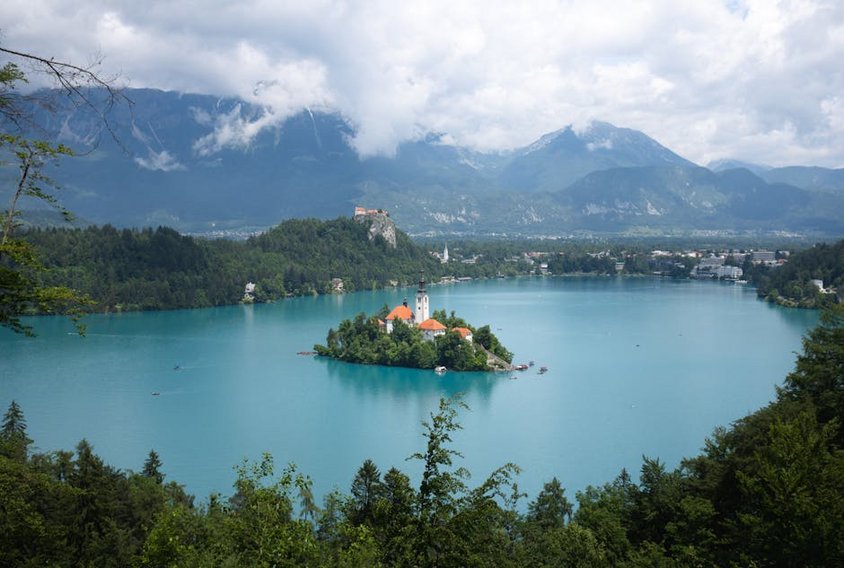
Lake Tour in Slovenia: Alpine Waters and Hidden Gems
A lake tour in Slovenia reveals a compact country packed with breathtaking aquatic landscapes, from the iconic emerald waters of Lake Bled to the tranquil, forest-rimmed shores of Lake Bohinj. These alpine jewels offer far more than picturesque views, providing opportunities for swimming, hiking, traditional boat rides, and exploring historic castles perched on cliffsides. This guide details the best routes, seasonal tips, and cultural experiences to craft your perfect Slovenian lake itinerary.
Slovenia’s Lake Country Essentials
Nestled in the Julian Alps and the Karst region, Slovenia’s lakes are primarily glacial in origin, creating their stunning colors and dramatic backdrops. The country’s small size means you can visit several major aquatic attractions within a short drive, making a dedicated lake-hopping journey highly rewarding. Understanding the geographical layout helps maximize your time between the mountainous northwest and the unique karst landscapes.
Public transportation connects major sites like Bled and Bohinj, but renting a car provides freedom to discover secluded spots like Lake Jasna or the mysterious Lake Cerknica. The local tourism infrastructure is well-developed, with clear signage, visitor centers, and a wide range of accommodations from farm stays to luxury hotels. English is widely spoken in tourist areas, simplifying navigation and bookings.
Key Regions and Lake Clusters
Focus your exploration on these primary areas, each with a distinct character.
- The Julian Alps: Home to the famous duo of Lake Bled and Lake Bohinj, this region offers classic alpine scenery with mountains like Triglav providing a dramatic backdrop, along with smaller gems like the twin Lake Jasna near Kranjska Gora.
- The Karst Region: Features unique intermittent lakes, most notably Lake Cerknica, which appears and disappears seasonally, creating a fascinating ecological phenomenon and a paradise for birdwatchers.
- Central Slovenia: Includes forested options like Lake Zbilje and the artificial Lake Ptuj on the Drava River, offering gentle, family-friendly surroundings less dominated by mountain peaks.
- Budget Traveler ($70-$100/day): Stay in hostels or guesthouses outside main hubs, use public buses, picnic with groceries from local markets, and focus on free hikes and swimming. Budget for park entry fees and an occasional coffee with a Bled cream cake.
- Mid-Range Traveler ($150-$220/day): Stay in a private room or 3-star hotel in Bled or Bohinj, rent a small car for flexibility, enjoy daily restaurant meals, and pay for key activities like a pletna boat ride and the Vogel cable car.
- Luxury Traveler ($350+/day): Stay at a 4-5 star lakeside hotel with a spa, hire a private guide for hiking or photography tours, enjoy fine dining with local wines, and perhaps book a private traditional boat.
- Slovenian Tourist Board (STB)
- Triglav National Park Public Institute
Understanding the Alpine Environment
Weather in the alpine region can change rapidly, even in summer. Afternoon thunderstorms are common, so it’s wise to start hikes and boat trips in the morning. Water temperatures in the glacial lakes remain brisk; Lake Bohinj’s surface rarely exceeds 68°F (20°C) even in August, making a quick dip refreshing rather than warm.
Respect for nature is paramount. Slovenia prides itself on its green policies, and staying on marked trails, carrying out all trash, and using designated swimming areas helps preserve these pristine environments. National park fees, like the one for Triglav National Park encompassing Bohinj, contribute directly to conservation efforts.
Historical and Cultural Context
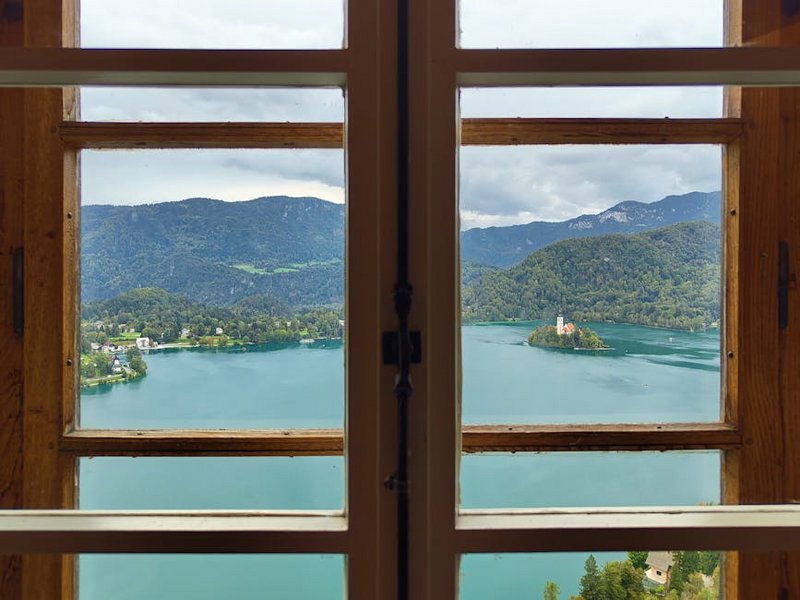
The lakes are deeply woven into local lore. Bled Island hosts a pilgrimage church where tradition says ringing its bell grants a wish. Bohinj, less commercialized, reflects a more authentic Alpine farming heritage. The creation of the artificial lakes, such as those for hydroelectric power, also tells a story of 20th-century development balanced with modern environmental consciousness.
Alt: “lake-bled-slovenia-island-church-alpine-background”
Lake Tour in Slovenia – Strategic Planning
Designing your lake tour in Slovenia requires balancing iconic stops with off-path discoveries. A minimum of five days allows a relaxed pace to experience Bled and Bohinj thoroughly while adding a day trip to the Karst. A week provides time for hiking, extended boat tours, and visiting smaller lakes like Jasna or Zbilje without feeling rushed.
Your budget will significantly shape the experience. While you can see the lakes for free from public viewpoints, the classic activities—like a pletna boat ride to Bled Island or a cable car up to Vogel Plateau above Bohinj—require tickets. Prioritizing these iconic experiences is recommended for first-time visitors.
Accommodation near the lakes books up months in advance for summer and the Christmas market season. For better rates and availability, consider towns a short drive away, like Radovljica or Skofja Loka, which offer their own charming historic centers. Always book your rental car early if visiting outside major cities.
Best Time for a Slovenian Lake Tour
The ideal window for a classic lake tour runs from late May through September. July and August offer the warmest weather, with averages of 75-80°F (24-27°C), guaranteeing swimmable conditions but also bringing peak crowds. This is when all services, boat rentals, and mountain cable cars operate at full capacity.
For a balance of good weather and smaller crowds, target the shoulder months of June and September. You’ll encounter daytime temperatures around 65-70°F (18-21°C), cooler nights, and vibrant green or early autumn foliage. Late autumn and winter are quiet and magical around Bled, especially if it snows, though some services close and mountain roads may require chains.
Budget Planning and Estimated Costs
Daily costs vary widely based on your travel style. Here’s a realistic breakdown for one person.
Essential Preparation Checklist
Packing should prepare you for variable mountain conditions and water activities. Essential items include sturdy, broken-in hiking shoes, a waterproof and windproof jacket, a swimsuit and quick-dry towel, and layers like fleece or merino wool. Don’t forget sunscreen, a reusable water bottle, and a European plug adapter (Type F).
Ensure your passport is valid for at least three months beyond your planned departure from the Schengen Area. U.S. and EU passport holders do not need a visa for stays under 90 days. Purchase comprehensive travel insurance that covers medical emergencies and activity-related cancellations. Reserve your rental car and major accommodation at least three to four months in advance for summer travel.
Top Lakes and Can’t-Miss Experiences
While Lake Bled captures the postcard image, Slovenia’s other lakes offer equally compelling, though different, charms. Each location provides a unique set of activities, from serene paddleboarding to exploring networks of hiking trails. Dedicating time to at least two different lakes will give you a fuller appreciation of the country’s diverse landscapes.
Beyond simple sightseeing, immerse yourself in local traditions. Taste the famous Bled cream cake at its source, learn about shepherding culture in Bohinj, or try to witness the unique hydrological cycle of an intermittent lake. Engaging with these stories transforms a scenic visit into a meaningful cultural experience.
Must-See Lake Highlights
Lake Bled is non-negotiable. Row or take a traditional pletna boat to the island, visit the 17th-century church, and then hike up to Bled Castle for the definitive panoramic view. Allow at least a full day here to walk the 3.5-mile shoreline path and potentially visit Vintgar Gorge nearby.
Lake Bohinj, located within Triglav National Park, is larger and more serene. Take the Vogel Cable Car for staggering views back over the lake, rent a rowboat or stand-up paddleboard, and hike a portion of the trail to Savica Waterfall. It feels more rustic and connected to nature than its famous neighbor.
For something utterly unique, visit Lake Cerknica in the Karst region. This intermittent lake is Europe’s largest of its kind, filling with water in autumn and spring to become a vast wetland, then disappearing in summer. It’s a haven for birdlife and offers a fascinating lesson in geology.
Hidden Gems and Local Favorites
Near the mountain resort town of Kranjska Gora, the twin Lake Jasna is a stunning, smaller alternative. Its crystal-clear, turquoise waters are framed by peaks and guarded by a statue of the Zlatorog, a mythical chamois. It’s perfect for a refreshing swim after hiking in the Vrsic Pass area.
Lake Zbilje, south of Ljubljana, is a favorite among locals for its relaxed, family-friendly atmosphere. The surrounding area is flat, ideal for cycling, and you can rent paddle boats or simply enjoy the grassy shores. It provides a lake experience without the alpine crowds or challenging terrain.
Seek out the small, tranquil Lake Kreda near Kamnik. Its striking milky-turquoise color comes from marl deposits, creating an almost tropical-looking scene against a forest backdrop. It’s a beautiful and often quiet spot for photography.
Water Activities and Adventures
Stand-up paddleboarding has exploded in popularity on Slovenia’s calmer lakes like Bled and Bohinj. Numerous rental shops offer hourly or daily rates, and early morning provides the calmest water for beginners. Guided SUP tours are also available for a different perspective.
For anglers, several lakes offer fishing opportunities requiring a permit, which can often be purchased on-site or at local tourist offices. Lake Bohinj is known for its lake trout. Always check local regulations and seasonal restrictions before casting a line.
Practical Travel and Logistics Guide
Navigating between the lakes is straightforward with a car, but efficient public bus connections link Ljubljana to Bled and Bohinj directly. Trains run from Ljubljana to Lesce-Bled station, requiring a short local bus transfer to reach the lake itself. For maximum flexibility to visit smaller lakes and trailheads, a rental car is the best option.
Accommodation ranges from lakeside splurges to charming rural guesthouses (turistična kmetija). Booking directly with a hotel or farm stay can sometimes secure a better rate or include breakfast with local products. Consider your priority: waking up to a lake view or having a more authentic, budget-friendly experience a short drive away.
| Accommodation Type | Best For & Features | Avg. Nightly Price (USD) |
|---|---|---|
| Lakeside Hotel (Bled) | Prime views, spa access, convenience; often includes breakfast and parking. | $180 – $350+ |
| Mountain Guesthouse (Bohinj) | Authentic alpine charm, home-cooked meals, family-run atmosphere. | $80 – $140 |
| City Hotel (Ljubljana) | Using the capital as a base, nightlife, cultural sites, easy bus connections to lakes. | $100 – $200 |
| Tourist Farm (Countryside) | Full cultural immersion, local food, interaction with hosts, excellent value. | $60 – $110 |