Kuala Lumpur Travel Guide: Exploring Malaysia’s Dynamic Capital
This comprehensive Kuala Lumpur travel guide provides the essential framework for navigating Malaysia’s vibrant capital city. You will discover a metropolis where futuristic skyscrapers coexist with colonial architecture and lush green spaces, offering a dynamic cultural experience. We cover everything from iconic landmarks and hidden food gems to practical logistics, helping you craft an efficient and enriching itinerary.
Essential Kuala Lumpur Information
Kuala Lumpur serves as Malaysia’s federal territory and economic heart, attracting visitors with its impressive skyline and cultural diversity. The city’s history dates to the 1850s with the tin mining boom, evolving rapidly into a major global hub. Understanding this blend of Malay, Chinese, and Indian influences is key to appreciating the local atmosphere and customs.
English is widely spoken, especially in tourist areas and businesses, making communication straightforward for international travelers. The local currency is the Malaysian Ringgit (MYR), and credit cards are accepted at most hotels, malls, and restaurants. However, carrying some cash remains useful for street markets, local eateries, and transportation like taxis.
Climate and Weather Patterns
KL experiences a tropical rainforest climate characterized by consistent warmth and high humidity year-round. Temperatures typically range from 75°F to 90°F (24°C to 32°C) daily. The city receives frequent, short, and intense rainfall, primarily during two monsoon seasons.
- The Southwest Monsoon from May to August brings drier weather, often considered the best time for outdoor sightseeing.
- The Northeast Monsoon from November to March results in heavier rainfall on the east coast, but KL still sees afternoon showers.
- Inter-monsoon periods in April and October feature unpredictable thunderstorms, so always carry a compact umbrella.
- Budget travelers can manage on $35-$50 USD per day by staying in hostels in Bukit Bintang, using public transit, and eating at hawker centers. Attractions like the Islamic Arts Museum and National Mosque are free.
- Mid-range visitors spending $80-$150 USD daily enjoy boutique hotels in KLCC, Grab rides, and sit-down restaurant meals. This budget allows for guided tours and entry to several major paid landmarks.
- A luxury experience from $250+ USD per day includes five-star hotels with pool views of the towers, fine dining, private drivers, and exclusive experiences like a private Batik painting class.
- Tourism Malaysia Official Website
- Lonely Planet Kuala Lumpur Guide
Visa and Entry Requirements
Citizens from the United States, United Kingdom, Canada, Australia, and most EU countries do not require a visa for tourist visits of up to 90 days. Your passport must be valid for at least six months beyond your date of entry into Malaysia. Immigration officers may ask for proof of onward travel and sufficient funds for your stay, though this is not always requested.
Always check the latest requirements with the Malaysian Immigration Department before departure, as policies can change. For longer stays or other purposes like business, you must apply for the appropriate visa in advance. Ensure you complete the Digital Arrival Card (MDAC) online within three days before your arrival for a smoother entry process.
Local Customs and Etiquette
Malaysian society is predominantly Muslim, and dressing modestly, especially when visiting religious sites, is a sign of respect. Both men and women should cover their shoulders and knees when entering mosques or temples. You will often be provided with robes or scarves at major religious attractions if needed.
When greeting someone, a simple handshake is common, though some Muslim women may prefer not to shake hands with men. Using your right hand for giving and receiving items, including money, is the proper etiquette. Public displays of affection are generally frowned upon, while punctuality is valued for meetings and tours.
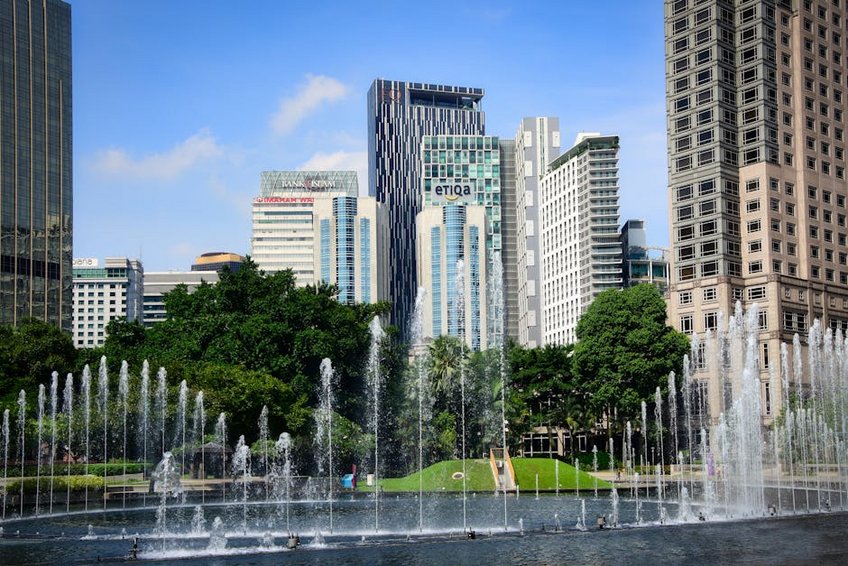
Alt: “kuala-lumpur-petronas-towers-sunset-skyline-view”
Kuala Lumpur Travel Guide – Planning Your Itinerary
Effective planning for Malaysia’s capital balances iconic landmarks with neighborhood exploration across several distinct districts. You need at least three full days to experience the major sites without feeling rushed. A five-day stay allows for a more relaxed pace, including day trips to the Batu Caves or a culinary tour.
Consider purchasing a Kuala Lumpur City Pass if you plan to visit multiple paid attractions like the KL Tower observation deck or Aquaria. The pass can offer significant savings on entry fees and includes hop-on-hop-off bus tours. Alternatively, focus on free attractions like the Petronas Twin Towers’ exterior, KL Forest Eco Park, and vibrant street markets to manage your budget.
Best Time to Visit Kuala Lumpur
The optimal period for a visit is between May and August during the drier Southwest Monsoon season. Daytime temperatures hover around 86°F (30°C) with lower humidity and less frequent rain, ideal for climbing the Batu Caves steps or exploring outdoor markets. This period avoids major regional holidays, resulting in more manageable crowd levels at popular attractions.
Shoulder seasons in March-April and September-October offer slightly lower hotel rates but come with a higher chance of afternoon thunderstorms. The festive months of December and January see more tourists and higher prices due to year-end holidays. However, visiting during Ramadan offers a unique cultural experience with vibrant night markets after sunset.
Budget Planning and Costs
Daily costs in KL vary dramatically based on your travel style and accommodation choices. The city caters exceptionally well to budget-conscious travelers while offering world-class luxury.
Essential Preparation Checklist
Pack lightweight, breathable cotton or linen clothing to manage the heat and humidity effectively. Include a light sweater or shawl for overly air-conditioned malls and a compact, travel-sized umbrella for sudden downpours. Comfortable walking shoes with good grip are non-negotiable for navigating the city’s varied terrain and marble floors.
Ensure you have a universal travel adapter (Type G plugs are standard in Malaysia) and a portable power bank for your devices. Download essential apps before you arrive: Grab for ride-hailing, Google Maps for navigation, and the KL Transit app for train schedules. Purchase comprehensive travel insurance that covers medical emergencies and trip interruptions related to monsoon weather.
Top Attractions and Must-See Landmarks
KL’s skyline is dominated by architectural marvels that tell the story of its rapid development. The Petronas Twin Towers, once the world’s tallest buildings, remain the city’s most iconic symbol. Meanwhile, historical sites like Merdeka Square and the Sultan Abdul Samad Building showcase its colonial past.
Beyond the steel and glass, the city offers lush escapes like the Perdana Botanical Gardens and the KL Bird Park. Each district provides a different vibe, from the bustling street food stalls of Jalan Alor to the high-end shopping malls of Bukit Bintang. Balancing these contrasting elements creates a well-rounded visit.
Iconic Architectural Wonders
The Petronas Twin Towers offer a Skybridge and observation deck on the 86th floor with breathtaking city views. Tickets are limited and sell out quickly, so book online at least a week in advance for your preferred time slot. Visit just before sunset to see the city transition from day to night, when the towers themselves begin to glow.
Menara KL Tower features a higher observation deck than the Petronas and includes a thrilling glass-bottomed Sky Box section. The tower complex also houses a cultural village, a small aquarium, and revolving restaurants. For the best photo of both the towers and the KL Tower together, head to the public park near the Saloma Link bridge at dusk.
Cultural and Historical Sites
The Batu Caves, located just north of the city center, are a stunning Hindu temple complex within limestone caves. The central attraction is the massive golden statue of Lord Murugan and the 272 colorful steps leading to the Cathedral Cave. Time your visit for early morning to avoid the intense heat and large crowds, and be mindful of the resident macaque monkeys.
In the city center, the Islamic Arts Museum Malaysia houses one of the world’s most impressive collections of Islamic decorative arts. Nearby, the National Mosque (Masjid Negara) is an architectural masterpiece of modern design, open to respectful visitors outside prayer times. Merdeka Square, where Malaya declared independence, is surrounded by historical buildings like the Royal Selangor Club.
Gardens and Green Spaces
The KL Forest Eco Park, one of the oldest permanent forest reserves in Malaysia, offers canopy walks right in the heart of the city. It provides a cool, shaded respite from the urban bustle and surprising wildlife sightings. Perdana Botanical Garden (Lake Gardens) is a larger, sprawling complex perfect for a leisurely stroll, featuring a hibiscus garden, orchid garden, and deer park.
For a unique experience, visit the KL Bird Park in the Lake Gardens area, acclaimed as the world’s largest free-flight walk-in aviary. You can walk among thousands of birds from over 200 species in a simulated natural environment. Another peaceful spot is the ASEAN Sculpture Garden, which combines art and nature with works from Southeast Asian artists.
Practical Travel and Transportation
Navigating Kuala Lumpur is efficient thanks to its integrated public transit system, which includes the MRT, LRT, Monorail, and commuter rail lines. Purchasing a Touch ‘n Go card is the most convenient way to pay for all public transportation, including buses and some highway tolls. The city is also very walkable in certain districts like Bukit Bintang and KLCC, which are connected by covered walkways.
Ride-hailing services like Grab are ubiquitous, affordable, and often more convenient than hailing a taxi, especially during peak rain showers. For a unique perspective, try the free GoKL city bus service that loops through major tourist areas. Traffic congestion is common during rush hours (7:30-9:30 AM and 5:00-8:00 PM), so plan your cross-town movements accordingly.
| Accommodation Area | Best For | Price Range (USD/Night) |
|---|---|---|
| Bukit Bintang | Shopping, nightlife, central location, food streets | $50 – $150+ |
| KLCC (Near Petronas) | Luxury stays, iconic views, fine dining, business travelers | $120 – $400+ |
| Chinatown (Petaling Street) | Budget travelers, street markets, hostel culture, street food | $20 – $80 |
| Bangsar | Upscale local vibe, trendy cafes, boutique shopping, expat area | $70 – $200 |