Kazakhstan Nowruz Spring Equinox Celebration
The Kazakhstan Nowruz Spring Equinox is a vibrant festival marking nature’s renewal and the start of the Persian New Year. This ancient celebration, observed around March 21st, transforms cities and villages with colorful street performances, traditional music, and the rich aroma of festive foods. Your visit offers a profound connection to Central Asian heritage, blending millennia-old customs with modern Kazakh hospitality for a truly unique cultural immersion.
Essential Information on Nowruz
Nowruz, meaning “new day,” is a Zoroastrian-rooted holiday celebrating the vernal equinox and the arrival of spring. In Kazakhstan, it was revitalized after independence and is now a major public holiday from March 21st to 23rd. The festival symbolizes rebirth, fertility, and the triumph of light over darkness, deeply embedded in the nation’s nomadic soul.
Celebrations officially begin when the sun crosses the celestial equator, with festivities concentrated in major squares like Almaty’s Republic Square and Astana’s Nurzhol Boulevard. The holiday fosters unity, forgiveness, and hope, with families cleaning their homes and settling debts before the new year. This preparation, called “Khome Tekhnu,” is considered essential for welcoming good fortune.
Historical Roots and Significance
Nowruz has been celebrated for over 3,000 years, originating in the Fertile Crescent and spreading along the Silk Road. For Kazakhs, it historically signaled the start of migrations to summer pastures (zhailau) and was a time for communal gathering after winter isolation. Soviet authorities banned the celebration in 1926, viewing it as a religious symbol, but it survived in rural communities.
- The holiday was officially reinstated in Kazakhstan in 2001, becoming a non-working day that strengthens national identity and cultural revival.
- UNESCO inscribed Nowruz on its Representative List of Intangible Cultural Heritage of Humanity in 2009, recognizing its value across twelve countries.
- Key symbols include fire (purification), water (life), and sprouting wheatgrass (rebirth), each representing core elements of the natural world.
- Budget Traveler ($40-60 USD/day): Stay in hostels or guesthouses, use public buses (approx. $0.30 per ride), and eat at local chaikhanas (tea houses) and festival food stalls. Focus on free public events and walking between venues. This budget requires booking accommodation six months in advance.
- Mid-Range Explorer ($80-120 USD/day): Book 3-4 star hotels or boutique B&Bs, use Yandex Taxi for convenience, dine at mid-tier restaurants for one meal and festival food for others, and join a half-day guided cultural tour. This offers the best balance of comfort and immersion.
- Luxury Experience ($200+ USD/day): Stay at five-star hotels like The Ritz-Carlton in Almaty, hire a private driver-guide for the festival duration, enjoy gourmet meals with traditional interpretations, and secure VIP access or special invitations to curated cultural events.
- Official Tourism Portal of Kazakhstan – Nowruz
- UNESCO Intangible Cultural Heritage – Nowruz Entry
Core Traditions and Customs
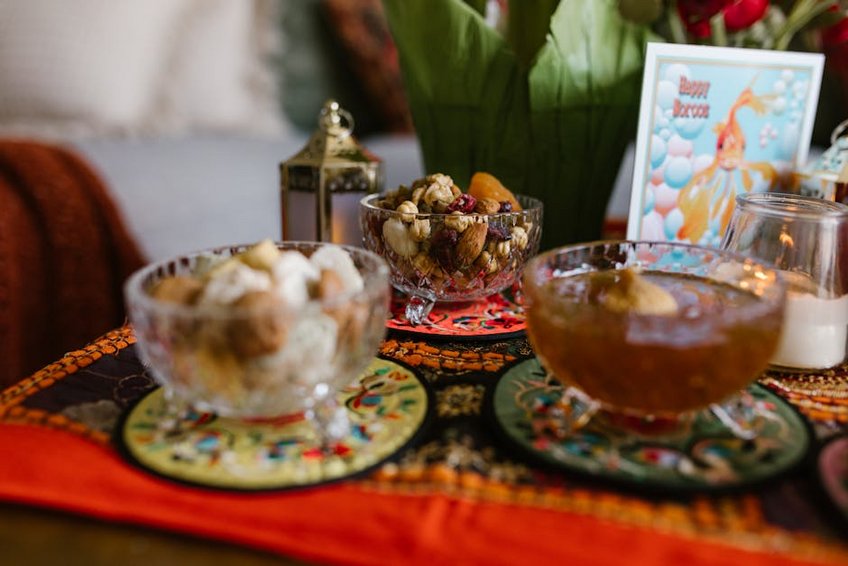
The centerpiece of any Nowruz celebration is the “Dastarkhan,” a lavish festive table. It is always spread with a white cloth and holds seven symbolic dishes (all starting with the Kazakh letter “S” or “Sh”), known as “Haft Sin” in Persian tradition. These include sumalak (a wheat germ pudding), sud (milk), and shish kebabs, representing prosperity, purity, and renewal. Preparing sumalak is a communal all-night event where women sing traditional songs while stirring the paste.
Another vital tradition is visiting friends and family, where younger people receive blessings from elders. People wear new clothes, often traditional Kazakh attire like the “shapan” robe, to symbolize a fresh start. Public events feature kokpar (horseback wrestling), altybakan (a large swing), and performances by “akyns” (improvisational poets).
Modern Celebrations Across Kazakhstan
In contemporary Kazakhstan, the festival has evolved into a large-scale national event. Almaty hosts the most elaborate celebrations, with a grand opening ceremony at the Republic Square featuring thousands of performers. Astana (Nur-Sultan) focuses on high-tech light shows and concerts alongside traditional elements, showcasing the country’s forward-looking vision.
Smaller towns and villages offer a more intimate, authentic experience. In places like Shymkent or Turkistan, celebrations feel deeply communal, with whole neighborhoods participating in cooking and games. The blend of ancient ritual and modern spectacle makes this spring equinox festival a fascinating window into the Kazakh spirit.
Alt: “almaty-republic-square-nowruz-festival-crowd-traditional-costumes”
Kazakhstan Nowruz Spring Equinox – Planning Your Trip
Attending the Kazakhstan Nowruz Spring Equinox requires careful timing, as the main public festivities last three days but preparations begin weeks earlier. You should book international flights to Almaty (ALA) or Nursultan Nazarbayev International Airport (NQZ in Astana) at least three to four months in advance, as this is a peak travel period for diaspora Kazakhs returning home. Accommodation in central districts sells out quickly, especially near main event squares.
Your budget must account for seasonal price increases; expect hotel rates to be 30-50% higher than the winter average. While the festival itself is free to attend, costs include transportation between event venues, food from street stalls and restaurants, and possibly guided cultural tours. A mid-range daily budget of $80-120 USD per person covers comfortable lodging, meals, and local travel.
Successful participation hinges on embracing spontaneity within the structured festival program. Official events are well-publicized, but the most memorable moments often occur in side streets where local families celebrate. Learning a few basic Kazakh or Russian phrases for greetings and thanks will greatly enhance your interactions and show respect for the culture.
Best Time to Visit for Nowruz
The absolute best time to visit is the week surrounding March 21st, with the core festival dates from March 21-23. Daytime temperatures in Almaty during this period range from 46-59°F (8-15°C), though evenings can drop to 32°F (0°C). The weather is typically crisp and sunny, but late spring snow is possible, especially in the northern regions around Astana.
Arriving two to three days before March 21st lets you witness preparatory rituals and avoid the largest opening-day crowds. The shoulder season of late March to early April offers pleasant weather for broader Kazakhstan travel after the festival concludes. Early March is less ideal, as pre-festival activities are limited and the atmosphere hasn’t yet built.
Budget Planning and Costs
Your costs will vary significantly based on travel style and city choice. Almaty and Astana are more expensive, while regional centers offer lower prices.
Essential Preparation Checklist
Pack layered clothing for variable spring conditions: a warm coat, waterproof boots, sweaters, and a traditional scarf or hat for respect at cultural sites. Essential gear includes a power adapter (Type C/F, 220V), a local SIM card from Kcell or Tele2 for maps and translations, and a reusable water bottle. Comfortable walking shoes are non-negotiable for navigating festival crowds.
Required documentation includes a passport valid for six months beyond your stay. U.S. and EU passport holders do not need a visa for visits up to 30 days. Purchase comprehensive travel insurance that covers medical evacuation. Book all major accommodation and internal flights at least three months prior, as this is a peak domestic travel period.
Top Festive Experiences and Activities
The Nowruz spring equinox celebration offers a packed schedule of unique cultural encounters. From grand public spectacles to intimate family gatherings, the festival operates on multiple levels simultaneously. You can watch elaborate theatrical performances in the morning, join a communal cooking session in the afternoon, and enjoy an open-air concert under the stars at night.
Key activities are designed for participation, not just observation. Visitors are often warmly invited to help stir the sumalak, take a ride on a decorated altybakan swing, or try their hand at national games. This interactive spirit breaks down barriers between locals and travelers, creating genuine connections. The energy is one of shared joy and community pride.
Must-See Highlights and Events
Do not miss the official opening ceremony, usually held on the morning of March 21st at a city’s main square. It features parades, folk dancing from various ethnic groups in Kazakhstan, and dramatic performances recounting the legend of Nowruz. In Almaty, the procession along Tole Bi Street towards Republic Square is a photographer’s dream, filled with vibrant costumes.
The “Ultyk Saryn” (National Feast) is another cornerstone, where long tables in parks are laden with food for the public. Visiting the “Kyz Kuu” (“Catch the Girl”) equestrian games provides thrilling insight into nomadic culture. Evening concerts with famous Kazakh pop and folk singers draw massive crowds and showcase modern national identity.
Hidden Gems and Local Interactions
For an authentic experience, venture into residential neighborhoods like Almaty’s Alatau district or the Old Town in Shymkent. Here, you might see families setting up small swings for children in their courtyards or sharing “Nauryz kozhe,” a special festive soup, with neighbors. These moments reflect the holiday’s true domestic spirit.
Seek out smaller “yurt villages” temporarily erected in city parks. These are often run by cultural associations and offer more hands-on activities like felt-making or dombra (traditional lute) lessons than the main stages. Visiting a local bazaar in the days before Nowruz reveals the hustle of holiday shopping, with vendors selling new clothes, nuts, and sweets for the Dastarkhan.
Cultural Workshops and Learning
Several organizations run short workshops during the festival period. You can learn to cook traditional dishes like baursak (fried dough) or beshbarmak, create simple Kazakh embroidery, or understand the rules of intellectual board games like Toguz Kumalak. These workshops provide deeper context and make for meaningful souvenirs.
The Central State Museum in Almaty and the National Museum in Astana host special Nowruz-themed exhibitions explaining the holiday’s history and artifacts. These indoor activities offer a valuable, crowd-free respite while still engaging with the festival’s cultural foundations. Check their schedules for guided tours in English.
Practical Travel and Logistics
Navigating Kazakhstan during the Nowruz spring equinox festival is straightforward with basic planning. The public transportation systems in Almaty and Astana are efficient, with buses, trolleybuses, and the Almaty metro running extended hours during the holiday. However, expect significant crowding and delays on routes passing near major event venues. Rideshare apps like Yandex Go are reliable and affordable for direct point-to-point travel.
Accommodation ranges from Soviet-era hotels to modern international chains, with pricing heavily influenced by proximity to celebration epicenters. Staying within 2-3 kilometers of the main city square (like Almaty’s Republic Square) maximizes your walking access to events but comes with noise and higher costs. Neighborhoods a metro ride away offer quieter stays and better value.
| Accommodation Type | Best For | Price Range (USD/Night) |
|---|---|---|
| Hostels & Guesthouses | Budget solo travelers, social atmosphere, central locations. | $15 – $35 |
| Mid-Range Hotels (3-4 Star) | Couples/families, comfort, reliable amenities, often include breakfast. | $60 – $120 |
| Serviced Apartments | Small groups or longer stays, self-catering, more space. | $80 – $150 |
| Luxury Hotels (5 Star) | Premium service, prime locations, spa facilities, concierge assistance. | $180 – $400+ |