

Solo Camping Safety: Your Complete Guide to Adventure Preparedness
Venturing into the wilderness alone requires thoughtful preparation and respect for nature’s unpredictability. Solo camping safety hinges on planning, proper gear, and situational awareness, transforming potential risks into manageable elements of your adventure. This guide provides the actionable knowledge you need, from campsite selection to emergency protocols, ensuring your time alone in nature remains empowering and secure.
Understanding the Solo Camping Experience
Camping by yourself offers profound solitude and self-reliance unmatched by group trips. You control the itinerary, pace, and experience entirely, allowing for deep connection with your surroundings. This independence demands greater personal responsibility across all aspects of the journey.
Successful solo ventures balance the freedom of solitude with structured planning. You become navigator, chef, and safety officer simultaneously, developing skills that translate beyond the trail. The mental challenge often proves as significant as the physical one, building resilience and confidence through direct problem-solving.
Key Benefits and Considerations
Weighing these factors helps determine if a solo trip aligns with your goals and experience level.
- Complete schedule flexibility allows spontaneous decisions based on weather, energy, or discovered points of interest without group consensus.
- Enhanced self-reliance skills develop rapidly as you manage all camp tasks, navigation, and risk assessment independently during your outing.
- Potential isolation risks require mitigation plans, including scheduled check-ins and carrying emergency communication devices at all times.
- Essential Safety Gear ($200-$350): Satellite messenger ($150-$300 annual subscription included), comprehensive first-aid kit ($30-$50), reliable headlamp with extra batteries ($25-$40), and emergency shelter like a bivy sack ($50-$80). These items are non-negotiable for remote solo travel.
- Comfort and Security Upgrades ($150-$250): Higher-quality tent with better weather protection ($200-$400), insulated sleeping pad with higher R-value ($80-$150), camp security items like a personal alarm ($20-$40), and water treatment backup system ($60-$90). These enhance safety through better rest and situation control.
- Luxury Safety Investments ($300+): Personal locator beacon with GPS ($250-$400), satellite phone for unlimited communication ($500+ plus airtime), guided skills course before your trip ($200-$400), and premium navigation tools like a GPS watch with topographic maps ($300-$600). These provide maximum reassurance for extended remote expeditions.
- National Park Service Solo Travel Resources
- REI Expert Advice on Solo Camping
- Leave No Trace Center for Outdoor Ethics
Risk Assessment Fundamentals
Objectively evaluating potential hazards forms the foundation of any safe solo expedition. Consider terrain difficulty, wildlife activity, weather patterns, and your own physical limits before selecting a destination. Research trip reports from other solo hikers for specific trail conditions and challenges.
Always share your detailed itinerary, including trailhead location, planned route, and expected return time, with at least two reliable contacts. Establish clear check-in protocols, specifying what actions they should take if you miss a communication window. This simple step significantly improves your safety margin in remote areas.
Psychological Preparation for Solitude
Managing the mental aspect is crucial for first-time solo campers. Practice spending a full day alone in a familiar, safe natural area to acclimate to the silence and self-dialogue. Many find journaling or photography helpful for structuring time and processing the experience.
Familiarize yourself with common anxiety triggers like night sounds or navigational uncertainty. Develop coping strategies beforehand, such as breathing exercises or having an audiobook ready for camp evenings. Remember that feeling initially uncomfortable is normal and usually passes as you settle into the rhythm of solo travel.
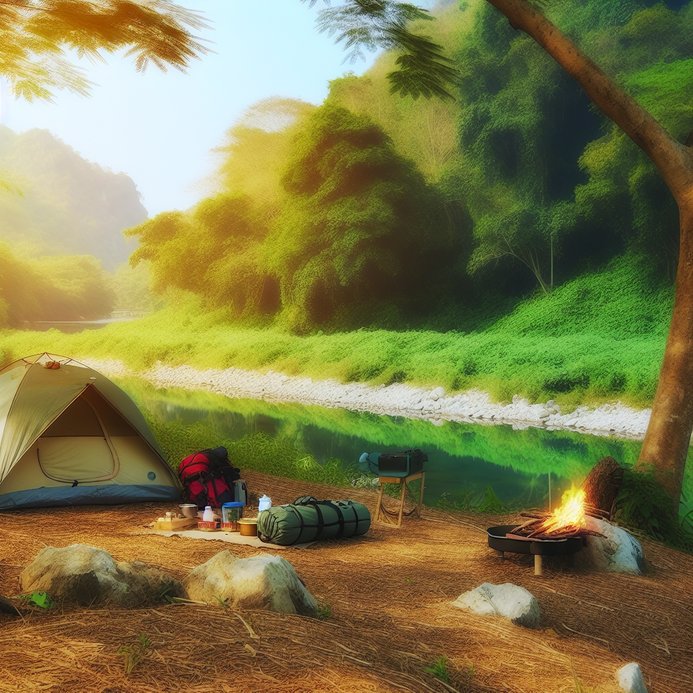
Alt: “solo-camper-pitching-tent-forest-sunset-safety-gear”
Solo Camping Safety – Planning Your Trip
Meticulous preparation separates concerning trips from confident adventures. Begin your solo camping safety plan by choosing an appropriate destination matching your current skill level—opt for a familiar park or well-maintained frontcountry site for your first independent overnight. Reserve your campsite early, confirming regulations about solo occupancy and any permit requirements for the area.
Budget realistically for necessary safety gear, allocating funds for a reliable satellite communicator, quality first-aid kit, and proper shelter. Costs for a safely equipped solo trip typically start around $300-$500 for essential gear, excluding consumables like food and fuel. Invest in durability over price for critical items like your sleep system and rain protection.
Study your chosen location using multiple sources: official park maps, recent trail condition reports, and weather history for your planned dates. Identify potential exit routes and emergency access points along your itinerary. Contact ranger stations for current advisories about wildlife activity, fire restrictions, or trail closures affecting your plans.
Best Time to Visit for Solo Campers
Opt for late spring through early fall in most temperate regions, specifically targeting May-June or September-October for ideal conditions. Daytime temperatures typically range from 60-75°F (15-24°C) with cooler nights around 45-55°F (7-13°C), minimizing weather-related risks. These shoulder seasons offer moderate weather with fewer visitors than peak summer months.
Early autumn provides particularly stable conditions with diminishing insect populations and vibrant foliage. Avoid planning your first solo trip during extreme heat waves, monsoon seasons, or early spring thaw periods when trails become muddy and river crossings dangerous. Check historical weather data for your specific destination rather than relying on regional averages.
Budget Planning and Safety Gear Costs
Prioritize safety investments within your overall trip budget using this tiered approach.
Essential Preparation Checklist
Complete these tasks at least one week before your departure date. Test all electronic devices fully, including your satellite communicator, headlamp, phone battery pack, and camera batteries. Confirm you have proper charging cables and that all devices hold expected charge durations.
Pack your first-aid kit with any personal medications, plus blister treatment, antiseptic wipes, bandages, and pain relievers. Include a printed emergency contact list and copies of your ID/insurance cards in a waterproof bag. Practice setting up your tent and using your stove at home to avoid field difficulties.
Top Safety Practices and Campsite Protocols
Implementing consistent safety habits reduces risks throughout your journey. Select established campsites whenever possible, avoiding fragile ecosystems and staying at least 200 feet from water sources according to Leave No Trace principles. Arrive with at least two hours of daylight remaining to properly assess the site and set up camp without rushing.
Conduct a thorough site inspection for overhead hazards like dead branches (widowmakers), insect nests, and evidence of recent animal activity. Look for natural drainage patterns to avoid flash flood risk in rain. Position your tent on level ground free of rocks and roots, with the door oriented away from prevailing winds for comfort and weather protection.
Must-See Safety Considerations
Water safety demands multiple treatment methods—always carry a filter plus chemical backup like iodine tablets. Collect water from flowing sources rather than stagnant ponds, and avoid drinking from streams near agricultural areas or downstream of campsites. Store at least one liter more than you anticipate needing for unexpected delays.
Fire safety requires knowing current regulations before striking a match. Use established fire rings when permitted, keep flames small and manageable, and never leave fire unattended. Fully extinguish with water until all embers are cold to the touch. In high-risk areas, consider a portable camp stove as a safer cooking alternative.
Navigation safety involves carrying a physical map and compass as primary tools, with GPS as backup. Mark waypoints at trail junctions and notable landmarks. Note your pace to estimate travel times accurately, and turn back before reaching 50% of your daylight or energy reserves to maintain safety margins.
Wildlife Safety and Food Storage
Proper food management prevents dangerous animal encounters in camp. Use bear-resistant containers or proper hanging methods where required, storing all scented items (including toiletries) with your food. Cook and eat at least 100 yards downwind from your sleeping area to avoid attracting wildlife to your tent.
Familiarize yourself with local wildlife behavior—know how to identify fresh tracks, scat, and other signs of recent activity. Carry bear spray in appropriate regions and keep it accessible, not buried in your pack. Make normal noise while hiking to avoid surprising animals, but avoid shouting or other aggressive behaviors.
Weather Preparedness and Emergency Shelter
Monitor forecasts using your satellite device but prepare for sudden changes regardless. Pack layers for a 20-degree Fahrenheit (11°C) range beyond predicted temperatures. Your rain gear should include waterproof jacket, pants, and pack cover, tested before your trip for seam integrity.
Identify natural shelter options along your route—rock overhangs, dense tree stands, or trailside shelters. Carry an emergency bivy or space blanket as ultralight backup shelter. If caught in lightning, avoid ridges, solitary trees, and open areas; crouch low in a depression if no substantial shelter exists.
Practical Travel and Gear Information
Transportation logistics require special consideration for solo travelers. If driving to a trailhead, park in designated areas and avoid leaving valuables visible in your vehicle. Note your parking spot location coordinates and share them with your emergency contacts. Consider hiring a shuttle service for point-to-point hikes to avoid leaving a car unattended for extended periods.
Accommodation choices vary from developed campgrounds with hosts to dispersed backcountry sites. Frontcountry campgrounds offer greater security through proximity to other campers and often have cell service. Backcountry sites provide solitude but demand comprehensive self-sufficiency and emergency planning.
| Camping Type | Safety Features | Recommended Experience Level |
|---|---|---|
| Developed Campground | Host presence, potable water, emergency access, other campers nearby | First-time solo campers |
| Designated Backcountry Site | Established location, sometimes bear boxes, defined tent pads | Intermediate with navigation skills |
| Dispersed Wilderness | Complete solitude, requires water treatment, minimal infrastructure | Advanced with emergency training |
| Hut or Shelter Systems | Four walls, sometimes caretaker, shared space with other hikers | All levels depending on location |


