Historic Lighthouses in Turkey: A Guide to Coastal Beacons
Turkey’s historic lighthouses stand as stoic sentinels along a coastline spanning over 4,300 miles, guiding maritime traffic past dramatic cliffs and into ancient harbors. These structures blend architectural beauty with deep maritime history, offering unique visits far from crowded tourist paths. This guide explores the most significant coastal beacons, providing practical advice for planning your journey to these timeless landmarks.
Essential Lighthouse History in Turkey
Turkey’s lighthouse network dates primarily to the Ottoman Empire’s 19th-century modernization. The Imperial Lighthouse Administration, established in 1855, began constructing stone towers using French engineering expertise. Many original Fresnel lenses from that era remain operational today.
These navigational aids protected vital sea routes connecting the Black Sea to the Mediterranean. They witnessed empire changes, world wars, and the dawn of automated navigation. Their continued operation represents a living heritage of maritime safety.
Today, over 450 lighthouses dot the Turkish coast, with roughly fifty holding historical designation. While many are automated and closed, a growing number welcome visitors for tours or overnight stays. Their preservation tells a story of technological progress and enduring duty.
Key Architectural Styles and Eras
Turkish lighthouse architecture reflects the empire’s technical collaborations. Three distinct periods define their construction and design evolution across the coastline.
- Ottoman-French Collaboration (1850s-1890s): Characterized by elegant cut-stone towers, often with keeper’s houses attached, featuring neoclassical details and imported ironwork. The Maiden’s Tower in Istanbul and Şile Lighthouse are prime examples.
- Early Republican Period (1920s-1950s): Simpler, robust concrete or stone towers built for functionality. Design focused on resilience, with less ornate keeper quarters. Lighthouses like İnceburun represent this pragmatic era.
- Modern Automation Era (1960s-Present): Standardized cylindrical concrete towers built for easy maintenance and equipment housing. These lack traditional keeper dwellings but ensure reliable, unmanned operation along more remote shores.
- Budget Traveler ($50-80/day): Rely on intercity buses, local dolmuş minibuses, and guesthouses. Focus on accessible lighthouses near cities like Istanbul, Çanakkale, or İzmir. Museum entry fees are low, and self-catering keeps food costs manageable.
- Mid-Range Explorer ($100-180/day): Rent a car for flexibility ($30-50/day) to reach remote sites. Stay in boutique hotels or converted keeper’s houses. Enjoy meals at local seafood restaurants and book guided tours where available for historical context.
- Luxury Coastal Tour ($250+/day): Hire a private driver-guide for seamless regional travel. Stay in luxury hotels in Bodrum or Çeşme, taking day trips by private boat or car to coastal beacons. Chartering a gulet yacht for an Aegean lighthouse cruise represents the premium experience.
- Turkish Ministry of Culture and Tourism
- Deniz Haber Ajansı (Maritime News Agency)
- Piri Reis University Maritime Museum
The Role of Lighthouse Keepers
Lighthouse keeping was a revered, isolated profession passed through families. Keepers maintained the light, recorded weather data, and assisted ships in distress. Their daily logs provide invaluable historical climate records.
Life at a remote station meant self-sufficiency, with families tending gardens and raising animals. Automation in the late 20th century ended this tradition, turning many dwellings into museums or guesthouses. Their stories are central to the cultural appeal of these sites.
Navigational Technology Evolution
The technology within these towers charts a course through maritime history. Early oil lamps with parabolic mirrors were replaced by kerosene systems in the late 1800s. The introduction of Fresnel lenses created powerful, focused beams visible for over 20 nautical miles.
Electrification began in major ports during the 1950s. Today, solar panels power LED lights and automated fog signals. Many historic lenses remain on display, showcasing exquisite glasswork and precision engineering from a bygone era.
Alt: “sile-lighthouse-turkish-black-sea-coast-stone-tower”
Historic Lighthouses in Turkey – Planning Your Coastal Journey
Creating an itinerary for Turkey’s historic lighthouses requires strategic routing, as they are spread across three different seas. Focus on one coastal region per trip, such as the Black Sea or the Aegean, to maximize your time. Road conditions vary, so renting a sturdy vehicle is advisable for reaching remote locations.
Accessibility differs greatly between sites. Some lighthouses operate as museums with regular hours, while others are only viewable from a distance or require special permission. Checking the official status of each beacon before traveling is essential. Contact local tourism offices for the latest visitor information.
Your budget must account for regional travel, as domestic flights or long drives connect the coasts. Entry fees for museum lighthouses are nominal, often under $5 USD. The real investment is time and transportation to reach these spectacular, off-the-beaten-path landmarks.
Best Time to Visit Turkish Lighthouses
The ideal visiting period is from late April to early June and September to October. During these months, daytime temperatures range from 65-80°F (18-27°C) with minimal rainfall, making coastal driving and photography pleasant. Summer crowds are also absent, allowing for peaceful exploration.
July and August bring intense heat, often exceeding 95°F (35°C), and crowded coastal roads. Winter visits from November to March can be rewarding for dramatic seascapes but involve challenging weather. Strong winds and rain may restrict access to peninsulas and cause rough seas, limiting ferry-dependent visits.
Budget Planning and Costs
A lighthouse-focused trip can be tailored to different spending levels. Costs fluctuate based on your chosen region and accommodation style.
Essential Preparation Checklist
Pack for variable coastal conditions. Include sturdy walking shoes for rocky paths, windproof layers, a sun hat, and high-SPF sunscreen. A quality camera, binoculars for distant viewing, and a detailed regional road map are crucial. A power bank ensures your navigation apps stay charged.
Secure an International Driving Permit if renting a car. Purchase comprehensive travel insurance covering rural road travel. For lighthouses operating as museums, check their seasonal opening days and hours online. Book rental cars and key accommodations well in advance for summer or holiday periods.
Top Turkish Lighthouses to Explore
From the bustling Bosphorus to remote Anatolian capes, these structures offer unparalleled views and history. Each region presents a different character, from the pine-clad Black Sea coast to the arid cliffs of the Mediterranean. Prioritizing which beacons to visit depends on your route and interests.
Several lighthouses have been adaptively reused, offering unique stays. Others remain active but inaccessible, best admired from scenic viewpoints. The following selections represent the most historically significant and visitable sites across the country.
Must-See Lighthouse Highlights
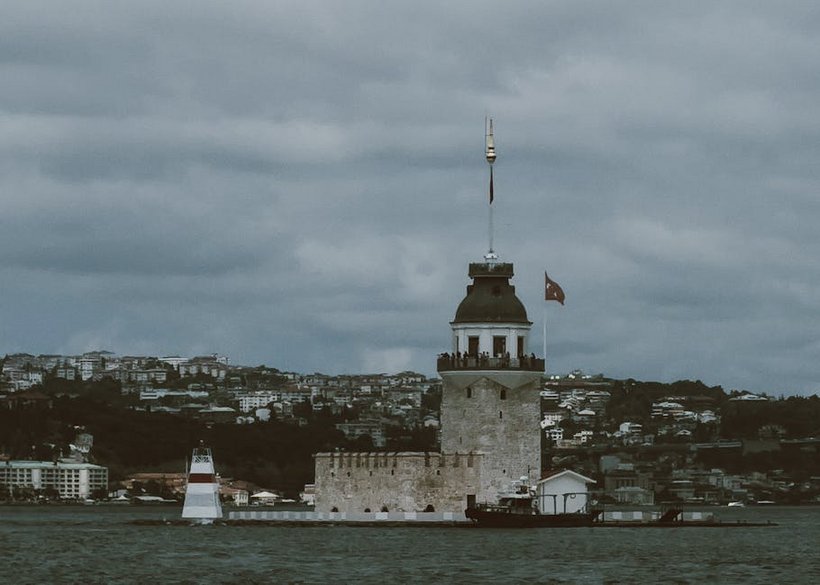
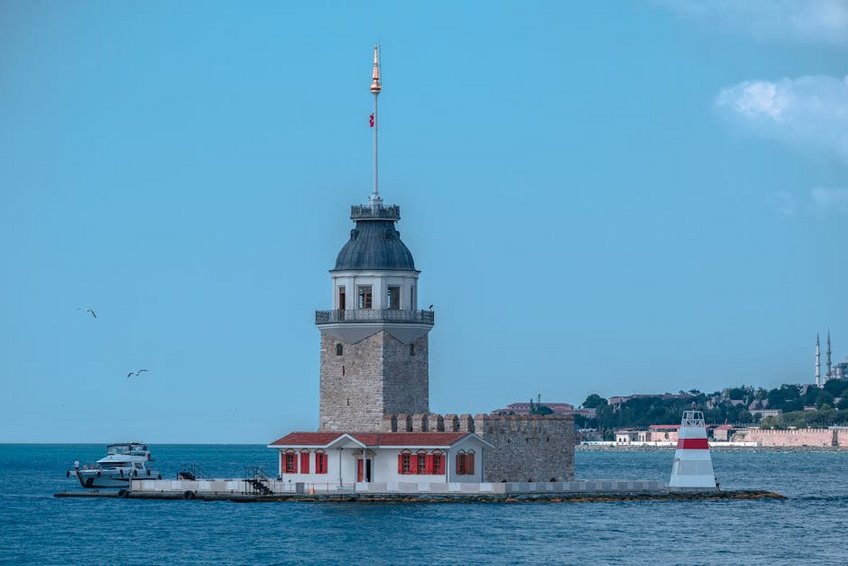
The Maiden’s Tower (Kız Kulesi) in Istanbul is an iconic symbol. Sitting on a tiny islet in the Bosphorus, its history spans over 2,500 years. While the tower itself has limited interior access, boat tours circle it regularly. Views of the Istanbul skyline from the water are spectacular.
Şile Lighthouse, on the Black Sea north of Istanbul, is Turkey’s tallest and one of its most picturesque. The 19-meter stone tower and attached keeper’s house are beautifully preserved. The surrounding cliffs and public park make it a perfect day trip destination with ample photo opportunities.
İnceburun Lighthouse claims the title of Turkey’s northernmost point. This isolated tower on Sinop’s rugged cape offers breathtaking, windswept vistas. The drive there through coastal villages is an adventure. Its stark, functional beauty epitomizes the lonely duty of a maritime beacon.
Hidden Gems and Coastal Treasures
Babakale Lighthouse sits at Asia’s westernmost tip, near the ancient site of Assos. The small village offers authentic tranquility, and the lighthouse provides stunning sunset views over the Aegean. It’s an ideal stop on a slower coastal road trip between Çanakkale and Ayvalık.
On the Mediterranean, Taşucu Lighthouse in Mersin guards the entrance to a busy harbor. The adjacent old town has charming fish restaurants. This area is less frequented by international tourists, offering a glimpse into local maritime life alongside the historical structure.
For a unique experience, seek out Hoşköy Lighthouse on the Gallipoli peninsula. This rare, manually operated lighthouse requires the keeper to wind a clockwork mechanism every few hours. Visiting here connects you directly to the timeless ritual of lightkeeping.
Lighthouses with Overnight Stays
Several decommissioned beacons now offer accommodation. Alanya Lighthouse keeper’s house has been converted into a boutique guesthouse. Waking up inside the historic walls with panoramic sea views is unforgettable. Booking must be made far in advance due to limited space.
Similarly, the keeper’s quarters at Fenerbahçe Lighthouse on Istanbul’s Asian side have been transformed into a charming cafe and event space. While not for overnight stays, it provides a rare chance to enjoy coffee within a fully functional historic light station.
Practical Travel and Logistics
Navigating Turkey’s coastline involves mixing major highways with rural roads. Domestic flights connect key hubs like Istanbul, İzmir, and Trabzon efficiently. For deeper exploration, a rental car is indispensable, especially for Black Sea and Mediterranean peninsulas.
Accommodation ranges from city hotels to village pensions. For an immersive experience, prioritize stays in coastal towns near your target lighthouses. Booking.com and local Turkish tourism sites list unique properties, including converted keeper’s houses in some locations.
| Region | Key Lighthouses | Best Access Method | Recommended Stay |
|---|---|---|---|
| Marmara Sea & Istanbul | Maiden’s Tower, Fenerbahçe, Rumeli Feneri | City ferries, taxis, suburban trains | 3-4 days in Istanbul |
| Black Sea Coast | Şile, İnceburun, Sinop, Amasra | Rental car from Istanbul or Samsun airport | 5-7 day road trip |
| Aegean Coast | Babakale, Ayvalık, Çeşme, Foça | Rental car from İzmir airport | 4-6 day coastal drive |
| Mediterranean Coast | Alanya, Taşucu, Anamur, Kaş | Rental car from Antalya or Adana airport | 5-8 day road trip |